
Choosing a sofa is one of the most important furnishing decisions for a living room. It often becomes the place where family members relax, guests...
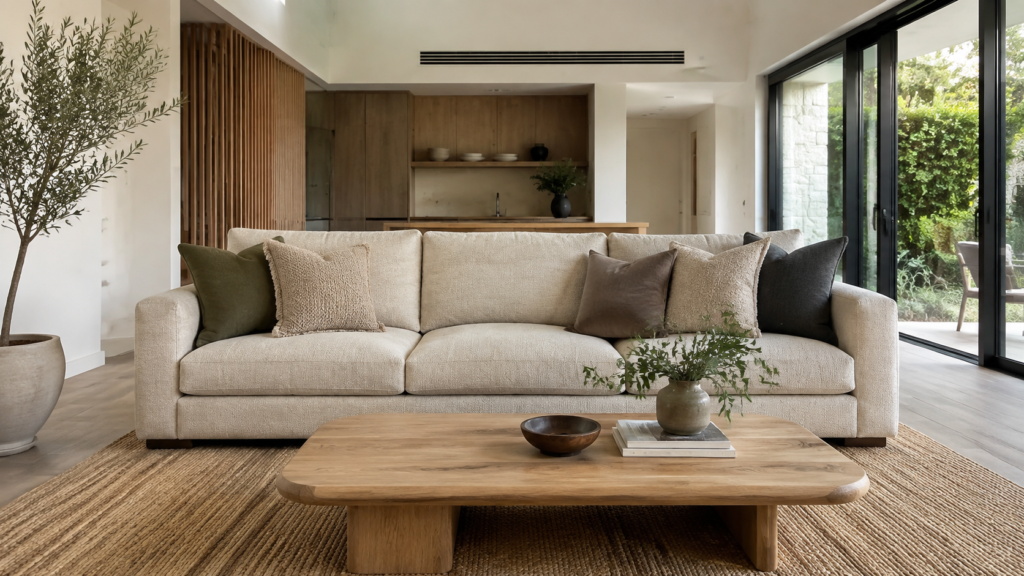
Choosing a sofa is one of the most important furnishing decisions for a living room. It often becomes the place where family members relax, guests gather, children play, and people watch television or read. Because it takes up substantial floor space and receives frequent use, the right choice should balance comfort, dimensions, upholstery, durability, style, and budget.
A design that looks attractive online may feel too deep, firm, low, or large once it arrives. It may also be difficult to move through the front door, hallway, stairwell, or lift. Therefore, successful furniture shopping begins with careful measurements and an honest assessment of how the room will be used.
This guide explains the main couch styles, construction features, fabrics, layouts, comfort factors, and maintenance requirements to consider before buying.
Why the Right Sofa Matters
A sofa affects both the appearance and daily function of a room. Its dimensions influence walking routes, furniture placement, television viewing, conversation, and access to doors or windows.
The wrong choice can create several problems:
- The room feels crowded.
- Walkways become restricted.
- The seating does not support the household.
- Upholstery wears faster than expected.
- The cushions are too firm or soft.
- The style conflicts with other furniture.
- Delivery access is inadequate.
- The maintenance routine is unrealistic.
A suitable couch should respond to the household’s daily habits. A formal sitting room may prioritise structure and appearance, while a busy family lounge may require deeper seating, durable fabric, removable cushions, and easier cleaning.
Start by Measuring the Room
Room measurements are essential, but buyers should assess more than the empty wall where the couch will stand.
Measure:
- Available wall length
- Maximum furniture depth
- Ceiling height
- Distance to the television
- Door positions
- Window openings
- Walkways
- Fireplace clearance
- Power outlets
- Heating and cooling vents
- Space for side tables
- Distance from other furniture
Use painter’s tape to mark the proposed footprint on the floor. This makes it easier to understand how much space the sofa will occupy and whether people can move comfortably around it.
Also consider visual scale. A technically fitting piece may still appear too heavy in a compact room because of wide arms, a high back, dark upholstery, or a low solid base.
Measure the Delivery Route
A sofa can fit perfectly inside the living room but still fail to pass through the property.
Measure the complete delivery route, including:
- Front gate
- Building entrance
- Door widths
- Door heights
- Hallway turns
- Staircases
- Lift doors and interiors
- Landings
- Balcony access
- Low ceilings
- Tight corners
Compare these measurements with the product’s packaged and assembled dimensions. Confirm whether legs, cushions, arms, or modules can be removed during delivery.
Apartment residents should also check building rules, lift bookings, loading access, parking, and delivery hours.
Understanding Sofa Sizes
The number of seats shown in a product name does not provide every measurement. Two three-seater couches can have very different widths because of arm design, cushion size, and spacing.
Two-Seater Sofa
A two-seater sofa suits apartments, small living rooms, bedrooms, offices, and reading areas. It can also be paired with a larger couch or armchairs in a more spacious room.
Compact dimensions do not always mean compact comfort. Check seat width and arm thickness because wide arms can reduce the usable seating area.
Three-Seater Sofa
A three-seater is a versatile option for many households. It generally provides enough room for several people without requiring the space of a large corner setting.
The total width can vary considerably, so compare exact dimensions rather than relying on the seating label.
Four-Seater and Larger Sofas
Larger designs can support families and frequent entertaining, but they require generous floor area. Some are built as one long frame, while others use modular sections.
Consider whether everyone can reach a table and whether the furniture preserves comfortable conversation across the room.
Apartment Sofas
Apartment-friendly designs often use narrower arms, raised legs, lower backs, removable components, or compact depths. These features can reduce visual weight and improve delivery access.
Popular Sofa Styles
Different configurations suit different room layouts and household needs.
Straight Sofa
A straight sofa is easy to position against a wall or use within a larger seating arrangement. It works well in traditional and open-plan rooms because it does not determine the direction of the entire layout.
Chaise Sofa
A chaise adds an extended section for reclining. It can create a relaxed atmosphere and provide extra seating when needed.
Before buying, confirm whether the chaise is left-facing, right-facing, or reversible. The correct orientation depends on doors, windows, television position, and walking routes.
Corner Sofa
A corner couch uses two connected seating directions, usually in an L-shaped arrangement. It can maximise seating while defining a living zone.
Corner designs need accurate measurement. The return section may block a doorway or make the room feel smaller if it extends too far.
Modular Sofa
A modular sofa is assembled from separate units. Depending on the collection, the layout may include armless seats, corners, chaises, ottomans, and end sections.
Modular furniture offers flexibility because it can potentially be rearranged as the household or room changes. However, buyers should confirm how the units connect and whether additional matching modules will remain available.
Recliner Sofa
A recliner provides adjustable leg and back support through manual or powered mechanisms. It can be comfortable for television viewing and relaxation.
Recliners need clearance behind or in front, depending on the mechanism. Powered models also require suitable access to electricity and a plan for cables.
Sofa Bed
A sofa bed combines everyday seating with temporary sleeping space. It can be useful in apartments, home offices, spare rooms, and multi-purpose areas.
Evaluate both functions. A comfortable couch may not create the best bed, while a supportive mattress mechanism may influence seat firmness and furniture weight.
Choosing the Right Seating Comfort
Comfort is personal. Height, posture, leg length, preferred sitting position, and intended use influence what feels supportive.
Seat Depth
A deep seat suits lounging and curling up, while a shallower seat can support a more upright posture.
Shorter users may find that their feet do not reach the floor on a deep couch without additional back cushions.
Seat Height
A higher seat can be easier to enter and leave, particularly for people with reduced mobility. A low seat creates a relaxed appearance but may require more effort when standing.
Back Height
A high back may provide additional shoulder and head support. A low-back design can look streamlined and preserve open sightlines.
Cushion Firmness
Soft cushions create a relaxed, sink-in feel, whereas firmer cushioning provides more structure. Extremely soft seating may require frequent reshaping and may not suit everyone.
Arm Height and Width
Low arms can support relaxed reclining, while higher arms may provide more upright support. Wide arms add visual weight and reduce internal seat width but can also create a useful resting surface.
Whenever possible, sit on the furniture for several minutes rather than testing it briefly. Try normal sitting, lounging, and standing to judge how it supports the body.
Understanding Sofa Construction
The exterior design does not reveal everything about durability. Frame, suspension, joints, cushions, upholstery, and workmanship influence long-term performance.
Frame
Sofa frames may use timber, engineered wood, metal, or a combination of materials. Construction quality matters more than a material name alone.
Review the product specifications, warranty, care instructions, and weight limits. A reputable seller should provide enough information to evaluate the design.
Suspension
Suspension supports the seat cushions. It may use springs, webbing, or other systems.
The suspension should feel even across the seating area without obvious sagging, noise, or hard pressure points.
Seat Cushions
Foam density, fibre wrapping, springs, and layered fillings affect firmness, recovery, and maintenance.
Some cushions are fixed, while others can be removed, rotated, or reversed. Reversible cushions may help distribute wear when the construction and care instructions permit regular turning.
Back Cushions
Loose fibre-filled cushions often create a relaxed appearance but require frequent plumping. Fixed backs may look neater and need less reshaping, although they provide less flexibility.
Choosing Sofa Upholstery
Upholstery should match the household’s lifestyle, climate, maintenance preferences, and design.
Fabric Sofas
Fabric provides a wide range of colours, textures, and patterns. It can feel comfortable throughout different seasons and suit both relaxed and formal rooms.
Before choosing, consider:
- Fibre composition
- Weave
- Abrasion performance
- Pilling tendency
- Colourfastness
- Cleaning instructions
- Removable covers
- Stain treatments
- Pet suitability
- Direct sunlight
A loose or heavily textured weave may catch pet claws more easily than a tighter fabric.
Leather Sofas
Leather can develop character with use and may be relatively easy to wipe when cared for correctly. However, leather types differ in finish, texture, durability, and maintenance.
Direct sunlight and heat can affect colour and condition. Use only care products suitable for the specific leather.
Faux Leather
Faux leather can provide a similar visual effect at a different price point. Quality, flexibility, surface durability, and expected lifespan vary.
It should be protected from excessive heat and maintained according to the manufacturer’s instructions.
Velvet and Textured Fabrics
Velvet adds depth and responds strongly to light. The pile may show pressure marks or direction changes, which are normal characteristics of some velvet fabrics.
Bouclé and other textured materials create a soft, contemporary appearance but may require additional care in homes with pets, children, or frequent food consumption.
Colour Selection
The sofa often occupies a large visual area, so colour influences the whole room.
Neutral Colours
Grey, beige, cream, taupe, and brown provide flexibility. They can be updated with cushions, throws, rugs, and artwork.
Light neutrals may require more frequent cleaning, while dark solid colours can show lint, dust, and pet hair.
Bold Colours
Green, blue, rust, yellow, and other strong colours can turn the couch into a focal point. Consider whether the colour works with flooring, walls, curtains, and existing furniture.
Patterns
Patterned upholstery can hide minor marks and add personality. Large patterns need enough surface area to appear balanced and may require careful alignment across cushions.
Request a Fabric Sample
Online images can look different from the material under home lighting. A sample helps assess colour, texture, weave, and how the fabric changes between daylight and evening light.
Selecting a Sofa for Children and Pets
Busy households should prioritise practical care and durability.
Useful features may include:
- Tightly woven upholstery
- Mid-tone or patterned colours
- Removable seat cushions
- Reversible cushions
- Accessible space underneath
- Replaceable covers
- Strong frame construction
- Clear cleaning instructions
No material is completely resistant to scratches, spills, or pet hair. Training, regular cleaning, furniture protection, and prompt spill treatment remain important.
Avoid assuming that “easy-clean” means every stain can be removed. Ask what the term covers and which cleaning products are permitted.
Sofa Placement and Living Room Layout
Furniture placement should support movement, conversation, light, and the room’s main function.
Against the Wall
Placing a couch against the wall can preserve floor space in a compact room. Leave enough clearance for curtains, vents, power outlets, and skirting details.
Floating in the Room
In a larger or open-plan space, a sofa can sit away from the wall to define the living zone. A console table behind it may help complete the arrangement.
Facing the Television
If television viewing is the priority, consider screen height, viewing distance, glare, and room traffic. Avoid forcing people to cross directly between the seating and screen.
Conversation Layout
Position seating so people can speak without turning uncomfortably or sitting too far apart. Armchairs, ottomans, and side tables can support a balanced arrangement.
Near Windows
Natural light is attractive, but prolonged direct sunlight may fade upholstery. Consider blinds, curtains, furniture rotation, and fabric suitability.
Matching a Sofa to Interior Style
The shape, legs, arms, upholstery, and detailing can support different interior styles.
Contemporary
Contemporary couches often feature clean lines, simple cushions, slim arms, raised legs, and neutral fabrics.
Scandinavian
Scandinavian-inspired designs may use pale timber, tapered legs, restrained forms, and light or earthy colours.
Coastal
Coastal interiors often combine relaxed cushions, natural textures, light colours, and timber details.
Mid-Century
Mid-century styles commonly use tapered legs, lower profiles, structured cushions, and simple geometric forms.
Traditional
Traditional sofas may include rolled arms, deep seats, turned legs, button details, or more formal proportions.
Industrial
Industrial interiors can suit dark leather, charcoal fabric, metal legs, and strong structured shapes.
The couch does not need to match every item. A coordinated room usually repeats selected colours, materials, or shapes without making the furniture identical.
Budgeting for a Sofa
Purchase price should be assessed alongside size, construction, upholstery, warranty, delivery, assembly, care, and expected use.
A lower-priced couch may be suitable for a temporary rental, guest room, or lightly used area. A main family room may justify greater investment in frame construction, fabric choice, and cushion performance.
Include possible additional costs such as:
- Delivery
- Room placement
- Assembly
- Fabric upgrades
- Protection products
- Disposal of old furniture
- Accessories
- Extended support
Compare the entire product and service package rather than the advertised figure alone.
Delivery, Assembly and Returns
Before ordering, confirm:
- Product availability
- Estimated delivery period
- Delivery fee
- Service area
- Doorstep or room placement
- Assembly requirements
- Packaging removal
- Return conditions
- Change-of-mind exclusions
- Warranty terms
- Damaged-item procedure
Made-to-order or customised furniture may have different return conditions from stocked items. Review the terms before choosing a fabric, orientation, or special configuration.
Inspect the furniture soon after delivery and report damage according to the seller’s process.
Sofa Care and Maintenance
Regular care can help preserve appearance and comfort.
Vacuum Regularly
Use a suitable upholstery attachment to remove dust, crumbs, and pet hair from cushions, seams, and underneath loose components.
Rotate Cushions
If permitted, rotate and reverse cushions to distribute wear. Plump loose back cushions to restore shape.
Treat Spills Promptly
Blot spills with a clean absorbent cloth. Do not rub aggressively because this can spread the stain or damage the fabric.
Follow the upholstery care code and test any approved cleaning method in an inconspicuous area.
Protect From Sunlight
Direct sunlight may fade upholstery and affect some materials. Window coverings can reduce prolonged exposure.
Avoid Sitting on Arms
Sofa arms are not always designed to carry the same loads as seats. Repeated sitting can affect the frame, padding, or alignment.
Check Fasteners
Inspect removable legs, connectors, and modular fittings periodically. Tighten them according to the assembly instructions where necessary.
Arrange Professional Cleaning
Some fabrics require specialist cleaning. Do not use a steam cleaner, detergent, or stain-removal chemical unless it is suitable for the upholstery.
Sustainable Sofa Considerations
Sustainability involves more than a single material label. Buyers can consider how long the couch is likely to remain useful and whether components can be maintained, repaired, or replaced.
Relevant questions include:
- Is the frame durable?
- Can cushions be rotated?
- Are covers removable?
- Can damaged components be repaired?
- Are replacement modules available?
- Is the design versatile enough for future rooms?
- Is packaging reduced or recyclable?
- Can the old furniture be reused or responsibly disposed of?
A durable sofa that remains useful for many years may reduce the need for frequent replacement.
Common Sofa Buying Mistakes
Avoid these frequent errors:
- Measuring only the wall
- Ignoring the delivery route
- Choosing by appearance alone
- Assuming every three-seater has similar dimensions
- Overlooking seat depth and height
- Selecting unsuitable upholstery
- Forgetting chaise orientation
- Blocking doors or walkways
- Ignoring cleaning instructions
- Failing to check return conditions
- Buying before testing comfort
- Choosing a colour without viewing a sample
- Forgetting future household needs
A simple checklist and floor plan can prevent many expensive problems.
Frequently Asked Questions
How do I choose the correct sofa size?
Measure the room, mark the furniture footprint, preserve walkways, and check the relationship with tables, doors, windows, and other seating. Compare exact dimensions rather than relying only on seat count.
What is the best sofa for a small living room?
A compact two-seater, narrow-arm design, raised-leg couch, or small modular arrangement can work well. Choose a scale that preserves movement and does not visually dominate the room.
Is a firm or soft sofa better?
The best firmness depends on posture, body size, mobility, and preferred use. Firmer seats provide more structured support, while softer cushions suit relaxed lounging.
Which sofa fabric is suitable for pets?
Tightly woven, durable fabrics may resist snagging better than loose textures. Consider pet hair visibility, cleaning instructions, clawing behaviour, and whether cushions can be removed.
Should a sofa touch the wall?
It can sit against the wall in a small room, but leave enough clearance for curtains, ventilation, power outlets, and cleaning. Larger rooms may benefit from floating furniture.
Is a modular sofa practical?
Modular seating can be rearranged and may be easier to deliver in separate sections. Confirm connector design, module dimensions, and whether matching pieces can be added later.
What should I check when buying a sofa bed?
Assess everyday seating comfort, bed dimensions, mattress or sleeping surface, opening mechanism, floor clearance, furniture weight, and available space when fully extended.
How can I tell whether a sofa is comfortable?
Check seat depth, height, firmness, back support, arm position, and ease of standing. Sit in your usual positions for several minutes when testing in person.
How often should sofa cushions be rotated?
Follow the manufacturer’s care instructions. Where cushions are reversible, regular rotation can distribute wear and help preserve shape.
What should I do before sofa delivery?
Clear the route, measure all openings, protect floors and walls, reserve lifts where required, confirm parking access, and check whether assembly or room placement is included.
Conclusion
The right sofa should fit the room, support the household, and remain practical under everyday use. Size, seat depth, frame construction, cushions, upholstery, configuration, colour, delivery access, and maintenance all deserve careful attention before purchase.
Begin by measuring both the living area and the complete delivery route. Then compare seating styles according to how the room functions. A compact two-seater may suit an apartment, while a chaise, recliner, sofa bed, or modular setting may serve a larger household or multi-purpose space more effectively.
Finally, review fabric care, warranty terms, assembly requirements, and return conditions before ordering. A thoughtful decision creates more than an attractive room; it provides comfortable, functional seating that can support everyday life for years.