
A sports mouth guard is one of the most important pieces of protective equipment an athlete can own. Whether you play football, basketball, MMA, hockey,...
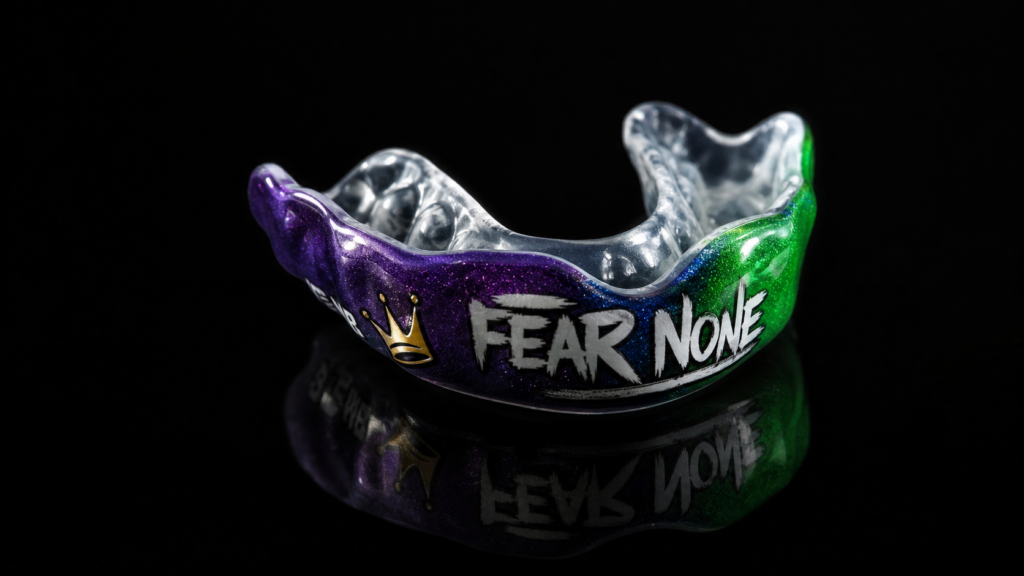
A sports mouth guard is one of the most important pieces of protective equipment an athlete can own. Whether you play football, basketball, MMA, hockey, or soccer, a properly fitted mouth guard helps prevent dental injuries, jaw fractures, and reduces the risk of concussions. With millions of sports-related dental emergencies occurring each year, investing in the right sports mouth guard is no longer optional but necessary for both amateur and professional athletes.
The Growing Need for Sports Mouth Guard Protection
Participation in contact and high-impact sports continues to rise globally. According to dental health organizations, athletes who wear a sports mouth guard are 60 times less likely to suffer dental injury compared to those who do not. Beyond teeth protection, modern mouth guards are engineered to absorb shock and reduce the force transmitted to the brain during impacts.
This guide examines the different types of sports mouth guards, how to select the best option for your sport and level of play, proper fitting techniques, maintenance, and the latest advancements in protective technology.
Different Types of Sports Mouth Guards
Understanding the three main categories helps athletes make informed decisions based on protection level, comfort, and budget.
Stock Mouth Guards
Stock mouth guards are pre-formed and ready to use straight from the package. These are the most affordable option and are commonly found in sporting goods stores. While they provide basic protection, they often fit poorly because they cannot be customized to individual teeth and jaw structure. Most dental professionals do not recommend stock mouth guards for competitive athletes due to discomfort and limited effectiveness.
Boil and Bite Mouth Guards
Boil and bite mouth guards offer a significant improvement in fit and protection. Made from thermoplastic material, they are softened in hot water and then molded to the athlete’s teeth and gums. This category strikes an excellent balance between cost and performance. Many mid-level and serious recreational athletes prefer boil and bite sports mouth guards because they provide better retention and shock absorption than stock models.
Custom-Fitted Sports Mouth Guards
Custom-fitted mouth guards are widely considered the gold standard. Created by dental professionals using impressions of your teeth, these offer superior comfort, retention, and protection. Although they cost more initially, their durability, breathability, and performance benefits make them the preferred choice for professional athletes and those competing at high levels. Studies consistently show custom mouth guards provide better impact absorption and reduce the likelihood of concussions compared to over-the-counter options.
Key Benefits of Wearing a Sports Mouth Guard
The advantages extend far beyond simply protecting teeth. A well-designed sports mouth guard offers multiple protective functions:
- Dental Trauma Prevention: Shields teeth from fractures, avulsion, and luxation
- Soft Tissue Protection: Prevents lacerations to lips, cheeks, and tongue
- Jaw Joint Protection: Reduces risk of temporomandibular joint (TMJ) injuries
- Concussion Reduction: Helps absorb and distribute impact forces that would otherwise transfer to the brain
- Performance Enhancement: Many athletes report better focus and confidence when properly protected
These benefits make the sports mouth guard an essential investment for long-term oral health and career longevity.
How to Choose the Right Sports Mouth Guard for Your Sport
Selection should be based on the specific demands of your sport, age, and competitive level. Contact sports such as boxing, rugby, and hockey require thicker, more shock-absorbent models. Basketball and soccer players often prefer thinner guards that allow better breathing and speech.
Consider these factors when selecting:
- Level of impact expected in your sport
- Need for upper versus dual-arch protection
- Material quality and shock absorption rating
- Breathability and ability to communicate clearly
- Age appropriateness for youth athletes
For children and teenagers, choosing an age-specific sports mouth guard is critical as their jaws are still developing.
Proper Fitting and Maintenance Best Practices
Even the best sports mouth guard loses effectiveness if not fitted or maintained correctly. For boil-and-bite models, follow manufacturer instructions precisely. The guard should fit snugly without causing gum irritation or breathing restriction.
Clean your mouth guard after every use with cold water and mild soap or denture cleaner. Avoid hot water outside of the initial fitting process as it can warp the material. Store it in a ventilated case away from direct sunlight. Replace your sports mouth guard every season or sooner if it shows signs of wear, cracking, or poor fit.
Advanced Technologies in Modern Sports Mouth Guards
Recent innovations have significantly improved performance. Some premium models now incorporate:
- Multi-layer shock absorption systems
- Gel-filled channels for better force distribution
- Antimicrobial coatings to reduce bacteria buildup
- Integrated sensors in professional-grade guards that monitor impact forces
These advancements reflect the growing understanding of both dental protection and brain health in contact sports.
Common Mistakes Athletes Make with Sports Mouth Guards
Many athletes undermine their protection by using worn-out guards, choosing the wrong thickness for their sport, or neglecting proper cleaning. Sharing mouth guards between teammates should always be avoided due to hygiene concerns. Youth athletes especially need regular checks as their mouths grow rapidly.
Frequently Asked Questions
How long does a sports mouth guard last?
A quality sports mouth guard typically lasts one sports season with regular use. Youth athletes may need replacements more frequently due to growth.
Are custom sports mouth guards worth the extra cost?
Yes. Custom-fitted mouth guards provide superior comfort, retention, protection, and breathability compared to boil-and-bite or stock options.
Can a sports mouth guard prevent concussions?
While no mouth guard can completely prevent concussions, well-designed models significantly reduce the force transmitted to the brain, lowering risk when combined with proper technique and other protective equipment.
Should I wear a sports mouth guard for non-contact sports?
Athletes in sports like basketball, soccer, and volleyball benefit greatly from wearing mouth guards as unexpected collisions and falls occur frequently.
How do I know if my sports mouth guard fits correctly?
A properly fitted guard stays firmly in place, allows normal breathing and speech, and does not cause gum or tooth pain. It should remain secure even when jumping or running.
Can I mold my own custom sports mouth guard at home?
Boil-and-bite models allow home fitting but are not true custom guards. Professional custom mouth guards require dental impressions made by a qualified dentist or lab.
Conclusion
Selecting and maintaining a proper sports mouth guard represents one of the smartest investments an athlete can make for both immediate protection and long-term health. The combination of reduced dental injury risk, potential concussion mitigation, and increased confidence provides clear advantages across all levels of competition. By understanding the different types available and following professional fitting and care guidelines, athletes can ensure they receive maximum protection while performing at their highest level. Prioritizing a quality sports mouth guard today helps protect both your smile and your future in sports.