
A well-maintained sprinkler system keeps a lawn green, saves water, and protects a home from costly damage. Yet many homeowners ignore their irrigation until something...
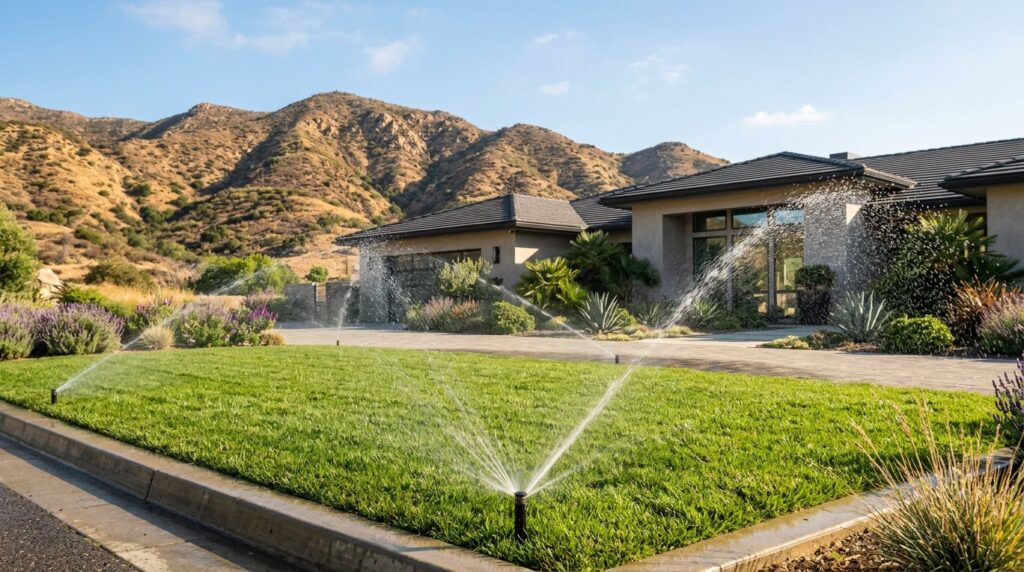
A well-maintained sprinkler system keeps a lawn green, saves water, and protects a home from costly damage. Yet many homeowners ignore their irrigation until something breaks, and by then the problem has often spread. This guide explains how a sprinkler system works, why things fail, and which maintenance steps actually matter, so you can keep your yard healthy and cut down on wasted water.
How a Sprinkler System Works
Most residential irrigation systems follow the same basic design. A main water line connects to a series of valves, and each valve controls a specific zone. When a zone is activated, water flows through underground pipes and out through sprinkler heads, pop-up rotors, or drip emitters. A controller, or timer, tells each zone when to turn on and for how long.
Understanding this layout matters because most repairs relate to one of four parts: the controller, the valves, the pipes, or the sprinkler heads themselves. A sprinkler head that sprays unevenly might just need an adjustment. A wet spot that appears when nothing is running usually points to a valve or pipe leak instead. Diagnosing the right component saves money and prevents unnecessary digging.
Common Sprinkler Problems Homeowners See
Sprinkler systems wear down over time, especially in warm, dry climates where they run often. The most common issues include:
- Broken or misaligned sprinkler heads. A head that is cracked, clogged, or tilted produces uneven coverage and leaves dry patches. Lawn mowers and foot traffic cause much of this damage.
- Underground leaks. A sudden rise in the water bill, soggy areas, or water bubbling between the lawn and a walkway often signals a pipe leak. These problems get worse quickly if left alone.
- Low water pressure. Weak spray usually comes from a partially closed valve, a clogged filter, or a leak elsewhere in the system.
- Faulty valves. A valve that will not fully open or close can cause a zone to run constantly, flood an area, or refuse to start at all.
- Broken or outdated controllers. Timer failures lead to overwatering or zones that never run.
Recognizing these signs early is the single most effective way to prevent damage. A small leak that goes unnoticed for a month can waste thousands of gallons and undermine the structure around a patio or foundation.
Signs You Need Sprinkler Repair
You do not need to be a technician to spot trouble. Watch for these clear warning signs:
- Dry or brown patches despite regular watering.
- Puddles, soggy soil, or standing water in the yard.
- A water bill that climbs without another explanation.
- Sprinkler heads that are sunken, tilted, cracked, or missing.
- Water spraying onto sidewalks, driveways, or walls instead of the lawn.
- Zones that will not turn on, or that keep running when they should stop.
If any of these appear, addressing them early usually means a smaller, less expensive fix. Ignoring them almost always leads to a larger repair later, plus more wasted water in the meantime.
Maintenance That Keeps Irrigation Healthy
Consistent care is far cheaper than emergency repair. A practical seasonal routine includes checking heads for damage, adjusting spray patterns to avoid hard surfaces, and clearing debris from nozzles and filters. During colder months, you should also shut off and drain the system to prevent frozen pipes, though homeowners in warm climates can often water year-round.
Servicing the valves once or twice a year is another smart step. Cleaning the internal parts and testing that each zone shuts off fully keeps leaks from starting. A simple tune-up, where a professional inspects every head, adjusts zones, and tests the controller, catches small problems before they become emergencies.
Water Efficiency and Smart Controllers
Water conservation is not just good for the environment; it lowers your monthly bill and protects your landscape. A modern smart controller adjusts watering based on local weather, soil type, and plant needs instead of a fixed schedule. Pairing it with efficient sprinkler heads, such as nozzles designed for low precipitation, can reduce water use noticeably.
The best watering routine follows deep, infrequent cycles that encourage healthy roots, rather than short, frequent sprays that promote shallow growth and waste. Adjusting run times by season also matters, especially in a climate like Southern California, where rainfall is seasonal and droughts are common.
When to Call a Professional
Any homeowner can swap a broken head or adjust a nozzle. However, some jobs are best left to a licensed irrigation professional. Underground leak detection, valve replacement, zone reconfiguration, and full system installation all require experience, the right tools, and an understanding of local codes and soil conditions. A reliable company will inspect the whole system, explain what they find, and give you a clear estimate before any work begins, so you can decide how to proceed on your terms.
Frequently Asked Questions
How often should a sprinkler system run in summer?
Most lawns in warm, dry climates need about one to three watering sessions per week during the hottest months. Deep, infrequent watering encourages stronger roots and uses less water than short daily sprays. Your exact schedule should match your soil, lawn type, and local water restrictions.
Why is one zone of my sprinklers not working?
A single zone that will not run usually points to a problem with that zone’s valve, a clogged filter, or a disconnected wire at the controller. Because the issue is isolated to one area, the fault is almost always in that specific valve or its wiring rather than the entire system.
Can a sprinkler leak cause property damage?
Yes. An underground leak near a patio, walkway, or foundation can erode soil, destabilize paving, and even damage the structure over time. A sudden spike in your water bill is often the first clue, so investigate soggy spots promptly.
How do I know if my sprinkler valves need replacing?
Valves that will not open fully, will not close, hiss or vibrate, or leak water continuously are typically worn out. If cleaning the internal parts does not solve the problem, replacement is usually the dependable option. Corroded or cracked valve bodies should be replaced rather than patched.
What is the best time of day to water my lawn?
Early morning, before the sun gets strong, is ideal. Watering at that time reduces evaporation, lets moisture reach the roots, and avoids the humid conditions at night that invite fungal growth. Midday watering wastes much of the water to evaporation.
Do I need to winterize my sprinklers in a warm climate?
In regions that rarely freeze, winterizing is often optional, but you should still reduce watering and lower run times during cooler months. In areas that experience freezing temperatures, you should drain the system and shut off the water completely to prevent frozen pipes and valves from bursting.
Conclusion
A healthy sprinkler system does more than keep a lawn green. It protects your property, conserves water, and saves money over the long term. By learning how your irrigation works, watching for early warning signs, and keeping up with simple maintenance, you can avoid most costly emergencies. When a problem does appear, getting a professional assessment early is almost always the smarter, more affordable choice. With the right care, a dependable sprinkler system delivers a beautiful landscape and genuine peace of mind for years to come.