
Transforming Your Pool can completely change the way your backyard looks, feels, and functions. An outdated swimming pool does not always need to be removed...
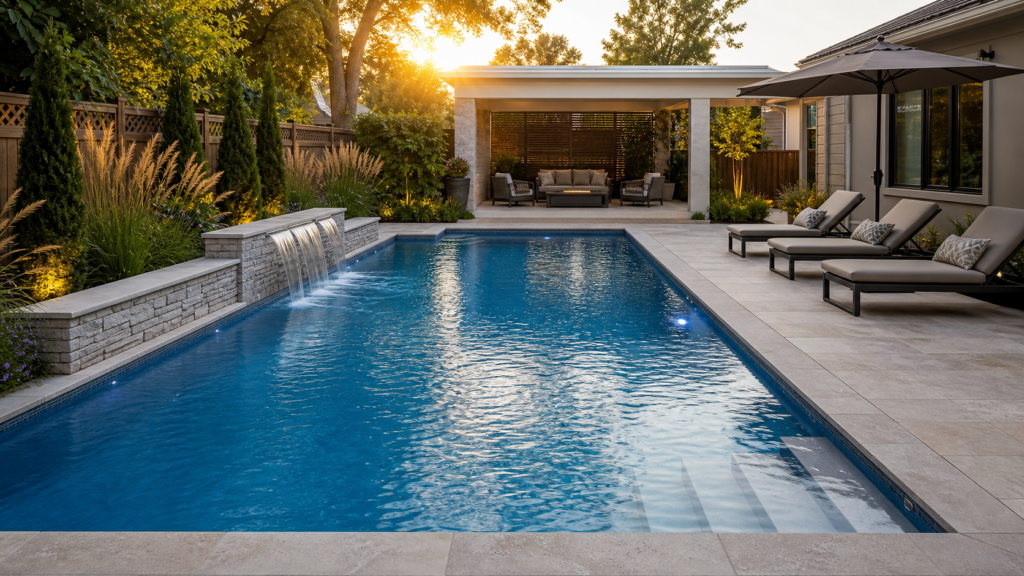
Transforming Your Pool can completely change the way your backyard looks, feels, and functions. An outdated swimming pool does not always need to be removed or rebuilt from the ground up. In many cases, thoughtful upgrades to the surface, coping, lighting, landscaping, equipment, and surrounding deck can make the entire area feel fresh and inviting again. The key is to focus on improvements that match your lifestyle, budget, property style, and long-term maintenance needs.
A pool renovation can be cosmetic, functional, or both. Some homeowners want a cleaner and more modern appearance. Others need to repair worn surfaces, improve energy efficiency, update safety features, or create a more comfortable place for family and guests.
The right renovation plan starts with understanding what is currently working and what needs improvement.
Why Consider Transforming Your Pool?
Pools naturally show signs of age.
Surfaces fade, tiles loosen, equipment becomes less efficient, and design styles change over time. Even a structurally sound pool can begin to look dated if the surrounding materials no longer match the rest of the property.
A renovation provides an opportunity to correct these issues while making the pool better suited to your current needs.
Common reasons homeowners consider a transformation include:
- Worn or stained pool surfaces
- Cracked or outdated coping
- Old tile
- Inefficient pumps or filters
- Poor lighting
- Limited seating areas
- Slippery or damaged decking
- Outdated landscaping
- Lack of shade
- Safety concerns
- High maintenance requirements
- A backyard design that feels disconnected
A good renovation does not simply make a pool look better. It can also improve comfort, usability, and day-to-day maintenance.
Start With a Clear Pool Assessment
Before choosing finishes or decorative features, inspect the current condition of the pool.
A proper assessment should look at more than appearance.
Check the Pool Surface
Look for:
- Cracks
- Stains
- Rough areas
- Discoloration
- Peeling finishes
- Exposed aggregate
- Areas that feel unusually sharp
Surface problems may be cosmetic, but some can indicate that resurfacing is needed.
Inspect the Coping
Coping is the material around the upper edge of the pool.
Check for:
- Loose stones
- Cracks
- Uneven sections
- Sharp edges
- Missing grout
- Deterioration
Because coping sits between the pool and deck, it plays both a practical and visual role.
Review the Deck
Walk around the pool carefully.
Look for:
- Cracks
- Uneven surfaces
- Drainage problems
- Slippery areas
- Faded coatings
- Loose pavers
The deck is one of the largest visual surfaces in the pool area, so updating it can make a major difference.
Evaluate Pool Equipment
Check the condition and age of:
- Pump
- Filter
- Heater
- Sanitizing system
- Lighting
- Automation controls
Older equipment may still function but use more energy or require frequent maintenance.
Decide What Kind of Transformation You Want
Not every pool renovation has the same goal.
Some homeowners want a complete redesign.
Others want targeted improvements.
Cosmetic Transformation
A cosmetic renovation focuses mainly on appearance.
It may include:
- New tile
- Updated coping
- Resurfacing
- New deck finishes
- Landscaping
- Lighting
This can make an older pool feel dramatically more modern.
Functional Transformation
A functional renovation focuses on how the pool works.
Possible improvements include:
- New steps
- Added benches
- Updated equipment
- Better lighting
- Improved filtration
- New automation
- Safety improvements
Complete Pool Renovation
A larger project may combine both cosmetic and functional changes.
This approach is useful when several components are outdated at the same time.
Resurfacing Can Change the Entire Look
The interior surface has a major influence on water color and overall appearance.
If the current finish is worn, stained, or rough, resurfacing can make the pool feel almost new.
Common finishes include:
- Plaster
- Quartz-based finishes
- Pebble finishes
- Aggregate surfaces
Each option creates a different texture and water appearance.
Choosing the Right Pool Finish
Consider more than color.
Think about:
- Durability
- Texture
- Maintenance
- Budget
- Water appearance
- Compatibility with the existing pool
A lighter finish often creates brighter blue water.
Darker finishes may produce a deeper, more dramatic look.
The surrounding landscape and deck color should also influence the decision.
Update the Pool Tile
Tile is one of the easiest areas to modernize visually.
Older pools may have highly decorative or dated tile patterns that no longer suit the home.
Current designs often use cleaner and simpler styles.
Popular options can include:
- Glass tile
- Porcelain tile
- Ceramic tile
- Natural stone-look tile
- Mosaic accents
The best choice should complement the coping, deck, and architectural style of the property.
Choose Tile for Long-Term Appeal
Trendy patterns can look attractive now but may become dated quickly.
For a more lasting design, consider:
- Neutral colors
- Natural blues
- Soft greys
- Earth tones
- Subtle texture
A timeless design can make future updates easier.
Upgrade the Pool Coping
New coping can completely redefine the edge of the pool.
It creates the visual transition between the water and the surrounding deck.
Common coping materials include:
- Travertine
- Concrete
- Brick
- Natural stone
- Porcelain
Each material has a different appearance and maintenance profile.
Coordinate Coping With the Deck
The coping does not need to match the deck exactly.
It should, however, feel visually connected.
For example, pale stone coping can work well with warm neutral pavers.
Dark coping can create a stronger modern contrast.
Transform the Pool Deck
The deck has a major impact on both appearance and comfort.
A dated deck can make even a renovated pool look old.
Popular deck options include:
- Concrete
- Pavers
- Travertine
- Porcelain
- Natural stone
The right material should be selected for your climate, design preferences, maintenance expectations, and slip resistance.
Think About Heat and Comfort
Some materials become very hot in direct sunlight.
If the pool receives strong sun for much of the day, surface temperature should be part of the decision.
Comfort matters when people regularly walk barefoot around the pool.
Improve Drainage
A renovated deck should direct water away from the pool and structures.
Poor drainage can create puddles and contribute to surface deterioration.
Address drainage before adding expensive new finishes.
Add Better Pool Lighting
Lighting can dramatically change the pool after sunset.
Older pools may rely on one bright light.
Modern designs often use multiple lower-intensity lights positioned more evenly.
This can improve both appearance and visibility.
LED Pool Lighting
LED lighting is commonly used because it can provide:
- Lower energy use
- Long service life
- Multiple brightness options
- Different color settings
For a timeless appearance, warm white or soft blue lighting often works well.
Light the Surrounding Landscape
Do not focus only on the water.
Consider lighting:
- Trees
- Pathways
- Steps
- Seating areas
- Walls
- Architectural features
Layered lighting makes the entire backyard feel more complete.
Add a Water Feature
Water features can add movement and visual interest.
Options include:
- Deck jets
- Bubblers
- Sheer descents
- Small waterfalls
- Wall-mounted spouts
The feature should fit the scale and style of the pool.
A simple water element often looks more sophisticated than adding too many decorative features.
Consider Built-In Seating
If the pool is being renovated structurally, built-in seating may improve usability.
Options can include:
- Benches
- Tanning ledges
- Sun shelves
- Wider steps
These features can create areas for relaxing without swimming.
Add a Tanning Ledge
A shallow ledge can provide space for:
- Lounging
- Sitting in shallow water
- Young children with supervision
- Placing in-water furniture where appropriate
The size should match the pool rather than taking away too much swimming space.
Improve Pool Entry
Older pools sometimes have narrow steps or ladders that are less comfortable to use.
Wider steps can improve accessibility and create a cleaner visual transition into the water.
Consider ease of entry for people of different ages and mobility levels.
Upgrade the Pool Equipment
A visually beautiful renovation can still be frustrating if the equipment is outdated.
Mechanical upgrades can improve performance and reduce unnecessary energy use.
Variable-Speed Pool Pumps
Variable-speed pumps can operate at different speeds based on demand.
This allows the system to use lower speeds for routine circulation and higher speeds when needed.
This can improve efficiency compared with older single-speed systems.
Modern Filtration
A well-maintained filtration system helps keep water clear.
During renovation, review whether the existing filter is properly sized for the pool.
The system should match:
- Pool volume
- Pump capacity
- Usage
- Local conditions
Pool Automation
Automation can make routine operation easier.
Depending on the system, homeowners may be able to manage:
- Pump schedules
- Lights
- Heating
- Water features
- Cleaning cycles
Some systems allow control through a phone or other device.
Consider Energy-Efficient Heating
If the pool is heated regularly, equipment efficiency matters.
Options may include:
- Gas heaters
- Heat pumps
- Solar-assisted systems
The right choice depends on climate, usage, and desired water temperature.
Improve Pool Safety
Safety should be considered during every renovation.
Visual upgrades should never take priority over safe access.
Important features may include:
- Slip-resistant surfaces
- Secure fencing
- Self-closing gates
- Clear depth markings
- Proper lighting
- Safe steps
- Handrails where needed
- Pool covers
Local regulations may require specific barriers or safety features.
Use Slip-Resistant Materials
Wet surfaces around pools can become dangerous.
Choose deck and coping materials designed for outdoor wet areas.
Highly polished materials may look attractive but can become slippery.
Add Proper Handrails
Handrails can make pool entry easier for children, older adults, and anyone who needs extra stability.
Modern rail designs can be practical without looking outdated.
Use Landscaping to Complete the Transformation
A pool renovation can feel incomplete if the surrounding landscaping is ignored.
Plants help soften hard surfaces and create a more natural environment.
Choose Pool-Friendly Plants
Good poolside plants should ideally:
- Handle local weather
- Require manageable maintenance
- Avoid excessive leaf drop
- Fit the available space
- Tolerate reflected heat
Large trees placed too close to the pool can create maintenance problems.
Use Layers of Greenery
A combination of heights often creates a more finished look.
Consider:
- Ground-level plants
- Medium shrubs
- Ornamental grasses
- Taller accent plants
The goal is to frame the pool rather than hide it.
Add Privacy Strategically
Landscaping can also improve privacy.
Options include:
- Hedges
- Screening plants
- Decorative walls
- Pergolas
- Privacy panels
These elements can make the pool feel more comfortable without making the backyard feel enclosed.
Create a Comfortable Seating Area
A pool area should provide places to relax even when nobody is swimming.
Consider adding:
- Lounge chairs
- Outdoor sofas
- Dining furniture
- Side tables
- Benches
The furniture should fit the available space without blocking walkways.
Add Shade
Shade can make the pool area more usable during hot weather.
Options include:
- Umbrellas
- Pergolas
- Shade sails
- Covered patios
- Retractable awnings
A mix of sun and shade gives people more flexibility.
Consider an Outdoor Kitchen or Bar
If you entertain frequently, an outdoor kitchen or small serving area can make the backyard more functional.
Possible features include:
- Counter space
- Grill
- Storage
- Refrigerator
- Sink
- Seating
Keep food preparation areas far enough from the pool to avoid unnecessary congestion.
Match the Pool to the Style of the Home
One of the most important design principles is visual consistency.
The pool should feel like part of the property.
A modern home may pair well with:
- Straight lines
- Large-format pavers
- Minimal landscaping
- Dark accents
A traditional home may work better with:
- Natural stone
- Softer curves
- Warm materials
- Classic planting
Consistency can make the entire backyard feel intentional.
Consider Changing the Pool Shape Carefully
Changing the shape of an existing pool is possible in some situations, but it can significantly increase project complexity.
Minor structural adjustments may include:
- Expanding steps
- Adding a shelf
- Modifying corners
- Adding seating
Major shape changes require careful structural planning.
Before changing the pool shell, determine whether the benefit justifies the additional cost and construction.
Plan Your Renovation Budget
Pool renovations can range from modest cosmetic updates to extensive construction projects.
Create a budget before selecting finishes.
Typical budget categories may include:
- Resurfacing
- Tile
- Coping
- Decking
- Equipment
- Lighting
- Plumbing
- Electrical work
- Landscaping
- Furniture
- Safety upgrades
Always leave some room for unexpected repairs.
Older pools can reveal hidden issues once renovation begins.
Prioritize Improvements
If the budget does not allow everything at once, prioritize in this order:
1. Structural Issues
Repair cracks, leaks, or major damage first.
2. Safety
Address unsafe surfaces, fencing, lighting, or entry points.
3. Mechanical Systems
Replace failing or inefficient equipment.
4. Surface Finishes
Update interior surfaces, tile, coping, and decking.
5. Decorative Features
Add lighting, landscaping, water features, and furniture after essential work is complete.
This approach helps prevent spending money on appearance while ignoring important repairs.
Think About Long-Term Maintenance
A beautiful renovation should also be manageable.
Before choosing a material or feature, ask:
- How often will it need cleaning?
- Does it stain easily?
- Is it difficult to repair?
- Does it require sealing?
- Will replacement parts be available?
- Will landscaping create debris?
Low-maintenance design can save considerable effort over time.
Avoid Overdesigning the Pool Area
One common mistake is adding too many features.
A pool does not need waterfalls, fire features, colored lights, decorative tile, multiple materials, and elaborate landscaping all at once.
Too many competing elements can make the space feel busy.
Choose a few strong design ideas and repeat them consistently.
Create a Consistent Color Palette
Select two or three main colors for the pool area.
For example:
- Warm beige
- Soft grey
- Deep blue
Or:
- Cream
- Charcoal
- Green
A limited palette helps create a more polished appearance.
Make the Pool Useful Day and Night
A successful transformation should work at different times of day.
During daylight, focus on:
- Comfortable surfaces
- Shade
- Seating
- Landscaping
At night, focus on:
- Pool lighting
- Pathway lighting
- Seating-area lighting
- Safe visibility
Planning both conditions creates a more versatile space.
Common Pool Renovation Mistakes to Avoid
Choosing Materials Only for Appearance
A beautiful material may not be suitable for wet outdoor use.
Ignoring Existing Problems
Covering cracks or drainage issues rarely solves them permanently.
Using Too Many Materials
Too many finishes can make the design feel disconnected.
Forgetting Maintenance
Complex water features and dense landscaping can increase upkeep.
Choosing Features Without Considering Scale
Large features can overwhelm a small pool.
Ignoring the Rest of the Yard
The pool should connect visually with patios, gardens, and the house.
How to Create a Timeless Pool Design
Trends change quickly.
A timeless pool generally relies on:
- Clean lines
- Neutral materials
- Quality construction
- Simple landscaping
- Balanced lighting
- Functional seating
Decorative items can be changed later.
Permanent surfaces are better kept relatively classic.
Transforming a Small Pool
Small pools can benefit greatly from careful renovation.
Instead of adding many features, focus on making the space feel open.
Consider:
- Light-colored finishes
- Simple coping
- Minimal landscaping
- Built-in seating
- Clean deck lines
- Compact furniture
Mirroring shapes and limiting visual clutter can make a small pool area feel larger.
Transforming an Older Pool
Older pools may have good structural foundations but dated finishes.
Common updates include:
- Resurfacing
- New tile
- Modern coping
- Updated lights
- New equipment
- Fresh decking
Keeping the original shell can sometimes allow homeowners to achieve a significant transformation without building a completely new pool.
Create a Renovation Plan Before Work Begins
A clear plan can reduce delays and design changes.
Your plan should include:
- Budget
- Preferred materials
- Pool condition
- Equipment needs
- Safety improvements
- Landscaping
- Lighting
- Seating
- Project priorities
Making major design decisions before construction begins can help keep the project organized.
Conclusion
Transforming your pool is about more than changing the water color or replacing a few tiles. A successful renovation considers how the pool looks, how safely it functions, how much maintenance it requires, and how well it connects with the surrounding backyard. Improvements such as resurfacing, new coping, updated decking, efficient equipment, better lighting, landscaping, shade, and comfortable seating can make an older pool feel completely different. The best results come from addressing structural and safety issues first, selecting durable materials, and using a consistent design rather than adding unnecessary features. With thoughtful planning, even a relatively simple renovation can create a pool area that feels more comfortable, attractive, and useful for years to come.
Frequently Asked Questions
What is the easiest way to start transforming your pool?
Start by identifying the biggest problems with the current pool. Surface wear, outdated decking, poor lighting, and old equipment are common priorities. Address necessary repairs before decorative upgrades.
How can I make an old pool look modern?
Consider resurfacing the interior, replacing dated tile and coping, simplifying the deck materials, adding modern LED lighting, and using clean landscaping around the pool.
Is pool resurfacing worth it?
Resurfacing can be worthwhile when the existing finish is stained, rough, worn, or damaged. It can improve both appearance and comfort while giving the pool a refreshed look.
What upgrades improve pool energy efficiency?
Variable-speed pumps, efficient heaters, updated filtration, automation, and properly scheduled equipment can help reduce unnecessary energy use compared with older systems.
What is the best pool deck material?
There is no single best option. Pavers, concrete, travertine, porcelain, and natural stone can all work well depending on climate, maintenance needs, slip resistance, and budget.
Can I renovate a pool without changing its shape?
Yes. Many dramatic transformations happen without altering the pool shell. New surfaces, coping, decking, lighting, equipment, landscaping, and furniture can completely change the appearance.
How can I make my pool area safer?
Use slip-resistant surfaces, secure barriers, adequate lighting, properly designed steps, handrails where needed, and compliant fencing or gates.
How do I keep a renovated pool looking timeless?
Choose neutral permanent finishes, simple lines, durable materials, restrained landscaping, and a consistent color palette. Use accessories and furniture for trends that can be changed more easily.