
Choosing a truck dealer Austin TX buyers can feel confident working with is an important step when shopping for a pickup in Central Texas. Trucks...
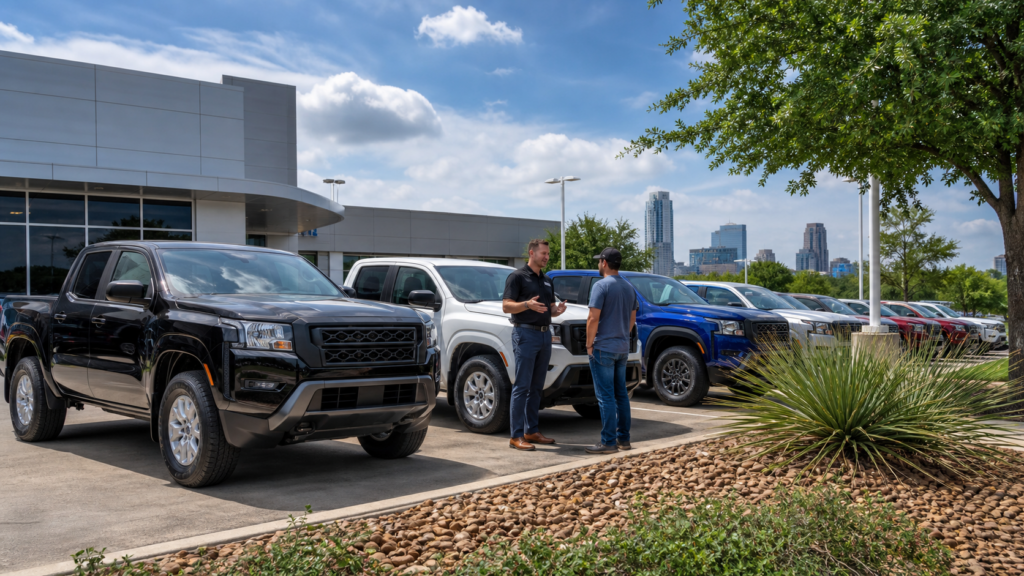
Choosing a truck dealer Austin TX buyers can feel confident working with is an important step when shopping for a pickup in Central Texas. Trucks are used for many different purposes in the Austin area, from daily commuting and family transportation to towing, construction work, ranch use, outdoor recreation, and business operations. Because pickup trucks vary widely in size, capability, fuel economy, comfort, technology, and price, the right dealership should help buyers compare practical options rather than simply focus on appearance.
A truck can be a major purchase, so it helps to understand what to look for before visiting a dealership.
Some buyers need a reliable used truck for work. Others want a newer pickup with advanced safety features, towing technology, and a comfortable cabin for long drives.
There is no single truck that works for everyone.
The best choice depends on how the vehicle will be used, how much capability is actually needed, and what ownership costs fit comfortably within the buyer’s budget.
This guide explains how to evaluate truck dealers in Austin, compare pickup types, inspect used trucks, understand important specifications, consider financing, and avoid common shopping mistakes.
Why Austin Is a Strong Market for Pickup Trucks
Austin combines urban driving with easy access to highways, job sites, suburban communities, rural areas, lakes, and outdoor recreation.
That mix makes trucks useful for many local drivers.
A pickup may be used during the week for commuting and on weekends for towing a boat, hauling equipment, transporting bicycles, carrying home improvement supplies, or reaching outdoor destinations.
Businesses also rely heavily on trucks.
Contractors, landscapers, construction crews, delivery operators, property managers, and tradespeople often need vehicles that can handle tools, materials, trailers, and daily work.
Because buyers have such different needs, dealerships may carry trucks ranging from smaller midsize pickups to heavy-duty models designed for demanding towing and hauling.
What to Look for in a Truck Dealer in Austin TX
Choosing a dealership is about more than finding the lowest advertised price.
The overall buying process matters.
A Good Selection of Trucks
A strong truck dealer should offer enough variety for buyers to compare different configurations.
Useful options may include:
- Midsize pickups
- Full-size trucks
- Heavy-duty trucks
- Two-wheel-drive models
- Four-wheel-drive models
- Gasoline engines
- Diesel engines
- Hybrid or electrified options where available
- Different cab sizes
- Different bed lengths
A larger selection can make it easier to compare similar trucks without visiting multiple locations.
However, quality matters more than quantity.
A smaller inventory of well-maintained trucks may be better than a large selection with inconsistent condition.
Clear Vehicle Information
Buyers should be able to find basic information about each truck without unnecessary confusion.
Important details include:
- Model year
- Mileage
- Engine
- Transmission
- Drivetrain
- Cab configuration
- Bed length
- Trim level
- Major features
- Vehicle history when available
- Asking price
For used vehicles, maintenance and ownership information can also be valuable.
Transparent listings save time and make comparisons easier.
Helpful Sales Staff
A salesperson should ask questions about how the buyer plans to use the truck.
For example:
Do you tow regularly?
How much weight do you expect to pull?
Do you need rear-seat space?
Will the truck be used mostly in the city?
Do you need four-wheel drive?
Will it carry tools or heavy materials?
These questions matter because buying more truck than necessary can increase fuel, insurance, maintenance, and purchase costs.
Buying too little truck can create safety and capability problems.
Opportunities for Test Drives
A test drive is essential.
Truck size, visibility, steering, suspension, seat comfort, and braking can feel very different from one model to another.
A useful test drive should include normal city streets and, when practical, faster roads.
Buyers should pay attention to:
- Visibility
- Steering response
- Ride comfort
- Cabin noise
- Braking
- Acceleration
- Seat position
- Parking ease
- Technology usability
A truck that looks perfect online may feel very different once driven.
New vs Used Trucks in Austin
One of the first decisions is whether to buy new or used.
Both options have advantages.
Buying a New Truck
A new truck typically provides:
- Full manufacturer warranty
- Latest safety technology
- Modern infotainment
- Newest engine options
- No previous owner history
- More customization possibilities
The main drawback is cost.
New trucks can be expensive, especially in higher trims or heavy-duty configurations.
Depreciation is another consideration.
A new vehicle generally loses value faster during its early years.
Buying a Used Truck
Used trucks may offer better value for buyers who want capability without paying new-vehicle prices.
A well-maintained used truck can provide many years of service.
However, condition varies greatly.
Buyers should pay close attention to:
- Mileage
- Maintenance history
- Accident history
- Towing use
- Rust
- Suspension condition
- Tire wear
- Fluid leaks
A pre-purchase inspection can provide additional confidence, especially for older or higher-mileage trucks.
Certified Pre-Owned Trucks
Some dealerships offer certified pre-owned vehicles.
These trucks may go through a specific inspection process and include additional warranty coverage.
Certification requirements vary, so buyers should understand exactly what is included.
A certified truck may cost more than a similar non-certified vehicle.
The added value depends on the warranty, inspection standards, and overall condition.
Choosing the Right Truck Size
Truck size affects everything from towing capacity to parking convenience.
Midsize Trucks
Midsize pickups can be a good fit for buyers who want utility without the size of a full-size truck.
They may work well for:
- Daily commuting
- Light towing
- Outdoor recreation
- Small trailers
- Home projects
- Urban driving
Their smaller dimensions can make parking easier in busy parts of Austin.
They may also offer lower purchase and operating costs than larger trucks.
Full-Size Trucks
Full-size pickups are among the most popular choices for buyers who need greater capability.
They can offer:
- Stronger towing
- Larger beds
- More cabin space
- Wider engine selection
- More luxury features
- Greater payload capacity
They are useful for both work and personal transportation.
However, their larger size can make tight parking spaces and crowded city streets more challenging.
Heavy-Duty Trucks
Heavy-duty pickups are designed for demanding work.
They are often used for:
- Large trailers
- Heavy equipment
- Commercial hauling
- Fifth-wheel towing
- Construction
- Agricultural use
These trucks typically cost more and may use more fuel.
Drivers should choose one when the added capability is genuinely necessary.
Understanding Cab Configurations
Cab size affects passenger comfort and overall truck length.
Regular Cab
A regular cab usually has one row of seats.
It may be a practical choice for work-focused buyers who do not need rear passenger space.
These trucks can also offer a longer bed without increasing overall length as much as crew-cab models.
Extended Cab
Extended cabs provide additional rear seating or storage space.
Rear-seat comfort may be limited compared with a full crew cab.
This setup can work for buyers who occasionally carry passengers.
Crew Cab
Crew cabs offer full rear seating.
They are popular with families, work crews, and buyers who use a truck as their main vehicle.
The trade-off is additional length and often higher cost.
Choosing the Right Bed Length
Truck beds vary in size.
A shorter bed may be easier to manage in urban environments.
A longer bed provides more cargo capacity.
Buyers should think about what they regularly carry.
Common items may include:
- Building materials
- Tools
- Motorcycles
- Camping equipment
- Furniture
- Landscaping supplies
- Sports equipment
A longer bed may be useful for work, but it can make the truck more difficult to park.
Towing Capacity Matters
Many buyers choose trucks because they need to tow.
However, towing capacity should be evaluated carefully.
Do not assume every truck within the same model line can tow the same weight.
Capacity depends on several factors, including:
- Engine
- Transmission
- Axle ratio
- Drivetrain
- Cab size
- Bed configuration
- Towing package
- Vehicle weight
A properly equipped version of a truck may have a much higher towing rating than another version of the same model.
Always verify the specifications for the exact truck being considered.
Payload Capacity Is Different From Towing
Payload refers to how much weight the truck can carry in the vehicle itself.
This includes:
- Passengers
- Cargo
- Tools
- Equipment
- Items in the bed
- Trailer tongue weight
Buyers sometimes focus heavily on towing and overlook payload.
For work trucks and travel trailer use, payload can be especially important.
Gasoline vs Diesel Trucks
Engine choice affects price, capability, fuel use, and maintenance.
Gasoline Engines
Gasoline trucks are widely available and may cost less initially.
They can be a practical choice for:
- Daily driving
- Moderate towing
- Shorter trips
- Personal use
Maintenance can also be simpler in some cases.
Diesel Engines
Diesel engines are often valued for strong low-end torque.
They may be useful for frequent heavy towing or commercial work.
However, diesel trucks often cost more upfront.
Maintenance and repair costs can also be higher.
Buyers should consider whether their actual usage justifies the additional cost.
Two-Wheel Drive vs Four-Wheel Drive
Austin does not regularly experience the severe winter weather found in some regions, but four-wheel drive can still be useful.
Drivers may benefit from four-wheel drive when traveling on:
- Muddy job sites
- Gravel roads
- Ranch roads
- Uneven trails
- Boat ramps
- Off-road areas
Two-wheel-drive trucks may cost less and can be perfectly suitable for normal city and highway driving.
The right choice depends on actual use.
Important Features to Consider
Modern trucks offer many features.
Some are practical, while others are primarily comfort upgrades.
Towing Technology
Useful towing features may include:
- Trailer brake controller
- Tow mirrors
- Trailer camera systems
- Hitch guidance
- Trailer sway control
- Tow driving modes
These features can make towing easier and safer.
Safety Features
Modern safety technology may include:
- Blind-spot monitoring
- Automatic emergency braking
- Lane departure warning
- Adaptive cruise control
- Rear cross-traffic alert
- Parking sensors
- Surround-view cameras
Larger trucks can benefit greatly from camera and sensor systems.
Bed Features
Truck beds may include:
- Spray-in liners
- Tie-down points
- Bed lighting
- Power outlets
- Storage compartments
- Tailgate steps
- Adjustable cargo systems
These features can improve everyday usability.
Interior Comfort
Many buyers use their pickup as a daily vehicle.
Comfort matters.
Look at:
- Seat support
- Climate control
- Storage space
- Rear-seat room
- USB ports
- Wireless charging
- Infotainment
- Smartphone connectivity
A work truck may prioritize durability, while a family vehicle may need more comfort.
How to Inspect a Used Truck
Used truck inspections should be more detailed than a quick walk around the lot.
Trucks may have experienced heavy use.
Check the Exterior
Look for:
- Uneven body gaps
- Paint differences
- Dents
- Scratches
- Rust
- Frame damage
- Bed damage
Minor cosmetic damage may not be serious, but structural problems require more attention.
Inspect the Tires
Uneven tire wear can indicate alignment or suspension issues.
Also check tire age and tread depth.
Replacing a full set of truck tires can be expensive.
Look Under the Truck
Check for:
- Oil leaks
- Transmission fluid
- Coolant
- Differential leaks
- Rust
- Damaged suspension components
A clean underbody does not guarantee perfect condition, but visible leaks should be investigated.
Check the Bed
A heavily used bed may reveal how the truck was previously treated.
Scratches and dents are common on work trucks.
Severe damage may suggest frequent heavy hauling.
Inspect the Interior
Look for excessive seat wear, damaged controls, warning lights, and electrical problems.
Make sure all major features work.
Test:
- Windows
- Locks
- Air conditioning
- Infotainment
- Cameras
- Seat controls
- Lights
Listen During the Test Drive
Pay attention to unusual sounds.
Clunks, vibrations, whining, grinding, or rattling may indicate mechanical problems.
Test acceleration and braking under normal conditions.
Consider a Pre-Purchase Inspection
An independent mechanic can inspect the truck before purchase.
This can be particularly valuable for:
- Older vehicles
- High-mileage trucks
- Diesel trucks
- Modified vehicles
- Heavy-duty pickups
An inspection may reveal problems that are not obvious during a short test drive.
Understanding Vehicle History
Vehicle history information can provide useful background.
It may show:
- Previous ownership
- Accident reports
- Title history
- Service records
- Mileage records
- Registration locations
History reports are helpful, but they are not perfect.
Not every repair or accident is necessarily recorded.
Use the report together with a physical inspection.
Financing a Truck in Austin
Truck financing can significantly affect total ownership cost.
Buyers should compare more than the monthly payment.
Important factors include:
- Interest rate
- Loan term
- Down payment
- Total financed amount
- Fees
- Trade-in value
A longer loan can lower the monthly payment but increase total interest.
Focus on the full cost of the vehicle rather than only the monthly number.
Getting Preapproved
Loan preapproval can help buyers understand their budget before visiting a dealership.
It can also provide a comparison point when reviewing dealer financing.
Preapproval does not mean buyers must use that lender.
It simply gives them more information during negotiations.
Trading In Your Current Vehicle
A trade-in can simplify the purchase process.
However, buyers should understand the approximate value of their current vehicle before negotiating.
It can be helpful to separate three numbers mentally:
- Purchase price of the truck
- Trade-in value
- Financing terms
Combining everything into one monthly payment can make the transaction harder to evaluate.
Budgeting Beyond the Purchase Price
A truck costs more than its sticker price.
Long-term expenses may include:
- Fuel
- Insurance
- Registration
- Maintenance
- Tires
- Repairs
- Financing interest
- Accessories
Larger trucks may cost more to operate.
Buyers should consider these expenses before choosing a model.
Fuel Economy and Austin Driving
Austin traffic can affect fuel use.
A truck that performs efficiently on the highway may consume more fuel during stop-and-go commuting.
Buyers who drive long distances each week should consider fuel economy carefully.
Engine size, drivetrain, tire choice, and vehicle weight all influence consumption.
Fuel costs can become significant over several years.
Buying a Truck for Work
Work-truck buyers should prioritize function.
Ask:
- How much payload is needed?
- Will the truck tow equipment?
- Does it need four-wheel drive?
- How many employees will ride in it?
- Is a long bed necessary?
- Will tools be stored in the bed?
- Does the business need fleet consistency?
Durability and maintenance cost may matter more than luxury features.
Businesses should also consider downtime.
A truck that is frequently unavailable for repairs can affect operations.
Buying a Truck for Family Use
Many modern pickups are used as family vehicles.
Crew-cab trucks can provide generous rear-seat room.
Families may want to prioritize:
- Rear-seat space
- Child-seat access
- Safety technology
- Climate control
- Cabin storage
- Ride comfort
A large truck can be practical, but it should still fit everyday routines.
Think about garage space and parking.
Buying a Truck for Outdoor Recreation
Austin-area drivers may use pickups for camping, boating, cycling, fishing, or other recreational activities.
Useful features may include:
- Four-wheel drive
- Bed storage
- Trailer hitch
- Bed liner
- Tie-down points
- All-terrain tires
Choose capability based on real needs.
Aggressive off-road modifications can increase cost and reduce on-road comfort.
Questions to Ask a Truck Dealer
Before buying, ask clear questions.
What Is the Total Price?
Ask about the full purchase price including dealership fees.
This provides a clearer comparison than the advertised number alone.
Is There a Vehicle History Report?
For used trucks, history information can provide valuable context.
Has the Truck Been Inspected?
Ask what inspection has been performed.
Find out whether any repairs were completed.
Are There Any Known Problems?
Ask directly about mechanical or cosmetic issues.
What Warranty Is Included?
Used vehicle warranties vary.
Understand what is covered and for how long.
Can I Have It Independently Inspected?
A dealer willing to allow a reasonable pre-purchase inspection can give buyers more confidence.
What Are the Financing Terms?
Understand the interest rate, term length, fees, and total amount financed.
Common Truck-Buying Mistakes
Avoiding a few common mistakes can make the process easier.
Buying Based Only on Appearance
A lifted truck or premium trim may look impressive.
However, practical capability and condition matter more.
Buying More Truck Than Necessary
Heavy-duty capability is useful when needed.
Otherwise, buyers may pay extra for size, fuel, insurance, and maintenance they rarely use.
Ignoring Payload
Towing capacity receives most of the attention.
Payload can be equally important.
Skipping the Test Drive
Never rely only on online photos.
Drive the actual truck.
Focusing Only on Monthly Payment
A low monthly payment can hide a long loan term or high total cost.
Not Inspecting a Used Truck
A clean exterior does not guarantee mechanical condition.
A thorough inspection can prevent expensive surprises.
How to Compare Multiple Trucks
Create a simple comparison based on the factors that matter most.
For example:
- Price
- Mileage
- Engine
- Towing capacity
- Payload
- Fuel economy
- Warranty
- Service history
- Features
- Condition
This makes the decision more objective.
It also helps prevent emotional buying.
Why Local Dealer Knowledge Can Help
A local truck dealer may understand the types of pickups commonly used around Austin.
That can be useful when buyers are comparing vehicles for commuting, towing, job sites, or recreational use.
However, buyers should still verify specifications independently.
A salesperson’s recommendation should support the buyer’s needs, not replace research.
When Is the Right Time to Buy?
There is no guaranteed best time.
Inventory, pricing, financing rates, and individual dealership goals can change throughout the year.
Instead of waiting indefinitely for a perfect moment, focus on finding:
- The right truck
- Fair pricing
- Suitable financing
- Good condition
- Comfortable ownership costs
A good purchase is one that makes sense within your budget and needs.
Should You Buy Online or Visit the Dealership?
Online shopping makes research easier.
Buyers can compare:
- Prices
- Mileage
- Features
- Photos
- Inventory
However, visiting the dealership is still valuable.
You can inspect the truck, test drive it, confirm its condition, and ask detailed questions.
The best approach is often to research online first and inspect in person before committing.
Conclusion
Finding the right truck dealer Austin TX shoppers can work with starts by understanding what type of pickup actually fits their lifestyle, work requirements, towing needs, and budget. Buyers should compare truck size, engine options, drivetrain, payload, towing capacity, condition, financing, and long-term ownership costs rather than focusing only on appearance or monthly payment. For used trucks, a careful inspection and vehicle history review are especially important. By researching options, asking direct questions, taking a meaningful test drive, and comparing total costs, buyers can make a more informed decision and choose a truck that works well for both daily driving and long-term use.
Frequently Asked Questions
What should I look for in a truck dealer Austin TX buyers can trust?
Look for clear vehicle information, transparent pricing, a useful selection, opportunities for test drives, and staff who can explain truck specifications without creating unnecessary pressure.
Is it better to buy a new or used truck in Austin?
It depends on your budget and priorities. New trucks offer the latest features and warranty coverage, while used trucks may provide stronger value if they have been well maintained.
Should I buy a four-wheel-drive truck in Austin?
Four-wheel drive can be useful for job sites, rural roads, boat ramps, and off-road use. Two-wheel drive may be sufficient for buyers who mainly drive on paved city and highway roads.
How do I know how much towing capacity I need?
Start with the loaded weight of the trailer you plan to tow. Then verify that the exact truck configuration has enough towing and payload capacity for that load.
Is a pre-purchase inspection worth it for a used truck?
Yes, especially for older, high-mileage, diesel, modified, or heavy-duty trucks. An independent inspection can uncover mechanical problems before purchase.
What is the difference between towing capacity and payload?
Towing capacity refers to how much a truck can pull, while payload refers to how much weight it can carry inside the vehicle and bed, including passengers and trailer tongue weight.
Should I get preapproved before visiting a truck dealer?
Preapproval can help you understand your budget and provide a financing comparison when reviewing dealership loan options.
What should I check during a truck test drive?
Pay attention to steering, braking, acceleration, visibility, cabin noise, suspension comfort, seat position, parking ease, and any unusual noises or vibrations.