
A virtual phone number gives you a phone line that can be managed through a communications service instead of being tied to one physical handset....
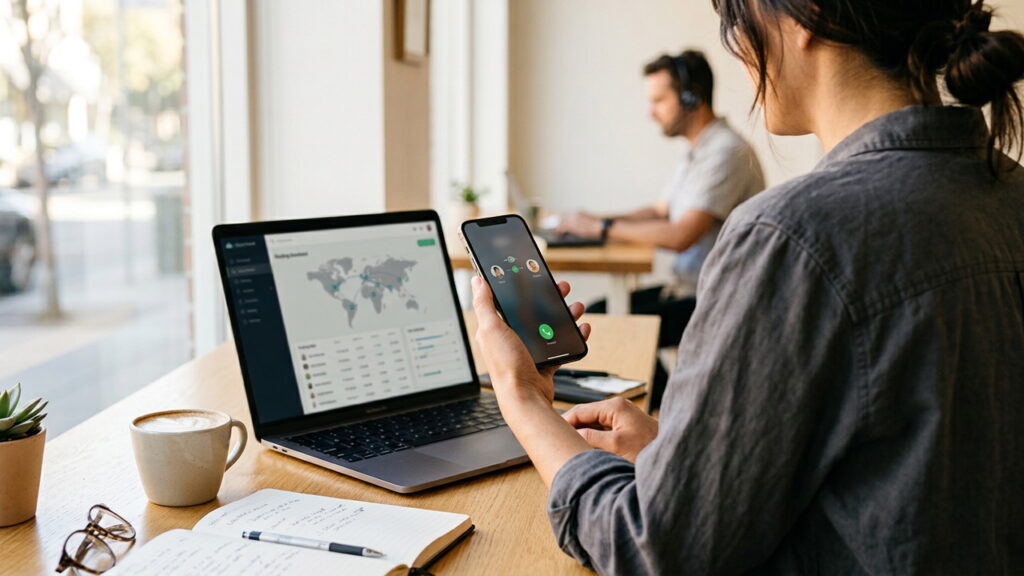
A virtual phone number gives you a phone line that can be managed through a communications service instead of being tied to one physical handset. Depending on the provider, calls may ring in an app, forward to another phone, or reach a team.
People use a virtual phone number to separate work and personal calls, publish a contact line more selectively, or manage calls across locations. The right option depends on your country, required features, privacy expectations, and budget.
Quick Answer
A virtual phone number is a phone number managed through a provider’s calling service. Incoming calls can be routed to an app, forwarded to an existing phone, or directed to a team, depending on the service and its configuration.
Texting, caller ID, emergency calling, number portability, and international access are separate capabilities. Before choosing a virtual phone number, check which features work with the exact plan and number type you want.
Use this checklist before signing up
- Decide whether the number is for personal use, business, or both.
- Check that the provider offers the right number type in your country.
- Confirm calling, texting, caller ID, and device support.
- Review pricing, usage charges, privacy terms, and cancellation rules.
- Check whether you can keep or transfer the number if you change providers.
What a Virtual Phone Number Is
A virtual phone number is assigned or managed through a communications provider rather than being permanently associated with one particular phone or SIM card. It can still connect to ordinary telephone networks, so callers may be able to dial it like any other number.
When someone calls, the provider routes the call according to your settings. It might ring an app on your smartphone, connect to a browser or desk phone, forward to an existing mobile or landline number, or ring several team members.
A virtual phone number does not always mean the same technical setup. Some services use internet calling, often described as Voice over Internet Protocol or VoIP. Others forward calls to a regular phone line, and some combine both methods.
The number itself is separate from the device you answer on. That can make it useful when you want one contact number to reach different devices, or when you need a second line without buying another phone.
How a Virtual Phone Number Works
First, a provider assigns a new number or, where supported, transfers an existing one. You then set up how calls should be handled, such as sending them to an app, forwarding them to a mobile phone, or routing them to a business team.
When a caller dials the virtual phone number, the provider’s network applies your routing settings. Depending on the service, you may be able to set business hours, create a menu, send calls to voicemail, or ring multiple destinations in sequence.
The person receiving the call may answer through an internet connection or through a forwarded phone line. An app-based call typically relies on a suitable data connection, while forwarding to a regular phone can depend on mobile or landline service and may involve additional charges.
Outgoing calls and messages work differently from incoming calls. You may be able to call or text from an app using the virtual phone number as caller ID, but the available functions depend on the provider, destination, account settings, and local rules.
Common Types of Virtual Phone Numbers
The type of virtual phone number affects how it looks, where it is available, and what callers may expect. Number availability and eligibility vary by provider and country, so check the terms before choosing.
| Number type | Often used for | What to check |
|---|---|---|
| Local or geographic | A personal line or a business serving a particular area | Availability, location rules, and local calling charges |
| Toll-free | Customer contact and support lines | Calling charges, coverage area, and plan limits |
| National or non-geographic | A broader contact number not tied to one local area | Where it can be assigned and how callers are charged |
| International | Reaching customers or contacts in another country | Eligibility, call rates, local requirements, and support |
| Vanity or memorable | A number selected for easy recall | Availability, extra cost, and transfer options |
| A local virtual phone number may give callers a familiar area code, but it does not by itself prove that a business operates in that area. Check local requirements and represent your location honestly. | ||
| A toll-free virtual phone number may be useful when a business wants customers to reach it without paying ordinary long-distance charges in a particular market. The rules and costs differ by country and provider, so confirm who pays for calls and which areas are included. | ||
| An international virtual phone number may help a company manage calls from more than one country. Availability, identity checks, residency rules, and call rates vary, so ask the provider what documentation is required and where the number can be used. |
Virtual Phone Number Versus Other Options
A virtual phone number is not identical to a VoIP app. VoIP describes a way of carrying voice calls over an internet connection, while a virtual number describes a number that is managed or routed through a provider. A service may use VoIP, call forwarding, or a combination.
A second SIM or eSIM is another option for adding a line to a compatible mobile device. It may provide carrier-based mobile service, while a virtual phone number may depend on an app or cloud communications account.
Compare coverage, device support, costs, and texting needs before deciding.
A temporary or disposable number is generally intended for short-term use. It can create account-access problems if a service later sends a recovery code to a number you no longer control. A virtual phone number for ongoing use should come with clear terms for renewal, cancellation, and number retention.
Why People Use a Virtual Phone Number
Separating work and personal calls
A separate line can help keep work calls and personal communications apart on one device. You might set different voicemail greetings, choose when work calls ring, or turn off work notifications outside your scheduled hours, depending on the service.
A virtual phone number can also help a small business present a consistent contact line even when calls are answered by different people. Agree on who owns the account and how access is managed if an employee leaves or changes roles.
Managing calls across devices
Some services let one number ring on several approved devices. This can be helpful for someone who moves between a smartphone, computer, and desk phone, or for a team that shares responsibility for incoming calls.
Confirm how the provider handles simultaneous ringing, missed calls, voicemail, and call history. The details matter if more than one person needs to respond and you want to avoid duplicate replies or missed follow-ups.
Publishing a contact number more selectively
A virtual phone number can be used as a separate contact point for a website, listing, marketplace, or professional profile. This can reduce how often you share your everyday number, although it does not make your identity or communications anonymous.
Choose a number you can maintain for as long as your public contact details remain in use. If you stop paying for it or cancel the service, the number may eventually become unavailable to you, subject to the provider’s terms and local rules.
Supporting remote or distributed teams
A business may route a virtual phone number to staff in different locations or to a shared call queue. Features such as menus, schedules, voicemail, and team routing can help organize calls, but they need clear ownership and regular review.
Set expectations for response times, voicemail monitoring, and coverage when team members are away. A routing system can direct calls, but it cannot decide who should respond unless the business has designed and maintained the process.
Handling travel and relocation
A virtual phone number may offer another way to manage calls while travelling or moving, but it does not guarantee low-cost service or reliable access in every country. App calls need a suitable connection, and forwarded calls may incur charges based on the provider’s rates.
Check whether the number can be used from your destination, whether the app is available there, and how account verification works. Keep another reliable way to contact essential people in case the service, data connection, or account is unavailable.
Features to Compare
Start with the functions you actually need. A simple virtual phone number for occasional calls may not require the same features as a customer service line with several agents and set business hours.
Call forwarding can send calls to another line, while simultaneous ringing can alert more than one device or person. Ask whether either feature costs extra and whether the recipient sees the virtual number or the forwarding number.
Voicemail may include an audio inbox, email notifications, transcription, or shared access. Transcription can contain errors, especially with names or noisy recordings, so do not rely on it as the only record of an important message.
Business features may include call menus, queues, extensions, schedules, and call recording. Check whether recording is available and what legal or consent requirements apply where you and your callers are located.
Text and picture messaging support can vary. Some services support ordinary SMS, some include other messaging methods, and some number types cannot receive certain messages. Ask specifically about the messaging features you need rather than assuming they come with every plan.
For a virtual phone number used by a team, check user permissions and account controls. Find out whether administrators can add or remove staff, change routing, review call records, and protect the account with multi-factor authentication.
How to Choose a Provider
First, confirm that the provider offers the right type of virtual phone number for your country and use case. Some numbers may have geographic, business, identity, or address requirements, so check eligibility before paying.
Next, test the calling experience on the devices you expect to use. Ask whether the provider has an app for your operating system, supports browser calling, or can forward calls to an ordinary phone. Check how the service behaves when your internet connection is weak.
Review the privacy and security information. Find out what account details are collected, how call or message records are handled, how long data is retained, and how to contact the provider about a security concern.
Read the contract and support terms before committing. Check whether the virtual phone number has a minimum term, whether fees apply to cancel or port it, how billing works, and whether support is available when the service is not working.
Ask these questions before choosing
- Can I make and receive calls from the devices I use?
- Does the plan support the SMS or messaging functions I need?
- What charges apply to forwarding, international calls, or additional users?
- Can I transfer the number to another provider later?
- What happens to the number if I cancel or miss a payment?
- How does the provider handle account security and customer support?
Understand the Full Cost
The price of a virtual phone number can include more than a monthly subscription. Providers may charge separately for additional numbers, users, call forwarding, international calls, messages, recordings, or advanced business features.
Ask for a written explanation of the charges that apply to your expected use. If you plan to forward calls to a mobile or landline, confirm whether both the virtual service and the receiving line can generate charges.
Check whether a trial or introductory offer changes to a different price later. Review taxes, setup fees, minimum terms, payment timing, cancellation conditions, and any fees for transferring the number.
For business use, estimate the total cost as the team grows. A virtual phone number plan that suits one person may have different pricing or administrative requirements once you add users, call queues, or multiple locations.
Setting Up a Virtual Phone Number
Start by writing down the purpose of the line and the features it needs. Decide whether you want a new number or to transfer one you already use, and check that the provider can support the choice in your location.
Choose the number type, then confirm the provider’s identity or address requirements. Do not assume that every available area code or country code can be selected by every customer.
Once the number is active, configure where calls should go and what happens when you do not answer. Record a clear voicemail greeting, test any call menu, and check that calls reach the correct person or team.
Test incoming and outgoing calls from another phone before sharing the virtual phone number publicly. If texting matters, test both sending and receiving with the types of contacts or services you expect to use.
Update your website, business listings, email signature, or other contact details only after testing the line. Keep a record of the account owner, billing details, recovery options, and support contact in a secure place.
Privacy and Security Considerations
A virtual phone number can help you avoid sharing your everyday number in some situations, but it should not be treated as an anonymous line. A provider may hold account details and service records, and communications may be subject to applicable law and provider policies.
Check the privacy policy and account settings before using a virtual phone number for sensitive calls. Find out who can access call logs, voicemail, recordings, or shared messages, especially if the line is used by a team.
Protect the provider account with a unique password and multi-factor authentication when available. Keep recovery details current, limit administrative access, and remove access promptly when a staff member no longer needs it.
Review caller ID settings before placing calls. Make sure the number displayed to recipients is one you are authorized to use, and do not misrepresent your identity or use a virtual line to deceive, harass, or evade legitimate screening.
Text Verification and Account Recovery
A virtual phone number may support SMS, but that does not mean every text message will arrive. Some services do not support short codes or automated verification messages on certain number types, and individual websites may restrict VoIP numbers.
If a bank, work platform, or other important service relies on text verification, confirm compatibility before making the virtual phone number your only contact method. Keep an alternative recovery method where the service permits it.
For important accounts, consider an authenticator app, passkey, or another security method offered by the account provider. Do not choose a disposable number for account recovery if losing access to it could lock you out later.
Never assume that a text sent to a number proves the person controlling it is the account owner. Number reassignment, account compromise, and provider changes can create risks, so use the strongest recovery options available for each service.
Emergency Calling and Reliability
Emergency calling is not handled identically by all virtual phone number services. Support, location handling, and user responsibilities vary by provider and country, so check the service terms before relying on it for urgent calls.
Some services may require a registered service address or specific app settings. A number’s area code does not necessarily indicate where you are physically located when you place a call.
If you need dependable access to emergency services, maintain an appropriate mobile or landline option and understand how it works in your location. A virtual phone number should not replace a reliable emergency contact method unless the provider clearly confirms its capabilities and limitations.
Reliability also depends on power, network access, device settings, and provider availability. Test the service periodically and keep a backup way to receive important calls if losing access would create a serious problem.
Number Portability and Cancellation
You may be able to transfer an existing number to a virtual phone number service or move a virtual number to another provider. Porting rules, eligible number types, documents, timing, and fees vary by country and provider.
Before starting a transfer, ask the new provider to confirm eligibility and explain the process. Keep the current service active until the transfer is complete, and avoid cancelling the old account early unless the providers instruct you otherwise.
If you plan to cancel, check what happens to your number, voicemail, messages, and call records. A virtual phone number may not remain available after cancellation, and a released number could later be assigned to someone else.
Update accounts that use the number for recovery before ending the service. This includes banking, work, delivery, healthcare, and social accounts where losing access could make verification or account recovery more difficult.
Responsible Use for Businesses
A business should decide who owns and administers each virtual phone number. Use an organization-controlled account where appropriate, document who can change routing, and plan how access will be handed over when roles change.
Follow relevant rules for calls, texts, caller identification, data retention, and call recording. Requirements differ by jurisdiction and use case, so seek qualified guidance when handling regulated communications or sensitive personal information.
Use the number to help people reach the right team, not to disguise who is calling. Respect consent and opt-out requests for marketing messages, and follow the provider’s acceptable-use policies.
Review call routing and voicemail periodically. When staff, opening hours, or services change, update the settings so callers do not reach a former employee or receive outdated instructions.
Common Mistakes to Avoid
Choosing a virtual phone number based only on a low advertised price can lead to unexpected usage or feature charges. Compare the total cost for your expected calls, texts, forwarding, and users.
Assuming that all numbers support SMS or account verification can cause problems when a code does not arrive. Confirm the exact messaging support before relying on the number for important accounts.
Sharing a new virtual phone number widely before testing it is another avoidable mistake. Verify calls, messages, voicemail, caller ID, and account access first, then update public contact details.
Finally, do not treat number separation as complete privacy or anonymity. Use careful account security, limit public exposure, and understand that a provider may retain information under its policies and applicable rules.
FAQ’s
What is a virtual phone number?
It is a number managed through a provider that can route calls to an app, another phone, or a team, depending on the service.
Can I use a virtual phone number on my current smartphone?
Usually, if the provider supports a compatible app or can forward calls to your existing line. Check device and plan requirements first.
Can a virtual phone number receive text messages?
Some can, but SMS support varies by provider and number type. Short-code and verification messages are not guaranteed.
Is a virtual phone number anonymous?
No. It can separate contact details, but the provider may hold account information and service records. Caller ID settings also affect what recipients see.
Can I keep my existing number?
Possibly. Number transfer depends on the provider, country, and number type, so confirm eligibility before starting a port.
Will a virtual phone number work without internet?
App-based calling generally needs an internet connection. Call forwarding may use a regular phone line, but availability and charges depend on the service.
Conclusion
A virtual phone number can provide a separate line for work, travel, or business calls without requiring another handset. Its value depends on the features you need, the provider’s terms, and the reliability of the way calls and messages are routed.
Compare number types, total costs, privacy practices, emergency calling, and transfer rules before choosing. Test the service before sharing the number, and keep another contact or recovery method for situations where reliable access matters.