
Apparel ecommerce suffers from one brutal margin killer: up to 30% to 40% of online clothing orders come back because shoppers cannot tell how a...
Apparel ecommerce suffers from one brutal margin killer: up to 30% to 40% of online clothing orders come back because shoppers cannot tell how a blazer cut, linen drape, or color truly looks on their own body before checking out. Integrating realistic virtual try on clothes tools like Kivisense AI Clothes Changer closes that confidence gap instantly via live AR camera fitting rooms, full-body photo swaps, and retail smart mirrors.
Proven on international runways including Belgian brand MMUUZZ’s smart mirror fitting room showcase at the SS2027 MODE Shanghai Fashion Trade Show, Kivisense combines live camera try-on, full-body photo swaps, one-click Shopify and Amazon ecommerce embeds, in-store AR smart mirrors, and custom developer APIs across clothing, bags, and jewelry. This practical 2026 retail and creator guide compares photo versus live AR fitting experiences and shares eight smart wins to lift conversion and slash apparel returns.
How Modern Virtual Try On Clothes Bridges Digital and Physical Retail
Early virtual dressing widgets pasted stiff, flat 2D garment cutouts awkwardly over frozen avatars, looking cartoonish enough to hurt brand luxury rather than increase checkout trust. Modern AI and AR computer-vision engines solve body geometry, lighting blend, and dynamic cloth motion in real time.
Kivisense demonstrates how versatile virtual try on clothes has become across both consumers and omnichannel fashion brands:
- Live Real-Time Camera AI Clothes Try-On: Shoppers open their phone or laptop camera, select catalog pieces or upload garments, and watch outfits move naturally with every turn and posture shift in real time for a true try-before-you-buy experience.
- Realistic Photo-Based Outfit Swaps: Users upload a clear full-body photo to blend tops, dresses, outerwear, or full ensembles naturally onto their actual silhouette within seconds, ideal for quick mobile browsing without standing in front of a camera.
- One-Click Ecommerce Store Integrations: Fashion retailers embed interactive virtual try on clothes widgets cleanly into Shopify, Amazon, and major storefronts, syncing clothing, bags, and try-on jewelry catalogs seamlessly so shoppers test looks right on product pages.
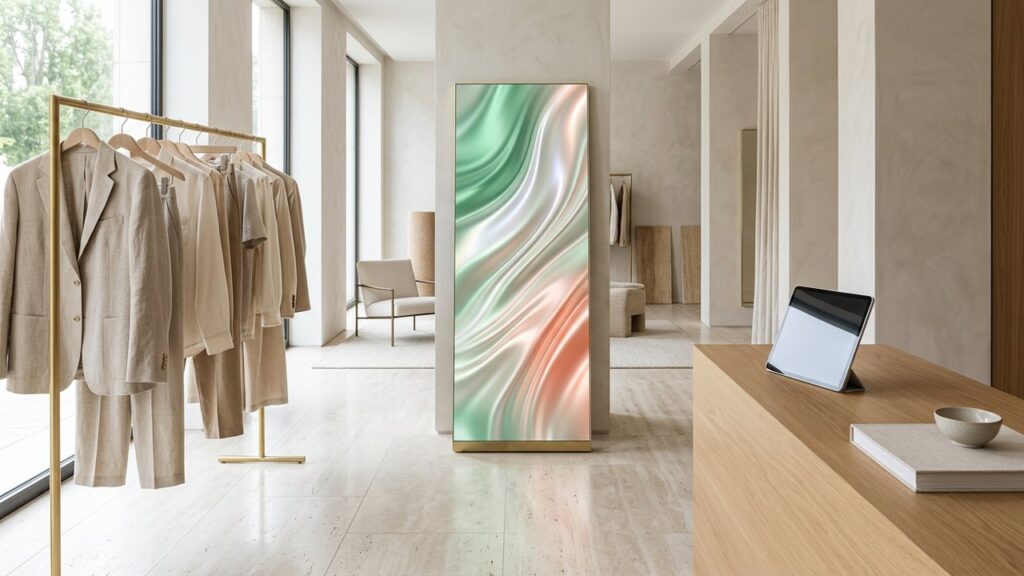
- In-Store AR Smart Mirrors: Physical boutiques and fashion trade shows deploy full-length AI smart mirrors, as MMUUZZ demonstrated at Shanghai Fashion Week, allowing foot-traffic visitors to preview thirty colorways and runway silhouettes in three minutes without wrestling hangers inside cramped fitting stalls.
- Custom API Access for Brand Apps and Designers: Enterprise fashion houses, social commerce apps, live streamers, cosplay fans, and apparel designers integrate Kivisense’s custom virtual try on clothes API directly into mobile apps, live streams, and early prototype validation workflows.
Whether serving an online shopper double-checking a jacket color before buying or an apparel brand seeking higher cart conversion across 5,000 SKUs, frictionless virtual try on clothes transforms hesitation into immediate visual excitement.
Comparing Static Size Charts vs Photo Try-On vs Live AR Virtual Try On Clothes
Seeing how each fitting modality performs across mobile UX, conversion confidence, and physical retail clarifies where brands capture the biggest immediate ROI.
| Fitting Experience | Shopper Effort Required | Visual Fit Realism | Best Commercial Use Case |
|---|---|---|---|
| Static Model Photos & Size Charts | Low, yet high buyer guesswork | Shows model body only, not shopper | Baseline catalog specs (drives high return rates) |
| Photo-Based Virtual Try On Clothes | Upload 1 full-body photo once | High natural fabric & lighting blend | Mobile Shopify PDPs, social commerce & quick outfit previews |
| Live Camera AR Try-On | Open live camera (zero upload wait) | Dynamic real-time movement tracking | High-engagement PDPs, TikTok/live streams & cosplay |
| In-Store AI Smart Mirror (Kivisense) | Step in front of showroom mirror | Full-length luxury omnichannel wow | Flagship retail stores, pop-ups & fashion trade shows |
Because reverse logistics, restocking labor, and damaged return write-offs silently devour apparel net profits, modeling how slashing return rates by 15% to 25% via virtual try on clothes expands bottom-line profit inside our Profit Margin Calculator builds an airtight business case for retail CFOs immediately.
8 Smart Retail and Creator Wins With Virtual Try On Clothes in 2026
Embedding an AI clothes changer carelessly at the bottom of a forgotten FAQ tab generates zero clicks; weaving virtual try on clothes deliberately into product discovery, styling, and pre-production drives measurable sales lift. Apply these eight smart wins.
1. Place the “Try On Live / Upload Photo” Button Directly Above the Fold
Shoppers make sizing and style decisions right next to the primary product gallery and Add to Cart button. Position a sleek, on-brand virtual try on clothes trigger directly on hero product detail pages (PDPs) on Shopify and mobile apps so curious visitors test garments within one tap instead of hunting through dropdown menus.
2. Feed Crisp, Cleanly Lit Garment Catalog Imagery Into Your Try-On Engine
Output realism inside virtual try on clothes depends heavily on clean garment input assets. Upload sharp front-facing flat-lay or ghost-mannequin product shots with clear collarlines, hem edges, and true-to-life color calibration so AI fabric blending renders crisp stitching and accurate textures onto every customer body shape.
3. Cross-Sell Complete Outfits (Apparel Plus Bags and Try-On Jewelry)
Do not stop at swapping one standalone blouse. Taking advantage of multi-category capabilities inside platforms like Kivisense, let shoppers layer complementary jackets, handbags, necklaces, and earrings together inside one virtual try on clothes session, lifting Average Order Value (AOV) naturally as buyers fall in love with complete styled looks.
4. Guide Shoppers on Ideal Photo Lighting for Spot-On Body Previews
Add one friendly micro-tip beside your photo-upload widget (“Stand facing soft natural light against a clean backdrop with arms relaxed”) so shoppers get realistic, flattering virtual try on clothes previews on their very first upload, eliminating distorted results caused by dark mirror selfies or hunched angles.
5. Pair Virtual Try On Clothes With Live-Stream Shopping and Creator Drops
Social commerce live streamers on TikTok Shop, Instagram Live, and YouTube Shopping hold viewer attention twice as long when hosts swap through fifteen seasonal colorways instantly on live camera using real-time virtual try on clothes rather than disappearing behind a curtain for three minutes between every outfit change.
6. Validate Early Apparel Prototypes Before Spending Heavily on Physical Samples
Independent fashion designers and DTC merchandising teams burn thousands of dollars sewing multiple physical sample rounds solely to test silhouette proportions and bold prints. Uploading digital garment mockups into virtual try on clothes software lets design teams preview drape across diverse real body shapes upfront, validating winners weeks earlier and slashing costly physical sampling waste.
7. Turn Pop-Ups and Flagship Stores Into Viral Share Moments With Smart Mirrors
Following the exact playbook showcased by MMUUZZ and Kivisense at Shanghai Fashion Week, installing an AI smart mirror inside retail flagship entrances or pop-up booths solves physical fitting-room queues, displays extended online-only sizes and colorways effortlessly, and sparks organic social video sharing straight from the sales floor.
8. Measure Try-On Conversion Lift, Time-on-Page, and Return Delta by Category
Track analytics cleanly inside Shopify or your custom API dashboard comparing shoppers who interacted with virtual try on clothes versus non-users across three hard commercial KPIs: add-to-cart rate, checkout conversion rate, and 30-day size/style return rate across dresses, outerwear, tops, and knitwear.
Use-Case Implementation Matrix for Virtual Try On Clothes
Match your exact retail, creator, or studio role directly to the optimal deployment mode inside Kivisense’s virtual try on clothes ecosystem.
| User Segment | Best Try-On Deployment Mode | Key Technical Integration | Primary Measurable Benefit |
|---|---|---|---|
| DTC Apparel Brands (Shopify / Amazon) | Photo + Live Camera PDP Widget | One-click Ecommerce Integration | Higher PDP conversion & lower fit/style returns |
| Flagship Retail & Trade Show Brands | Full-Length AI Smart Mirror | In-Store Smart Mirror Hardware + Catalog Sync | Zero fitting-room queues & viral booth engagement |
| Fashion Apps & Marketplaces | Embedded Native Try-On Flow | Kivisense Custom API | Deep brand UX control & higher repeat retention |
| Live Streamers, Cosplayers & Designers | Browser Live Camera & Photo Swap | Zero-install web experience | Instant live outfit switches & fast sample validation |
Protecting Shopper Privacy and Brand Trust With Virtual Try On Clothes
Uploading a full-body photo or activating a phone camera feels personal, so transparent privacy assurance directly increases widget click-through rates across cautious shoppers.
1. State Clear Privacy and Zero-Misuse Policies Right Beside the Upload Trigger
Reassure customers in one calm sentence that uploaded try-on photos are processed strictly to generate their live fitting preview and never shared publicly or sold to third-party ad brokers. Clear consent language lifts first-time photo upload rates immediately.
2. Start With High-Return Hero Categories First
Rather than migrating 10,000 archival accessories overnight, launch virtual try on clothes first across your top 50 bestselling dresses, blazers, knitwear, and statement jackets, the exact high-AOV, high-return categories where instant visual confidence pays back integration investment fastest.
3. Combine Visual Try-On With Accurate Garment Fit Notes
Visual preview shows drape, cut, neckline, and color harmony brilliantly, while pairing your virtual try on clothes widget right beside a crisp one-line fit note (“True to size; relaxed tailored shoulder; model wears Medium”) answers tactile sizing comfort completely and maximizes happy keep rates.
Rolling Out Virtual Try On Clothes Across Ecommerce Storefronts and Physical Showrooms
Moving virtual try on clothes from an exciting innovation demo into a reliable conversion engine takes practical merchandising execution across product photography, mobile page speed, and store-floor staff training. Brands that treat virtual try on clothes as a core shopping utility rather than a hidden gimmick capture the sharpest drop in costly bracketing returns.
Step-by-Step Launch Checklist for Apparel Retailers Adopting Virtual Try On Clothes
Whether deploying Kivisense’s one-click Shopify and Amazon integrations or embedding their Custom API into a bespoke brand mobile app, follow this crisp four-week rollout plan.
- Week 1: Audit and Prep Top 50 Hero SKUs: Select your highest-traffic, highest-return dresses, outerwear, tailoring, and seasonal knitwear first. Supply crisp, cleanly lit front-facing garment catalog photos so virtual try on clothes rendering preserves accurate fabric sheen, sleeve proportions, and neckline symmetry.
- Week 2: Optimize Mobile PDP Placement and Load Performance: Position a clear, unmistakable virtual try on clothes trigger directly beside the primary product image gallery while lazy-loading heavy try-on scripts cleanly so Core Web Vitals page speed stays snappy for every visitor.
- Week 3: Pair Cross-Category Styling Bundles: Enable complementary try-on bags, necklaces, bracelets, and outerwear pairings inside your virtual try on clothes widget so shoppers style complete looks right in one session and naturally add second items to cart.
- Week 4: Benchmark Cohort Conversion and 30-Day Return Rates: Tag checkout orders inside GA4 and Shopify analytics cleanly to measure exact conversion lift, Average Order Value gain, and return-rate reduction among shoppers who engaged with virtual try on clothes versus standard gallery browsers.
Maximizing In-Store Foot Traffic With Smart Mirror Virtual Try On Clothes
Brick-and-mortar boutiques, department-store corners, and fashion trade-show booths face fierce competition for shopper attention. Full-length AI smart mirrors, like Kivisense’s showcase alongside Belgian label MMUUZZ at Shanghai Fashion Week, turn passive window browsers into delighted interactive buyers.
1. Endless Aisle Access Without Cramped Stockrooms
Small urban flagship stores rarely hold every size and seasonal colorway physically on floor racks. Connecting an in-store virtual try on clothes smart mirror straight to your digital warehouse catalog lets shoppers preview sold-out colors instantly and ship directly to their doorstep via QR checkout.
2. Zero Fitting-Room Queues During Weekend Rush Hours
Busy Saturday shoppers routinely abandon carts when physical fitting-room lines stretch twenty minutes long. Allowing customers to narrow ten potential jackets down to their two absolute favorites in ninety seconds using smart-mirror virtual try on clothes doubles showroom throughput effortlessly.
3. Organic Social Video Amplification Straight From the Showroom
Friends shopping together naturally film playful outfit swaps in front of interactive virtual try on clothes mirrors, sharing branded short-form clips across Instagram Stories and TikTok while introducing your collection to thousands of local prospects at zero paid media cost.
Creative Campaigns and Social Commerce Strategies Powered by Virtual Try On Clothes
Forward-thinking apparel marketers recognize that virtual try on clothes is far more than a silent utility tucked inside checkout flows, it is also a magnetic top-of-funnel acquisition hook that lowers paid social CPA dramatically. Shoppers scrolling past thousands of identical studio lookbooks stop immediately when an interactive ad invites them to test a bold trench coat or festival jacket on themselves in five seconds using virtual try on clothes.
High-converting fashion brands weave virtual try on clothes seamlessly across four high-leverage growth touchpoints:
- Interactive Paid Social Landing Experiences: Route Instagram Reels, TikTok, and Pinterest ads for hero seasonal drops straight onto mobile pages highlighting instant virtual try on clothes above the fold, turning passive scrollers into active brand participants within seconds.
- VIP Early-Access Email & SMS Lookbooks: Reward loyal subscribers before public launches by linking private collection previews straight into photo and live-camera virtual try on clothes sessions so top buyers curate wishlists ahead of drop day.
- Creator, Cosplay, and Live-Stream Co-Marketing: Partner with style creators and live-stream hosts who showcase ten distinct silhouette pairings dynamically on screen via real-time virtual try on clothes, answering live viewer fit questions instantaneously without stepping off camera.
- Pre-Order Demand Validation for Limited Capsule Drops: Let community members preview digital capsule prototypes through virtual try on clothes and vote on winning colorways prior to bulk factory cutting, cutting unsold deadstock inventory while guaranteeing sellout launches.
Pairing high-realism AI garment rendering from platforms like Kivisense with clear mobile UX, honest fit notes, and multi-category bag and jewelry styling turns virtual try on clothes into a lasting competitive moat for both agile DTC founders and iconic omnichannel fashion houses in 2026.
Designing Inclusive Fit Previews Across Diverse Body Types
One of the strongest trust drivers behind modern virtual try on clothes is radical inclusivity: shoppers across petite, tall, athletic, and plus-size silhouettes finally see how structured tailoring, wrap dresses, and cropped outerwear genuinely sit on their own authentic body rather than guessing from a single studio model size. Highlighting body-positive representation in your onboarding micro-copy encourages hesitant first-time shoppers to test virtual try on clothes comfortably.
Periodically review anonymized session metrics across sizes and garment categories to identify styles where shoppers try an item via virtual try on clothes repeatedly yet hesitate before checkout, often signaling an easy opportunity to clarify fabric stretch, lining weight, or garment length measurements right alongside the try-on viewer. Combining honest garment specs with realistic Kivisense virtual try on clothes builds loyal repeat shoppers who buy boldly and return dramatically less.
FAQ’s
How does virtual try on clothes work online?
Modern virtual try on clothes tools like Kivisense AI Clothes Changer let you either activate your live camera for real-time AR garment tracking that moves with your body or upload a full-body photo to blend selected outfits naturally onto your silhouette in seconds.
Can online clothing stores embed virtual try on clothes on Shopify and Amazon?
Yes. Platforms such as Kivisense offer streamlined ecommerce integrations for Shopify, Amazon, and major online store channels, allowing brands to sync clothes, bags, and try-on jewelry catalogs cleanly into interactive product pages.
Does virtual try on clothes actually reduce fashion ecommerce returns?
Yes. Because style disappointment, unexpected color clash, and silhouette mismatch drive a large share of apparel returns, letting shoppers preview garments realistically on their own body before buying builds honest confidence and lowers avoidable return rates while boosting checkout conversion.
What is an AI Smart Mirror for retail fashion stores?
An AI Smart Mirror, such as the Kivisense-powered fitting mirror showcased by MMUUZZ at the SS2027 MODE Shanghai Fashion Trade Show, turns a physical showroom mirror into an interactive virtual fitting room where shoppers try on multiple runway looks and sizes instantaneously without changing physically.
Can developers build virtual try on clothes into custom fashion apps?
Yes. Kivisense provides Custom API access so fashion brands, multi-brand marketplaces, and mobile app teams can embed real-time AR and photo-based virtual try on clothes directly inside proprietary websites and apps.
Who else benefits from virtual try on clothes beyond retail stores?
Everyday online shoppers testing fits before buying, live streamers swapping looks dynamically on camera, cosplay and anime fans previewing costumes without sewing or renting, and fashion designers validating early prototypes across real body shapes all gain huge speed and creative freedom.
Conclusion
Online fashion retail no longer has to accept sky-high return rates and tentative shoppers guessing how garments look off the runway model. Powered by real-time AR camera tracking, realistic full-body photo outfit swaps, one-click Shopify and Amazon integrations, flagship AI Smart Mirrors, and Custom APIs from innovators like Kivisense, virtual try on clothes brings genuine fitting-room confidence straight into every shopper’s hand.
Place clear try-on triggers right above the fold on high-return hero garments, supply sharp garment imagery, cross-sell styled outfits across clothing, bags, and jewelry, and let virtual try on clothes convert browsing curiosity into higher sales and lower returns throughout 2026.