
Live music has accompanied weddings for centuries, but the way couples experience it has continually changed. Today, wedding bands london audiences encounter can range from intimate acoustic...
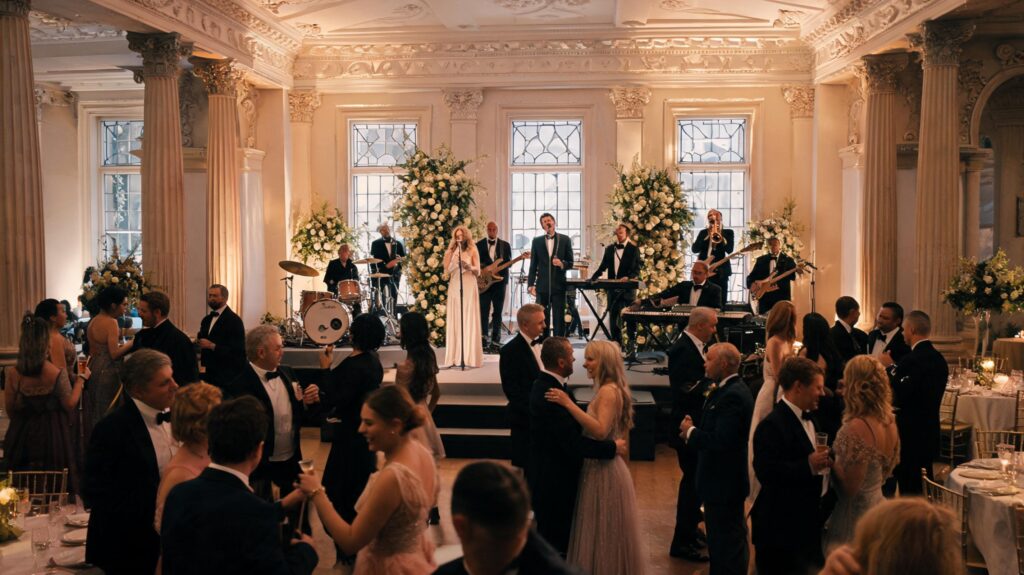
Live music has accompanied weddings for centuries, but the way couples experience it has continually changed. Today, wedding bands london audiences encounter can range from intimate acoustic ensembles and jazz groups to high energy party bands, roaming musicians, and acts combining live instruments with electronic production. This variety reflects a broader evolution in wedding entertainment, where established ceremonial traditions increasingly coexist with contemporary music, personalization, technology, and culturally diverse celebrations.
In London particularly, weddings can take place in settings ranging from historic hotels and country houses on the city’s outskirts to restaurants, warehouses, private venues, and contemporary event spaces. Different environments encourage different approaches to live performance.
Understanding how wedding music reached its current form can help couples make entertainment choices that feel personal rather than simply fashionable. It also shows why live performance continues to retain a distinctive role even as recorded music and digital technology have transformed events.
Wedding Bands London and the Long Tradition of Live Wedding Music
Music has long played a role in marriage ceremonies and celebrations across many societies, although traditions differ significantly by culture, religion, region, and historical period.
Before recorded music became widely available, live musicians were the practical means of providing musical accompaniment for ceremonies and dancing. Depending on the setting and period, performances could involve singers, string instruments, organs, folk musicians, ensembles, or community participation.
The modern wedding band belongs to this much longer history of musicians supporting communal celebration.
What has changed is the range of music now available. Contemporary performers can draw from decades of recorded popular music alongside jazz, soul, rock, folk, disco, funk, electronic music, and culturally specific traditions.
How Wedding Bands London Developed Alongside Popular Music
The twentieth century fundamentally changed music consumption and performance.
Recorded music, radio, cinema, amplification, and later television exposed audiences to rapidly developing popular styles. Jazz, swing, rock and roll, soul, rhythm and blues, disco, pop, and rock each influenced expectations about dancing and live entertainment.
Wedding performers responded by adding recognizable popular songs to their repertoires.
Rather than serving only a ceremonial purpose, bands increasingly became central to evening entertainment. The ability to reproduce familiar songs in an energetic live setting made wedding receptions resemble personalized concerts or dance events.
Why Wedding Bands London Still Reflect Musical Tradition
Modern repertoires may be contemporary, but several older functions of wedding music remain recognizable.
Music can signal important moments, accompany entrances, support ceremonial elements, encourage dancing, and create a shared experience among guests.
Many weddings also continue to incorporate traditional or culturally significant songs alongside contemporary material.
Evolution therefore does not necessarily mean replacing tradition. In many celebrations, it means allowing different eras and musical identities to coexist.
7 Wedding Bands London Trends Shaping Modern Celebrations
Current wedding entertainment is increasingly flexible. Rather than following one fixed formula, couples can choose performance styles suited to their venue, guest list, musical preferences, and schedule.
1. Wedding Bands London Are Moving Beyond Fixed Setlists
Traditional function bands often maintain extensive repertoires spanning multiple decades and genres. That remains useful for mixed age wedding audiences, but personalization is becoming increasingly important.
Couples may provide favorite songs, preferred genres, and music they would rather avoid.
Professional bands can then use those preferences when constructing sets while considering tempo, musical flow, and audience response.
This does not mean every request can necessarily be performed. Songs may require particular instrumentation, arrangements, rehearsal time, or vocal ranges.
Discuss requests early and ask whether custom arrangements involve additional fees.
2. Wedding Bands London Combine Classic and Contemporary Music
A single wedding audience can include several generations with very different musical reference points.
For that reason, many live bands move between musical decades rather than performing exclusively current chart material.
A set might incorporate soul, Motown, rock, funk, disco, pop, indie, and recent hits. The precise combination depends on the band’s identity and the couple’s preferences.
Musicians may also reinterpret contemporary songs through older styles or present classic songs with more modern production.
This cross generational approach can help create an evening that feels personal without limiting entertainment to one age group.
3. Wedding Bands London Use Hybrid Live and Electronic Performances
Technology has expanded what small ensembles can produce on stage.
Some acts combine singers and instrumentalists with programmed elements, backing tracks, electronic percussion, or DJ style production. Others pair a DJ with musicians such as saxophonists, percussionists, vocalists, or string players.
The result can combine the continuity of recorded dance music with the visual and interactive qualities of live performance.
Hybrid setups can also provide musical textures that would otherwise require a much larger ensemble.
Couples should ask which elements are genuinely performed live and which are prerecorded if that distinction matters to them.
4. Wedding Bands London Offer Roaming and Interactive Performances
Not every band needs to remain on a conventional stage.
Roaming acoustic musicians can move among guests during drinks receptions, dinners, or selected parts of an evening celebration. Wireless technology also allows some amplified performers greater mobility where the venue and technical setup support it.
This format can reduce the separation between performer and audience.
It is particularly suited to couples who want entertainment to feel participatory rather than presented exclusively from one end of a room.
However, roaming performance still requires careful planning around volume, guest movement, catering, and venue rules.
5. Wedding Bands London Support Multicultural Celebrations
London is culturally diverse, and many weddings bring together families with distinct musical traditions.
Live entertainment can reflect those identities through repertoire, instrumentation, specialist performers, or multiple acts during different parts of the celebration.
One event might move between traditional ceremonial music, contemporary Western pop, and culturally specific dance music.
The goal should not be superficial novelty. When cultural music has personal or religious significance, couples should work with performers who understand the relevant style and context.
Authentic knowledge and respectful collaboration matter.
6. Wedding Bands London Adapt to Smaller and More Flexible Weddings
Large stage based bands remain popular, but smaller weddings have created demand for flexible lineups.
Duos, trios, acoustic groups, jazz ensembles, and reduced band formations can suit intimate venues where space or volume is limited.
Some entertainment companies offer scalable lineups, allowing couples to choose instrumentation according to budget and venue requirements.
A smaller group is not inherently less effective.
For ceremonies, drinks receptions, and intimate dinners, restrained instrumentation can sometimes suit the environment better than a full amplified band.
7. Wedding Bands London Create More Immersive Evening Experiences
Modern wedding entertainment increasingly considers the entire atmosphere rather than music in isolation.
Lighting, staging, transitions, audience interaction, special song arrangements, and collaboration with DJs can make a performance feel more cohesive.
Some couples want a concert inspired experience. Others prioritize a packed dance floor, while some prefer sophisticated background music that becomes more energetic later.
Defining the desired experience before booking is therefore more useful than simply asking for the “best” band.
The right performance format depends on what the couple wants guests to feel and do.
Wedding Bands London and the Shift From Formality to Personalization
Many modern weddings are less constrained by a single prescribed entertainment structure.
Traditional elements such as ceremonial music and a first dance remain meaningful for many couples, but participation is increasingly optional and individualized.
A couple may replace a conventional first dance with a shared performance, choose an unexpected song, or omit the moment entirely.
Live musicians can respond to this flexibility because arrangements can be tailored to significant parts of the day.
Wedding Bands London Make First Dances More Personal
A live first dance can sound different from the commercially recorded version a couple already knows.
A band might alter tempo, instrumentation, song length, or arrangement to suit the moment, provided this has been agreed in advance.
Some couples request an acoustic interpretation before the full band joins. Others want a faithful live rendition.
If choreography has been planned to a particular recording, discuss this with the musicians carefully. Differences in tempo or structure could affect rehearsed movements.
A suitable arrangement should support the couple rather than introduce an unexpected complication.
Wedding Bands London Can Personalize Key Musical Moments
Beyond the first dance, live performers may accompany entrances, ceremony exits, drinks receptions, dinner transitions, or the final song of the evening.
Each moment requires different energy.
An acoustic song that works beautifully during a ceremony may not be suitable for a late evening dance set. Experienced performers typically structure repertoire around the role music is performing at each stage.
Ask how the band approaches those transitions when comparing entertainment options.
How Technology Changed Wedding Bands London Performances
Amplification has been part of popular live music for generations, but modern digital equipment has made wedding setups increasingly sophisticated and portable.
Digital mixing desks, wireless systems, in ear monitoring, compact speakers, electronic instruments, and performance software can provide bands with more control over sound.
Technology can also make communication and planning easier before an event.
Wedding Bands London and Modern Sound Production
Sound quality depends on more than the musicians.
Room size, acoustics, audience capacity, venue restrictions, speaker placement, instrumentation, and sound engineering all affect what guests hear.
Some bands provide their own public address system and engineer, while others require equipment through a production supplier or venue.
Couples should establish what is included in the booking price.
Never assume that a venue having speakers means those speakers are suitable or available for a live band.
Wedding Bands London and Venue Sound Limiters
Some London venues use sound limiting systems or impose strict volume requirements because of licensing conditions, neighboring properties, or internal policies.
This information can materially affect band selection.
A large amplified act may need to modify its setup, use electronic drums, or reconsider instrumentation in a highly restricted venue.
Before signing a contract, ask the venue about decibel limits, sound limiters, curfews, and approved equipment. Then share those requirements with prospective performers.
A professional band should be able to explain whether its normal setup is compatible.
Wedding Bands London for Ceremonies and Drinks Receptions
Live music does not need to begin with the evening party.
Ceremonies can feature string ensembles, pianists, singers, guitarists, harpists, or other appropriate performers depending on the setting and ceremony requirements.
Drinks receptions typically call for a different atmosphere.
Jazz, acoustic pop, soul arrangements, strings, or roaming musicians can provide entertainment while still allowing guests to converse.
Wedding Bands London Can Scale Throughout the Wedding Day
One increasingly practical approach is to book musicians who can perform in several configurations.
For example, individual members of an evening band might provide an acoustic duo during the afternoon before assembling as the complete group later.
This can create musical continuity and potentially simplify supplier coordination.
It should not automatically be assumed to reduce costs, however. Additional performance periods involve musicians’ time, equipment, preparation, and logistics.
Request a detailed quotation showing exactly what each package includes.
Wedding Bands London Versus DJs
Live musicians and DJs offer different experiences, and neither is inherently superior.
A DJ can access an enormous recorded catalogue and maintain continuous transitions between tracks. A band offers live interpretation, visible performance, spontaneity, and direct interaction between musicians and guests.
Many weddings use both.
Wedding Bands London and DJs Can Work Together
A common format is to alternate live sets with DJ music.
Recorded music can cover band breaks and continue after the final live set, helping maintain continuity across the evening.
Hybrid DJ and musician formats take integration further by having instrumentalists perform alongside mixed tracks.
When booking separate suppliers, clarify responsibilities for equipment, microphones, mixing, performance space, and scheduling.
Technical compatibility should be agreed before the wedding rather than discovered during setup.
Choosing Wedding Bands London for Different Venues
London wedding venues differ dramatically in architecture and operating requirements.
Historic properties may impose load in restrictions or sound limits. Hotels can have established supplier procedures. Warehouses may offer flexibility but require additional production. Restaurants and intimate venues can have limited performance space.
Venue suitability should be investigated before finalizing a band.
Wedding Bands London Space and Stage Requirements
Ask prospective bands how much floor space they require.
A multi member ensemble needs room not just for people but for instruments, microphone stands, amplifiers, speakers, monitors, lighting, and safe cable management.
Some performers require a raised stage while others can perform at floor level.
The venue should confirm where entertainment can be positioned without obstructing fire exits, catering operations, or guest circulation.
Wedding Bands London Power and Setup Requirements
Professional musicians may have specific electrical requirements.
Never improvise power distribution or assume ordinary sockets will necessarily meet a production’s needs. The band, venue, and technical supplier should coordinate safe equipment provision.
Setup and soundcheck times also matter.
If the performance space is the same room used for dinner, there may be restrictions on when equipment can be brought in and tested. Discuss logistics before agreeing to the event timeline.
Wedding Bands London Venue Questions to Ask Early
Before booking, establish the venue’s entertainment rules.
Important questions include permitted performance hours, sound restrictions, access times, parking or loading arrangements, stage dimensions, available power, equipment policies, and whether required insurance or documentation must be supplied.
For outdoor performances, ask about weather contingencies and electrical safety.
A written plan reduces the likelihood of avoidable surprises.
How Wedding Bands London Build a Successful Setlist
A wedding setlist has a different purpose from a band’s original music concert.
The performers are serving an event involving guests with varied tastes, and the energy of the room may change throughout the night.
Experienced acts can adapt song order based on audience response while still respecting the couple’s preferences.
Wedding Bands London Balance Requests With Dance Floor Energy
Couples often provide essential songs and a “do not play” list.
Both can be useful, but specifying every song in exact order may reduce a band’s ability to respond to the dance floor unless that degree of control has been agreed in advance.
Ask how requests are handled.
A band might learn a limited number of new songs as part of its package or charge for additional arrangements and rehearsals.
Confirm these details before paying a deposit.
Wedding Bands London and the Return of Classic Music Styles
Wedding entertainment trends frequently revisit earlier musical eras.
Soul, disco, funk, swing, Motown influenced repertoire, rock classics, and acoustic folk styles continue to appear because familiar songs can connect guests across generations.
Contemporary arrangements can make older material feel fresh without erasing its original character.
Wedding Bands London Mix Nostalgia With Current Hits
Nostalgia is highly personal.
Music that feels nostalgic to one generation may be entirely new to another. A varied set can acknowledge those differences while maintaining a coherent performance identity.
Current popular songs can sit alongside older dance floor favorites when arrangements and sequencing create natural transitions.
Rather than judging a band’s repertoire solely by its longest song list, watch live performance footage where available. The way musicians interpret material can matter as much as the titles themselves.
Booking Wedding Bands London Professionally and Safely
Live entertainment represents a significant part of some wedding budgets, so contractual details deserve attention.
A written agreement should identify performance times, lineup, payment schedule, cancellation conditions, equipment, breaks, location, and other agreed services.
Check what happens if a musician becomes unavailable due to illness or another emergency.
Established bands or agencies may have substitution policies, but these vary.
Wedding Bands London Pricing and What Influences Cost
There is no standard London wedding band price.
Cost can depend on the number of performers, performance duration, date, travel, production equipment, special requests, early setup, accommodation, agency involvement, and demand.
A larger band is generally likely to involve higher personnel costs than a small ensemble, but package structures vary.
Compare inclusions rather than headline prices alone.
Ask whether tax, travel, sound equipment, lighting, DJ music between sets, additional songs, and overtime are included.
Wedding Bands London Contracts and Insurance
Read booking conditions before paying a deposit.
Some venues require performers to carry public liability insurance or provide electrical safety documentation for equipment. Exact requirements vary by venue.
If using an entertainment agency, understand whether your contractual relationship is with the agency, musicians, or both.
Keep written records of agreed changes to timings, repertoire, lineup, or production requirements.
Wedding Bands London Trends Versus Timeless Choices
Wedding trends can provide inspiration, but they should not become rules.
Roaming musicians, hybrid DJ performances, unusual instrumentation, and immersive production can all create memorable events when they suit the couple and venue.
A straightforward live band playing excellent music can be equally effective.
The enduring element is not a particular trend. It is the shared experience created when music connects a room.
Wedding Bands London Should Reflect the Couple
Consider the music you genuinely enjoy rather than choosing only what appears fashionable on social media.
Think about your guests as well, but avoid trying to satisfy every individual preference. A broad repertoire combined with a clear personal identity can strike a useful balance.
When comparing acts, evaluate musicianship, communication, professionalism, repertoire, live footage, logistical compatibility, and contractual clarity.
The best match is an act capable of translating your musical preferences into a performance that works in the real conditions of your wedding.
Frequently Asked Questions
What types of wedding bands London couples can book?
Options include pop and rock bands, soul and funk acts, jazz ensembles, acoustic groups, roaming musicians, culturally specific performers, and hybrid DJ live acts.
How early should I book wedding bands London?
Popular acts and peak dates can book well in advance. Once your date and venue are confirmed, contacting preferred bands early provides greater availability and planning time.
Can wedding bands London learn a first dance song?
Many can, depending on the song and package. Ask about custom arrangements, rehearsal requirements, additional costs, and whether the version will match any planned choreography.
Do wedding bands London provide their own sound equipment?
Many professional bands provide sound equipment, but this varies. Confirm PA, microphones, lighting, engineering, setup requirements, and venue compatibility before booking.
Can wedding bands London perform alongside a DJ?
Yes. Bands and DJs can alternate throughout an evening, while hybrid acts may combine DJs with singers, saxophonists, percussionists, or other live musicians.
What should I check before booking wedding bands London?
Check live performance quality, repertoire, lineup, pricing, contract terms, insurance where required, sound restrictions, setup needs, timing, and contingency arrangements.
Conclusion
Wedding bands London have evolved alongside changing musical tastes, technology, wedding traditions, and increasingly personalized celebrations. Today’s couples can move seamlessly between acoustic performances, classic live bands, culturally meaningful music, DJs, and modern hybrid entertainment. Trends will continue to change, but careful attention to musicianship, venue requirements, guest experience, and personal taste remains essential. The most successful live wedding music ultimately feels connected to the people celebrating rather than chosen simply because it is currently fashionable.