
A well-planned residential community integrates thoughtful urban design, sustainable infrastructure, and resident-focused amenities to create environments that enhance quality of life, property values, and long-term...
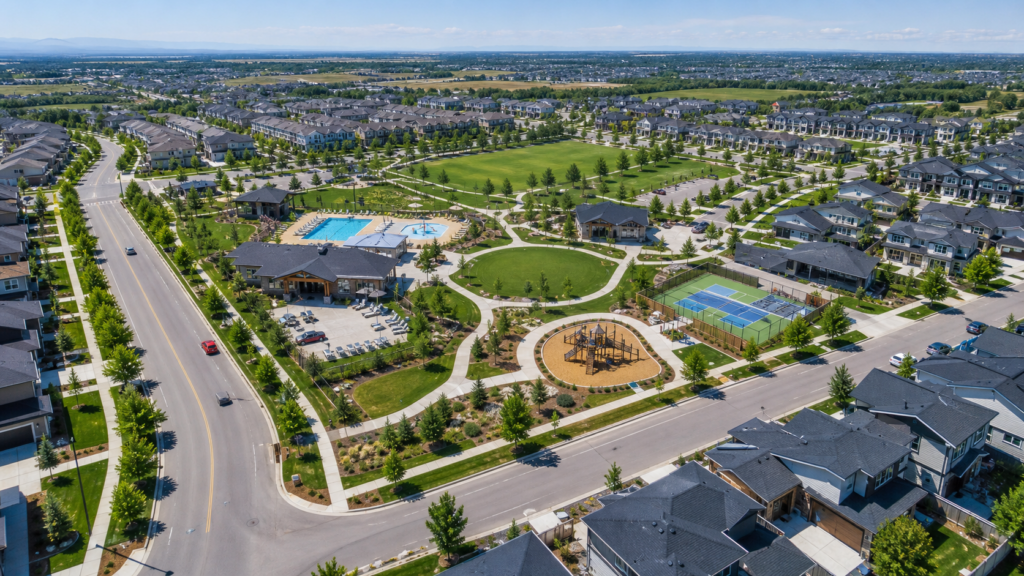
A well-planned residential community integrates thoughtful urban design, sustainable infrastructure, and resident-focused amenities to create environments that enhance quality of life, property values, and long-term livability. These developments prioritize efficient land use, green spaces, and convenient access to services, distinguishing them from unplanned neighborhoods. This guide examines essential characteristics, measurable advantages, and practical considerations based on established urban planning principles.
Core Characteristics of a Well-Planned Residential Community
Effective developments begin with comprehensive master planning that coordinates residential, recreational, and commercial zones. Planners incorporate pedestrian-friendly layouts, dedicated cycling paths, and integrated public transit connections to reduce vehicle dependency. Sustainable drainage systems, energy-efficient utilities, and preserved natural areas form foundational elements that support environmental responsibility while delivering practical resident benefits.
Key Benefits of Living in a Well-Planned Residential Community
Residents consistently experience improved daily convenience and financial returns. Property appreciation rates in these communities often exceed regional averages due to desirable design and maintained common areas. Social interaction increases through shared parks, clubhouses, and organized events that foster neighborhood cohesion without sacrificing privacy.
Health outcomes benefit from accessible walking trails, fitness facilities, and reduced pollution levels associated with smart traffic management. Families particularly value proximity to quality schools, playgrounds, and safe outdoor spaces that encourage active lifestyles.
Essential Design Elements in Modern Developments
Successful projects balance density with openness through strategic placement of green corridors and community focal points. Mixed-use zones allow residents to walk to essential services, minimizing commute times and supporting local businesses. Advanced infrastructure includes high-speed internet readiness, smart utility monitoring, and resilient construction standards that withstand environmental challenges.
Sustainable Features That Define Quality
Leading communities incorporate solar-ready rooftops, rainwater harvesting, and native landscaping that lowers maintenance costs and conserves resources. These practices align with current environmental standards while providing residents with lower utility bills and healthier living conditions.
Safety and Security Considerations
Well-designed lighting, controlled access points, and integrated emergency response planning contribute to lower crime rates compared to unplanned areas. Many developments partner with local authorities to ensure rapid response capabilities and ongoing safety evaluations.
How to Evaluate and Select a Well-Planned Residential Community
Prospective residents should assess developer track records, review detailed master plans, and examine homeowner association governance structures. Visit multiple times to observe traffic flow, noise levels, and actual use of advertised amenities. Analyze long-term maintenance funding mechanisms to confirm the community can sustain its standards over decades.
Consider future growth projections including planned expansions, nearby commercial development, and infrastructure improvements that could influence desirability. Engage local real estate professionals familiar with the specific area for objective insights into resale trends and community performance.
The table below compares important selection criteria:
| Feature | Priority Level | Impact on Livability | Long-Term Value Contribution |
|---|---|---|---|
| Green Space Allocation | High | High | Strong |
| Infrastructure Quality | High | Very High | Very Strong |
| Amenity Variety | Medium | High | Moderate |
| Governance Structure | High | Medium | Strong |
| Walkability and Connectivity | High | Very High | Strong |
Common Challenges and Practical Solutions
Even well-designed communities can face issues such as evolving resident needs or maintenance funding shortfalls. Proactive homeowner associations address these through regular surveys and transparent budgeting processes. Early identification of potential infrastructure strain allows timely upgrades before problems affect daily living.
Buyers should review covenants and restrictions carefully to ensure alignment with personal preferences regarding property modifications and community rules. Understanding these guidelines prevents future conflicts while preserving the cohesive appearance that supports property values.
Current Trends Shaping Well-Planned Residential Community Development
Contemporary projects increasingly emphasize wellness-oriented design with dedicated spaces for mental health, fitness, and intergenerational activities. Technology integration now includes smart home compatibility and community mobile applications for service requests and event coordination. Developers focused on resilience incorporate climate adaptation measures that protect investments against future environmental risks.
These trends reflect growing demand for communities that deliver both immediate lifestyle advantages and sustained economic benefits.
Frequently Asked Questions
What defines a well-planned residential community?
A well-planned residential community features integrated design, sustainable infrastructure, ample green spaces, and convenient amenities that enhance resident quality of life and property values.
Do homes in a well-planned residential community appreciate faster?
Properties in these communities generally show stronger appreciation due to desirable layouts, maintained amenities, and planned growth that attracts consistent buyer demand.
Are well-planned residential communities more expensive?
Initial purchase prices may be higher but are often offset by lower utility costs, reduced maintenance burdens, and stronger long-term resale performance.
How important are amenities in a well-planned residential community?
Amenities significantly influence daily convenience and community satisfaction, with popular options including parks, pools, fitness centers, and walking trails.
What should I look for when choosing a well-planned residential community?
Evaluate the master plan, developer reputation, financial health of the association, infrastructure quality, and alignment with your lifestyle and family needs.
Can a well-planned residential community support remote workers?
Yes. Many now include high-speed connectivity, co-working spaces, and quiet zones that accommodate modern work patterns while maintaining residential character.
Conclusion
A well-planned residential community provides a foundation for enhanced living through intelligent design, sustainable practices, and resident-centered features that deliver both immediate comfort and lasting value. By carefully evaluating key elements such as infrastructure, amenities, and governance, homebuyers can secure properties that support healthier lifestyles and stronger financial returns. As urban development continues to evolve, these thoughtfully designed neighborhoods represent a wise choice for families, professionals, and investors seeking balanced, future-ready living environments.