
Renovating an entire house is a major investment that requires careful planning, realistic expectations, and a clear understanding of every stage involved. A successful project...
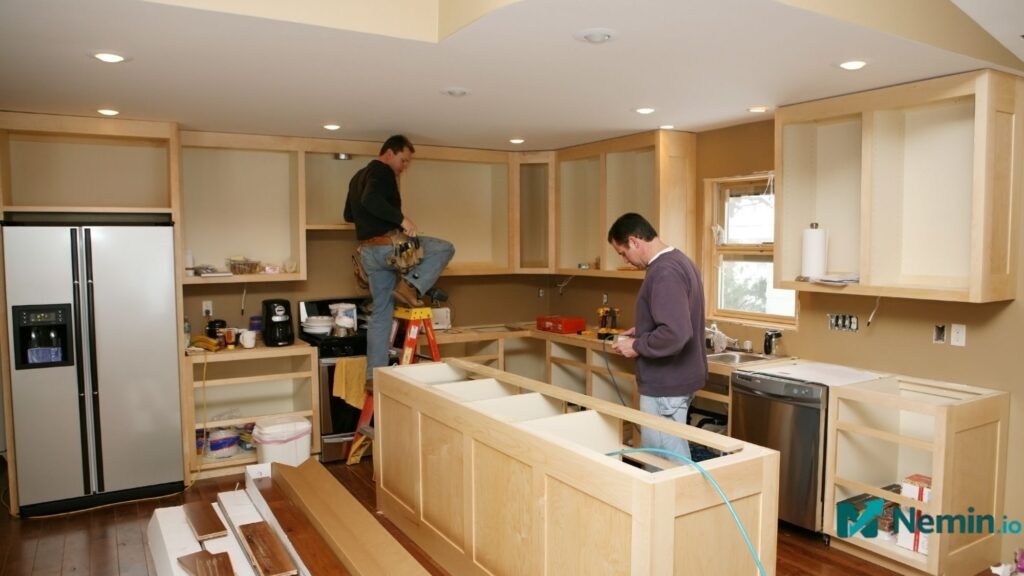
Renovating an entire house is a major investment that requires careful planning, realistic expectations, and a clear understanding of every stage involved. A successful project does not happen overnight; it follows a structured process that includes design development, budgeting, permits, construction, and final finishing work. Understanding the whole-home renovation timeline helps homeowners prepare financially, organize their living arrangements, and make better decisions throughout the remodeling journey.
A whole-home renovation timeline outlines the complete process of transforming an existing property from outdated or inefficient spaces into a modern, functional, and comfortable home. The duration depends on factors such as the size of the house, renovation complexity, design changes, material availability, permits, and contractor coordination. While some projects may take several months, larger luxury renovations can extend beyond a year due to detailed planning and specialized construction requirements.
Whether you are updating an older property, improving functionality, increasing home value, or creating a completely new interior style, knowing each renovation phase helps ensure a smoother experience.
What Is a Whole-Home Renovation?
A whole-home renovation involves upgrading multiple areas of a house rather than focusing on a single room. Unlike a simple kitchen or bathroom remodel, this type of renovation can include structural improvements, electrical upgrades, plumbing changes, flooring replacement, interior design updates, and exterior improvements.
Common areas included in a full home renovation include:
- Kitchen remodeling
- Bathroom upgrades
- Living room redesign
- Bedroom improvements
- Flooring replacement
- Lighting upgrades
- Plumbing and electrical systems
- HVAC improvements
- Structural modifications
- Exterior enhancements
A whole-house renovation requires coordination between architects, designers, contractors, and specialized trades to ensure every part of the project works together.
Average Whole-Home Renovation Timeline
The length of a complete home renovation varies depending on project size and complexity. Smaller homes with cosmetic improvements may take a few months, while extensive renovations involving structural changes may require a year or more.
A typical whole-home renovation timeline includes:
- Planning and consultation: 1–3 months
- Design and approvals: 1–4 months
- Permits and preparation: 1–3 months
- Demolition: 2–8 weeks
- Structural work: 1–4 months
- Electrical and plumbing: 1–3 months
- Interior finishing: 2–6 months
- Final inspections and completion: 2–6 weeks
Proper planning before construction begins can reduce delays and unexpected problems. Experts often recommend creating realistic schedules with additional time for material delivery issues, design changes, and unforeseen conditions.
Phase 1: Initial Planning and Project Preparation
Defining Your Renovation Goals
The first step in a whole-home renovation is understanding what you want to achieve. Homeowners should identify their priorities before contacting contractors.
Questions to consider include:
- Do you want more living space?
- Are you improving functionality?
- Are outdated systems causing problems?
- Are you renovating for personal comfort or resale value?
- Which areas need the biggest improvements?
A clear vision helps contractors and designers create accurate plans.
Creating a Renovation Budget
Budget planning is one of the most important parts of the renovation process. A complete renovation budget should include:
- Construction costs
- Materials
- Labor expenses
- Design fees
- Permit costs
- Unexpected repairs
- Additional upgrades
Many homeowners also include a contingency amount because older homes often reveal hidden issues during demolition.
Hiring the Right Professionals
A whole-home renovation requires experienced professionals who understand project management.
Your renovation team may include:
- General contractor
- Architect
- Interior designer
- Structural engineer
- Electricians
- Plumbers
- Flooring specialists
- Painters
Choosing the right team helps maintain quality, communication, and scheduling throughout the project.
Phase 2: Design and Planning Stage
The design phase transforms ideas into detailed construction plans.
During this stage, professionals finalize:
- Floor plans
- Room layouts
- Material selections
- Color schemes
- Lighting plans
- Cabinet designs
- Fixture choices
A detailed design reduces mistakes during construction because contractors have clear instructions before work begins.
Selecting Materials and Finishes
Material selection plays an important role in both appearance and durability.
Common choices include:
- Hardwood or luxury vinyl flooring
- Natural stone countertops
- Custom cabinetry
- Modern lighting fixtures
- Energy-efficient windows
- Premium appliances
Ordering materials early is recommended because delays in product availability can affect the entire renovation schedule.
Phase 3: Permits and Pre-Construction Preparation
Before construction begins, many renovation projects require permits and inspections.
Permits may be needed for:
- Structural changes
- Electrical work
- Plumbing modifications
- Room additions
- Major renovations
During preparation, homeowners should also:
- Remove personal belongings
- Protect valuable items
- Arrange temporary accommodation if needed
- Confirm construction schedules
A clear preparation process helps contractors begin work efficiently.
Phase 4: Demolition and Structural Changes
Demolition is often the first visible construction stage.
Workers remove:
- Old flooring
- Cabinets
- Walls
- Fixtures
- Damaged materials
During demolition, contractors may discover hidden issues such as:
- Water damage
- Outdated wiring
- Structural problems
- Plumbing leaks
Addressing these issues early prevents future repairs and improves the home’s long-term performance.
Phase 5: Electrical, Plumbing, and Mechanical Updates
Modern homes require reliable systems. Many whole-home renovations include upgrades to essential infrastructure.
Electrical improvements may include:
- New wiring
- Additional outlets
- Smart home technology
- Energy-efficient lighting
Plumbing upgrades may include:
- New pipes
- Bathroom improvements
- Water-saving fixtures
Mechanical upgrades may include:
- HVAC replacement
- Improved ventilation
- Energy-efficient systems
Updating these systems during renovation improves comfort, safety, and efficiency.
Phase 6: Interior Construction and Installation
Once major systems are completed, interior construction begins.
This stage may include:
- Drywall installation
- Flooring installation
- Cabinet installation
- Door replacement
- Trim work
- Painting
The home begins taking shape during this phase as unfinished spaces become functional rooms.
Phase 7: Interior Design and Finishing Touches
The final design stage focuses on creating the desired atmosphere and style.
Finishing work includes:
- Decorative lighting
- Hardware installation
- Custom furniture placement
- Wall treatments
- Window coverings
- Final paint corrections
These details create the finished appearance and bring the renovation vision together.
Phase 8: Final Inspection and Project Completion
Before the renovation is officially complete, contractors perform final inspections.
In the Tampa Bay area, many contractors also book professional post construction cleaning Tampa crews at this stage to remove fine dust and debris before the final walkthrough.
The final stage includes:
- Checking completed work
- Fixing minor issues
- Cleaning the property
- Reviewing systems
- Final walkthrough with homeowners
A professional final walkthrough ensures that every detail meets expectations.
Factors That Affect a Whole-Home Renovation Timeline
Several factors can influence how long a renovation takes.
Home Size
Larger homes naturally require more time because there are more rooms, materials, and construction tasks.
Renovation Complexity
Cosmetic updates are faster than projects involving structural changes or complete system replacements.
Material Availability
Custom materials and specialty products may increase project duration.
Weather Conditions
Exterior construction can be affected by seasonal weather changes.
Design Changes
Changing plans during construction can create delays and increase costs.
Contractor Scheduling
Availability of skilled trades can influence completion dates.
Tips for Keeping Your Renovation Timeline on Track
Homeowners can improve project efficiency by following these steps:
Finalize Designs Early
Avoid major design changes after construction begins.
Maintain Communication
Regular communication with contractors helps identify problems quickly.
Order Materials Before Construction
Having materials ready prevents unnecessary delays.
Prepare for Unexpected Issues
Older homes often contain surprises, so flexibility is important.
Choose Experienced Contractors
Professionals with renovation experience can better manage complex projects.
Frequently Asked Questions (FAQs)
How long does a whole-home renovation usually take?
A whole-home renovation can take anywhere from several months to over a year depending on the home’s size, renovation scope, and complexity.
What is the first step in a full home renovation?
The first step is defining renovation goals, creating a budget, and developing a clear project plan.
Can I live in my house during a whole-home renovation?
It depends on the renovation scope. Large projects involving kitchens, bathrooms, electricity, and structural work may require temporary relocation.
How can I reduce renovation delays?
Finalizing designs early, selecting materials in advance, maintaining communication, and hiring experienced professionals can help prevent delays.
Is a whole-home renovation worth the investment?
A well-planned renovation can improve comfort, functionality, energy efficiency, and property value.
Should I renovate my entire home at once or in stages?
Renovating the entire home at once can create a more coordinated process, while phased renovations may be easier for homeowners managing budgets or living arrangements.
Conclusion
A successful whole-home renovation timeline depends on detailed planning, realistic scheduling, and strong coordination between homeowners and professionals. From initial ideas and budgeting to construction and final design touches, every phase plays an important role in creating a comfortable and functional home.
Understanding the renovation process allows homeowners to make informed decisions, avoid unnecessary delays, and prepare for each stage with confidence. With the right planning strategy and experienced renovation team, a full home transformation can become a rewarding investment that improves both lifestyle and long-term property value.