
Food has always functioned as humanity's most primal and evocative expression of care, connection, and maternal comfort. Opening the Wisconsin Field to Fork Cookbook invites readers into...
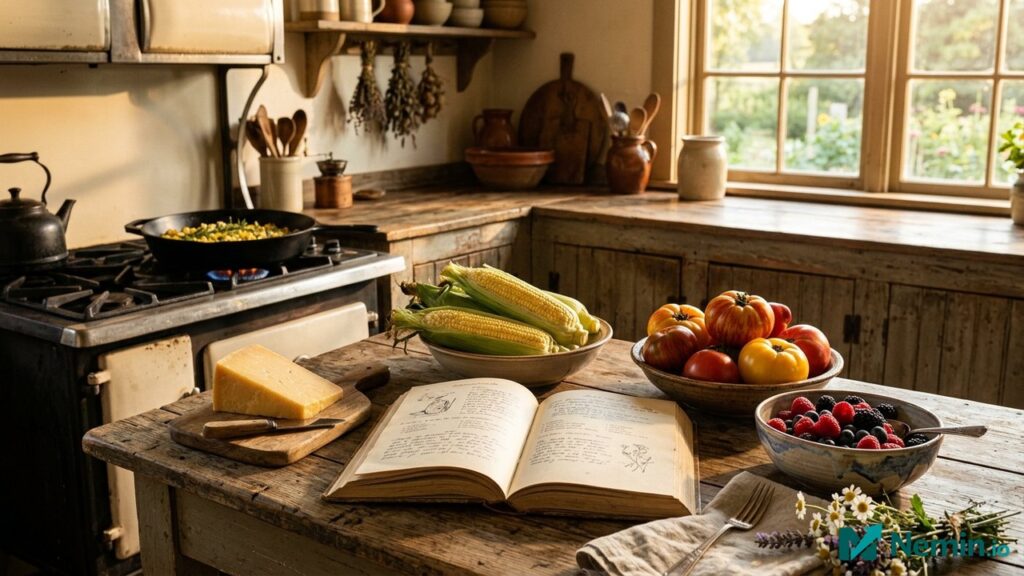
Food has always functioned as humanity’s most primal and evocative expression of care, connection, and maternal comfort. Opening the Wisconsin Field to Fork Cookbook invites readers into a rich sensory journey that celebrates the deep bond between the land, the dedicated farmers who nurture it, and the wholesome meals prepared with unconditional love around the family table. In this poignant thematic exploration centered on “The Mother’s Love,” the cookbook demonstrates how farm-to-table culinary traditions transcend mere nourishment to become an act of profound emotional devotion.
By weaving together stories of hardworking agricultural families, seasonal recipes, and artisanal food traditions, the Wisconsin Field to Fork Cookbook provides home cooks with a timeless roadmap for creating comforting, soul-satisfying dishes that honor both family heritage and ecological stewardship.
What Is the Wisconsin Field to Fork Cookbook and How Does It Celebrate Local Food?
The Wisconsin Field to Fork Cookbook is an acclaimed regional culinary volume written by food journalist Lori Fredrich that documents Wisconsin’s rich agricultural landscape through seasonal recipes and intimate farmer profiles.
| Cookbook Dimension | Editorial Focus | Cultural Value for Home Cooks |
|---|---|---|
| Author & Vision | Lori Fredrich (Renowned Midwestern culinary writer) | Captures the authentic spirit, stories, and work ethic of Wisconsin food producers |
| Culinary Philosophy | Hyper-local, seasonal, farm-to-table gastronomy | Connects home kitchens directly to the agricultural cycles of the Midwestern seasons |
| Producer Spotlights | Profiles of family farmers, cheesemakers, and foragers | Fosters deep appreciation for ethical livestock husbandry and regenerative soil care |
| Recipe Architecture | Chef-driven yet accessible home-style comfort food | Transforms fresh raw harvest ingredients into elevated, deeply flavorful meals |
| Regional Terroir | Showcases the unique soils of the Driftless Area & Great Lakes | Highlights how local microclimates shape the flavor profiles of dairy, meats, and crops |
Unlike generic commercial cookbooks that rely on out-of-season, plastic-wrapped supermarket produce, the Wisconsin Field to Fork Cookbook anchors its culinary philosophy in genuine locality.
Every chapter reflects the rhythm of the Midwestern seasons, urging cooks to visit community farmers markets, subscribe to Community Supported Agriculture (CSA) harvest boxes, and embrace the vibrant flavors of freshly picked heirloom produce. In doing so, the Wisconsin Field to Fork Cookbook transforms home cooking from a daily chore into an intentional celebration of community and environmental connection.
How Does “The Mother’s Love” Theme Shape the Farm-to-Table Philosophy?
In the Wisconsin Field to Fork Cookbook, the central theme of “The Mother’s Love” functions on two distinct yet harmoniously intertwined levels: the maternal care of mothers nurturing their families through food, and the maternal stewardship of Mother Earth nurturing humanity through fertile soils.
| Dimension of “The Mother’s Love” | Emotional & Biological Manifestation | Expression in the Wisconsin Field to Fork Cookbook |
|---|---|---|
| Maternal Culinary Care | Preparing warm, wholesome meals that comfort and heal | Wholesome family soups, slow-braised stews, and hand-baked fruit pies |
| Generational Transmission | Passing down sacred family recipes from mother to child | Preserving heritage cooking techniques that celebrate regional immigrant roots |
| Ecological Maternal Bounty | The earth providing abundance through healthy soil ecosystems | Celebrating regenerative farming practices that honor natural seasonal cycles |
| Emotional Sustenance | Gathering the family around a shared table to build connection | Fostering dinner conversations that deepen emotional security and belonging |
1. Maternal Nurturing Through Wholesome Home Cooking
Throughout the Wisconsin Field to Fork Cookbook, from generation to generation, mothers have used food as an unspoken language of love. A mother standing over a simmering pot of chicken stew on a cold Wisconsin winter evening is not merely combining calories; she is creating a sanctuary of warmth and emotional safety. The Wisconsin Field to Fork Cookbook honors this maternal tradition by providing recipes that evoke nostalgic comfort while prioritizing pure, unadulterated ingredients.
2. Honoring Mother Earth Through Sustainable Agriculture
In the culinary pages of the Wisconsin Field to Fork Cookbook, the concept of a mother’s love extends to the soil itself. The farmers featured throughout the Wisconsin Field to Fork Cookbook view their agricultural work as a sacred partnership with the earth. By practicing rotational grazing, cover cropping, and chemical-free cultivation, these stewards protect the land so it can continue to nurture future generations.
Which Seasonal Ingredients Define the Wisconsin Culinary Identity?
The recipes in the Wisconsin Field to Fork Cookbook are built around the rich agricultural bounty of America’s Dairyland, showcasing ingredients harvested at their absolute peak of flavor.
| Seasonal Harvest Phase | Signature Wisconsin Ingredients | Flavor & Culinary Profile | Highlight Recipe Application |
|---|---|---|---|
| Spring Awakening | Wild foraged ramps, morel mushrooms, fresh asparagus | Earthy, pungent, delicate, crisp green vibrancy | Pan-seared trout with ramp butter and wild morel risotto |
| Summer Abundance | Sweet bi-color corn, heirloom tomatoes, Door County cherries | Sweet, juicy, sun-ripened, bright acidic balance | Sweet corn chowder, cherry-balsamic glazed pork chops |
| Autumn Harvest | Winter squashes, crisp Honeycrisp apples, root vegetables | Rich, caramelized, nutty, comforting sweet depth | Roasted butternut squash bisque with spiced apple compote |
| Winter Hearth | Aged raw-milk cheddars, pastured beef, pickled preserves | Savory umami, rich fats, complex aged fermentation | Beer-braised beef short ribs with aged cheddar polenta |
1. World-Class Artisanal Cheeses and Dairy
While Wisconsin produces vast dairy, the Wisconsin Field to Fork Cookbook focuses on artisan creameries in the United States, but the Wisconsin Field to Fork Cookbook focuses on small-batch master cheesemakers. From clothbound aged cheddars and cave-aged alpine Gruyère styles to fresh, squeaky cheese curds, the cookbook highlights how high-fat, grass-fed cow, goat, and sheep milk creates complex flavor profiles.
2. Foraged Wild Delicacies: Ramps and Morels
When exploring spring recipes in the Wisconsin Field to Fork Cookbook, hardwood forests burst with ramps with wild foraged treasures. The Wisconsin Field to Fork Cookbook guides readers through incorporating pungent wild leeks (ramps) and prized sponge morel mushrooms into rustic egg frittatas and delicate handmade pasta dishes.
The Wisconsin Field to Fork Cookbook vs. Standard Modern Cookbooks
When comparing the Wisconsin Field to Fork Cookbook to standard commercial cookbooks to standard commercial cookbooks illustrates why it stands as an enduring masterpiece of regional literature.
| Feature Parameter | Standard Commercial Cookbooks | Wisconsin Field to Fork Cookbook |
|---|---|---|
| Ingredient Sourcing | Globalized, generic grocery store ingredients | Hyper-seasonal, farm-direct, and regionally authentic |
| Narrative Storytelling | Basic recipe instructions with minimal context | Deep, emotional profiles of the farmers behind every ingredient |
| Theme & Soul | Trend-driven (Keto, air-fryer, 15-minute quick fixes) | Timeless, soulful, grounded in maternal care and community |
| Photography Aesthetic | Studio-lit, heavily staged, artificial gloss | Authentic, natural-light farm photography capturing true earthiness |
| Ecological Impact | Disconnected from food systems and carbon footprints | Actively champions regenerative agriculture and local food economies |
| Culinary Longevity | Quickly dated as dietary fads shift | Heirloom recipes that become cherished family favorites for decades |
Celebrated Recipes: Bringing “The Mother’s Love” to the Family Table
Every dish in the Wisconsin Field to Fork Cookbook strikes the perfect balance between culinary sophistication and the warm, welcoming comfort of home cooking.
| Signature Recipe | Core Agricultural Ingredients | Preparation Technique | Emotional & Flavor Experience |
|---|---|---|---|
| 1. Beer-Braised Pastured Pork Shoulder | Heritage pork, local brown ale, onions, fresh thyme | Slow low-temperature Dutch oven braising | Melt-in-the-mouth tenderness with rich, caramelized savory sauce |
| 2. Cast-Iron Sweet Corn and Cheddar Tart | Fresh sweet corn kernels, aged Wisconsin cheddar, eggs | Blind-baked flaky pastry crust; cast-iron baking | Sweet, creamy, golden comfort celebrating mid-summer harvests |
| 3. Roasted Beet and Goat Cheese Salad | Chioggia beets, artisan goat chèvre, wild honey, pecans | Oven-roasted in parchment, tossed in apple cider vinaigrette | Vibrant earthy sweetness balanced by creamy, tangy goat cheese |
| 4. Woodland Morel and Wild Rice Soup | Wild morel mushrooms, native wild rice, rich chicken stock | Gentle reduction with fresh heavy cream and parsley | Earthy, comforting forest aromas that warm cold autumn evenings |
| 5. Door County Cherry and Cardamom Crisp | Tart Montmorency cherries, rolled oats, butter, spices | Baked until bubbly with golden oat streusel topping | Tart, fragrant, buttery dessert that tastes like a mother’s hug |
1. Slow-Simmered Comfort: Braised Heritage Pork
This iconic recipe from the Wisconsin Field to Fork Cookbook exemplifies the patience of traditional maternal cooking. By searing heritage pasture-raised pork and slow-braising it in local craft beer and aromatics for three hours, tough connective tissues melt into a rich, luscious sauce that envelops the dinner table in mouthwatering aromas.
2. Sweet Summer Memories: Door County Cherry Crisp
Featured prominently in the Wisconsin Field to Fork Cookbook, highlighting tart Montmorency cherries grown on the limestone-rich Door Peninsula, this dessert captures the nostalgic joy of childhood summers. The tart cherry filling contrasts beautifully with the warm, spiced oat crumble, creating a dessert that feels like a loving embrace at the end of a family meal.
Connecting Consumers with Local Farmers: The Human Stories Behind the Plate
The true brilliance of the Wisconsin Field to Fork Cookbook lies in how author Lori Fredrich elevates the humble family farmer into a culinary hero.
| Featured Producer Type | Agricultural Philosophy | Contribution to Wisconsin Food Culture |
|---|---|---|
| Heritage Livestock Ranchers | 100% pasture-raised, rotational grazing, zero hormones | Produces deeply marbled, nutrient-dense beef, pork, and lamb |
| Generational Dairy Farmers | Holistic herd health, grazing on nutrient-rich prairie grasses | Supplies pristine raw milk to artisanal farmstead creameries |
| Organic Vegetable Growers | No-till organic methods, heritage heirloom seeds | Preserves rare plant biodiversity and delivers unmatched flavor |
| Wild Woods Foragers | Sustainable, non-destructive forest harvesting | Brings wild mushrooms, elderberries, and ramps to local kitchens |
| Orchard Keepers | Integrated pest management, heirloom apple and cherry trees | Preserves historic fruit varieties that offer complex cider and pie flavors |
1. Meeting the Hands That Feed Us
When you cook from the Wisconsin Field to Fork Cookbook, you do not simply read an ingredient list; you learn about the third-generation dairy farmer who wakes at 4:30 AM to care for her herd, or the young couple restoring degraded prairie soil through organic vegetable farming. This storytelling bridges the emotional divide between city consumers and rural food producers.
2. The Power of Community Supported Agriculture (CSA)
The Wisconsin Field to Fork Cookbook serves as a passionate manifesto for local food for supporting local CSA programs. By purchasing shares in a local farm at the start of the growing season, consumers share the risks and rewards with the farmer, receiving a weekly surprise box of freshly harvested produce that inspires creative home cooking.
Step-by-Step Guide: How to Master Seasonal Meal Planning with the Cookbook
Integrating the farm-to-table principles of the Wisconsin Field to Fork Cookbook into your household routine is simple with structured seasonal planning.
| Planning Stage | Action Step | Practical Family Implementation |
|---|---|---|
| Phase 1: Seasonal Inventory | Check what is currently in season locally | Consult regional harvest calendars before writing grocery lists |
| Phase 2: Market Scouting | Visit local weekend farmers markets | Buy directly from growers; ask farmers for recipe advice |
| Phase 3: Pantry Foundation | Stock local staples (honey, maple syrup, whole grains) | Build a pantry of local grains, flours, and artisanal vinegars |
| Phase 4: Weekend Batch Cooking | Dedicate Sunday afternoons to slow cooking | Prepare slow-simmered stocks, braises, and roasted vegetables |
| Phase 5: Mindful Dining | Gather family around an intentional table | Light a candle, disconnect from screens, and savor every bite |
- Step 1: Consult the Seasonal Harvest Rhythm: When cooking from the Wisconsin Field to Fork Cookbook, before planning weekly meals, look out the window and check the seasonal calendar. If it is October, center your meals around winter squash, root vegetables, and braised meats; if it is June, focus on delicate greens, strawberries, and asparagus.
- Step 2: Build Relationships with Local Growers: Inspired by the Wisconsin Field to Fork Cookbook, take your family to local farmers markets. Introduce your children to the farmers who grow their carrots and milk their cows, fostering lifelong respect for food origins.
- Step 3: Embrace the Art of Slow Simmering: As taught in the Wisconsin Field to Fork Cookbook, dedicate weekend time to cooking from the heart. Let soups simmer gently on the back burner, fill the kitchen with rich aromas, and allow food to become the anchor that draws family members together.
- Step 4: Practice Preserving the Harvest: Follow the preservation guidance in the Wisconsin Field to Fork Cookbook by canning summer tomatoes, pickling cucumbers, and freezing Door County cherries to bring the warmth of summer into dark winter months.
5 Life-Enriching Lessons from the Wisconsin Field to Fork Cookbook
Cooking through the Wisconsin Field to Fork Cookbook imparts timeless wisdom timeless philosophical wisdom that enriches our daily lives far beyond the kitchen.
| Core Life Lesson | Philosophical Wisdom | Practical Household Application |
|---|---|---|
| 1. Patience Over Convenience | True flavor and love cannot be rushed | Savoring slow-cooked meals over microwave shortcuts |
| 2. Reverence for the Land | Healthy soil produces healthy, vibrant humans | Supporting regenerative agriculture and composting kitchen scraps |
| 3. Connection Over Consumption | Food is a relational medium, not a commodity | Prioritizing shared family dinners over isolated screen-time eating |
| 4. Embracing Imperfection | Real farm produce is irregularly shaped and imperfect | Appreciating the beauty and flavor of heirloom produce over factory uniformity |
| 5. Food as Maternal Medicine | Wholesome, home-cooked food heals body and soul | Preparing nourishing broths and restorative meals for loved ones in need |
Frequently Asked Questions
What makes the Wisconsin Field to Fork Cookbook truly unique among regional cookbooks?
The Wisconsin Field to Fork Cookbook is unique because it blends chef-quality, accessible home recipes with in-depth narrative profiles of the local farmers, cheesemakers, and foragers who produce Wisconsin’s food.
Who wrote the Wisconsin Field to Fork Cookbook?
The cookbook is written by Lori Fredrich, a celebrated Midwestern food writer, culinary journalist, and author known for championing local agriculture and regional culinary heritage.
How does the theme of “The Mother’s Love” shape the Wisconsin Field to Fork Cookbook?
“The Mother’s Love” represents the nurturing power of home cooking—preparing meals with care and devotion—while simultaneously honoring Mother Earth’s generosity through sustainable, regenerative farming practices.
Are the recipes in the Wisconsin Field to Fork Cookbook easy for beginners?
Yes, while the recipes feature elevated farm-to-table flavors, they use straightforward culinary techniques, clear instructions, and easily accessible seasonal ingredients that any home cook can master.
Can I cook from the Wisconsin Field to Fork Cookbook if I live outside of Wisconsin?
Yes, while the book highlights Wisconsin producers, its seasonal recipes and farm-to-table principles can be enjoyed anywhere by substituting local produce, dairy, and meats from your own regional farmers.
What types of recipes are featured in the Wisconsin Field to Fork Cookbook?
The cookbook includes a comprehensive collection of seasonal appetizers, hearty soups, farm-fresh salads, slow-braised meats, vegetarian mains, artisanal cheese pairings, and comforting rustic desserts.
Conclusion
The Wisconsin Field to Fork Cookbook is far more than a collection of delicious recipes; it is a profound celebration of human connection, regional culinary identity, and the enduring power of maternal love. Through its heartfelt exploration of seasonal cooking and sustainable agriculture, the cookbook reminds us that every meal prepared with intention and care is an opportunity to nourish the bodies and spirits of those we cherish most.
By embracing the farm-to-table philosophy championed in the Wisconsin Field to Fork Cookbook, home cooks can revitalize family mealtime traditions, support hardworking local farming communities, and deepen their reverence for the natural world. Open its pages, gather your loved ones around the table, and experience the transformative warmth and comfort that comes from cooking with authentic love, fresh farm ingredients, and true Midwestern heart.