
A commercial kitchen exhaust system forms a critical component of any professional food service operation by capturing and removing heat smoke grease vapors and airborne...
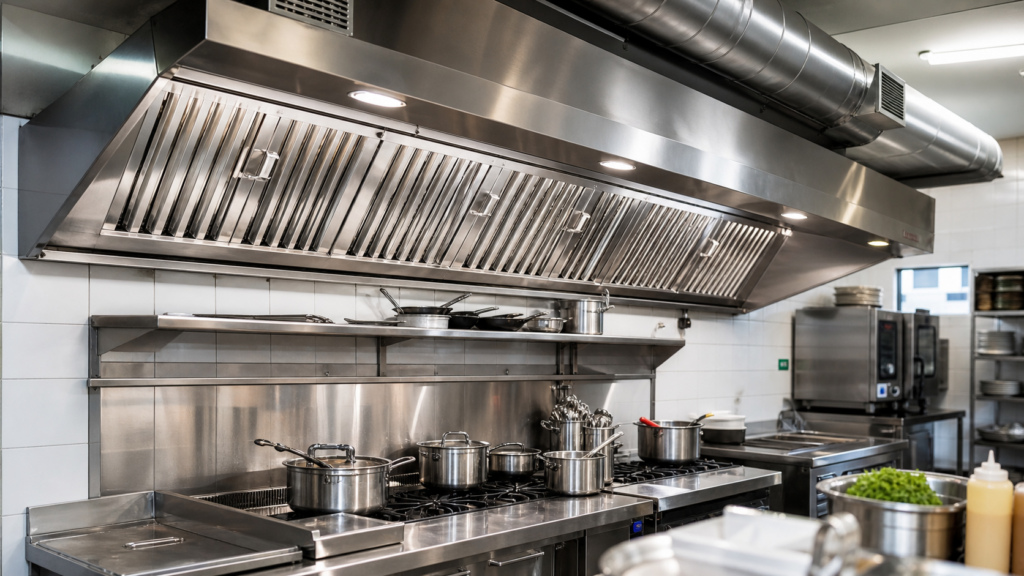
A commercial kitchen exhaust system forms a critical component of any professional food service operation by capturing and removing heat smoke grease vapors and airborne contaminants to maintain safe air quality and prevent fire hazards. These systems support regulatory compliance reduce energy costs when properly balanced with makeup air and protect both employees and customers from unnecessary health risks. This article examines the technical requirements design considerations and proven practices that ensure long term reliability across restaurants hotels and institutional kitchens.
Importance of Commercial Kitchen Exhaust in Food Service
Commercial kitchen exhaust systems serve multiple functions beyond basic ventilation. They control temperature and humidity levels that would otherwise make working conditions uncomfortable and inefficient. By extracting grease laden vapors these systems minimize accumulation on surfaces which significantly lowers fire risk. Industry standards emphasize that unchecked grease buildup remains a leading cause of restaurant fires according to fire protection data.
Properly engineered systems also contribute to overall indoor air quality by reducing odors and particulate matter. Establishments that invest in quality commercial kitchen exhaust report improved staff comfort and fewer complaints related to ventilation. Compliance with health department inspections becomes more straightforward when systems are designed and maintained to current codes.
Fire Prevention and Regulatory Compliance
Fire safety represents the primary reason commercial kitchen exhaust receives strict oversight. Grease deposits in ducts and hoods can ignite rapidly creating dangerous flash fires. Regular system upkeep combined with integrated fire suppression technology helps mitigate these threats. Local authorities typically require adherence to NFPA 96 standards along with International Mechanical Code provisions that dictate hood construction clearance distances and exhaust rates.
Energy Efficiency and Air Balance Considerations
An effective commercial kitchen exhaust must work in harmony with makeup air units to prevent negative pressure that increases energy consumption. When correctly balanced these systems reduce heating and cooling loads while maintaining consistent airflow. Many operators achieve measurable utility savings by selecting variable speed fans that adjust to actual cooking demands rather than running at constant maximum capacity.
Types of Commercial Kitchen Exhaust Systems
Selection of the appropriate system depends on menu items cooking equipment and kitchen layout. Two primary classifications address different contaminant profiles.
Type I Canopy Hoods for Grease Laden Air
Type I hoods handle heavy grease and smoke produced by grills fryers and open flame equipment. These systems incorporate grease extraction features such as baffle filters or cartridge styles that capture particles before they enter the ductwork. Construction typically uses stainless steel with liquid tight seams to facilitate cleaning and prevent leakage.
Type II Hoods for Heat and Vapor Removal
Type II hoods manage steam heat and odors from ovens dishwashers and non grease producing appliances. Although less demanding than Type I these systems still require adequate airflow and proper discharge locations to avoid re entry of exhaust air into the building. Operators often combine both hood types within a single kitchen to address varied equipment needs.
Key Components of Commercial Kitchen Exhaust
Several integrated parts work together to deliver reliable performance. The hood captures contaminants at the source while grease filters separate particulate matter. Ductwork transports the air to an exhaust fan usually located on the roof that discharges it safely away from the building. Fire suppression systems with fusible links or pneumatic detection provide automatic response if temperatures rise unexpectedly.
Additional elements include makeup air supply units access panels for inspection and sometimes ultraviolet lights or water wash features that enhance grease removal. Each component must be sized according to cooking appliance heat output and required capture velocity to achieve code compliant results.
The table below compares essential system elements:
| Component | Primary Function | Maintenance Interval | Key Benefit |
|---|---|---|---|
| Grease Filters | Capture airborne grease particles | Weekly to monthly | Reduces duct fire risk |
| Exhaust Ductwork | Transports contaminated air | Quarterly to annually | Maintains proper airflow |
| Roof Exhaust Fan | Discharges air safely outdoors | Semiannually | Prevents re entry of fumes |
| Fire Suppression | Automatic activation during fire | Biannual inspection | Rapid response to emergencies |
Design and Installation Best Practices
Successful commercial kitchen exhaust begins with accurate load calculations performed by qualified mechanical engineers. Hood placement must extend beyond cooking surfaces with appropriate overhang while maintaining minimum clearance from combustible materials. Duct runs should be as short and straight as possible with adequate slope for grease drainage.
Professional installation ensures seamless integration with existing fire suppression sprinklers electrical systems and structural supports. Post installation testing verifies airflow velocities and confirms that exhaust discharge does not create nuisance conditions for neighboring properties. Early collaboration between architects kitchen designers and contractors prevents costly modifications later.
Routine Maintenance and Cleaning Protocols
Consistent maintenance directly influences system longevity and safety. Grease filters require frequent removal and washing to sustain capture efficiency. Hood interior surfaces demand periodic deep cleaning to eliminate residue buildup. Certified duct cleaners should inspect and clean exhaust ductwork at intervals determined by cooking volume typically quarterly for high volume operations.
Operators benefit from maintaining detailed service logs that document cleaning dates filter conditions and any repairs. These records prove valuable during insurance reviews and regulatory inspections. Neglecting maintenance schedules can lead to reduced airflow increased energy use and potential code violations that result in fines or temporary closure.
Advanced Technologies in Modern Commercial Kitchen Exhaust
Recent innovations improve both performance and convenience. Variable frequency drives allow fans to modulate speed based on real time demand reducing noise and energy consumption. Water wash hoods automatically clean interior surfaces with hot water and detergent cycles minimizing manual labor. Some systems incorporate monitoring sensors that alert managers when filter pressure drops or airflow falls below specified levels.
These technologies help kitchens meet stricter energy codes while simplifying compliance with health and fire safety regulations. When evaluating upgrades operators should consider total cost of ownership including energy savings reduced cleaning frequency and extended equipment life.
Common Challenges and Solutions
Many facilities encounter issues with inadequate exhaust capacity after kitchen equipment upgrades. Early planning for future expansion helps avoid this problem. Another frequent difficulty involves balancing exhaust and makeup air which can cause doors to slam or pilot lights to extinguish. Professional testing and adjustment resolve these imbalances effectively.
Budget constraints sometimes tempt operators to defer maintenance. However the cost of emergency repairs or fire damage far exceeds routine service expenses. Establishing a preventive maintenance contract with a reputable ventilation specialist provides predictable budgeting and consistent system performance.
Frequently Asked Questions
How often must commercial kitchen exhaust systems be cleaned?
High volume operations require hood and filter cleaning weekly with full duct cleaning every three to six months depending on grease accumulation and local codes.
What is the difference between Type I and Type II commercial kitchen exhaust?
Type I systems handle grease and smoke from frying and grilling while Type II manages steam heat and odors from ovens and dishwashers without grease extraction features.
Do commercial kitchen exhaust systems prevent fires?
Well maintained systems significantly reduce fire risk by removing flammable grease vapors although they work best when combined with automatic fire suppression.
Are permits required for commercial kitchen exhaust installation?
Yes most jurisdictions mandate mechanical permits engineering stamps and final inspections to confirm compliance with NFPA 96 and mechanical codes.
How much does a commercial kitchen exhaust system cost?
Costs vary widely based on kitchen size and complexity with typical installations ranging from fifteen thousand to over one hundred thousand dollars including ductwork and fire suppression.
Can existing commercial kitchen exhaust be upgraded with new technology?
Many older systems can be retrofitted with variable speed controls water wash features or improved filtration provided the ductwork remains in serviceable condition.
Conclusion
A properly designed and maintained commercial kitchen exhaust system delivers essential protection against fire hazards while supporting efficient operation and regulatory compliance. By understanding the technical requirements of different hood types following recommended maintenance intervals and incorporating modern efficiency features restaurant operators can create safer more comfortable environments for staff and guests. Investing in quality ventilation ultimately reduces long term costs improves inspection outcomes and demonstrates commitment to both employee welfare and public safety.