
Severe weather can leave a home looking relatively normal from the street while creating serious problems above the ceiling. Strong winds, hail, heavy rain, and...
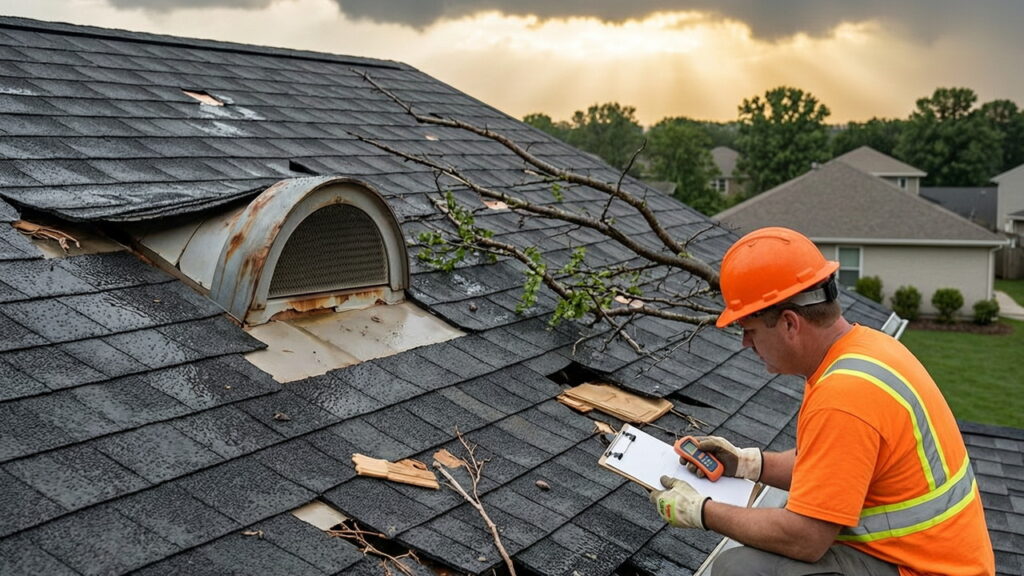
Severe weather can leave a home looking relatively normal from the street while creating serious problems above the ceiling. Strong winds, hail, heavy rain, and falling branches can damage shingles, flashing, gutters, and other roofing components. Identifying Roof storm damage early helps homeowners protect their property, document losses, and arrange appropriate repairs before additional moisture enters the building.
Unfortunately, not every roofing problem is immediately visible. Some storms cause obvious missing shingles, while others leave subtle damage that requires a closer professional inspection. Understanding the warning signs, repair options, insurance procedures, and safety precautions can help homeowners respond confidently without taking unnecessary risks or paying for work their roof does not need.
What Is Roof Storm Damage?
Roof storm damage refers to physical deterioration or structural harm caused by severe weather events, including strong winds, hailstorms, heavy rainfall, lightning, falling trees, and windborne debris.
The damage may affect the roof covering, underlayment, flashing, drainage components, roof decking, or supporting structure. Its severity depends on the storm conditions, roofing materials, installation quality, roof age, and existing maintenance condition.
Roof storm damage can range from minor localized defects to widespread destruction requiring substantial reconstruction.
A few displaced shingles may need targeted repairs, while a fallen tree or major structural failure may require emergency stabilization and engineering assessment.
The most important consideration is whether the roofing system still protects the building against water intrusion and environmental exposure.
A professional roof storm damage inspection helps identify visible defects and determine whether further evaluation is necessary.
Why Roof Storm Damage Requires Prompt Attention
A roofing system works through multiple protective layers.
Shingles, tiles, panels, underlayment, flashing, and drainage components collectively help direct water away from the building.
When storm damage compromises these elements, rainwater may enter concealed spaces.
Moisture can affect insulation, ceilings, framing, electrical installations, and interior finishes.
Prompt assessment can help limit secondary damage, although immediate repair is not always possible during ongoing severe weather.
Homeowners should prioritize personal safety and arrange professional assistance when conditions permit.
Common Types of Roof Storm Damage
Different weather events affect roofing systems in different ways.
Recognizing these patterns helps homeowners understand what to look for after a storm.
However, visible symptoms do not always establish the cause of damage.
A qualified roofing contractor may need to distinguish recent storm effects from aging, installation defects, or previous deterioration.
Wind Damage to Roof Shingles
Strong winds can lift, crease, tear, or remove asphalt shingles.
Wind pressure varies across a roof, particularly around corners, edges, ridges, and other exposed areas.
Roof storm damage caused by wind may appear as missing shingles, lifted tabs, torn roofing materials, or displaced ridge caps.
Wind can also damage metal panels, roof tiles, flashing, and rooftop accessories.
A shingle that remains attached is not necessarily undamaged.
However, not every raised or irregular shingle is evidence of a recent storm.
Installation conditions, thermal movement, and material aging may produce similar appearances.
Hail Damage to Roofing Materials
Hail can affect roofing materials through impact.
The extent of roof storm damage depends on hail size, density, wind conditions, roof slope, material type, and existing roof condition.
Asphalt shingles may experience granule displacement, bruising, or other impact-related defects.
Metal roofing can develop dents, while brittle tiles may crack.
Not every visible hail mark represents functional damage.
For example, cosmetic denting and damage that compromises weather resistance are not always equivalent.
A professional assessment should consider whether the affected material has lost its intended protective function.
Heavy Rain and Water Intrusion
Heavy rainfall can reveal weaknesses in flashing, roof coverings, penetrations, and drainage systems.
Roof storm damage may involve direct storm-related failure or water entering through defects that existed before the event.
These distinctions can matter when determining repair responsibility and insurance coverage.
Water stains on ceilings, damp insulation, and dripping around roof penetrations are common warning signs.
However, the location of an interior stain does not necessarily identify the exact point where water entered the roof.
Water may travel along framing or under roofing materials before becoming visible.
Falling Trees and Branches
Storms can cause trees and branches to strike roofs.
This type of roof storm damage may involve punctured roofing, broken decking, damaged gutters, or compromised framing.
Large impacts can also affect structural connections and nearby walls.
If a tree has fallen onto a home, occupants should avoid the affected area until hazards are evaluated.
Damaged electrical service lines, unstable branches, and weakened structural components can create serious risks.
Emergency services, utility providers, tree removal specialists, and structural professionals may all be needed.
Lightning and Severe Storm Effects
Lightning can damage electrical systems and occasionally cause roofing fires or structural damage.
Thunderstorms may also produce windborne debris that punctures roofing materials or damages rooftop equipment.
Roof storm damage associated with lightning should be assessed carefully because electrical hazards may remain.
Homeowners should not inspect suspected electrical damage themselves.
A qualified electrician or other appropriate specialist may be necessary before damaged areas are accessed.
Warning Signs of Roof Storm Damage
Not every storm requires a complete roof replacement.
However, certain visible changes justify closer inspection.
The following warning signs can help homeowners identify possible roof storm damage while remaining safely on the ground.
Missing or Displaced Shingles
Missing shingles are among the clearest signs of roofing damage.
They may expose underlying materials to rain, wind, and sunlight.
Roof storm damage involving missing shingles should be evaluated promptly.
Even small exposed areas can create water-entry pathways under certain conditions.
However, the appropriate repair depends on the surrounding shingles, roof age, and condition of the underlying components.
Shingle Granules in Gutters
Asphalt shingles contain protective surface granules.
Granule accumulation in gutters can occur through normal aging and weathering.
However, substantial new granule loss after hail or severe weather may warrant inspection.
Roof storm damage should not be diagnosed from gutter granules alone.
A roofer should examine the shingles for corresponding physical deterioration.
Bent or Damaged Flashing
Flashing protects vulnerable roof transitions.
It is commonly installed around chimneys, vents, skylights, walls, and roof intersections.
Wind and debris may loosen or damage flashing.
Roof storm damage involving these components can create leaks even when the surrounding shingles appear intact.
Repairing flashing may require removing adjacent roofing materials to restore proper water-shedding details.
Water Stains on Ceilings
Brown or yellow ceiling stains may indicate moisture intrusion.
Fresh staining after a storm can suggest roof storm damage, but plumbing leaks and condensation can cause similar symptoms.
Homeowners should document the affected area and arrange an appropriate inspection.
A wet ceiling that is sagging or bulging may present a collapse or electrical hazard.
Avoid standing beneath it and seek professional assistance.
Damaged Gutters and Downspouts
Gutters help direct roof runoff away from the building.
High winds, falling branches, and hail can damage gutter sections, brackets, and downspouts.
Roof storm damage assessments should include these components because failed drainage can contribute to water problems around the roof edge and foundation.
Gutters filled with storm debris may also overflow during later rainfall.
Cleaning should be performed only when access conditions are safe.
Debris Around the Property
Pieces of shingles, roof trim, flashing, or other building materials found in the yard may indicate storm-related damage.
However, debris can come from neighboring properties.
Homeowners should compare recovered materials with their own roof before drawing conclusions.
Photographs of debris locations can support a roof storm damage assessment.
Avoid handling sharp metal, broken glass, or materials near downed power lines.
What to Do Immediately After Roof Storm Damage
The first response to storm damage should focus on safety, documentation, and preventing avoidable additional loss.
Rushing onto a damaged roof can create more danger than the original problem.
These seven steps provide a practical approach to managing roof storm damage.
Step 1. Check for Immediate Safety Hazards
Before inspecting the property, look for downed power lines, unstable trees, fallen branches, damaged ceilings, and exposed electrical equipment.
Do not approach electrical lines, even if they appear inactive.
If roof storm damage has caused significant structural instability, leave the affected area and contact appropriate emergency professionals.
Avoid entering rooms beneath severely damaged roof sections.
The safety of occupants should always take priority over protecting belongings.
Step 2. Inspect the Roof From the Ground
Begin with a visual assessment from a safe location.
Look for missing shingles, damaged ridge caps, fallen branches, bent gutters, and visible openings.
Binoculars may help identify roof storm damage without climbing onto the building.
Do not use a ladder during strong winds, lightning, heavy rain, or unsafe ground conditions.
A roof may be slippery or structurally weakened after a storm.
Professional roof access requires suitable equipment, training, and fall-protection measures.
Step 3. Document Visible Damage
Take clear photographs and videos of affected areas.
Document interior leaks, exterior debris, damaged gutters, and visible roofing defects.
If safe, record the date of the storm and when damage was first noticed.
Roof storm damage documentation can help contractors understand the incident and may support insurance discussions.
Avoid moving significant debris before documenting it unless removal is necessary for safety or emergency protection.
Keep receipts for temporary repairs and related expenses.
Step 4. Prevent Additional Interior Damage
If water is entering the home, move belongings away from the affected area when safe.
Use containers to collect minor drips and protect furniture from moisture.
However, do not work near energized electrical equipment or beneath unstable ceilings.
Roof storm damage may require emergency temporary weather protection.
Professional roofers can sometimes install temporary coverings when conditions allow.
Improperly secured tarps can create additional hazards or damage, particularly during continued strong winds.
Step 5. Contact a Qualified Roofing Contractor
A professional inspection can help determine the extent of roof storm damage.
The contractor should examine accessible roofing materials, flashing, roof penetrations, drainage components, and relevant interior areas.
Ask for photographs and a written explanation of observed defects.
A reliable roofer should distinguish confirmed damage from suspected issues requiring further investigation.
Avoid contractors who declare that every storm-damaged roof requires complete replacement without explaining the findings.
Step 6. Notify Your Insurance Provider
If the damage may be covered, contact your insurer according to the policy’s reporting requirements.
Provide available documentation and explain the circumstances.
Roof storm damage coverage depends on the policy, cause of loss, roof condition, and applicable exclusions.
Your insurer may arrange an inspection or request additional information.
Do not assume that a contractor’s opinion guarantees claim approval.
Step 7. Plan Appropriate Repairs
After inspection, obtain a written repair proposal.
The scope should identify damaged components, recommended materials, expected scheduling, and relevant exclusions.
Roof storm damage repairs should address the underlying defects rather than simply conceal visible symptoms.
Where required, obtain permits and inspections.
If significant structural damage is present, additional engineering evaluation may be necessary.
Roof Storm Damage Inspection Explained
A thorough inspection helps distinguish actual storm damage from ordinary wear.
It also establishes which components require repair or replacement.
Professional roof storm damage inspections should consider the roofing system as a whole rather than focusing only on visible shingles.
Exterior Roofing Assessment
The roofer may inspect roof coverings, ridges, valleys, flashing, penetrations, gutters, and roof edges.
For asphalt shingles, relevant observations may include missing tabs, creases, punctures, and impact-related defects.
On metal roofing, inspectors may examine panel deformation, fasteners, seams, coatings, and penetrations.
Roof storm damage findings should be documented with photographs and descriptions.
Not every surface imperfection affects weather resistance.
Attic and Interior Inspection
Interior inspection may reveal water intrusion that is not obvious from outside.
The contractor may look for damp insulation, stained roof decking, visible moisture, and affected framing.
Moisture meters can provide additional information when used appropriately.
However, roof storm damage cannot always be diagnosed from moisture readings alone.
Condensation, plumbing leaks, and previous water damage may produce similar evidence.
The assessment should connect observations with a plausible source.
Structural Damage Assessment
Major storm impacts can affect roof decking, trusses, rafters, and connections.
A roofing contractor may identify visible structural concerns.
However, significant deformation or suspected structural failure may require a licensed structural engineer.
Roof storm damage involving load-bearing elements should not be addressed through cosmetic repairs alone.
The supporting structure must be suitable for the proposed roofing work.
Roof Storm Damage by Roofing Material
Different roofing materials respond differently to severe weather.
Understanding these differences helps homeowners evaluate repair recommendations.
Asphalt Shingle Roofs
Asphalt shingles are widely used on residential properties.
Wind can lift or remove shingles, while hail can cause various impact effects.
Roof storm damage repairs may involve replacing individual shingles, repairing flashing, or replacing larger affected sections.
The correct approach depends on material compatibility and the condition of surrounding roofing.
Older shingles may be brittle, making localized repairs more difficult.
Metal Roofing
Metal roofing systems can resist many environmental conditions, but they are not immune to damage.
Hail may dent panels, while severe winds can affect seams, fasteners, and attachment systems.
Roof storm damage involving metal panels should be evaluated for functional effects.
A cosmetic dent does not necessarily create a leak.
However, damaged seams, punctures, or compromised fasteners may require repair.
Tile Roofing
Clay and concrete tiles can crack or break when struck by debris or sufficiently large hail.
Tile roofs may also experience displaced components during strong winds.
Roof storm damage inspection should consider individual tiles and the underlayment beneath them.
Walking on tile roofs can cause additional breakage.
Professional access methods are important.
Flat and Low-Slope Roofs
Low-slope roofs commonly use membrane roofing systems, including certain single-ply and built-up materials.
Storm damage may involve punctures, membrane displacement, damaged flashing, or drainage problems.
Standing water after rainfall does not automatically prove storm damage, but persistent ponding can warrant evaluation.
A qualified contractor should assess membrane condition, seams, penetrations, and drainage performance.
Roof Storm Damage Repair vs Roof Replacement
One of the most important decisions after severe weather is whether to repair the existing roof or replace it.
Neither option is automatically correct.
The decision should reflect the roof’s condition, extent of damage, available materials, and relevant building requirements.
When Roof Repairs May Be Enough
Localized roof storm damage can sometimes be repaired without replacing the entire roof.
Examples include limited missing shingles, isolated flashing defects, or a small number of damaged roof tiles.
Repairs should restore the roofing system’s intended weather resistance.
A roofer should also verify that surrounding materials are sufficiently sound to support the work.
Matching materials may be important for compatibility, even when appearance is not the primary concern.
When Roof Replacement May Be Necessary
Replacement may be appropriate when damage is widespread or the existing roof cannot be reliably repaired.
Extensive shingle loss, compromised underlayment, widespread membrane failure, or significant deterioration can influence the decision.
Roof storm damage may also expose preexisting weaknesses that complicate repairs.
However, an old roof does not automatically qualify for insurance-funded replacement.
Coverage decisions and repair recommendations must be evaluated separately.
Partial Replacement Considerations
Replacing one roof slope or section may be possible in some situations.
The contractor should assess transitions, material compatibility, drainage, and applicable code requirements.
Roof storm damage that affects only one area does not necessarily justify replacing unaffected sections.
However, the feasibility of partial replacement depends on the complete roofing system.
How Much Does Roof Storm Damage Repair Cost?
Roof storm damage repair costs vary widely.
The final price depends on the roof material, damage severity, labor requirements, property location, access conditions, and necessary repairs.
A minor shingle repair is fundamentally different from replacing structural decking or rebuilding a damaged roof section.
For this reason, a universal price estimate can be misleading.
Factors That Influence Repair Costs
Several variables affect roof storm damage expenses.
Roof size: Larger affected areas typically require more materials and labor.
Roof pitch: Steeper roofs can involve additional access and fall-protection requirements.
Material type: Asphalt shingles, metal panels, slate, and tile have different replacement costs.
Damage severity: Surface repairs generally differ from structural reconstruction.
Roof accessibility: Complex roof shapes and restricted access may increase labor requirements.
Emergency services: Temporary protection and after-hours work can affect pricing.
Permits and inspections: Local construction rules may introduce additional requirements.
Interior damage: Water-damaged insulation, drywall, and finishes may require separate restoration work.
A written estimate should explain which repairs are included.
Why Multiple Estimates Can Be Helpful
Obtaining estimates from qualified roofers can help homeowners compare proposed work.
However, the cheapest quote is not necessarily the most appropriate.
One contractor may recommend replacing damaged flashing and underlayment, while another may quote only visible shingle repairs.
A meaningful comparison should consider the scope, materials, installation methods, and warranties.
Roof storm damage proposals should address the same underlying problems before prices are compared.
Does Homeowners Insurance Cover Roof Storm Damage?
Many homeowners insurance policies provide coverage for certain sudden and accidental losses caused by wind or hail.
However, roof storm damage coverage depends on the specific insurance contract.
Policies may include deductibles, exclusions, roof age provisions, or different loss settlement methods.
Coverage should never be assumed without reviewing the policy.
Wind and Hail Coverage
Wind and hail are commonly covered causes of loss under many homeowners policies.
However, some policies contain separate windstorm or hurricane deductibles.
Certain roofs may also be subject to special settlement terms.
Roof storm damage resulting from excluded causes or ordinary deterioration may not qualify.
Policyholders should ask their insurer how the relevant provisions apply.
Actual Cash Value vs Replacement Cost
Insurance policies may settle covered roof losses using different valuation methods.
Actual cash value generally accounts for depreciation when determining the value of covered damaged property.
Replacement cost coverage may allow payment based on the cost of replacing covered property, subject to policy conditions.
Roof storm damage claims may also involve deductibles and recoverable depreciation.
The exact payment process depends on the policy.
Filing a Roof Storm Damage Claim
Homeowners should document the damage and report the incident according to their insurer’s procedures.
The insurance company may request photographs, repair estimates, and inspection findings.
An adjuster may evaluate the roof storm damage and determine the insurer’s position on coverage.
A roofing contractor can provide repair information, but coverage decisions belong to the insurer under the policy.
If disagreements occur, policyholders can ask for clarification and review applicable dispute procedures.
How to Document Roof Storm Damage for Insurance
Good documentation helps establish what happened and what repairs may be necessary.
However, documentation cannot guarantee claim approval.
Take Clear Photographs
Photograph visible roof storm damage from safe locations.
Include wide views showing the affected area and closer views of specific defects when safely accessible.
Document damaged gutters, displaced roofing materials, and interior water stains.
Avoid climbing onto the roof merely to obtain photographs.
Record Storm Information
Write down the approximate date and time of the storm.
Note relevant observations such as strong winds, hail, fallen branches, or water entering the home.
Weather records may provide additional context.
However, a severe storm occurring nearby does not automatically establish that a particular roof was damaged.
Keep Contractor Reports
Request written findings from the roofing contractor.
The report should distinguish observed damage from recommendations and assumptions.
Roof storm damage documentation may include photographs, material descriptions, measurements, and repair estimates.
Keep copies of invoices and temporary repair receipts.
Preserve Communication Records
Maintain records of communication with contractors and insurers.
These may include emails, claim numbers, inspection schedules, estimates, and payment details.
Organized records can make the roof storm damage repair process easier to manage.
They may also help clarify disagreements about work scope or scheduling.
Emergency Roof Tarping and Temporary Protection
Some roofs need temporary weather protection before permanent repairs can begin.
Roof tarping may help limit additional water intrusion when correctly installed.
However, temporary coverings are not permanent roofing systems.
When Emergency Tarping Is Appropriate
Roof storm damage involving missing roofing sections or exposed decking may require temporary protection.
A qualified contractor should evaluate whether tarping can be performed safely.
High winds, unstable surfaces, or structural damage can make roof access dangerous.
Homeowners should not attempt roof tarping during active severe weather.
Limitations of Temporary Repairs
Temporary coverings may loosen, tear, or allow water entry.
They also require suitable attachment methods to avoid creating additional damage.
Roof storm damage should receive permanent repair when conditions and scheduling permit.
Temporary protection does not replace proper inspection or structural restoration.
Hidden Roof Storm Damage Homeowners Often Miss
Some storm-related defects are difficult to identify from the ground.
A roof may appear intact while vulnerable components have been affected.
Damaged Underlayment
Roofing underlayment provides an additional layer of protection beneath the roof covering.
Wind or debris damage may expose or compromise this material.
Roof storm damage involving underlayment may not be visible without removing roofing components.
A contractor should determine whether further investigation is justified.
Compromised Roof Ventilation
Storms can damage ridge vents, roof vents, and ventilation accessories.
These problems may allow rainwater entry or interfere with intended attic airflow.
Roof storm damage assessments should include accessible ventilation components.
However, attic moisture can also result from indoor air leakage or condensation.
An accurate diagnosis should consider these possibilities.
Loose Roof Penetrations
Vent pipes, skylights, chimneys, and rooftop equipment create transitions requiring weatherproofing.
Strong winds may affect seals, flashing, or attachments.
Roof storm damage near penetrations can lead to leaks even when the surrounding roof covering remains intact.
Repairing these areas requires appropriate materials and installation details.
Roof Storm Damage and Interior Water Problems
Water entering through a damaged roof can affect more than the roofing system.
Interior materials may require separate assessment and restoration.
Wet Insulation
Insulation can lose performance when wet, depending on the material.
Some insulation products can be dried under appropriate conditions, while others may require replacement.
Roof storm damage involving saturated insulation should be evaluated based on contamination, material properties, and drying feasibility.
Moisture trapped above ceilings should not be ignored.
Ceiling and Drywall Damage
Water may stain, soften, or weaken gypsum board.
Severely saturated or deteriorated materials may require removal.
Roof storm damage repairs should address the source of water intrusion before interior finishes are restored.
Otherwise, new materials may become damaged again.
Mold and Moisture Concerns
Persistent moisture can create conditions favorable for mold growth.
The U.S. Environmental Protection Agency recommends drying wet materials within 24 to 48 hours when possible to help reduce mold risks.
However, this timeframe does not guarantee that mold will be prevented.
Roof storm damage restoration should include appropriate moisture assessment and drying.
If significant mold contamination is present, additional remediation may be necessary.
Choosing the Right Roof Storm Damage Contractor
Selecting a qualified roofing contractor is essential for reliable repairs.
Severe storms often increase demand for roofing services, and homeowners may receive numerous unsolicited offers.
A careful selection process helps reduce the risk of poor workmanship and misleading claims.
Verify Licensing and Insurance
Roofing licensing requirements vary by location.
Homeowners should confirm that the contractor holds applicable credentials.
Ask for evidence of general liability and workers’ compensation insurance where appropriate.
Roof storm damage work may involve elevated access, heavy materials, and structural hazards.
Suitable insurance and safe work practices matter.
Check Relevant Experience
Ask whether the roofer has experience with your roofing material and the type of storm damage involved.
A contractor familiar with asphalt shingles may not have the same expertise in slate, tile, or specialized metal roofing.
Roof storm damage repairs should be performed using appropriate methods for the specific roofing system.
Review the Inspection Report
A reputable contractor should explain the observed defects.
Ask for photographs and a clear description of recommended repairs.
Be cautious of roof storm damage assessments that rely exclusively on vague statements or pressure to replace the entire roof.
A professional should be willing to explain the technical reasons behind the proposed work.
Understand the Written Contract
The contract should describe materials, labor, scheduling, payment terms, warranties, and cleanup.
It should also explain how unexpected damage will be handled.
Roof storm damage projects may reveal concealed deterioration after existing materials are removed.
A clear change-order process helps manage these situations.
Roof Storm Damage Scams and Warning Signs
Storms can attract contractors who use aggressive or misleading sales practices.
Not every door-to-door roofing offer is fraudulent, but homeowners should verify claims before signing agreements.
High-Pressure Sales Tactics
Be cautious when someone insists that a contract must be signed immediately.
Roof storm damage should be evaluated carefully, even when repairs are urgent.
A contractor should provide reasonable time to review documents and ask questions.
Guaranteed Insurance Approval
No roofing contractor can legitimately guarantee that an insurer will approve every claim.
Coverage depends on the policy and the insurer’s evaluation.
Claims that roof storm damage automatically qualifies for full replacement should be questioned.
Unclear Payment Arrangements
Avoid contracts with vague pricing or unexplained payment requirements.
Large upfront payments without appropriate protections can expose homeowners to financial risk.
Roof storm damage contracts should clearly identify the work, payment schedule, and responsibilities of each party.
Unlicensed or Uninsured Work
Some contractors may lack the credentials required in the jurisdiction.
Verify business information, insurance, and licensing where applicable.
A low price does not justify unsafe or noncompliant roofing work.
Can Roof Storm Damage Be Prevented?
No roofing system can be guaranteed to withstand every severe weather event.
However, appropriate maintenance and suitable construction practices can reduce certain vulnerabilities.
Schedule Regular Roof Inspections
Periodic professional inspections can identify loose flashing, damaged shingles, deteriorated sealants, and drainage problems.
Addressing these defects may improve the roof’s condition before severe weather.
Roof storm damage is often more difficult to manage when existing problems remain unresolved.
Maintain Trees Near the Roof
Overhanging or weakened branches can create impact risks.
Qualified tree professionals can assess vegetation near buildings.
Tree trimming should be performed safely and in accordance with local requirements.
Homeowners should not attempt hazardous work near power lines.
Keep Gutters Clear
Blocked gutters may cause water to overflow or accumulate in unintended areas.
Routine gutter maintenance supports effective drainage.
However, gutter cleaning does not prevent wind or hail damage.
It addresses one part of overall roof and building maintenance.
Consider Suitable Roofing Materials
When replacing a roof, homeowners may consider materials tested for relevant wind or impact performance.
Product ratings can provide useful information, but they do not guarantee protection against every storm.
Roof storm damage resistance also depends on installation, roof geometry, attachment details, and environmental conditions.
A qualified contractor can explain suitable options for the property’s location.
Roof Storm Damage After Hurricanes and Major Storms
Hurricanes and major windstorms can affect roofing systems through sustained winds, gusts, windborne debris, and heavy rainfall.
Some properties may also experience coastal flooding or storm surge.
Roof storm damage after a major event requires careful assessment because multiple hazards may exist simultaneously.
Wind-Driven Rain
Strong winds can push rain into vulnerable roof transitions.
Water intrusion may occur around damaged flashing, displaced roofing components, or compromised openings.
A roof storm damage inspection should evaluate these areas without assuming that every leak has the same cause.
Structural Damage
Major storms can damage roof framing, wall connections, and other structural components.
Visible sagging, major displacement, or impact damage may require engineering evaluation.
Do not enter areas that appear structurally unsafe.
Community-Wide Repair Delays
After severe weather, roofing contractors and building material suppliers may experience increased demand.
Homeowners should arrange appropriate temporary protection where safe and practical.
However, urgency should not lead to hiring unverified contractors.
A documented repair plan can help manage delays.
Roof Storm Damage and Long-Term Home Value
A home’s roof affects weather protection, maintenance expectations, and buyer confidence.
Unresolved roofing defects may become important during a property inspection.
Roof storm damage that has been properly repaired should be documented with relevant invoices, permits, and warranty information.
These records can help future owners understand the work completed.
However, roofing repairs do not guarantee an increase in property value.
Market conditions, overall property condition, repair quality, and buyer expectations influence value.
Maintaining a sound roofing system is primarily about protecting the building and avoiding unresolved defects.
Preparing Your Roof Before Storm Season
Preparation is often easier and safer than responding during an emergency.
Homeowners should begin by reviewing the roof’s general condition and addressing known defects.
A professional inspection may be appropriate when the roof is aging or has experienced previous damage.
Review Flashing and Roof Penetrations
Flashing around chimneys, skylights, and vents should remain securely installed.
Deteriorated components may need repair.
Addressing these issues before severe weather can reduce certain water intrusion risks.
Check Attic Conditions
Inspect accessible attic areas for signs of previous leaks, damp insulation, or unusual staining.
Do not enter unsafe attic spaces or step between structural supports.
Evidence of moisture should be investigated before assuming it is caused by roof storm damage.
Create an Emergency Contact List
Keep contact details for a qualified roofer, insurance provider, utility company, and relevant emergency services.
Store insurance information where it can be accessed after a storm.
Preparation helps homeowners respond efficiently when roof storm damage occurs.
Understand Your Insurance Deductible
Review wind, hail, and hurricane deductibles where applicable.
Some policies use percentage-based deductibles rather than fixed amounts.
Understanding these provisions before a loss can help homeowners evaluate potential out-of-pocket expenses.
FAQ’s
1. What are the most common signs of Roof storm damage?
Common signs include missing shingles, damaged flashing, dented roofing materials, broken gutters, roof debris, and new interior water stains.
2. How soon should Roof storm damage be inspected?
Arrange an inspection as soon as conditions are safe, particularly when visible damage or water intrusion is present. Avoid climbing onto the roof yourself.
3. Does homeowners insurance cover Roof storm damage?
Many policies cover certain wind and hail losses, but coverage depends on policy terms, exclusions, deductibles, and the cause of damage.
4. Can Roof storm damage be repaired without replacing the entire roof?
Yes. Localized damage may be repairable, while widespread deterioration or structural damage can require partial or complete replacement.
5. How much does Roof storm damage repair cost?
Costs vary with roofing materials, affected area, labor, access, and damage severity. A professional inspection and written estimate provide more reliable pricing.
6. Can Roof storm damage cause mold inside a home?
Yes. Roof leaks can introduce moisture into ceilings, insulation, and walls. Prompt leak repair and proper drying help reduce the risk of mold growth.
Conclusion
Roof storm damage can affect a home’s weather resistance, structural components, and interior living spaces. Recognizing warning signs, documenting visible defects, and arranging qualified inspections can help homeowners address problems before additional deterioration occurs. The appropriate response depends on the type of storm, roofing material, extent of damage, and safety conditions.
Whether the roof needs a localized repair or extensive replacement, reliable information and professional assessment are essential. By understanding roof storm damage, reviewing insurance requirements, choosing qualified contractors, and maintaining the roofing system, homeowners can make informed decisions that support long-term property protection.