
Nepal is home to some of the world's most remarkable mountain landscapes, and the Annapurna region offers an unforgettable combination of natural beauty, cultural diversity,...
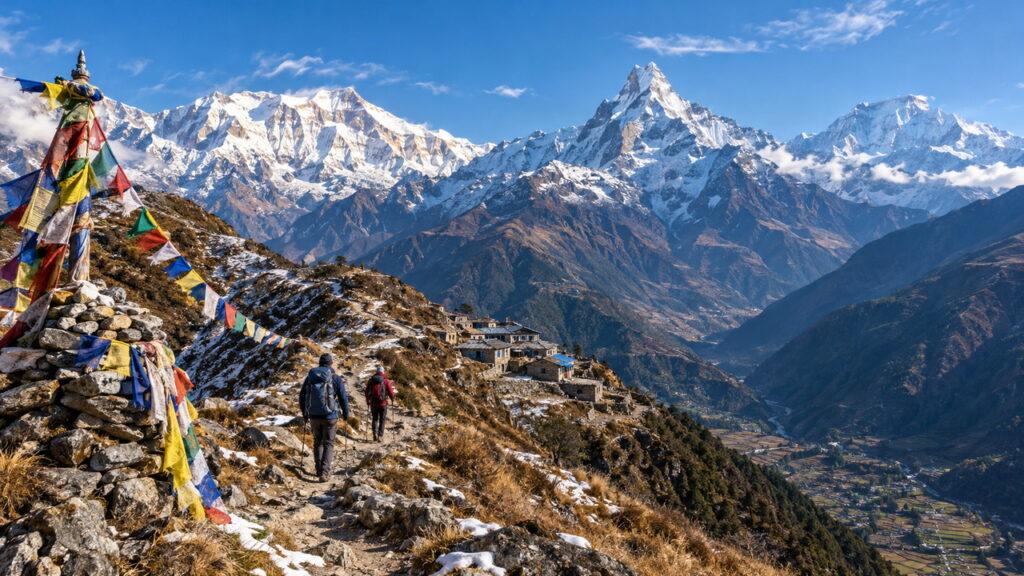
Nepal is home to some of the world’s most remarkable mountain landscapes, and the Annapurna region offers an unforgettable combination of natural beauty, cultural diversity, and high-altitude adventure. The Annapurna Circuit Trek takes hikers through river valleys, traditional mountain villages, forests, alpine landscapes, and challenging Himalayan terrain. Its dramatic scenery and changing environments make it one of Nepal’s best-known long-distance trekking experiences.
However, completing this journey requires more than enthusiasm and comfortable hiking boots. Route changes, altitude risks, seasonal weather, permit requirements, and transportation arrangements all influence the experience. Understanding these factors before departure will help you plan a safer, more comfortable, and more rewarding Himalayan trek.
What Is the Annapurna Circuit Trek?
The Annapurna Circuit Trek is a long-distance trekking route that travels through the Annapurna region of central Nepal.
The traditional circuit follows valleys around the Annapurna massif, crossing from the Marsyangdi River drainage into the Kali Gandaki valley through the high-altitude Thorong La Pass.
The route passes through communities influenced by different cultural traditions, including Gurung, Manangi, and Thakali heritage.
Trekkers encounter agricultural villages, Buddhist monasteries, mountain landscapes, and settlements that have supported Himalayan travel for generations.
The Annapurna Circuit Trek is especially known for its environmental diversity. Lower elevations may feature cultivated terraces and forests, while higher sections include dry alpine valleys and exposed mountain terrain.
Unlike routes that travel to a single viewpoint and return along the same path, the circuit traditionally connects different valleys.
However, road development has changed how many people complete the journey. Some trekkers now use vehicles for selected sections, while others follow alternative walking trails to avoid roads where practical.
Where Is the Annapurna Circuit Trek Located?
The Annapurna Circuit Trek is located in Nepal’s Gandaki region, within and around the Annapurna Conservation Area.
The route traditionally begins in the lower Marsyangdi valley and continues through settlements such as Dharapani, Chame, Pisang, Manang, Yak Kharka, and Thorong Phedi.
After crossing Thorong La Pass, trekkers descend toward Muktinath and the Kali Gandaki valley.
Some itineraries continue through Jomsom, Marpha, Tatopani, Ghorepani, and Nayapul, while shorter versions use road transport after reaching the western side of the pass.
The Annapurna Circuit Trek therefore does not have one universally fixed distance or duration.
Its total length depends on the starting point, finishing point, road transfers, side trips, and selected walking trails.
Why Is the Annapurna Circuit Trek So Popular?
The Annapurna region combines dramatic geography with established trekking infrastructure.
Unlike remote expeditions requiring extensive camping arrangements, much of the Annapurna Circuit Trek follows a network of villages with guesthouses and teahouses.
This makes multi-day trekking more accessible from a logistical perspective, although the physical and altitude-related challenges remain substantial.
Spectacular Himalayan Landscapes
The route offers views of major Himalayan mountains, including Annapurna II, Annapurna III, Gangapurna, and other peaks visible from different locations.
The Annapurna Circuit Trek passes through landscapes that change noticeably with elevation.
Trekkers may begin among green hills and cultivated fields before reaching rocky valleys, glacial scenery, and snow-covered mountain passes.
These transitions are a defining feature of the journey.
Cultural Experiences
Village life is another important part of the experience.
Traditional architecture, local agriculture, religious monuments, and community-run accommodation help visitors understand the region beyond its scenery.
The Annapurna Circuit Trek passes through areas where Hindu and Buddhist traditions have influenced local culture.
Visitors should respect religious sites, request permission before photographing people, and follow local customs.
A Challenging Mountain Crossing
Thorong La Pass is the route’s most demanding and widely recognized landmark.
Crossing the pass involves prolonged walking at very high elevation.
The Annapurna Circuit Trek therefore requires careful acclimatization, appropriate fitness, and decisions based on current conditions rather than a rigid schedule.
Annapurna Circuit Trek Distance and Duration
The distance of the Annapurna Circuit Trek varies considerably because different itineraries use different starting and finishing points.
A traditional extended circuit can cover approximately 160–230 kilometres, depending on the route and included sections.
Shorter itineraries may involve substantially less walking because vehicles now reach locations that previously required several days on foot.
Most organized itineraries allow approximately 12–20 days, although longer journeys may include additional acclimatization, cultural visits, and side trips.
A shorter itinerary is not automatically better.
The main concern is whether the schedule allows enough time to adjust to altitude before crossing Thorong La.
Can Beginners Complete the Annapurna Circuit Trek?
Motivated beginners with suitable preparation may complete the trek, but prior multi-day hiking experience is valuable.
The Annapurna Circuit Trek includes consecutive walking days, steep ascents, variable weather, and limited medical facilities in higher settlements.
Beginners should be realistic about fitness, altitude exposure, and the possibility of itinerary changes.
Hiring an appropriately qualified local guide can help with route planning and logistical decisions.
Annapurna Circuit Trek Route Overview
A typical Annapurna Circuit Trek itinerary follows the Marsyangdi valley toward Manang before crossing Thorong La and descending to Muktinath.
The exact overnight stops depend on fitness, acclimatization, transport arrangements, and local conditions.
Besisahar and the Lower Marsyangdi Valley
Besisahar has traditionally served as an important gateway to the Annapurna region.
Road transport from Kathmandu or Pokhara can bring trekkers toward the starting area.
Some visitors begin walking near Besisahar, while others travel farther along the road before starting their trek.
The lower valley features settlements, agricultural landscapes, and subtropical vegetation.
Dharapani and Chame
Dharapani is a common stopping point on itineraries approaching the upper Marsyangdi valley.
Chame, the administrative centre of Manang District, provides accommodation and services for trekkers.
The Annapurna Circuit Trek becomes increasingly mountainous through this section.
Forests, rivers, suspension bridges, and changing valley scenery contribute to the experience.
Pisang and Upper Pisang
Pisang offers different route options, including trails through Upper Pisang.
Higher alternatives can provide impressive mountain views and cultural experiences.
However, route selection should account for weather, trail conditions, and the group’s fitness.
The Annapurna Circuit Trek should not be planned solely around scenic viewpoints if doing so creates unnecessary altitude or safety concerns.
Manang Village
Manang is one of the most important acclimatization locations on the route.
Situated at approximately 3,500 metres, the village provides accommodation and access to nearby day hikes.
Many Annapurna Circuit Trek itineraries include at least one acclimatization day here.
This time can help trekkers adjust to elevation while assessing their condition before moving higher.
Yak Kharka and Thorong Phedi
Beyond Manang, the route climbs through increasingly sparse alpine terrain.
Yak Kharka is a common overnight stop, followed by accommodation around Thorong Phedi or High Camp.
The Annapurna Circuit Trek becomes more demanding as oxygen availability decreases.
Sleeping altitude, symptoms, and weather conditions should guide the pace.
Thorong La Pass
Thorong La is the highest point of the standard Annapurna Circuit Trek route.
The pass reaches approximately 5,416 metres above sea level.
Crossing usually involves an early departure because conditions can deteriorate later in the day.
Strong winds, snowfall, ice, and poor visibility can create serious hazards.
Trekkers should cross only when adequately acclimatized and when weather and trail conditions are suitable.
Muktinath and the Kali Gandaki Valley
After crossing Thorong La, the route descends toward Muktinath.
Muktinath is an important religious destination associated with Hindu and Buddhist traditions.
The descent offers a dramatic change in scenery.
Many Annapurna Circuit Trek itineraries continue toward Jomsom and other settlements in the Kali Gandaki valley.
Sample Annapurna Circuit Trek Itinerary
A realistic itinerary should include gradual altitude gain and flexibility for delays.
The following example illustrates a commonly used approach rather than a fixed schedule.
Days 1–3: Travel and Begin Trekking
Travel from Kathmandu toward the Annapurna region and begin walking from an appropriate starting point.
Depending on road conditions and the itinerary, the first trekking days may include Dharapani and Chame.
Days 4–6: Approach Manang
Continue through Pisang and surrounding villages toward Manang.
Choose walking routes based on conditions and available time.
Days 7–8: Acclimatization in Manang
Spend time adjusting to altitude.
Short hikes may be appropriate when trekkers feel well, but they should not replace rest or encourage excessive exertion.
Days 9–10: Move Toward Thorong Phedi
Continue through Yak Kharka or nearby settlements.
The ascent should remain conservative because sleeping elevations increase.
Day 11: Cross Thorong La
Cross Thorong La only when conditions and acclimatization are appropriate.
Descend toward Muktinath after the pass.
Days 12–15: Explore or Exit the Region
Continue through the Kali Gandaki valley, use appropriate transport, or add further walking stages.
Some Annapurna Circuit Trek itineraries include additional cultural stops or viewpoints.
Allow contingency time for weather, road interruptions, and changes in physical condition.
Best Time for the Annapurna Circuit Trek
Seasonal weather strongly affects the experience.
The best time for the Annapurna Circuit Trek is generally during the pre-monsoon spring season or the post-monsoon autumn period.
However, Himalayan weather is variable, and seasonal averages cannot guarantee safe conditions.
Spring: March to May
Spring often brings relatively favourable trekking conditions.
Lower elevations may feature flowering vegetation, while higher areas remain cold.
Early spring can still bring substantial snow around Thorong La.
The Annapurna Circuit Trek in spring requires suitable clothing and awareness of changing mountain weather.
Autumn: September to November
Autumn is a popular trekking period because skies are often clearer after the monsoon.
Mountain visibility can be excellent during settled weather.
However, early autumn may still experience lingering rainfall, and late autumn temperatures can become very cold.
The Annapurna Circuit Trek is often busier during this season, especially around popular overnight stops.
Winter: December to February
Winter brings cold temperatures and increased snow-related challenges at higher elevations.
Thorong La may become dangerous or temporarily impassable.
Annapurna Circuit Trek winter itineraries require careful weather assessment and experience appropriate to the conditions.
Monsoon: June to August
Monsoon conditions can bring heavy rainfall, slippery trails, landslides, and transportation disruptions.
Some higher sections receive less rainfall because of local rain-shadow effects.
Nevertheless, the broader Annapurna Circuit Trek journey can still be affected by storms and damaged routes.
Understanding Altitude Sickness
Altitude illness is one of the most important risks on the Annapurna Circuit Trek.
As elevation increases, the amount of oxygen available with each breath decreases.
The body needs time to acclimatize.
Ascending too quickly can increase the risk of acute mountain sickness and more serious altitude-related emergencies.
Symptoms of Acute Mountain Sickness
Symptoms may include headache, nausea, dizziness, unusual fatigue, and disturbed sleep after gaining altitude.
These symptoms should not be dismissed as ordinary trekking discomfort.
Anyone developing symptoms should stop ascending and assess the situation.
Serious Altitude Emergencies
High-altitude cerebral edema and high-altitude pulmonary edema are potentially life-threatening conditions.
Warning signs can include confusion, difficulty walking normally, severe breathlessness, or breathlessness at rest.
These conditions require urgent descent and emergency medical assistance.
How to Reduce Altitude Risks
The Wilderness Medical Society and other mountain medicine authorities emphasize gradual ascent, symptom awareness, and appropriate responses to altitude illness.
A commonly used planning principle above approximately 3,000 metres is to limit increases in sleeping altitude to around 500 metres per day, with additional acclimatization time, although individual itineraries and circumstances require judgment.
Annapurna Circuit Trek schedules should allow flexibility rather than treating each overnight stop as mandatory.
Medication such as acetazolamide may be appropriate for some travellers, but its use should be discussed with a qualified healthcare professional.
Medication does not make rapid or unsafe ascent acceptable.
7 Essential Tips for a Successful Annapurna Circuit Trek
Good preparation can make a significant difference during a long Himalayan journey.
These Annapurna Circuit Trek tips focus on safety, comfort, and practical decision-making.
1. Build Your Trekking Fitness
Prepare with regular walking, uphill hiking, and exercises that improve leg strength.
Carrying a loaded backpack during training can help you understand the physical demands.
However, good fitness does not prevent altitude illness.
2. Allow Enough Acclimatization Time
Do not shorten the itinerary simply to complete the trek faster.
Include appropriate acclimatization days and monitor symptoms.
3. Pack for Changing Weather
Mountain conditions can change rapidly.
Carry suitable insulating layers, waterproof protection, gloves, and a warm hat.
4. Stay Hydrated and Eat Regularly
Physical exertion and altitude can affect appetite and fluid requirements.
Drink appropriately, eat regular meals, and avoid excessive alcohol consumption.
5. Follow Current Local Advice
Trail conditions, road access, and pass safety can change.
Local guides, accommodation providers, and relevant authorities may provide useful updates.
6. Carry Appropriate Insurance
Check that your travel insurance covers trekking at the intended altitude.
Confirm whether emergency evacuation, including helicopter rescue when medically necessary, is included.
7. Remain Flexible
Weather, illness, and transport disruptions may require changes.
The Annapurna Circuit Trek should be approached as a mountain journey where safety takes priority over completing a planned schedule.
Annapurna Circuit Trek Permits and Regulations
Trekkers generally need an Annapurna Conservation Area Permit, commonly called ACAP.
Permit procedures and requirements can change.
Before departure, check current information from the National Trust for Nature Conservation and relevant Nepal tourism authorities.
TIMS and Guide Requirements
Nepal’s trekking registration and guide policies have changed in recent years, and implementation can differ between areas and trekking arrangements.
Do not rely on outdated websites claiming that a particular permit or guide arrangement is always required or never required.
For the Annapurna Circuit Trek, confirm current requirements with the Nepal Tourism Board, Trekking Agencies’ Association of Nepal where relevant, and the authorized permit-issuing body.
Carry Identification
Keep required permits and identification accessible during the trek.
Checkpoints may request documentation.
Follow local entry rules and conservation area regulations.
How Much Does the Annapurna Circuit Trek Cost?
The cost of the Annapurna Circuit Trek depends on duration, accommodation choices, transportation, guide arrangements, porter services, meals, permits, and travel insurance.
Costs can also change because of seasonal demand, transport conditions, and local pricing.
Accommodation Costs
Most established trekking villages offer teahouses or guesthouses.
Accommodation ranges from basic rooms to relatively comfortable lodges in larger settlements.
Facilities generally become simpler at higher elevations.
Food Expenses
Meals usually cost more in remote locations because supplies are difficult to transport.
Typical teahouse menus may include dal bhat, noodles, soups, rice dishes, and other available meals.
Budget for sufficient food rather than reducing nutrition to minimize expenses.
Guide and Porter Costs
Guide and porter fees depend on experience, season, itinerary, agency arrangements, and included services.
Clarify wages, accommodation, meals, insurance, equipment, and tips before booking.
Responsible trekking includes fair treatment and suitable working conditions for local staff.
Transportation Costs
Road transport may connect Kathmandu or Pokhara with route access points.
Travel costs depend on vehicle type, distance, and road conditions.
Emergency and Insurance Expenses
Travel insurance should be considered part of the essential budget.
Emergency helicopter evacuation can be extremely expensive without suitable coverage.
Accommodation on the Annapurna Circuit Trek
The Annapurna Circuit Trek is commonly described as a teahouse trek.
Teahouses are local accommodations that provide rooms and meals to visitors.
Standards vary considerably.
Lower villages may offer private bathrooms and additional amenities, while high-altitude lodges may provide basic rooms and shared facilities.
What to Expect in a Teahouse
Rooms commonly contain beds and simple bedding.
Heating may be concentrated in communal dining areas rather than bedrooms.
Hot showers, device charging, and internet access may involve additional charges.
Availability is not guaranteed in every settlement.
Booking Accommodation
During popular trekking seasons, accommodation can become crowded.
An Annapurna Circuit Trek guide or agency may help coordinate overnight arrangements.
Independent travellers should plan conservatively and avoid arriving at remote settlements without considering available accommodation.
Food and Drinking Water During the Trek
Food and water safety matter throughout the journey.
The Annapurna Circuit Trek passes through areas where untreated water should not automatically be assumed safe to drink.
Common Meals
Dal bhat, consisting of rice, lentils, and accompanying dishes, is widely available.
Other options may include noodle dishes, soups, potatoes, porridge, and seasonal local foods.
Menus become more limited in remote locations.
Safe Drinking Water
Use an appropriate water treatment method, such as effective filtration combined with disinfection when needed, or properly boiled water.
The suitability of a treatment method depends on the microorganisms it addresses.
Some filters do not reliably remove viruses.
Carry enough water between reliable refill points.
Food Hygiene
Choose freshly prepared meals where practical.
Wash or sanitize hands before eating.
Travellers with dietary restrictions should communicate their needs in advance.
Essential Annapurna Circuit Trek Packing List
Packing should balance protection, comfort, and manageable weight.
The Annapurna Circuit Trek includes both relatively warm lower valleys and freezing high-altitude conditions.
Clothing
Bring moisture-managing base layers, insulating midlayers, a warm outer jacket, and waterproof protection.
Gloves, a warm hat, and sun protection are important at higher elevations.
Footwear
Choose trekking boots or shoes appropriate to the terrain and expected conditions.
Break them in before departure.
Carry comfortable socks and consider lightweight footwear for use inside lodges.
Trekking Equipment
Useful equipment may include trekking poles, a headlamp, a daypack, water containers, and a sleeping bag appropriate for expected temperatures.
Health and Safety Supplies
Carry personal medication, basic first-aid supplies, sun protection, and appropriate water treatment equipment.
A power bank can be useful where charging facilities are limited.
Documents
Keep required identification, permits, insurance details, emergency contacts, and relevant booking information accessible.
Annapurna Circuit Trek Difficulty Level
The Annapurna Circuit Trek is generally considered a challenging multi-day trek.
Difficulty comes from long walking days, uneven terrain, altitude gain, and the crossing of Thorong La.
Daily distances vary, and walking speed often decreases at higher elevations.
Physical Challenges
Trekkers may encounter steep climbs, rocky descents, suspension bridges, and extended periods on foot.
Strong knees, suitable footwear, and trekking poles can help manage descents.
Mental Challenges
Cold weather, basic facilities, fatigue, and changing plans can be mentally demanding.
A flexible attitude and realistic expectations help.
Technical Requirements
The standard Annapurna Circuit Trek is primarily a trekking route rather than a technical mountaineering expedition.
However, snow and ice can create conditions requiring additional equipment or specialized judgment.
Do not attempt a hazardous pass crossing simply because the route is normally completed without technical climbing.
Annapurna Circuit Trek vs. Everest Base Camp Trek
Both routes offer memorable Himalayan experiences, but they differ in geography and itinerary structure.
The Everest Base Camp Trek generally follows an out-and-back route through the Khumbu region.
The Annapurna Circuit Trek crosses between major valleys and includes Thorong La Pass.
Landscape Variety
The Annapurna Circuit Trek is particularly known for changes between subtropical valleys, forests, dry alpine terrain, and high mountain environments.
The Everest Base Camp route offers its own distinctive landscapes and Sherpa cultural experiences.
Highest Elevation
Thorong La reaches approximately 5,416 metres.
Everest Base Camp is commonly listed at approximately 5,364 metres.
However, altitude risk depends on ascent profile and acclimatization, not just the highest point.
Trekking Experience
The Annapurna Circuit Trek offers a broad cultural and environmental journey.
Everest Base Camp emphasizes the Khumbu region and proximity to the world’s highest mountain.
Neither trek is universally easier or better.
Responsible Trekking in the Annapurna Region
The Annapurna Conservation Area supports wildlife, local communities, and important mountain ecosystems.
Responsible trekking helps reduce unnecessary environmental and social impacts.
Reduce Plastic Waste
Carry reusable water containers and use appropriate water treatment methods.
Avoid leaving packaging, batteries, or other waste along trails.
Respect Local Communities
Ask permission before photographing people or entering private spaces.
Follow local customs around religious sites.
Support Local Businesses
Locally operated accommodation, food services, and guiding businesses contribute to regional livelihoods.
Choose services that demonstrate fair working practices.
Protect Wildlife and Trails
Remain on established routes where appropriate.
Avoid disturbing animals or removing plants and natural materials.
Common Annapurna Circuit Trek Mistakes
One major mistake is planning an itinerary with insufficient acclimatization.
Rapid ascent can increase altitude illness risk even among physically fit trekkers.
Another mistake is underestimating Thorong La weather conditions.
A clear forecast does not guarantee that conditions will remain safe throughout the crossing.
Trekkers may also pack too much equipment, making daily walking unnecessarily difficult.
Other problems include inadequate insurance, unsuitable footwear, poor hydration practices, and relying on outdated permit information.
The Annapurna Circuit Trek rewards careful preparation and flexible decision-making rather than rushing toward the finish.
Is the Annapurna Circuit Trek Worth It?
For travellers who enjoy mountain scenery, cultural experiences, and challenging multi-day hikes, the Annapurna Circuit Trek can be an exceptionally rewarding journey.
Its combination of traditional villages, changing landscapes, and high-altitude terrain creates an experience distinct from many other trekking routes.
However, it is not suitable for everyone.
The altitude, physical demands, variable weather, and limited access to medical care require serious preparation.
Travellers with relevant medical conditions should seek individualized advice before undertaking high-altitude trekking.
The most enjoyable experience is one planned around realistic abilities, sufficient time, and respect for mountain conditions.
FAQ’s
1. How long does the Annapurna Circuit Trek take?
The Annapurna Circuit Trek commonly takes approximately 12–20 days, depending on the route, transport arrangements, acclimatization schedule, and additional stops.
2. What is the highest point of the Annapurna Circuit Trek?
Thorong La Pass is the highest point of the standard route, reaching approximately 5,416 metres above sea level.
3. What is the best month for the Annapurna Circuit Trek?
October and November are popular for generally favourable post-monsoon conditions, while parts of spring can also be suitable. Weather is never guaranteed.
4. Is the Annapurna Circuit Trek suitable for beginners?
Prepared beginners may complete it with appropriate support, but multi-day hiking experience, careful acclimatization, and realistic fitness expectations are strongly recommended.
5. Do I need a guide for the Annapurna Circuit Trek?
Guide and trekking registration requirements can change. Verify current rules with authorized Nepal tourism and conservation authorities before departure.
6. How difficult is the Annapurna Circuit Trek?
The Annapurna Circuit Trek is challenging because of its duration, altitude, variable weather, and Thorong La crossing, although the standard route is not normally technical mountaineering.
Conclusion
The Annapurna Circuit Trek offers an extraordinary journey through Nepal’s Himalayan landscapes, connecting traditional mountain communities with dramatic valleys and the high-altitude Thorong La crossing. Its combination of cultural experiences, diverse scenery, and physical challenges makes it a memorable adventure for appropriately prepared trekkers.
Before beginning the Annapurna Circuit Trek, plan sufficient acclimatization time, verify current permits and route conditions, arrange suitable insurance, and prepare for changing mountain weather. A flexible itinerary and responsible trekking practices will help you enjoy the region while prioritizing safety and respect for the communities you visit.