
For travellers who imagine lions moving through golden grasslands, elephants crossing beneath an enormous African sky and wildebeest gathering on seemingly endless plains, Roaring Adventure Dreams can...
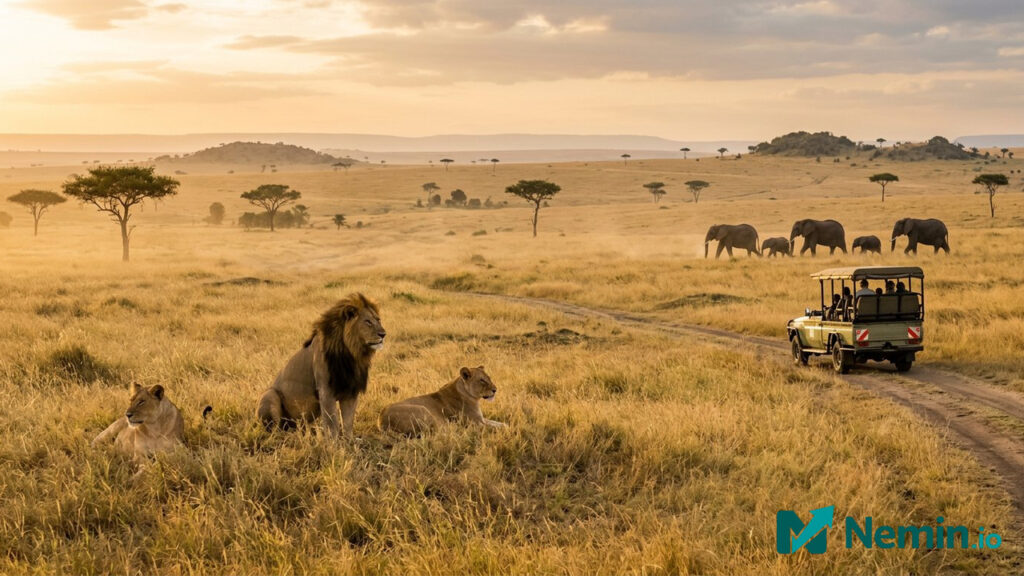
For travellers who imagine lions moving through golden grasslands, elephants crossing beneath an enormous African sky and wildebeest gathering on seemingly endless plains, Roaring Adventure Dreams can feel remarkably close to reality in Tanzania. The country brings together internationally renowned safari regions, extraordinary wildlife diversity and dramatically different ecosystems, from the Serengeti and Ngorongoro Conservation Area to Tarangire, Nyerere and Ruaha. Yet a Tanzanian safari is about more than checking famous animals off a list. Its real power comes from scale, unpredictability and the opportunity to observe wild animals within functioning ecosystems, creating an experience that can feel both thrilling and deeply humbling.
Tanzania occupies a special position in the safari world. Its protected landscapes include national parks, conservation areas and game reserves spanning savannah, woodland, wetlands, volcanic highlands, lakes and remote wilderness. This diversity means that one safari itinerary can deliver very different experiences without leaving the country.
For first-time visitors, Tanzania can fulfil the classic vision of an East African safari. For experienced safari travelers, less-visited regions offer quieter landscapes and opportunities to explore ecosystems beyond the familiar northern circuit.
This guide examines why Tanzanian safaris inspire such powerful travel ambitions, where to go, when to travel, what wildlife experiences are realistic and how to plan responsibly. It also explains why Roaring Adventure Dreams are best fulfilled through informed expectations rather than promises of specific sightings.
Why Roaring Adventure Dreams Lead Travellers to Tanzania
Few destinations combine wildlife, space and landscape as effectively as Tanzania. The country’s safari identity is strongly associated with the Serengeti, but that famous ecosystem represents only one part of a much broader wildlife story.
Northern Tanzania offers a well-established route connecting several major attractions. Southern and western regions can provide a different style of safari, often involving longer travel distances and fewer visitors.
What links these destinations is the opportunity to see wildlife behaving naturally. There are no guarantees about where a lion will walk, when elephants will appear or whether predators will hunt. That uncertainty is fundamental to a genuine safari.
Roaring Adventure Dreams Begin With Wild Landscapes
Tanzania’s visual scale is one of its defining qualities. On the Serengeti plains, horizons can stretch far beyond the nearest wildlife vehicle. In Tarangire, baobabs create a completely different visual character. Ngorongoro places wildlife within the extraordinary setting of a large volcanic caldera.
Further south, Ruaha’s woodland and river systems create another interpretation of Tanzania’s wilderness. Nyerere National Park, part of the wider Selous ecosystem, offers waterways alongside terrestrial habitats.
The variation makes a multi-park itinerary particularly rewarding. Rather than repeating the same type of game drive, travellers can experience landscapes that influence animal distribution and behaviour in different ways.
Wildlife Is Never a Scheduled Performance
Safari marketing can sometimes make wildlife encounters appear predictable. They are not.
Professional guides use knowledge of habitat, seasons, animal behaviour, recent sightings and tracks to improve the chances of meaningful encounters. But a wild lion is not required to appear at sunrise, and a leopard may remain hidden regardless of how carefully visitors search.
This uncertainty enhances rather than diminishes Roaring Adventure Dreams. The anticipation of not knowing what lies around the next corner gives a real safari much of its excitement.
The Serengeti and Roaring Adventure Dreams
Serengeti National Park is one of Tanzania’s best-known protected areas and part of the wider Serengeti ecosystem. Its name is inseparable from images of open plains, predators and enormous herds.
Visitors may encounter wildebeest, zebra, gazelles, lions, cheetahs, elephants, giraffes, hyenas and numerous bird species, although sightings depend on location, season and chance.
The park is large enough that choosing the right area matters. Wildlife patterns differ between regions and throughout the year.
The Great Migration Explained
The Great Migration is a continuous movement involving vast numbers of wildebeest along with zebra and other grazing animals across the Serengeti Mara ecosystem of Tanzania and Kenya. Rainfall and access to grazing influence the movement, so it should not be understood as an event occurring on one fixed date.
Certain stages receive particular attention. Calving is associated with the southern plains during part of the year, while river crossings become famous at other stages of the migration.
Exact timing can vary from year to year because natural systems do not follow tourism calendars.
Why Migration Safaris Require Flexible Expectations
Travellers often book a safari hoping to witness a dramatic river crossing. Even during periods associated with crossings, nobody can guarantee that a crossing will occur while a particular visitor is present.
Herds may gather and then retreat. Weather and grazing conditions influence movement. Patience matters.
A better approach is to treat the migration as an ecosystem experience rather than one photographic moment. Huge herds, predator activity, scavengers and the relationship between rainfall and grazing all contribute to the story.
Roaring Adventure Dreams Beyond River Crossings
The Serengeti remains compelling even without a river crossing. Lions resting in grass, cheetahs scanning open ground, elephants travelling between feeding areas and giraffes moving against a broad horizon can become equally memorable encounters.
This is one reason travellers should avoid building their entire safari around a single anticipated event. A broader mindset allows each game drive to reveal something worthwhile.
Roaring Adventure Dreams become richer when travellers appreciate behaviour, habitat and ecology alongside dramatic sightings.
Ngorongoro Crater and Roaring Adventure Dreams
The Ngorongoro Conservation Area is distinct from a conventional national park. It combines major natural values with a landscape in which Maasai pastoral communities have longstanding connections.
Its most famous geographical feature is Ngorongoro Crater, technically a caldera. The descent from the highlands toward the crater floor provides a striking change in perspective.
Wildlife on the crater floor can include buffalo, zebra, wildebeest, lions, hyenas and other species. Black rhinos are also present in the area, though seeing one is never guaranteed.
Why Ngorongoro Feels So Different
The surrounding walls create a natural visual frame unlike the open Serengeti. Grassland, marshes and other habitats contribute to a varied ecosystem within a relatively concentrated area.
This concentration can make wildlife viewing productive, but visitors should not confuse productive viewing with certainty. Animals still move according to natural conditions.
Ngorongoro is popular, so traffic levels can also be noticeable at sought-after sightings.
Adding Cultural Awareness to a Safari
A Tanzania journey should not present landscapes as though humans have never been part of them. The cultural history and contemporary lives of local communities matter.
Travellers interested in cultural visits should choose experiences built around respect, informed participation and appropriate benefit to host communities. Avoid treating people as tourist exhibits.
Good operators should be able to explain how a community experience is organised and where visitor payments go.
Tarangire Brings Roaring Adventure Dreams to Life
Tarangire National Park adds an important ecological contrast to northern safari itineraries. The park is known for baobab-dotted scenery and important wildlife habitat associated with the Tarangire River.
Seasonal conditions influence wildlife concentrations. During drier periods, access to water can affect where animals gather.
Elephants are one of the species strongly associated with Tarangire, although, as everywhere on safari, specific encounters remain unpredictable.
A Landscape Made for Slow Observation
Tarangire rewards visitors who are willing to watch rather than constantly drive toward the next reported sighting. Elephant interactions, bird activity and the movement of herbivores can reveal details that are easy to miss at speed.
Baobab trees also give the park a distinctive photographic personality.
For Roaring Adventure Dreams, this slower approach can be transformative. Excitement does not always require a predator chase. Sometimes the most engaging scene is a family group of elephants quietly feeding.
Birdlife Adds Another Dimension
Tanzania is rich in birdlife, and safari travellers who begin with little interest in birds often discover how much they contribute to the landscape.
Raptors, waterbirds and colourful smaller species all offer reasons to look beyond large mammals.
A knowledgeable guide can explain calls, feeding behaviour and ecological relationships. Birding also ensures that quieter game drives remain full of activity.
Southern Tanzania for Bigger Roaring Adventure Dreams
The northern circuit is famous for good reason, but Tanzania’s southern safari regions deserve attention from travellers wanting a different experience.
Ruaha National Park and Nyerere National Park are two major names in southern Tanzania. Reaching them may involve flights depending on itinerary design, which can increase costs but reduce long road transfers.
The reward can be a strong sense of scale and a safari experience distinct from the Serengeti and Ngorongoro.
Exploring Nyerere National Park
Nyerere encompasses a vast protected landscape with rivers, lakes, woodland and other habitats. Safari activities available depend on the camp, location and current regulations.
Boat-based wildlife viewing is associated with suitable parts of the region and can provide an entirely different perspective from a traditional vehicle.
Hippos, crocodiles and water-associated birds may feature strongly along waterways, while terrestrial safaris explore the broader ecosystem.
Discovering Ruaha National Park
Ruaha is known for extensive wilderness, varied vegetation and a substantial wildlife ecosystem. Its remoteness is part of the attraction for many safari enthusiasts.
Game viewing can include elephants, predators, antelopes and diverse birdlife, depending on season and location.
Roaring Adventure Dreams Away From the Busiest Circuits
A quieter safari does not necessarily mean more animals. Its advantage lies in atmosphere and the possibility of spending time observing a sighting with fewer vehicles nearby.
Travellers prioritising remoteness should discuss expectations with a specialist operator. Some remote camps have seasonal operating schedules, and transport logistics can meaningfully influence price.
This is where Roaring Adventure Dreams can become less about famous landmarks and more about immersion.
When to Plan Roaring Adventure Dreams in Tanzania
There is no universally perfect month for a Tanzania safari. The right period depends on the parks, preferred wildlife experiences, budget and tolerance for rain or visitor numbers.
Weather also varies across such a large country. Climate patterns should be viewed as general tendencies rather than guarantees.
A useful planning overview is:
- June to October: Generally associated with drier conditions in many major safari areas and often considered a popular wildlife-viewing period.
- January to March: Often associated with calving season in the southern Serengeti ecosystem, although exact natural timing varies.
- April and May: Commonly wetter in many areas, with some properties closing or adjusting operations.
- November and December: Shorter rains may occur in parts of the country, but patterns vary.
Always obtain current regional advice before booking.
Dry Season Safari Advantages
Drier conditions can reduce vegetation density in some areas and cause animals to use dependable water sources, potentially aiding wildlife observation.
Road conditions can also be easier in many locations, though dust may be substantial.
Popular parks and wildlife sightings can attract more vehicles during sought-after travel periods, so those wanting solitude should consider location as carefully as season.
Green Season Safari Character
Rain can transform dry landscapes into green scenery and create dramatic skies for photography. Birdlife can be particularly interesting, and some lodges may offer different seasonal rates.
Rain can also complicate roads and activities. Heavy rainfall may alter schedules or access.
For photographers, green landscapes provide a completely different visual style from the golden imagery commonly associated with East African safari marketing.
Roaring Adventure Dreams and the Big Five
The term Big Five originally arose from historical big-game hunting and refers to lion, leopard, elephant, rhinoceros and buffalo. Today it is widely used in wildlife tourism, but it should not become the only measure of a successful safari.
Tanzania supports these species, but their distribution differs by region, and no ethical operator can promise that every visitor will see all five.
Leopards can be elusive. Rhinos have much more restricted distributions than animals such as buffalo. Sightings always involve an element of chance.
Look Beyond a Wildlife Checklist
Some of the most interesting safari experiences involve animals that receive less marketing attention. Hyenas have complex social systems. Giraffes create fascinating interactions around feeding and movement. Small mammals can reveal surprisingly sophisticated behaviour.
Then there are reptiles, insects and birds.
Roaring Adventure Dreams become more rewarding when every ecosystem interaction is treated as part of the experience rather than as something filling time between lion sightings.
Safari Accommodation for Roaring Adventure Dreams
Tanzanian safari accommodation ranges from permanent lodges to tented camps and highly luxurious properties. The terminology can sometimes be confusing because a tented camp may offer considerable comfort, including private bathrooms and full-service dining.
The best choice depends on budget, desired atmosphere and itinerary.
Location is especially important. A less expensive property requiring significant daily travel to reach priority wildlife areas may not always represent better overall value.
Lodges Versus Tented Camps
Lodges usually use more permanent construction and may offer facilities such as larger communal areas or pools. Tented camps can create a closer sensory connection with the environment.
“Tented” does not necessarily mean basic camping. Some safari tents include proper beds, furniture, en-suite facilities and private terraces.
Similarly, “lodge” does not automatically mean luxury. Evaluate each property individually.
Mobile and Seasonal Camps
Some camps position themselves strategically in relation to seasonal wildlife movements. These can appeal to travellers particularly focused on migration experiences.
Mobility does not imply guaranteed sightings. Migration timing changes, and camp locations still require game drives and professional guiding.
For Roaring Adventure Dreams focused on the migration, ask an operator why a specific camp and location suit your intended month.
What a Typical Tanzania Safari Day Looks Like
Schedules vary among parks, camps and private itineraries, but many safari days begin early when temperatures are relatively cool and wildlife may be active.
Guests may return for meals and rest during hotter hours before heading out again later.
Full-day game drives are another possibility, especially when exploring distant areas. Private vehicles generally give travellers more control over timing than shared drives.
Early Mornings Are Worth It
Sunrise can produce beautiful light and cooler conditions. It is also an atmospheric time to experience the landscape changing from darkness to full activity.
That does not guarantee predators will hunt. Wildlife behaviour remains unpredictable throughout the day.
Bring layers because mornings can feel cooler than expected, particularly at elevation.
Safari Guides Shape Roaring Adventure Dreams
A good guide contributes far more than driving. Guides interpret animal behaviour, identify species, read tracks, understand park regulations and help guests observe wildlife responsibly.
Their knowledge can turn an apparently quiet scene into an ecological lesson.
When choosing an operator, ask about guiding standards and whether the itinerary uses private or shared vehicles. For serious photographers or families with specific needs, a private vehicle can sometimes provide useful flexibility.
Photography and Roaring Adventure Dreams
Tanzania provides exceptional photographic opportunities, but good safari photography depends on patience and responsible positioning.
Longer focal lengths are useful for wildlife because they allow photographers to capture animals without demanding unsafe or intrusive proximity. A second camera body can reduce the need to change lenses in dusty environments, although it is by no means essential.
Dust protection and sufficient memory storage are practical priorities.
Photographing Wildlife Responsibly
Never ask a guide to pressure animals into moving or to position a vehicle illegally for a photograph. Avoid shouting, feeding wildlife or attempting to provoke eye contact.
Flash rules may vary by setting and species, and responsible operators should prioritise animal welfare and regulations.
The strongest wildlife image is not worth disrupting natural behaviour.
Put the Camera Down Occasionally
It is easy to experience an entire safari through a viewfinder. Photographs preserve details, but they cannot fully reproduce the sound, space and atmosphere of being there.
Spend periods simply watching.
Roaring Adventure Dreams are often remembered through sensory details that never appear in a photograph, including distant calls, wind across grass or the quiet before sunrise.
How to Plan Roaring Adventure Dreams Responsibly
Responsible safari travel begins with selecting legitimate operators and respecting protected-area regulations.
Tourism can contribute economically to conservation and communities, but its impacts are complex. Avoid simplistic claims that every safari automatically benefits wildlife. Ask companies how they manage environmental practices, employment, community relationships and wildlife-viewing standards.
Choose evidence over vague sustainability marketing.
Keep a Respectful Distance From Wildlife
Animals should control their own movements. Guides should avoid blocking routes, surrounding animals excessively or driving where vehicles are prohibited.
Never leave a vehicle unless your guide explicitly confirms it is safe and permitted.
Wild animals can be dangerous regardless of how calm they appear. Instructions from trained professionals should always take priority over obtaining photographs.
Responsible Cultural Experiences
Community tourism can add meaningful context to a safari when it is organised respectfully.
Ask whether hosts have agency over the experience, whether photography is permitted and how revenue is distributed. Permission should be obtained before photographing individuals.
Roaring Adventure Dreams should not come at the expense of dignity, privacy or cultural respect.
Costs Behind Roaring Adventure Dreams
A Tanzania safari can involve substantial expense because pricing includes far more than accommodation. Park and conservation fees, transport, guiding, meals, domestic flights and activity charges may all contribute.
Prices vary significantly by season and level of comfort.
Instead of comparing package totals alone, examine inclusions carefully.
Key cost areas include:
Safari category | What can affect the cost
Accommodation | Camp style, location, season and meal plan
Transport | Road transfers, private vehicles and domestic flights
Protected areas | Applicable park and conservation fees
Guiding | Shared versus private game drives and specialist guiding
Activities | Walking, boating or other permitted experiences
Extras | Drinks, gratuities, visas, insurance and personal purchases
Fees and policies can change, so request current written quotations from operators.
Where Spending Can Make the Biggest Difference
A higher price does not automatically produce better wildlife encounters. Animals do not recognise hotel categories.
Paying for a strategically located camp, experienced guide or private vehicle may deliver more practical value than purely cosmetic luxury.
For some travellers, however, excellent dining, spacious accommodation and premium service are important parts of the holiday. Budget according to personal priorities.
Health and Safety for Tanzania Safaris
Pre-travel health advice should come from qualified medical professionals or authoritative travel-health services because recommendations depend on itinerary, medical history and current conditions.
Discuss vaccinations, malaria risk and any necessary medication with an appropriate clinician well before departure.
Travel insurance should be suitable for the itinerary and planned activities.
Heat, Dust and Hydration
Safari days may involve heat, sun and dust. Carry drinking water and suitable sun protection and follow local guidance.
Some regions or seasons can be surprisingly cool in mornings and evenings, so layered clothing is practical.
Neutral-coloured, comfortable clothing generally works well for game drives. Special “safari fashion” is unnecessary.
Wild Animals Require Serious Respect
Never approach wildlife independently, even around camps. Animals can move through unfenced properties, depending on location.
Some camps provide escorts after dark. Use them when instructed.
Roaring Adventure Dreams are exhilarating precisely because the animals are wild. Safety procedures should therefore be treated seriously.
Packing for Roaring Adventure Dreams
Pack according to the season, luggage restrictions and activities. Small aircraft used on some safari routes may apply strict baggage rules, including restrictions involving luggage type and weight.
Confirm limits directly with your airline or tour operator rather than relying on general online packing advice.
Useful items can include:
- Lightweight, neutral clothing
- Warm layers for cool mornings
- Comfortable closed shoes
- Sun protection
- Binoculars
- Camera equipment and spare batteries
- Personal medication
- Travel documents
- Suitable power adapters
- A soft-sided bag where required by flight restrictions
Avoid unnecessary overpacking. Laundry services are available at many properties, although policies vary.
Combining Safari With Other Tanzanian Experiences
One reason Tanzania works well for longer itineraries is the ability to combine wildlife areas with other types of travel.
Zanzibar is a popular post-safari choice for travellers interested in beaches, historic Stone Town and Swahili coastal culture. Mainland coastal destinations are alternatives as well.
Mount Kilimanjaro attracts trekkers, although climbing it is a serious undertaking requiring dedicated preparation and should not be treated as a casual safari add-on.
Safari and Zanzibar
A bush-and-beach itinerary creates a strong contrast. After early starts and dusty game drives, several days near the coast can provide a slower finish.
Zanzibar deserves more attention than simply its resorts. Stone Town has a complex history shaped by African, Arab, Indian and European influences, including difficult histories connected to slavery and trade.
Travellers should approach that heritage thoughtfully and use reputable local guides where appropriate.
Making Roaring Adventure Dreams Work for Families
Tanzania can be an extraordinary family destination, but suitability depends on children’s ages, interests, health considerations and the properties selected.
Some camps impose minimum ages for certain activities, while long drives may be difficult for very young children.
Ask each property about family rooms, age policies, pool supervision and activity restrictions.
Keep Family Itineraries Realistic
A schedule designed for enthusiastic adults may be exhausting for children. Consider shorter game drives, downtime and properties where families can comfortably relax between activities.
Private vehicles offer more freedom to return early when someone becomes tired.
Roaring Adventure Dreams do not require every available hour to be spent searching for wildlife.
Common Mistakes That Can Shrink Roaring Adventure Dreams
The first common mistake is trying to visit too many parks in too little time. Tanzania is large, and transfers can consume hours that could otherwise be spent enjoying one location properly.
The second is expecting guaranteed wildlife encounters. Even excellent guides cannot control nature.
The third is choosing entirely on price without comparing location and inclusions. An apparently cheap itinerary can involve compromises that are not obvious in the headline figure.
The fourth is ignoring seasonality. The best region for a particular experience changes during the year.
Finally, avoid treating safari as a race to collect famous species. Observation is what turns sightings into memorable experiences.
Choosing a Tour Operator for Roaring Adventure Dreams
A reputable operator should provide a clear itinerary, transparent inclusions, accommodation details and realistic information about wildlife.
Ask who operates the safari on the ground, what vehicles are used, whether game drives are private or shared and what happens if travel disruptions occur.
Check recent independent reviews, but also investigate credentials and business information rather than relying solely on ratings.
Questions Worth Asking Before Booking
- Why have you selected these parks for my travel dates?
- What exactly is included and excluded?
- Is the vehicle private or shared?
- How experienced are the guides?
- What are the luggage restrictions?
- Which fees are included?
- What cancellation terms apply?
- What happens if a domestic flight changes?
- Are transfers included throughout?
- What health or insurance requirements should I verify independently?
Clear answers are a good foundation for Roaring Adventure Dreams because realistic planning reduces unwanted surprises.
Why Roaring Adventure Dreams Stay With Travellers
Safari creates an unusual relationship with time. Hours may pass without a headline sighting, followed by a few minutes of extraordinary animal behaviour.
The emotional power often comes from contrast. A quiet plain becomes active when a predator appears. A distant group of elephants gradually moves closer. A dark morning develops into a vast sunrise.
No two drives are identical because no two moments in a wild ecosystem can be reproduced exactly.
The Value of Unscripted Travel
Much modern travel can be predicted from photographs before arrival. Safari resists that predictability.
You may know where you will sleep and which park you will enter, but you cannot know what will happen along the road.
That uncertainty makes Roaring Adventure Dreams fundamentally different from an attraction built around a fixed performance schedule.
Roaring Adventure Dreams Become Real Through Patience
Patience is perhaps the most useful safari skill. It allows travellers to observe instead of constantly searching for the next spectacle.
A lion sleeping for an hour may eventually stand and interact with its pride. An elephant herd in the distance may move toward water. A seemingly empty tree may reveal a well-camouflaged bird or predator.
Nothing needs to happen on command for the experience to feel significant.
FAQ’s
What makes Tanzania ideal for Roaring Adventure Dreams?
Tanzania combines renowned wildlife areas, diverse habitats and famous ecosystems such as the Serengeti and Ngorongoro, making it well suited to immersive safari travel.
When is the best time for Roaring Adventure Dreams in Tanzania?
There is no single best month. The ideal period depends on the park, rainfall, desired wildlife experience, migration movements and personal travel preferences.
Can Roaring Adventure Dreams include the Great Migration?
Yes. Serengeti itineraries can be planned around seasonal migration patterns, but exact herd locations and dramatic events such as river crossings can never be guaranteed.
Are Roaring Adventure Dreams suitable for first-time safari travellers?
Yes. Tanzania’s northern circuit is especially popular with first-time visitors because several significant wildlife areas can be combined in one itinerary.
How many days should a Tanzania safari last?
The appropriate duration depends on destinations and transport. Avoid squeezing too many distant parks into a short trip, as slower itineraries usually allow more meaningful wildlife observation.
Are luxury camps necessary for Roaring Adventure Dreams?
No. Guiding, location, itinerary design and time spent observing wildlife often matter more than luxury level when determining the quality of a safari experience.
Conclusion
Roaring Adventure Dreams find a natural home in Tanzania because the country’s appeal extends beyond individual animal sightings. The Serengeti’s open plains, Ngorongoro’s dramatic geography, Tarangire’s baobabs and elephants, and the remote character of southern parks provide distinct ways to experience East African wildlife and landscapes.
The best Roaring Adventure Dreams are built around patience, responsible wildlife viewing and realistic planning. Choose the season and regions carefully, work with reputable operators and allow nature to remain unpredictable. That freedom is precisely what can make a Tanzanian safari feel so big, wild and unforgettable.
Pingback: Florence Tour: 9 Amazing Stops for an Unforgettable Trip
Pingback: Gorilla Safari: 7 Powerful Secrets for an Amazing Trek
Pingback: Longrange Ebikes 5 Powerful Affordable Picks for Longer Rides