
A Gorilla Safari offers a form of wildlife travel very different from watching animals across open savannah from a vehicle. Mountain gorilla trekking takes visitors on foot...
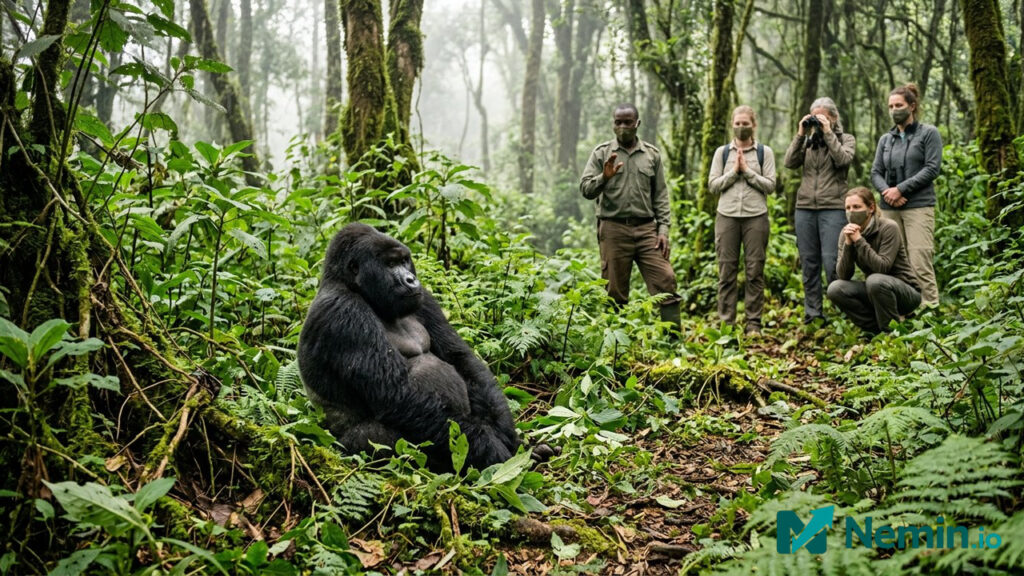
A Gorilla Safari offers a form of wildlife travel very different from watching animals across open savannah from a vehicle. Mountain gorilla trekking takes visitors on foot into forest habitats in Uganda, Rwanda and the wider Virunga landscape, accompanied by trained guides and trackers and governed by tightly controlled permit systems. The reward can be an extraordinary period observing habituated gorillas in their natural environment, but the experience also requires preparation, physical effort and strict respect for wildlife rules. Trekking conditions, permit prices, viewing procedures and health requirements can change, so successful planning combines excitement with current official information and realistic expectations.
Unlike a conventional safari, gorilla trekking is not primarily about covering great distances or building a long wildlife checklist. Much of the experience comes from walking through a complex forest ecosystem while trackers search for a gorilla group whose position changes naturally.
Once gorillas are located, visitors must follow the instructions of guides and park authorities. Distance rules, group size, viewing duration, illness restrictions and photography requirements exist to protect both gorillas and people.
This guide explains how to plan a Gorilla Safari, where mountain gorilla trekking takes place, what permits involve, how challenging the trek can be, what to pack and why responsible behaviour is central to the entire experience.
What Is a Gorilla Safari?
A Gorilla Safari is a wildlife journey focused on observing gorillas in their natural habitat, usually through organised trekking under the supervision of conservation authorities and professional guides.
For mountain gorillas, the best-known trekking destinations are Uganda and Rwanda. Mountain gorillas live in two broad populations, one associated with the Virunga Massif across Rwanda, Uganda and the Democratic Republic of the Congo, and another in Uganda’s Bwindi Impenetrable National Park.
Gorilla tourism also exists in other forms involving different gorilla subspecies elsewhere in Africa. Travellers should therefore confirm exactly which species, park and trekking experience an itinerary includes.
How a Gorilla Safari Differs From a Traditional Safari
On a typical savannah safari, visitors often travel in a vehicle while searching for lions, elephants, giraffes, antelopes and other wildlife. Gorilla trekking usually involves walking through forest and spending a regulated period near a habituated gorilla group.
The experience is more physically active and potentially more intimate in terms of observation distance, although visitors must never attempt to touch or approach gorillas.
| Experience | Gorilla Safari | Traditional Game Safari |
|---|---|---|
| Main activity | Forest trekking on foot | Primarily wildlife drives |
| Habitat | Dense tropical or montane forest | Savannah, woodland and other ecosystems |
| Wildlife focus | Gorillas and forest ecology | Multiple large mammal species |
| Access | Controlled permit system | Park entry and safari arrangements |
| Physical demand | Can be moderate to strenuous | Usually lower during vehicle-based viewing |
| Wildlife location | Trackers help locate habituated groups | Guides search across broader landscapes |
| Observation rules | Strict gorilla-specific procedures | Rules vary by park and species |
| Weather impact | Mud and steep terrain can be significant | Road and wildlife conditions vary |
Many travellers combine both experiences to create a broader East African wildlife itinerary.
Why Gorilla Safari Encounters Are Carefully Controlled
Gorillas are wild primates, and close human presence creates potential risks. Disease transmission is one concern because gorillas can be susceptible to human pathogens.
Tourism can also affect behaviour if poorly managed.
Permit systems, habituation programmes and strict visitor rules are designed to manage access. Responsible operators and visitors should treat these requirements as conservation measures rather than inconveniences.
7 Reasons a Gorilla Safari Feels So Extraordinary
A gorilla trek combines anticipation, physical effort and wildlife observation in a way that few conventional tourism experiences can reproduce.
The attraction is not based solely on proximity to a large primate. Forest setting, gorilla social behaviour, tracking expertise and conservation context all shape the experience.
1. A Gorilla Safari Takes Place on Foot
Walking changes how a landscape is experienced.
Instead of viewing the environment through a vehicle window, trekkers feel changes in elevation, temperature and vegetation. Forest sounds become part of the journey, and the pace allows guides to explain tracks, plants and other wildlife signs.
The physical journey can make the eventual encounter feel particularly significant.
2. Every Trek Is Unpredictable
A habituated gorilla group is still wild and moves freely through its habitat.
One group may be relatively close to a trail on a particular morning and substantially farther away another day. Terrain and weather can also influence trekking difficulty.
No ethical Gorilla Safari operator should promise an exact trekking duration or a specific photographic scene.
3. Gorilla Social Behaviour Is Fascinating
Visitors may observe feeding, resting, grooming, play or interactions between group members.
A silverback may attract immediate attention, but juveniles, infants and adult females can be equally interesting to watch.
Guides can help interpret behaviour without pretending that every movement has a simple human equivalent.
4. The Forest Is Part of the Experience
Mountain gorilla habitat is dramatically different from the open plains many travellers associate with African safaris.
Dense vegetation, mist, steep hills and filtered light create a distinctive environment.
A Gorilla Safari therefore appeals not only to wildlife enthusiasts but also to travellers interested in forests, photography and conservation.
5. Tracking Adds Anticipation
The journey before finding the gorillas is not wasted time.
Trackers and guides use knowledge of recent gorilla movements, signs and habitat to help locate the assigned group.
The final approach often requires particularly careful movement and close attention to guide instructions.
6. Visitor Numbers Are Managed
Gorilla access is controlled through permits rather than unrestricted entry.
This means planning is different from visiting many ordinary attractions. Availability can influence the travel date and itinerary, particularly during popular periods.
Always confirm permit arrangements through official authorities or a reputable operator.
7. Gorilla Safari Tourism Has a Conservation Dimension
Well-regulated tourism can generate revenue connected with protected-area management and local economies.
However, conservation outcomes are complex, and travellers should avoid claiming that purchasing any safari automatically protects gorillas.
Choosing legitimate permits, responsible operators and appropriately managed accommodation is a more meaningful approach.
Best Countries for a Mountain Gorilla Safari
Uganda and Rwanda are the most established choices for many international travellers planning mountain gorilla trekking.
The Democratic Republic of the Congo also contains mountain gorilla habitat within the Virunga ecosystem, but security and tourism operations can change. Anyone considering travel there should consult current government travel advice and official park information rather than relying on older articles.
For most trip planning, Uganda and Rwanda provide the clearest comparison.
Gorilla Safari in Uganda
Uganda’s best-known mountain gorilla destination is Bwindi Impenetrable National Park. Mgahinga Gorilla National Park, within the Virunga landscape, also provides mountain gorilla habitat.
Bwindi’s terrain can be steep and densely vegetated. Gorilla trekking is organised through designated areas, and itinerary logistics depend on where the visitor’s permit and accommodation are based.
This makes accommodation location particularly important. Booking a lodge without confirming the appropriate trekking area can create difficult transportation logistics.
Gorilla Safari in Rwanda
Rwanda’s mountain gorilla trekking takes place in Volcanoes National Park in the northwest of the country.
The park forms part of the Virunga Massif and is associated with dramatic volcanic scenery.
Rwanda is often considered convenient for travellers seeking a relatively compact itinerary from Kigali, although actual travel arrangements and road conditions should be confirmed when planning.
Uganda Versus Rwanda for a Gorilla Safari
Neither country is universally better.
| Factor | Uganda | Rwanda |
|---|---|---|
| Major trekking area | Bwindi Impenetrable National Park | Volcanoes National Park |
| Additional mountain gorilla area | Mgahinga Gorilla National Park | Trekking concentrated at Volcanoes |
| Landscape | Dense forest and steep hills | Mountain forest and volcanic scenery |
| Trip style | Easy to combine with several Ugandan parks | Convenient for focused Rwanda itineraries |
| Permit pricing | Check current UWA rates | Check current RDB rates |
| Trek difficulty | Varies by assigned group and conditions | Also varies by group and conditions |
| Accommodation | Range varies by trekking sector | Broad range around the park area |
| Best choice | Depends on itinerary and budget | Depends on itinerary and budget |
Because permit prices and policies can change, current official rates should always replace figures copied from older travel content.
Gorilla Safari Permits Explained
A permit authorises participation in a regulated gorilla trekking experience on a particular date and under the applicable park rules.
Permits are limited, so popular dates may require advance planning.
Travellers booking through an operator should receive clear confirmation that permit arrangements are included rather than assuming they are part of a package.
What Does a Gorilla Safari Permit Cover?
Exact inclusions vary by country and permit type.
Generally, the permit relates to access to the official trekking experience, guides and the regulated gorilla encounter. It does not automatically cover accommodation, transport, meals, visas, tips or unrelated park activities.
Ask for an itemised itinerary before paying.
Verify Permit Prices With Official Sources
Permit costs can change and may vary according to residency categories or specific experiences.
For Uganda, consult the Uganda Wildlife Authority for current policies. For Rwanda, check information from the Rwanda Development Board and official tourism channels.
This is more reliable than planning a budget around a blog article written several years earlier.
Never Buy an Unverified Gorilla Safari Permit
Permit scarcity can create opportunities for misleading offers.
Use official channels or an established tour operator that can document the booking.
If a price appears dramatically different from official information, investigate before transferring money.
How Difficult Is a Gorilla Safari?
The physical difficulty of gorilla trekking cannot be predicted precisely.
One trek may involve a relatively short walk, while another may require several hours across uneven, muddy or steep ground. Gorillas move naturally, so their location influences the day’s effort.
Weather can make the same terrain considerably more challenging.
Fitness for a Gorilla Safari
Visitors do not necessarily need to be elite athletes, but reasonable walking fitness can make the experience more comfortable.
Preparing with regular walking, hills and stairs can be useful, especially for travellers who normally lead a sedentary lifestyle.
Anyone with significant medical concerns should discuss the trip with an appropriate healthcare professional before travelling.
Porters Can Be Valuable
Where porter services are officially available, hiring a porter can reduce the burden of carrying water, camera equipment and other items.
Porters may also assist trekkers through difficult terrain within the boundaries of park procedures.
Using local porter services can provide direct economic opportunities, although arrangements and fees should be confirmed at the destination.
Best Time for a Gorilla Safari
Gorilla trekking can operate during different parts of the year, but weather patterns influence trail conditions.
Drier periods are often attractive because paths may be easier to navigate. Rainforest environments, however, can receive rain even during comparatively dry periods.
There is therefore no truly rain-proof Gorilla Safari season.
Seasonal Planning Overview
| Travel Consideration | Comparatively Drier Periods | Wetter Periods |
|---|---|---|
| Trails | May be less muddy | Can become slippery and muddy |
| Rain | Still possible | More frequent or substantial |
| Vegetation | Remains lush | Particularly green and dense |
| Photography | Variable forest light | Atmospheric conditions but less predictable |
| Trekking effort | Potentially easier underfoot | Can be more physically demanding |
| Availability | Popular dates may fill earlier | Demand can vary |
Rainfall patterns vary by year and region, so these are general considerations rather than guarantees.
Does Rain Cancel a Gorilla Safari?
Not necessarily. Forest trekking takes place in environments where rain is normal.
Severe conditions or safety concerns can affect activities, and park authorities make operational decisions according to circumstances.
Bring suitable rain protection regardless of the month.
What Happens on Gorilla Safari Day?
The day usually begins with arrival at the designated meeting or briefing point at the required time.
Park staff explain behaviour around gorillas, safety procedures and trekking arrangements. Visitors are then organised according to official procedures before heading into the forest with guides.
Exact processes differ by destination, so follow local instructions rather than expecting every park to operate identically.
The Trek Into the Forest
Once walking begins, conditions can change quickly.
Trails may give way to narrower forest routes, and vegetation can be wet even without active rainfall. Guides control pace and movement according to terrain and tracking information.
Do not leave the group to pursue photographs or wildlife independently.
Finding the Gorillas
When trackers locate the assigned gorilla group, guides prepare visitors for the controlled viewing period.
This is the moment when photography becomes especially tempting, but instructions still take priority.
Remain quiet, avoid sudden movements and keep the required distance unless guides direct you differently because of circumstances outside your control.
Gorilla Safari Rules You Must Follow
Rules exist primarily to protect gorillas and visitors.
Specific requirements can change, including minimum age, viewing distance, illness policies and face-covering rules. Check the current regulations from the relevant wildlife authority shortly before your trek.
Do not rely on remembered rules from a previous visit.
Core Responsible Behaviour
Visitors should expect rules covering several important areas:
- Follow the guide’s instructions throughout the trek.
- Maintain the distance required by park authorities.
- Never touch a gorilla.
- Do not feed wildlife.
- Avoid flash photography.
- Keep noise controlled.
- Follow health and illness restrictions.
- Do not litter in the forest.
- Remain with the authorised group.
- Follow instructions if a gorilla moves closer unexpectedly.
If an animal approaches, do not interpret that as permission to touch it. Guides will tell you how to respond.
Illness and Gorilla Safari Participation
Human respiratory illness can pose a concern for great apes because of biological similarities between humans and gorillas.
Visitors who are unwell may be restricted from trekking under park policies.
It can be disappointing to miss a long-planned experience, but wildlife health must take priority. Travel insurance may be worth considering for circumstances covered by an appropriate policy.
Health Rules Are Central to Responsible Gorilla Safari Tourism
Do not conceal illness simply because a permit was expensive.
A responsible Gorilla Safari depends on every visitor respecting disease-prevention measures.
Check current health requirements shortly before departure because policies can evolve.
What to Wear on a Gorilla Safari
Clothing should prioritise forest conditions rather than fashion.
Long trousers and long sleeves can provide protection from vegetation and insects. Footwear should offer good traction and suit wet or muddy terrain.
Layering is useful because temperature and exertion can change throughout the trek.
Gorilla Safari Packing Checklist
A practical packing list can include:
- Supportive walking or hiking footwear
- Long trousers suitable for trekking
- Long-sleeved shirt
- Lightweight waterproof jacket
- Small daypack
- Drinking water
- Appropriate snacks if permitted
- Gardening or trekking gloves for vegetation
- Sun protection
- Insect repellent appropriate to your circumstances
- Camera with sufficient battery and storage
- Personal medication
- Waterproof protection for electronics
Always confirm park restrictions and porter arrangements with your operator.
Protect Your Camera From Moisture
Rain, humidity and wet vegetation can affect photography equipment.
A waterproof bag liner or dedicated protective cover can help keep equipment dry. Carry spare batteries because opportunities to recharge are unlikely during the trek itself.
Avoid taking so much camera equipment that it becomes difficult to move comfortably.
Photography on a Gorilla Safari
Forest photography is technically challenging.
Light levels can be low, backgrounds are visually complex and gorillas may move between vegetation. Flash is generally prohibited around gorillas, so photographers need to work with available light and appropriate camera settings.
A fast lens can help, but expensive equipment is not required to appreciate the experience.
Do Not Sacrifice the Experience for Photographs
Constantly looking through a camera can reduce awareness of what is happening around you.
Take photographs, then spend part of the viewing period simply observing.
A Gorilla Safari is difficult to reproduce through images alone because sound, scale, movement and forest atmosphere form part of the encounter.
Ethical Gorilla Photography
Never ask a guide to break park rules for a clearer photograph.
Do not use food, sound or movements to attract attention. Avoid blocking another visitor’s view unnecessarily and respect group instructions.
The best wildlife image is never more important than responsible behaviour.
Gorilla Safari Safety
Mountain gorillas are powerful wild animals. Habituated groups are accustomed to controlled human observation, but habituation does not make them domesticated.
Guides understand behavioural signals and local procedures.
Visitors should follow instructions immediately, particularly if a gorilla moves, vocalises or changes position near the group.
What Happens If a Gorilla Approaches?
Do not run, reach toward the animal or attempt a selfie.
Remain calm and follow your guide’s instructions. The correct response depends on the situation, which is why generic internet advice should not replace professional direction on the ground.
Never intentionally move closer because another visitor appears to have obtained a better photograph.
Other Trekking Risks
The most common practical challenges may involve steep terrain, slippery surfaces, vegetation, fatigue and changing weather rather than aggressive wildlife.
Appropriate footwear and realistic fitness expectations are therefore important safety measures.
Listen to your body and communicate with your guide if you are struggling.
Health Preparation for a Gorilla Safari
International travel can involve vaccination, malaria prevention and other health considerations depending on destination, itinerary and individual medical circumstances.
Requirements and recommendations can change.
Consult an authoritative travel-health service or qualified healthcare professional well before departure, and check official entry requirements for each country.
Travel Insurance
A Gorilla Safari can involve significant prepaid costs, remote locations and physically active trekking.
Consider insurance that appropriately covers your itinerary, planned activities, medical needs and potential trip disruptions.
Read policy exclusions rather than assuming every safari-related situation is covered.
Accommodation for a Gorilla Safari
Lodges around gorilla trekking areas range from relatively simple accommodation to high-end properties.
Location can be more important than luxury level. Staying near the correct trekking meeting point can reduce difficult early-morning transfers.
In Bwindi particularly, confirm that accommodation aligns geographically with the area associated with your permit and itinerary.
Budget, Mid-Range or Luxury?
| Accommodation Level | Typical Priority | What to Check |
|---|---|---|
| Budget | Functional accommodation and value | Bathroom arrangements, meals and location |
| Mid-range | Comfort with convenient facilities | Transfer times and included meals |
| Luxury | Higher service and accommodation standards | Whether premium price adds useful logistical benefits |
| Eco-focused lodge | Environmental and community approach | Evidence behind sustainability claims |
| Community-linked stay | Local economic participation | How ownership and revenue distribution work |
Labels are subjective, so examine individual properties rather than relying solely on category names.
How Much Does a Gorilla Safari Cost?
A Gorilla Safari budget includes considerably more than the permit.
Accommodation, vehicle transfers, guide services, domestic transport, international flights, visas, meals, gratuities and additional activities can all contribute to the final cost.
Luxury level and trip duration create substantial variation.
Gorilla Safari Cost Categories
| Cost Category | What Can Affect the Price |
|---|---|
| Gorilla permit | Country, visitor category and current official rate |
| Accommodation | Location, season and comfort level |
| Ground transport | Private or shared vehicle and transfer distances |
| Tour services | Guide, driver and itinerary support |
| Flights | International and possible regional connections |
| Visas | Nationality and current entry requirements |
| Meals | Package inclusions and accommodation plan |
| Porters | Local rates and arrangements |
| Additional parks | Entry fees and safari activities |
| Insurance | Coverage, age and itinerary |
| Gratuities | Personal choice and local guidance |
Ask operators for itemised quotations so you can compare equivalent services.
Combining a Gorilla Safari With a Classic African Safari
Gorilla trekking pairs naturally with other East African wildlife experiences.
In Uganda, travellers may combine gorilla trekking with parks known for savannah wildlife. In Rwanda, additional wildlife experiences can be incorporated depending on itinerary and available time.
Cross-border combinations with neighbouring safari destinations may also be possible.
Avoid Overloading the Itinerary
A Gorilla Safari already involves transport, early starts and physical effort.
Adding too many distant parks can make the journey feel like continuous transit. Allow recovery time after trekking, particularly if your itinerary immediately continues elsewhere.
Quality of experience is usually more valuable than the number of destinations listed on a booking confirmation.
Gorilla Safari and Local Communities
Protected areas exist within broader social landscapes.
Communities around gorilla habitats can be affected by conservation policy and tourism in both positive and challenging ways. Responsible tourism should therefore avoid reducing the conversation to simplistic claims.
Look for operators and accommodation providers that can explain their community relationships clearly.
Responsible Community Visits
Cultural experiences should be built around dignity and consent.
Ask how visits are organised, who controls the activity and how revenue reaches participating people. Obtain permission before taking identifiable photographs.
A community should never be treated as another wildlife attraction on a checklist.
Conservation and Gorilla Safari Tourism
Mountain gorilla conservation has involved long-term work by wildlife authorities, researchers, conservation organisations and local communities.
Tourism revenue forms one component of this complex system.
Visitors can contribute most responsibly by purchasing legitimate permits, following park rules and supporting operators that demonstrate credible environmental and social practices.
Habituation Does Not Mean Domestication
Gorilla habituation involves gradually accustoming selected groups to controlled human observation for purposes that may include tourism and research.
The gorillas remain wild.
This distinction is important because visitors should never expect interaction, touching or staged behaviour.
Choosing a Gorilla Safari Operator
A tour operator can manage permit arrangements, accommodation, transport and broader itinerary logistics.
Choose carefully because gorilla trips involve significant advance payments and time-sensitive reservations.
Look for established business information, transparent terms and recent independent feedback.
Questions to Ask Before Booking
Ask practical questions rather than relying solely on beautiful photography:
- Is the gorilla permit included?
- Which park and trekking area will I visit?
- Has permit availability been confirmed?
- Where will I stay relative to the briefing point?
- Is transport private or shared?
- Which meals are included?
- Are porter fees included?
- What happens if I become ill?
- What cancellation conditions apply?
- Which additional park fees are included?
- What happens if operating conditions change?
- Is emergency support available during the trip?
Important promises should appear in written booking documentation.
Gorilla Safari for Solo Travellers
Solo travellers can participate in organised gorilla trekking because permit holders are grouped according to park procedures.
The more significant issue is the cost of private transport and accommodation supplements.
Joining a small group safari may reduce some costs, while private travel offers greater flexibility.
Is a Gorilla Safari Good for Couples?
Yes. Gorilla trekking can be particularly memorable for couples who enjoy wildlife and active travel.
Remember that visitors may be assigned with other permit holders during the trek unless specific arrangements apply.
A private overall itinerary does not necessarily mean a private gorilla group experience.
Gorilla Safari for Older Travellers
Age alone does not determine whether someone can complete a trek. Fitness, mobility, health and trail conditions matter more.
However, terrain can be demanding and unpredictable.
Older travellers or anyone with mobility concerns should discuss realistic options with operators before paying for permits.
Be Transparent About Mobility Needs
A good operator needs accurate information to make suitable arrangements.
Do not minimise significant health or mobility limitations because you fear being discouraged from travelling.
Advance planning creates more options than revealing important requirements at the morning briefing.
Gorilla Safari for Families
Gorilla trekking is subject to minimum-age rules established by relevant authorities.
Families should verify current requirements before booking flights or accommodation.
For children who are not eligible to trek, some lodges or operators may offer alternative activities, but childcare and supervision arrangements need to be confirmed explicitly.
Never Assume Age Exceptions
Permit rules exist partly for safety and wildlife management.
Do not book based on an unofficial promise that an exception will probably be made.
Confirm eligibility through official or properly authorised channels.
Common Gorilla Safari Mistakes
The first mistake is choosing accommodation before understanding the permit location. This can be particularly problematic where trekking areas are geographically separated.
The second is underestimating physical effort. Even travellers who exercise regularly can find wet, steep forest terrain demanding.
Another common problem is overpacking camera equipment while neglecting rain protection and appropriate footwear.
Avoid These Planning Errors
A successful Gorilla Safari is easier when you avoid several preventable mistakes:
- Booking flights before confirming permit availability
- Relying on outdated permit prices
- Choosing accommodation far from the correct meeting area
- Wearing unsuitable footwear
- Concealing illness from park staff
- Expecting guaranteed photographic situations
- Ignoring porter options
- Booking excessive activities immediately after trekking
- Purchasing permits through unverifiable sources
- Assuming travel insurance covers every circumstance
Good preparation makes the unpredictable parts of the trek much easier to enjoy.
Gorilla Safari Packing for Different Weather
Rainforest conditions reward flexible clothing.
Instead of one heavy garment, use layers that can be adjusted as temperatures and exertion change. Quick-drying materials can be more comfortable after rain than fabrics that remain saturated.
Keep essential documents and electronics protected from moisture.
Should You Wear Bright Colours?
Neutral, practical clothing is generally a sensible choice for wildlife activities, although exact park guidance should take priority.
Comfort and weather protection matter more than buying a complete safari-themed wardrobe.
New trekking boots should be broken in before the trip rather than worn for the first time on trekking morning.
Making a Gorilla Safari More Meaningful
Preparation should include more than purchasing equipment.
Learning about gorilla ecology, conservation history and local geography can add context to what you observe. It can also make guide explanations more meaningful.
Avoid anthropomorphising every behaviour, but remain curious about social interactions.
Listen to the Guides
Guides and trackers bring practical knowledge that cannot be replicated by reading an article before arrival.
Ask questions when appropriate and pay attention to explanations about forest ecology as well as gorillas.
A Gorilla Safari is not just the final viewing period. The entire tracking journey is part of the experience.
Is a Gorilla Safari Worth It?
For travellers with a serious interest in wildlife, conservation and active nature experiences, gorilla trekking can be an exceptional journey.
It is expensive compared with many individual wildlife activities, and it requires more physical preparation than a conventional game drive.
Whether it offers value therefore depends on personal priorities.
Who Will Enjoy a Gorilla Safari Most?
The experience may be particularly suitable for wildlife enthusiasts, photographers, active travellers and people comfortable with uncertain weather and trekking conditions.
It is less suitable for someone expecting a guaranteed luxury experience with minimal physical effort.
The forest determines much of the day, and accepting that uncertainty is part of appreciating the journey.
Planning Your Gorilla Safari Step by Step
Start with the country and approximate travel period, then investigate permit availability before finalising non-refundable arrangements.
Once the permit is confirmed, choose accommodation appropriate to the trekking location and build transport around it.
Health preparation, fitness and packing come later but should not be left until the final week.
| Planning Stage | Main Action |
|---|---|
| Initial research | Compare Uganda and Rwanda based on itinerary priorities |
| Permit stage | Confirm official permit availability and conditions |
| Operator selection | Verify credentials, terms and inclusions |
| Accommodation | Stay conveniently for the assigned trekking area |
| Transport | Arrange realistic road or air connections |
| Health preparation | Obtain current professional travel-health advice |
| Fitness preparation | Build walking and hill fitness where appropriate |
| Packing | Prepare for rain, mud and changing temperatures |
| Final checks | Confirm briefing time, documents and current park rules |
| Trekking day | Follow guides and wildlife regulations throughout |
This sequence helps avoid the logistical mistakes that can complicate an otherwise well-planned trip.
FAQ’s
What is a Gorilla Safari?
A Gorilla Safari is a regulated wildlife experience involving guided trekking to observe habituated gorillas in their natural forest habitat while following strict conservation and safety rules.
Where is the best place for a Gorilla Safari?
Uganda and Rwanda are leading mountain gorilla trekking destinations. The better choice depends on your budget, travel schedule, desired broader itinerary and current permit availability.
How difficult is a Gorilla Safari?
Difficulty varies considerably because gorillas move through steep natural terrain. Trekking can range from relatively manageable to strenuous depending on distance, weather, mud and elevation.
How much does a Gorilla Safari cost?
The total varies according to current permit rates, country, accommodation, transport, trip length and additional activities. Verify current permit prices with official wildlife or tourism authorities.
What should I wear for a Gorilla Safari?
Wear long trousers, long sleeves, sturdy footwear with good traction and suitable rain protection. Conditions can be muddy and wet even outside periods normally associated with heavier rainfall.
Is a Gorilla Safari safe?
Gorilla trekking is conducted under controlled procedures with trained guides, but gorillas remain wild animals and forest trekking has physical risks. Following park and guide instructions is essential.
Conclusion
A Gorilla Safari combines one of Africa’s most distinctive wildlife experiences with the challenge and beauty of travelling through mountain forest on foot. Uganda and Rwanda provide established trekking opportunities, but permits, suitable accommodation, health preparation, realistic fitness expectations and responsible operator selection should all be addressed well before the trekking day.
The most rewarding Gorilla Safari is one that respects the fact that nothing in the forest is staged. Gorillas move freely, weather changes and every trek unfolds differently. Follow the guides, respect health and distance rules, prepare carefully and allow the encounter to happen on the animals’ terms. That unpredictability is precisely what makes gorilla trekking such a remarkable wildlife journey.