
Cycling has long been celebrated as one of the most liberating, healthy, and environmentally sustainable forms of personal transportation. However, for many individuals—including active seniors,...
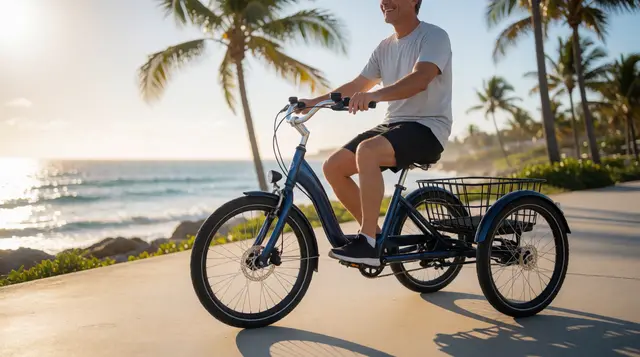
Cycling has long been celebrated as one of the most liberating, healthy, and environmentally sustainable forms of personal transportation. However, for many individuals—including active seniors, riders recovering from joint injuries, and urban commuters hauling heavy loads—traditional two-wheeled bicycles present daunting challenges regarding balance, joint strain, and fall risks. Choosing a 3 wheel bicycle redefines outdoor mobility by providing a stable, confidence-inspiring platform that delivers all the cardiovascular and mental health benefits of cycling with none of the balancing anxiety.
Today’s three-wheeled cycles have evolved far beyond basic novelty trikes into high-performance engineering marvels. From aerodynamic recumbent models and folding city commuters to heavy-duty electric cargo haulers, the modern 3 wheel bicycle accommodates diverse riding styles and physical capabilities. By understanding frame geometry, drivetrain mechanics, motor options, and ergonomic seating, riders can discover how a 3 wheel bicycle unlocks new horizons of independence, fitness, and everyday utility.
What Is a 3 Wheel Bicycle and Why Is It Experiencing a Global Resurgence?
A 3 wheel bicycle—commonly referred to as an adult tricycle or trike—is a human-powered or electric-assisted three-wheeled cycle engineered with a widened wheelbase to provide self-supporting stationary stability.
| Engineering Subsystem | Mechanical Architecture | Primary Functional Role in a 3 Wheel Bicycle |
|---|---|---|
| Frame Geometry | Low step-through steel or 6061 aluminum frame | Allows effortless mounting and dismounting without lifting legs high |
| Wheel Configuration | Delta (1 Front, 2 Rear) or Tadpole (2 Front, 1 Rear) | Dictates turning radius, cargo space, and high-speed cornering stability |
| Rear Axle Differential | Mechanical planetary gear split-axle system | Allows outside wheel to rotate faster than inside wheel during turns |
| Ergonomic Saddle / Seat | Wide padded tractor seat with backrest, or mesh recumbent chair | Eliminates saddle soreness and supports lumbar spine alignment |
| Braking System | Front disc brake + dual rear disc/drum with parking lock | Ensures balanced stopping power and holds trike stationary on slopes |
| Cargo Platform | Heavy-duty rear steel basket or front cargo box | Accommodates 50 to 150+ lbs of groceries, luggage, or pets |
The resurgence of the 3 wheel bicycle is driven by demographic shifts, expanding urban bike lane networks, and rapid advancements in battery electrification.
Unlike standard bicycles that require continuous forward momentum and active vestibular balance to stay upright, a 3 wheel bicycle remains completely stable whether moving at full speed or standing at a complete stop at traffic lights. This inherent stability allows riders to relax, enjoy the scenery, and transport heavy cargo without fearing tip-overs.
What Are the Main Types of 3 Wheel Bicycles on the Market Today?
Different riding environments, body ergonomics, and utility goals demand specialized frame geometries across the 3 wheel bicycle category.
| 3 Wheel Bicycle Style | Wheel Configuration | Seating Posture | Key Advantage | Best Suited Riding Scenario |
|---|---|---|---|---|
| 1. Upright Delta Trike | 1 Wheel Front, 2 Wheels Rear | Traditional upright sitting | Massive rear cargo capacity; easy step-through | Neighborhood cruising, grocery shopping, senior recreation |
| 2. Recumbent Tadpole Trike | 2 Wheels Front, 1 Wheel Rear | Low-slung reclined chair | High aerodynamic speed; zero back or neck strain | Long-distance touring, paved trail fitness, adaptive riding |
| 3. Electric Assist E-Trike | Delta or Tadpole + E-Motor | Upright or semi-reclined | Conquers steep hills; extends riding range | Daily urban commuting, hilly terrain, effortless fitness |
| 4. Folding Commuter Trike | Compact delta frame with central hinge | Upright adjustable | Folds in half for trunk storage and RV travel | Apartment living, camping trips, multi-modal transit |
| 5. Heavy-Duty Cargo Trike | Front box (Bakfiets) or extended rear | Upright commercial build | Carries 200–400 lbs of cargo, kids, or commercial goods | Urban logistics, family transport, commercial deliveries |
1. The Classic Upright Delta 3 Wheel Bicycle
The delta configuration is the most recognizable 3 wheel bicycle design. Featuring a single steered front wheel and two driven rear wheels separated by a spacious cargo basket, delta trikes offer an upright riding posture that provides high visibility in traffic and an intuitive steering feel similar to traditional bicycles.
2. The High-Performance Recumbent Tadpole 3 Wheel Bicycle
For riders seeking speed and ergonomic luxury, tadpole recumbents position two steered wheels in front and one drive wheel in the rear. The rider reclines comfortably in a breathable mesh ergonomic seat with legs extended forward, eliminating all pressure on the wrists, shoulders, neck, and tailbone while providing sports-car-like cornering.
3. Electric 3 Wheel Bicycles (E-Trikes)
Equipped with 500W to 750W electric hub or mid-drive motors and high-capacity lithium batteries, electric 3 wheel bicycles empower riders to tackle steep inclines and carry heavy cargo loads with minimal pedal effort.
Comprehensive Comparison: 3 Wheel Bicycle vs. Standard 2-Wheel Bike vs. Mobility Scooter
Evaluating mobility alternatives clarifies why a 3 wheel bicycle occupies the sweet spot between active exercise and effortless stability.
| Mobility Metric | Traditional 2-Wheel Bicycle | Modern 3 Wheel Bicycle | Electric Mobility Scooter |
|---|---|---|---|
| Stationary Balance | Requires rider balance; tips over when stopped | 100% Self-standing; zero balancing required | 100% Stable on flat paved surfaces |
| Physical Fitness Benefit | High cardiovascular workout | High cardiovascular workout (Customizable via gears/e-assist) | Zero physical exercise (Passive motorized ride) |
| Cargo Carrying Capacity | Limited (15–30 lbs via panniers/racks) | High (50 to 150+ lbs in heavy-duty baskets) | Moderate (Small front basket) |
| Access to Public Bike Paths | Full access to all bike lanes and trails | Full legal access to all municipal bike infrastructure | Restricted primarily to sidewalks and pedestrian zones |
| Rider Accessibility | Challenging for those with balance/joint issues | Highly accessible with ultra-low step-through frames | Highly accessible, but restricted outdoor speed |
| Average Range / Speed | 10 to 20 mph (Rider fitness dependent) | 8 to 15 mph (Smooth, controlled cruising) | 4 to 8 mph (Strictly low-speed pavement use) |
Health, Rehabilitation, and Joint-Friendly Fitness with a 3 Wheel Bicycle
A 3 wheel bicycle provides an extraordinary cardiovascular and muscular workout while placing minimal compressive impact on sensitive joints.
| Health / Rehabilitation Area | Biomechanical Challenge on 2-Wheels | How a 3 Wheel Bicycle Promotes Healing |
|---|---|---|
| Cervical & Lumbar Spine | Hunched posture compresses neck and lower back | Upright or fully supported recumbent seats maintain neutral spine |
| Knee & Hip Osteoarthritis | High impact from sudden foot-down stops | Smooth circular pedal cadence with zero weight-bearing foot stops |
| Vestibular Balance Disorders | Inner-ear dizziness causes severe fall risks | Trike remains stable regardless of sudden head turns or stops |
| Cardiovascular Conditioning | Fear of falling prevents continuous exercise | Allows continuous, relaxed aerobic conditioning at any pace |
| Neurological Recovery (Stroke/Parkinson’s) | Reduced motor coordination creates instability | Wide base allows safe re-learning of pedaling motor pathways |
1. Low-Impact Aerobic Exercise for Joint Longevity
Pedaling a 3 wheel bicycle stimulates synovial fluid circulation within knee and hip joints, lubricating cartilage and building quadriceps strength without the jarring impact of running. Riders with arthritis or joint replacements can maintain elevated heart rates for extended periods without joint pain.
2. Restoring Outdoor Confidence After Surgery or Stroke
For individuals recovering from neurological events or joint surgery, fear of falling often leads to sedentary indoor isolation. A 3 wheel bicycle restores the joy of outdoor exploration, re-engaging core muscle groups and promoting mental well-being in a secure environment.
The Mechanics of Cornering: Understanding the Rear Axle Differential
A critical technical feature that separates cheap tricycles from high-performance 3 wheel bicycles is the rear axle differential.
| Rear Drive Mechanism | Mechanical Engineering Design | Turning Performance | Safety & Tire Wear Rating |
|---|---|---|---|
| Single-Wheel Direct Drive | Chain powers only one rear wheel (e.g., right wheel) | Pulls to one side when pedaling; slips on wet grass | Poor (Uneven handling and premature tire wear) |
| Locked Solid Fixed Axle | Both rear wheels locked to a single rotating shaft | Impossible to turn smoothly; outside wheel scuffs and hops | Hazardous (Prone to skidding and high-speed rollover) |
| Dual-Wheel Planetary Differential | Splits axle with central differential bevel gears | Outside wheel spins faster than inside wheel on turns | Gold Standard (Smooth car-like turning and maximum traction) |
Why a Differential Is Essential for Safe Turning
When a 3 wheel bicycle navigates a curve, the outside wheel must travel a longer circular arc than the inside wheel. On cheap single-drive trikes, power goes to only one wheel, causing the bike to pull awkwardly to the left or right under heavy pedaling.
High-quality 3 wheel bicycles incorporate a miniature rear differential that distributes pedal torque evenly to both rear wheels while allowing them to rotate at different speeds during turns, ensuring crisp, car-like handling.
Electric-Assist 3 Wheel Bicycles: Motors, Batteries, and Range
Integrating electric motors into a 3 wheel bicycle transforms it into a practical, car-replacing vehicle for daily transportation.
| Electric Component | Recommended Technical Standard | Impact on 3 Wheel Bicycle Performance |
|---|---|---|
| Motor Type | 500W to 750W Front Hub Motor or Mid-Drive Motor | Delivers high hill-climbing torque (60–85 Nm) without stalling |
| Pedal Assist Sensor | Torque Sensor (Measures pedaling force) | Delivers smooth, natural acceleration matching your effort |
| Battery Capacity | 48V 14Ah to 20Ah Lithium-ion (672Wh–960Wh) | Provides 35 to 65 miles of real-world assisted riding range |
| Throttle Mode | On-demand thumb or twist throttle | Allows 100% motorized cruising without pedaling when fatigued |
| Safety Motor Cut-Off | Integrated electronic brake levers | Cuts motor power instantly the moment brake levers are squeezed |
1. Front Hub Motors vs. Mid-Drive Systems
- Front Hub Motors: Positioned in the front wheel hub; simple, affordable, and provides all-wheel drive when pedaling powers the rear wheels.
- Mid-Drive Motors: Positioned at the central bottom bracket; powers through the bike’s gear system, delivering superior hill-climbing torque and balanced central weight distribution.
2. Range Expectations Under Real Cargo Loads
When riding an electric 3 wheel bicycle with a full grocery load (50+ lbs) on rolling terrain, expect an average range of 30 to 45 miles using moderate pedal assist, and 20 to 25 miles on pure throttle mode.
Step-by-Step Selection Guide: How to Choose the Perfect 3 Wheel Bicycle
Follow this structured five-stage evaluation framework to select the ideal 3 wheel bicycle for your specific physical requirements and lifestyle goals.
| Selection Stage | Evaluation Focus | Key Decision Metric |
|---|---|---|
| 1. Assess Physical Needs | Balance, flexibility, joint mobility | Low step-through (under 14 inches) vs recumbent chair |
| 2. Choose Frame Geometry | Upright cruising vs fast aerodynamic riding | Delta upright for cargo utility vs Tadpole for sport touring |
| 3. Select Drivetrain & Gears | Flat neighborhood paths vs hilly terrain | 7-speed derailleur or internal hub gears vs 750W E-Assist |
| 4. Check Storage Constraints | Garage parking space vs apartment/RV transport | Standard rigid frame vs folding center-hinge frame |
| 5. Inspect Safety Systems | Braking power and visibility | Dual disc brakes with locking parking lever and LED lights |
- Step 1: Check the Step-Through Height: If you have limited hip or knee flexibility, choose a 3 wheel bicycle with an ultra-low step-through frame (12 to 14 inches from the ground) that allows you to step directly onto the pedals without swinging your leg over a high bar.
- Step 2: Verify Total Weight Capacity: Ensure the combined frame rating accommodates your body weight plus intended cargo (standard trikes support 300 to 350 lbs; heavy-duty cargo trikes support 400 to 500 lbs).
- Step 3: Test Brake Locking Levers: Always verify that the brake levers feature a mechanical push-button parking brake that locks the wheels, preventing the trike from rolling away while mounting or loading groceries.
- Step 4: Consider Wheel Size: 24- to 26-inch wheels provide a smooth, fast ride over pavement, while smaller 20-inch wheels lower the center of gravity, making the trike easier to balance and store.
5 Common Mistakes to Avoid When Riding and Maintaining a 3 Wheel Bicycle
Operating a three-wheeled cycle requires slightly different handling habits than riding a conventional two-wheeler.
| Common Mistake | Underlying Cause | Negative Outcome | Safe Corrective Practice |
|---|---|---|---|
| 1. Leaning Into Turns | Muscle memory from riding 2-wheel bikes | Tips inside rear wheel off the ground on sharp turns | Keep body upright; slow down before steering into turns |
| 2. Cornering at High Speeds | Underestimating centrifugal force | Trike rolls sideways on tight corners | Reduce speed to under 8 mph before initiating sharp turns |
| 3. Riding on Heavy Side Slopes | Cambered road shoulders tilt the wide frame | Pulls steering uncomfortably toward the gutter | Ride in flat center of bike paths or adjust seated posture |
| 4. Neglecting Tire Pressure Balance | Uneven PSI across the two rear tires | Trike pulls to one side and wears tread unevenly | Keep both rear tires inflated to identical PSI weekly |
| 5. Forgetting the Parking Brake | Dismounting on subtle inclines | Trike rolls away during grocery loading | Engage mechanical parking brake lock before dismounting |
Frequently Asked Questions
Is it hard to learn how to ride a 3 wheel bicycle?
No, learning to ride a 3 wheel bicycle is straightforward because it requires zero balancing skills; however, riders accustomed to two-wheelers must learn to steer with their arms rather than leaning into corners.
Can a 3 wheel bicycle tip over while riding?
A 3 wheel bicycle will not tip over at low speeds or when stopped, but taking a sharp turn at high speed can lift an inside wheel, which is why slowing down before turns is essential.
Are electric 3 wheel bicycles street-legal in the US and UK?
Yes, electric 3 wheel bicycles equipped with motors up to 750W (in the US) or 250W (in the UK/EU) that assist up to 15.5 to 20 mph are classified as standard electric bicycles and are fully street-legal on public roads and bike paths.
What is the difference between a delta trike and a tadpole trike?
A delta trike has one wheel in the front and two in the back (ideal for upright cargo hauling), while a tadpole trike has two wheels in the front and one in the back (ideal for aerodynamic recumbent speed).
Can I fit a 3 wheel bicycle in the trunk of a car?
Standard rigid 3 wheel bicycles are too wide for standard car trunks, but specialized folding 3 wheel bicycles feature center frame hinges that fold compactly for transport in SUV trunks or RVs.
How much weight can a 3 wheel bicycle carry?
Most adult 3 wheel bicycles support total payloads between 300 and 400 pounds, including rider weight and rear cargo basket capacity.
Conclusion
The modern 3 wheel bicycle represents a joyful revolution in personal mobility, bridging the gap between active physical fitness, effortless stability, and everyday practical utility. By removing the fear of falling and eliminating joint strain, three-wheeled cycles open the wonders of outdoor cycling to riders of all ages, fitness levels, and physical abilities.
Whether you choose a classic upright delta trike for leisurely neighborhood grocery runs, a high-performance recumbent tadpole for scenic trail touring, or a powerful electric cargo trike to replace your second family car, a 3 wheel bicycle delivers unmatched freedom and fun. Explore the models available today, find the frame that fits your lifestyle, and experience the transformative confidence that comes with riding on three stable wheels.
Pingback: Furniture Screws: 9 Best Secrets for Maximum Joint Strength