
Air conditioning is something most of us take for granted until a hot summer day makes it essential. When the time comes to install a...
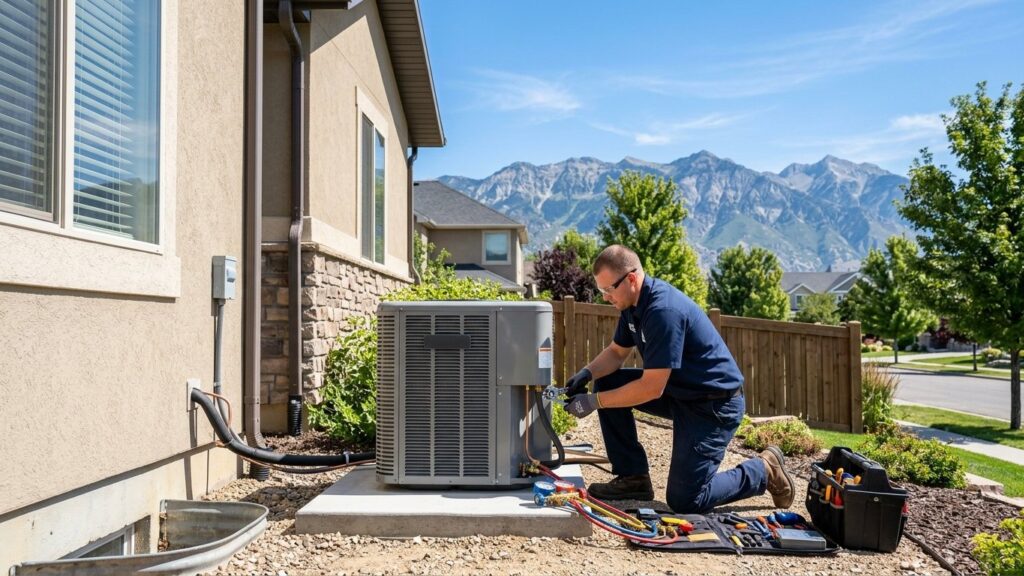
Air conditioning is something most of us take for granted until a hot summer day makes it essential. When the time comes to install a new system, the process can feel overwhelming. There are brands, sizes, and efficiency ratings to sort through. A good AC installation starts with the right system and ends with correct, professional setup. This guide explains how AC installation works, how to choose the right size and system, and what to expect when a professional does the job.
Why a Proper AC Installation Matters
AC installation is not just about putting a box outside and turning it on. A correctly installed system works efficiently, keeps your home comfortable, and lasts longer. On the other hand, a poorly installed unit can waste energy, cool unevenly, and break down early.
The quality of the installation matters as much as the equipment itself. Proper refrigerant charge, correct airflow, and a sealed duct system all play a role in performance. That is why a skilled, qualified installer is essential. Good work now prevents costly problems later.
How to Choose the Right Size
Many homeowners assume a bigger air conditioner is always better. In reality, the opposite is often true. An oversized unit cools a home too quickly, runs in short bursts, and fails to remove humidity properly. An undersized unit works constantly and still struggles to keep up.
The right size is determined by a proper load calculation. A professional measures your home’s square footage, insulation, windows, and ceiling height. Then they find the capacity you actually need. This calculation, rather than a guess, tells the installer what size system will do the best job for your home.
Types of AC Systems
There are several types of air conditioning systems, and the best one depends on your home and needs. Central air conditioning uses ducts and an outdoor condenser to cool the whole house. It is the most common choice for larger homes. Ductless mini-split systems use individual indoor units to cool specific rooms, and they are ideal for homes without ductwork or for adding cooling to additions.
Heat pumps are another option. They cool your home in summer and can also heat it in winter, which makes them an efficient, all-in-one solution in many climates. Choosing the right type depends on your existing system, your home’s layout, and your budget.
Choosing the Right System and Efficiency
Beyond size and type, you will want to consider efficiency. Air conditioners are rated by their energy efficiency. A more efficient model uses less electricity while delivering the same cooling. Over time, the savings can offset a higher upfront cost.
It also pays to choose a system from a trusted, reliable manufacturer. A quality brand offers dependable performance and a strong warranty, which gives you peace of mind. A good contractor will help you weigh cost, efficiency, and reliability so you get the system that fits your home and your budget.
What to Expect During Installation
A professional AC installation is a careful, step-by-step process. First, the technician removes the old equipment and prepares the area. Then they set the new unit. Next, they connect the lines and electrical components, and seal the ducts to prevent air leaks. After the system is in place, they test it thoroughly to make sure it works correctly.
A reputable contractor will explain the work before it begins, including the cost, so there are no surprises. Look for a provider that uses trained, background-checked technicians and stands behind their work with a satisfaction guarantee. Good communication and honest recommendations are signs of a contractor you can trust.
Should You Repair or Replace?
If your air conditioner is having problems, you might wonder whether to repair or replace it. A simple rule of thumb helps. If the repair is minor and the system is young, repairing may make sense. If the system is old, inefficient, or needs frequent major repairs, replacement is often the better investment.
An honest technician will give you a straightforward recommendation rather than pushing a sale. Ask for an assessment and consider the age and condition of your unit. A new, efficient system can lower your energy bills. It also gives you years of reliable cooling.
Frequently Asked Questions
How long does AC installation take?
Most standard installations are completed in a single day, though larger jobs or those requiring ductwork changes may take longer. The installer should give you a clear timeline before the work begins.
What size AC unit do I need for my home?
The right size depends on a proper load calculation based on your home’s size, insulation, windows, and layout. A professional measures these factors to recommend the correct capacity, since a too-large or too-small unit both cause problems.
How much does AC installation cost?
Costs vary widely based on the size of your home, the type and efficiency of the system, and the complexity of the installation. A reputable contractor will provide a clear, itemized estimate before any work starts, so there are no surprises or hidden fees.
Should I repair or replace my air conditioner?
If your system is young and the repair is minor, repairing is often the right choice. If it is old, inefficient, or needs frequent major repairs, replacing with an efficient unit usually saves money in the long run. Get an honest professional assessment to decide.
Can I install an air conditioner myself?
AC installation involves refrigerant, electrical connections, and precise sizing, which are best left to trained professionals. A qualified installer ensures the system is set up correctly, operates safely, and performs efficiently. Amateur installation can cause leaks and costly damage.
How often should an AC system be serviced?
Most manufacturers recommend annual maintenance, ideally before the cooling season. Regular service keeps the system running efficiently, catches small problems early, and extends the life of your equipment.
Conclusion
A quality AC installation is one of the best investments you can make in your home’s comfort. From choosing the right size and type to relying on a skilled, trustworthy installer, every step matters. The best approach is to work with a professional who measures your needs, explains your options, and stands behind the work. With the right system and proper installation, you will enjoy efficient, reliable cooling and lower energy bills for years to come.