
A reliable water heater is easy to take for granted, right up until a cold shower reminds you otherwise. When it finally gives out, you...
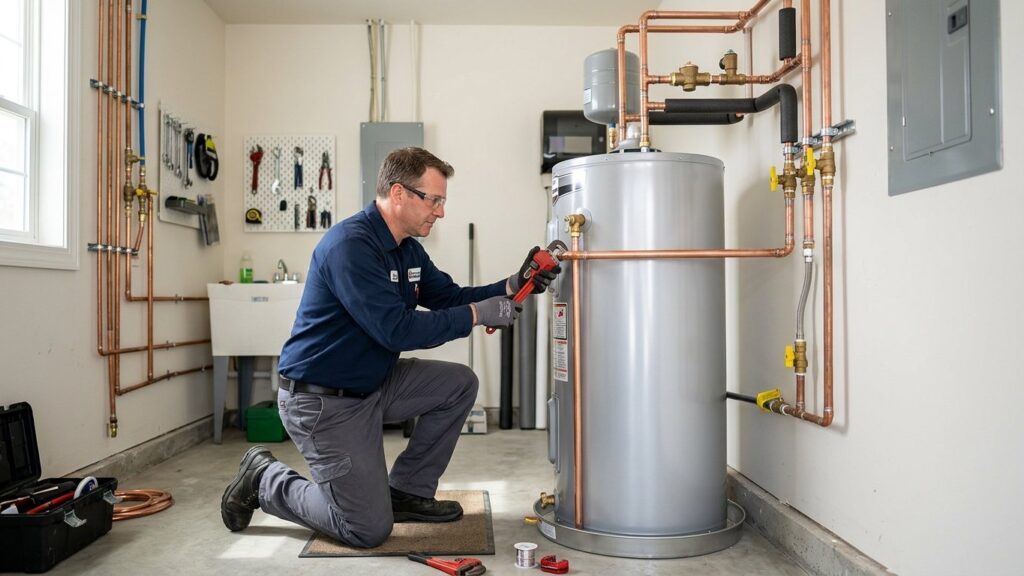
A reliable water heater is easy to take for granted, right up until a cold shower reminds you otherwise. When it finally gives out, you are left with a decision to make. You might be facing an expensive repair, or a full replacement. Knowing the signs early helps you act before an emergency. A smart water heater replacement starts with choosing the right unit and ends with a clean, professional install. This guide covers the warning signs, the main options, and what to expect during the process.
Signs You Need Water Heater Replacement
Water heaters last a long time, but not forever. Several signs tell you replacement may be around the corner. Watch for these:
- Age. Most tank heaters last around ten to fifteen years. If yours is in that range or older, it may be near the end of its life.
- Rusty or discolored water. Brown or rusty water often means the tank is corroding from the inside. This is a strong sign that replacement is the safer choice.
- Leaks. Water pooling around the base can signal a failing tank. Small leaks can quickly become bigger, more costly problems.
- Strange noises. Rumbling, popping, or banging sounds often come from sediment buildup. In an older unit, this suggests the tank is wearing out.
- No hot water or weak heat. If the heater cannot keep up with demand, it may not be worth repairing.
- Rising bills. An inefficient unit uses more energy. Replacing it can lower your monthly costs.
If you notice any of these, it is worth getting a professional assessment. Acting early prevents a surprise failure and the damage that comes with it. Water heater replacement is far easier to plan for than an emergency midnight breakdown.
Water Heater Types: Tank vs. Tankless
The two most common options are tank water heaters and tankless water heaters. Each has its own strengths, so the right choice depends on your needs.
A tank water heater stores a set amount of hot water in a tank. It is affordable, simple, and works well for most homes. It continuously keeps a supply hot, so you have it ready when you need it. For a straightforward water heater replacement at a lower cost, a tank model is often a sensible choice.
A tankless water heater heats water on demand. It does not store water, so it never runs out during continuous use. It is usually more energy-efficient and takes up less space. However, it costs more upfront. The best option depends on your budget, space, and how much hot water your household uses.
Fuel Options to Consider
Water heaters run on different energy sources. The most common are gas, electric, and sometimes propane. Your choice affects cost, efficiency, and installation.
Gas water heaters often heat water faster and can be cheaper to run in many areas. Electric models are easy to install and work well where gas is not available. A licensed professional can help you decide which fuel type fits your home and your energy costs.
Sizing Your New Water Heater
Getting the size right matters. A heater that is too small will run out of hot water, especially during busy times. A unit that is too large wastes energy and money.
For tank heaters, size is measured in gallons. For tankless models, it is measured by flow rate. A professional considers your household size, how much hot water you use, and your peak demand. That way, you get a unit that delivers the hot water you need without waste.
What to Expect During a Professional Installation
A clean, professional water heater replacement is a step-by-step process. First, the technician turns off the power and water, then drains and removes the old unit. Next, they position the new heater, connect the water lines and any gas or electrical supply, and check the venting.
After the unit is in place, they test it to make sure it heats properly and has no leaks. A good contractor will also dispose of the old unit and clean up the area. You should receive a clear explanation of the work and a written estimate before anything begins.
Repair or Replace?
When a heater fails, you have to decide between repair and replacement. If water heater replacement is on the table, a simple rule helps you weigh it. If the repair is small and the unit is young, repairing may save money. If the unit is old, leaking, or corroded, replacing it is usually the smarter choice.
An honest technician will give you a straightforward recommendation. Ask about the age and condition of your unit, and get a clear quote. If water heater replacement is the right call, a new efficient unit can reduce energy use and give you years of reliable hot water.
Frequently Asked Questions
How long does a water heater last?
Most tank water heaters last around ten to fifteen years. Tankless models can last longer, sometimes twenty years or more. Regular maintenance helps extend the life of any unit.
How do I know if my water heater needs to be replaced?
Watch for age, rust or discolored water, leaks, strange noises, or a lack of hot water. If you see these signs, especially in an older unit, replacement is often the better choice than a costly repair.
What is the difference between a tank and tankless water heater?
A tank heater stores hot water in a tank, which is affordable and simple. A tankless heater heats water on demand, so it never runs out, is more efficient, and takes less space. It costs more upfront but can save energy long term.
How much does water heater replacement cost?
Costs vary based on the type, size, and fuel, plus the complexity of the installation. A reputable contractor will provide a clear, itemized estimate before the work starts, so you know the full cost upfront.
Can I replace a water heater myself?
Water heater installation involves gas or electrical connections, water lines, and venting. These are best handled by a licensed professional. A trained installer ensures the unit operates safely and meets local codes.
How often should a water heater be serviced?
It is a good idea to have your water heater inspected and maintained about once a year. This helps catch sediment buildup and small issues before they become expensive problems.
Conclusion
Water heater replacement is a job best done with good information and a trusted professional. By recognizing the warning signs early, understanding the differences between tank and tankless units, and choosing the right size and fuel, you can make a confident decision. The key is to work with a licensed, experienced installer who gives you honest advice, a clear estimate, and clean workmanship. With the right unit and a proper installation, you will enjoy reliable hot water and lower energy bills for years to come.
Pingback: Quartz and Granite Worktops 7 Easy Kitchen Choices