
Electric bicycles have become a practical transportation option for people who want motor assistance without relying entirely on a car. Among the available designs, electric...
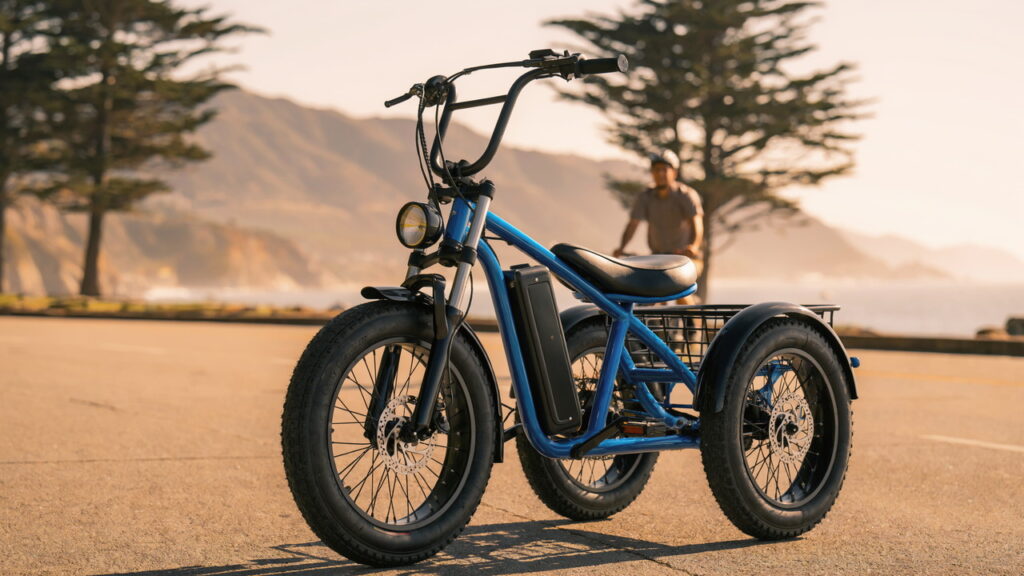
Electric bicycles have become a practical transportation option for people who want motor assistance without relying entirely on a car. Among the available designs, electric tricycles attract attention because they combine pedal assistance with three-wheel support and useful cargo capacity. An American e-trike can appeal to adults interested in recreational riding, neighborhood errands, and alternatives to conventional two-wheel bicycles.
However, electric tricycles are not all built the same way. Battery capacity, motor performance, braking systems, steering behavior, weight, and intended riding conditions can differ significantly. Understanding how an American e-trike works, what features matter, and which safety considerations apply can help buyers choose a suitable electric tricycle without relying on exaggerated marketing claims.
What Is an American E-Trike?
An American-e-trike generally refers to an electric tricycle marketed, sold, assembled, or used in the United States. The term may describe a category of electric three-wheel bicycles rather than a single standardized product, although individual businesses may also use similar wording in their names.
An electric tricycle typically combines a three-wheel frame with an electric motor, rechargeable battery, pedals, and electronic controls. Many models also include cargo baskets, integrated lighting, and additional comfort features.
Unlike a conventional electric bicycle, an American e-trike uses three wheels to support the vehicle when stationary. However, this does not automatically make it safer under every riding condition.
Electric tricycles have different steering and cornering characteristics from two-wheel bicycles. Riders need to understand those differences before using them in traffic or on uneven surfaces.
How Does an American E-Trike Work?
Most electric tricycles use a rechargeable battery to supply electricity to a motor. The motor provides assistance while pedaling or, on certain models, through a throttle.
An American e-trike may use a hub motor located within a wheel or another motor configuration. The system typically includes a controller that manages electrical power delivery.
Pedal-assist models use sensors to detect rider input and provide motor assistance according to the selected setting.
Some models allow the rider to travel without motor assistance, although the additional vehicle weight can make unassisted pedaling more demanding.
The exact operating features depend on the manufacturer’s design.
Why American E-Trikes Are Becoming Popular
Electric tricycles appeal to riders who want a different combination of comfort, utility, and motor assistance.
However, individual needs vary, and not every rider will find a tricycle preferable to a conventional bicycle.
Three-Wheel Support
A conventional bicycle requires active balancing, including when moving slowly.
An American e-trike provides three contact points with the ground, which can reduce the need to balance the vehicle while stationary.
This characteristic may appeal to people who find balancing a two-wheel bicycle difficult.
However, three-wheel support does not eliminate rollover risk.
A tricycle can tip during sharp turns, on sloped surfaces, or when loads are distributed poorly.
Electric Pedal Assistance
Electric assistance can reduce the physical effort required for certain riding conditions.
An American-e-trike may help riders manage moderate hills, longer routes, or additional cargo.
However, motor assistance does not eliminate the need for safe steering, braking, and situational awareness.
Riding range and hill-climbing performance depend on motor design, battery capacity, terrain, load, and operating conditions.
Practical Cargo Capacity
Many electric tricycles include rear baskets or other storage systems.
An American e-trike may be useful for carrying groceries, personal belongings, or lightweight recreational equipment.
However, every model has specific cargo and total weight limits.
Overloading the tricycle can affect braking, steering, structural performance, and stability.
7 Important Benefits of an American E-Trike
Electric tricycles offer several potential advantages, particularly for riders who prioritize utility and comfortable low-speed travel.
The following seven benefits help explain why an American-e-trike may be worth considering.
1. Reduced Balance Demands at a Stop
One advantage of a three-wheel design is that it can remain upright without the rider placing a foot on the ground under ordinary stationary conditions.
An American e-trike may therefore be appealing to people who struggle with balancing a bicycle while stopping or starting.
However, riders must still maintain control during movement.
Turning and uneven terrain introduce different stability challenges.
2. Convenient Neighborhood Transportation
Electric tricycles can support short-distance transportation in suitable areas.
An American e-trike may be practical for neighborhood visits, local shopping, or recreational routes.
However, road access rules vary by jurisdiction and vehicle classification.
Riders should verify where their particular tricycle is legally permitted.
3. Helpful Electric Assistance
A motor can provide support when pedaling becomes demanding.
An American e-trike may offer several assistance levels, allowing the rider to adjust motor output.
The benefit depends on the equipment’s design and the rider’s needs.
Electric assistance should not be viewed as a guarantee that every hill or route will be manageable.
4. Useful Storage Options
Cargo baskets and compatible accessories can make electric tricycles convenient for errands.
An American e-trike with suitable storage may reduce the need to carry belongings on the rider’s back.
However, cargo should be secured and distributed according to manufacturer guidance.
Heavy loads placed high above the wheels can affect stability.
5. Comfortable Riding Positions
Many electric tricycles use upright seating positions, step-through frames, and ergonomic handlebars.
These features may improve comfort for certain riders.
An American e-trike should still be adjusted to suit the rider’s height, reach, and physical needs.
Poor fit can create discomfort even when the seat appears generously padded.
6. Recreational Opportunities
Electric tricycles can provide an alternative way to enjoy paved trails and other suitable riding environments.
An American e-trike may appeal to adults who prefer a supported three-wheel vehicle for casual outdoor activity.
However, some recreational trails prohibit motor-assisted vehicles or have width restrictions.
Check local rules before planning a route.
7. Potential Transportation Savings
Using an electric tricycle for suitable short trips may reduce certain transportation expenses.
An American e-trike requires electricity rather than gasoline for motor assistance.
However, ownership costs still include purchase price, charging, maintenance, battery replacement, and possible insurance.
Actual savings depend on how frequently the tricycle replaces other transportation.
American E-Trike vs Traditional Bicycle
Electric tricycles and conventional bicycles provide different riding experiences.
Neither design is universally better.
Balance and Stability
A traditional bicycle relies on the rider’s balance.
An American e-trike can remain upright while stationary, but its cornering behavior requires special attention.
Two-wheel bicycles lean into turns, while many conventional tricycles remain more upright.
Sharp turns at excessive speed can increase the risk of tipping.
Weight and Maneuverability
Electric tricycles are often heavier and wider than ordinary bicycles.
An American e-trike may therefore require more storage space and a larger turning area.
Narrow paths, gates, and crowded spaces can be difficult to navigate.
Buyers should compare actual dimensions before purchasing.
Transportation and Storage
A conventional bicycle may fit on common bicycle racks or inside smaller storage areas.
An American e-trike often requires specialized transport arrangements.
Not every vehicle-mounted bicycle rack supports the weight or dimensions of an electric tricycle.
Storage planning should be part of the buying decision.
American E-Trike vs Electric Bike
Both electric bicycles and electric tricycles use motor assistance, but their physical designs differ.
Riding Characteristics
An electric bicycle generally offers a narrower profile and familiar two-wheel handling.
An American e-trike provides three-wheel support but may be less suitable for fast cornering or narrow routes.
Riders should test both types when possible.
Cargo and Utility
Some electric bicycles are designed for carrying cargo, but many American e-trike models include integrated rear baskets.
However, cargo capacity depends on the specific model.
A three-wheel design does not automatically mean a higher safe payload.
Price and Maintenance
Electric tricycles may have additional components associated with their wheel arrangements, drivetrains, and braking systems.
An American e-trike may therefore have different maintenance needs from an electric bicycle.
Costs vary by manufacturer, component quality, and service availability.
Important American E-Trike Features to Consider
A successful purchase depends on matching equipment features to actual riding needs.
Motor Power
Motor specifications can influence acceleration, hill-climbing performance, and operating behavior.
An American e-trike may advertise motor output in watts.
However, advertised wattage alone does not fully describe real-world performance.
Motor torque, controller settings, gearing, rider weight, and terrain also matter.
Battery Capacity
Battery capacity is commonly expressed in watt-hours.
This value provides useful information about stored electrical energy.
An American e-trike with a larger battery may offer greater potential range under comparable conditions.
However, actual range also depends on speed, temperature, terrain, payload, tire pressure, and assistance level.
Braking System
Electric tricycles require dependable brakes appropriate to their weight and intended use.
An American e-trike may use mechanical or hydraulic disc brakes, drum brakes, or other approved systems.
Brake performance should be evaluated according to the manufacturer’s specifications.
A parking brake can be especially useful for preventing unintended movement while stationary.
Frame Design
Frame geometry influences comfort, accessibility, and handling.
Step-through designs may make mounting easier for some riders.
An American e-trike should provide a suitable fit without requiring awkward riding positions.
Frame strength and maximum load ratings are also important.
Tires and Wheels
Tire width, tread, inflation pressure, and wheel size influence comfort and handling.
An American e-trike intended for paved roads may use different tires from a model designed for mixed surfaces.
Riders should follow manufacturer inflation recommendations.
Incorrect tire pressure can affect braking, rolling resistance, and stability.
How Much Does an American E-Trike Cost?
American e-trike prices vary according to motor specifications, battery capacity, frame quality, braking components, brand positioning, and included accessories.
Entry-level products may emphasize basic transportation, while higher-priced models may offer larger batteries, upgraded components, or specialized designs.
However, price alone does not establish quality.
Purchase Price Factors
Several features influence the purchase price.
Motor system: Different motor configurations and control systems have different manufacturing costs.
Battery: Higher-capacity batteries and different cell technologies can affect pricing.
Brakes: Hydraulic systems and specialized components may cost more than basic configurations.
Frame construction: Materials, reinforcement, and manufacturing methods influence cost.
Accessories: Lighting, baskets, fenders, and upgraded displays may be included or sold separately.
Warranty: Coverage and service arrangements can affect overall ownership value.
Before buying an American e-trike, compare the complete specifications rather than focusing exclusively on advertised discounts.
Additional Ownership Costs
The purchase price is only one part of ownership.
An American e-trike also requires maintenance, electricity for charging, replacement tires, and potentially future battery replacement.
Some components may be difficult to obtain for lesser-known products.
Ask about replacement-part availability before purchasing.
American E-Trike Battery Life and Charging
Battery performance is an important consideration because the battery powers electric assistance.
Most modern electric tricycles use rechargeable lithium-ion battery technology.
How Long Does the Battery Last?
Battery service life depends on chemistry, manufacturing quality, charging habits, storage conditions, and usage.
An American e-trike battery gradually loses capacity through normal aging.
The rate of deterioration varies, so universal lifespan guarantees should be treated cautiously.
Manufacturer warranty terms may provide useful information about expected battery performance.
Safe Charging Practices
Use the charger specified or approved by the manufacturer.
Charge the battery in an appropriate location away from excessive heat, moisture, and combustible materials.
An American e-trike should not be charged using damaged cables or incompatible charging equipment.
Follow manufacturer instructions regarding charging supervision and storage.
If a battery becomes swollen, unusually hot, damaged, or emits an abnormal odor, stop using it and seek qualified assistance.
Battery Storage
Temperature can affect lithium-ion battery performance and aging.
An American e-trike stored for extended periods should follow the manufacturer’s recommended battery charge level and temperature conditions.
Avoid exposing batteries to extreme heat or prolonged freezing conditions when prohibited by the manufacturer.
American E-Trike Safety Considerations
Electric tricycles require careful operation because their handling differs from conventional bicycles.
Turning and Rollover Risk
One of the most important safety considerations is cornering.
An American e-trike can tip if a rider enters a turn too quickly, particularly when carrying cargo or traveling on uneven ground.
Reduce speed before turning and follow manufacturer guidance.
Practice handling in a safe, open area before entering traffic.
Braking Distance
Braking distance depends on speed, surface conditions, load, tire traction, and brake performance.
An American e-trike carrying additional cargo may require more distance to stop.
Riders should maintain sufficient space from vehicles, pedestrians, and obstacles.
Helmet Use
A properly fitted helmet can reduce the risk of certain head injuries.
Helmet requirements vary by jurisdiction and vehicle classification.
American e-trike riders should choose suitable protective equipment and understand local rules.
Visibility
Lights, reflectors, and visible clothing can help other road users notice an electric tricycle.
An American e-trike should have lighting appropriate for the intended riding conditions.
Visibility is particularly important in low light and at intersections.
Are American E-Trikes Street Legal?
The legal status of an American e-trike depends on its specifications and the jurisdiction where it is used.
In the United States, federal consumer product rules define certain low-speed electric bicycles, but state and local traffic laws determine where different vehicles may operate.
A three-wheeled electric vehicle may qualify under certain state electric bicycle definitions, while other designs may be regulated differently.
Motor and Speed Restrictions
Some jurisdictions classify electric bicycles according to motor power and assisted speed.
However, classification rules vary.
Before purchasing an American e-trike, verify the product’s motor specifications and applicable local requirements.
Do not assume that every electric tricycle is permitted wherever bicycles are allowed.
Road and Trail Access
Some roads, bicycle lanes, and recreational trails permit qualifying electric tricycles.
Others may restrict motor-assisted vehicles or certain classes.
American e-trike owners should review municipal, state, and trail-specific regulations.
Registration and Licensing
Some qualifying electric tricycles may not require motor vehicle registration or a driver’s license.
However, this depends on vehicle classification and jurisdiction.
Verify the rules applicable to the exact American e-trike model.
American E-Trike for Older Adults
Electric tricycles may appeal to older adults seeking an alternative to conventional bicycles.
However, age alone does not determine whether a tricycle is suitable.
Easier Mounting
Step-through frames can make mounting and dismounting easier for some riders.
An American e-trike with an appropriate frame design may reduce the need to lift a leg over a high top tube.
However, the rider should still be able to operate the controls safely.
Comfortable Seating
Upright handlebars and adjustable seats can improve comfort.
An American e-trike should fit the rider’s height, reach, and posture.
A test ride can help identify discomfort or handling difficulties.
Individual Mobility Needs
Three wheels do not automatically make an electric tricycle suitable for everyone with balance or mobility limitations.
Turning forces, braking, and physical control still matter.
Individuals with significant medical or mobility concerns may benefit from discussing their needs with a healthcare professional or mobility specialist before purchasing.
American E-Trike for Shopping and Daily Errands
Cargo capacity is one of the practical attractions of electric tricycles.
Grocery Transportation
A rear basket may accommodate groceries and other everyday items.
An American e-trike should be loaded according to its maximum payload and cargo limits.
Heavy items should be positioned as recommended by the manufacturer.
Avoid carrying unsecured objects that can shift during turns.
Neighborhood Travel
Electric tricycles may be useful for short routes where safe infrastructure exists.
An American e-trike can reduce reliance on a car for certain trips.
However, route planning should consider traffic, road conditions, storage, and legal access.
Recreational Outings
Parks and paved trails may provide enjoyable riding opportunities.
Before taking an American e-trike onto a trail, confirm that its width and motor classification are permitted.
Respect pedestrians and other trail users.
How to Choose the Best American E-Trike
The best electric tricycle depends on personal needs, budget, and riding conditions.
Determine Your Intended Use
Decide whether the tricycle will primarily be used for recreation, errands, or local transportation.
An American e-trike intended for cargo use may benefit from different features than one designed for leisurely riding.
Check Weight Capacity
Review the manufacturer’s total weight limit.
This typically includes the rider, cargo, and applicable accessories.
An American e-trike should not be operated above its rated capacity.
Consider Storage Space
Measure doorways, gates, garages, and storage areas.
Electric tricycles can be wider than conventional bicycles.
An American e-trike that does not fit available storage space may become inconvenient.
Test Ride Before Buying
Whenever possible, test the tricycle in a controlled environment.
Evaluate steering, braking, mounting, acceleration, and turning behavior.
An American e-trike should feel manageable rather than simply comfortable while stationary.
Review Warranty and Support
Ask about battery coverage, motor warranty, replacement components, and service options.
An American e-trike from a seller with limited parts availability may be difficult to maintain.
Written warranty terms are more reliable than general marketing claims.
American E-Trike Maintenance Tips
Routine maintenance helps keep electric tricycles operating appropriately.
Tire Inspections
Check tire pressure, tread condition, and visible damage.
An American e-trike should use tires suitable for its load and intended surfaces.
Brake Maintenance
Inspect brake operation regularly.
An American e-trike with weak or noisy brakes should receive appropriate service before continued use.
Battery Care
Follow charging and storage instructions.
Keep electrical connectors clean and dry according to manufacturer guidance.
Avoid modifying the battery system.
Frame and Fastener Checks
Inspect accessible fasteners, wheels, cargo attachments, and structural components.
An American e-trike experiencing unusual movement or noise should be evaluated by a qualified bicycle or electric mobility technician.
Cleaning
Clean the tricycle using manufacturer-approved methods.
Avoid directing high-pressure water at bearings, electrical components, and connectors.
An American e-trike should be dried and stored appropriately after wet-weather use.
Common American E-Trike Buying Mistakes
Several mistakes can lead to unsuitable purchases.
Choosing Based Only on Motor Wattage
A powerful advertised motor does not guarantee good overall performance.
An American e-trike should be evaluated using complete specifications.
Ignoring Overall Weight
Heavy electric tricycles can be difficult to transport or maneuver without motor assistance.
Check the product’s actual weight before buying.
Overlooking Battery Replacement Costs
Batteries are significant components.
An American e-trike buyer should ask whether compatible replacements will be available.
Forgetting Legal Restrictions
Not every electric tricycle qualifies for the same road or trail access.
Review applicable regulations before purchasing.
Assuming Three Wheels Eliminate Falls
Three-wheel support reduces some balance demands but introduces different handling considerations.
An American e-trike still requires careful operation.
American E-Trike vs Mobility Scooter
Electric tricycles and mobility scooters may appear similar in some respects, but they serve different purposes.
An American e-trike typically includes pedals and is designed around bicycle-style operation with motor assistance.
A mobility scooter generally uses powered propulsion and may be designed for people with particular mobility needs.
The controls, seating, legal classifications, and operating environments can differ.
An American e-trike should not automatically be considered a medical mobility device.
Buyers should select equipment based on actual physical needs and intended use.
Environmental Considerations of American E-Trikes
Electric tricycles produce no tailpipe emissions during electric operation.
However, their overall environmental impact depends on electricity generation, manufacturing, battery production, maintenance, and disposal.
An American e-trike may reduce transportation-related emissions when it replaces certain car trips.
However, the effect depends on how the vehicle is used.
Battery Recycling
Lithium-ion batteries should not be placed in ordinary household trash.
Some retailers, manufacturers, and recycling programs accept electric bicycle batteries.
American e-trike owners should follow local requirements and use appropriate collection facilities.
Responsible Ownership
Maintaining equipment and replacing components when practical can reduce unnecessary waste.
An American e-trike with accessible replacement parts may be easier to keep in service.
However, repairability varies between models.
The Future of American E-Trikes
Electric tricycle designs continue to evolve as manufacturers explore new battery systems, controls, and frame configurations.
Potential improvements include better cargo integration, more refined motor assistance, and improved component accessibility.
However, buyers should evaluate currently available products based on verified specifications rather than speculative future features.
An American e-trike should meet today’s practical requirements for comfort, safety, reliability, and maintenance.
FAQ’s
1. What is an American e-trike?
An American e-trike is generally an electric three-wheel bicycle sold or used in the United States, combining pedals, motor assistance, and three-wheel support.
2. How much does an American e-trike cost?
Prices depend on battery capacity, motor design, frame quality, braking components, and accessories. Compare complete specifications and warranty terms.
3. Is an American e-trike safer than a regular bicycle?
Three wheels reduce stationary balance demands, but tricycles can tip during sharp turns. Safety depends on handling, speed, terrain, and rider behavior.
4. How far can an American e-trike travel on one charge?
Range varies with battery capacity, motor assistance, terrain, rider weight, temperature, and speed. Manufacturer estimates should be treated as conditional.
5. Do you need a license to ride an American e-trike?
Requirements depend on the vehicle’s classification and local laws. Some qualifying electric tricycles do not require a driver’s license.
6. Is an American e-trike suitable for older adults?
It may be suitable for some older adults, particularly those who prefer three-wheel support. A test ride and assessment of individual mobility needs are important.
Conclusion
An American e-trike offers a distinctive combination of electric assistance, three-wheel support, cargo capacity, and recreational flexibility. For adults seeking an alternative to conventional bicycles, these features may make everyday rides and local errands more convenient. However, choosing the right model requires careful consideration of stability, braking, battery performance, legal requirements, and available service support.
Before purchasing an American e-trike, compare specifications, evaluate storage requirements, and test the vehicle whenever possible. Understanding its handling characteristics and maintaining the equipment appropriately can help support comfortable, practical, and responsible electric three-wheel riding.