
A tidy home can still contain accumulated dust, grease, soap residue, and dirt in places that ordinary cleaning rarely reaches. Kitchen cabinets, bathroom grout, appliance...
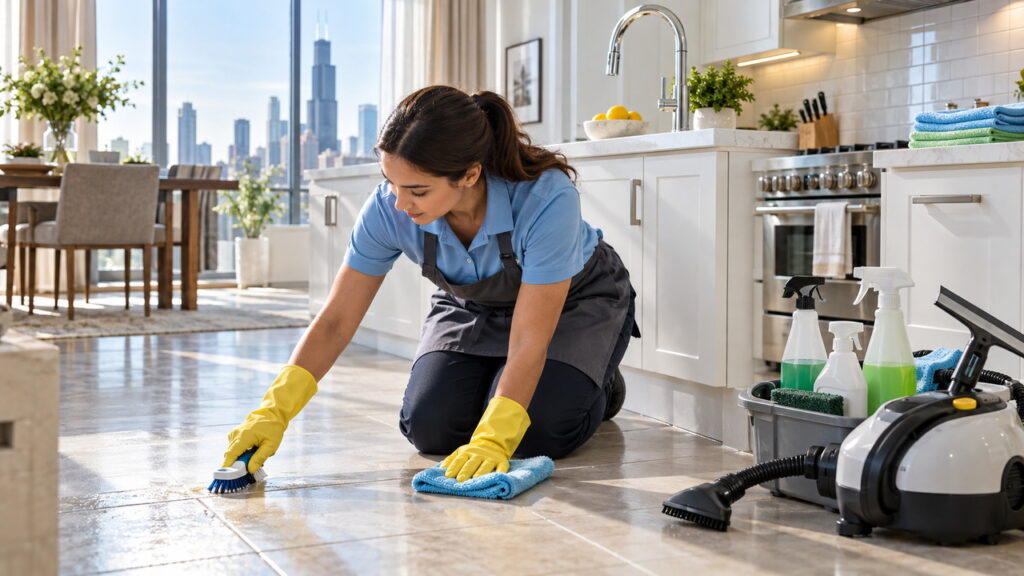
A tidy home can still contain accumulated dust, grease, soap residue, and dirt in places that ordinary cleaning rarely reaches. Kitchen cabinets, bathroom grout, appliance interiors, baseboards, and overlooked corners often require more focused attention. A thorough Deep Cleaning routine helps address these areas, improve household cleanliness, and maintain surfaces that receive less attention during everyday chores.
However, effective deep cleaning is not about using the strongest chemicals or spending an entire day scrubbing every surface. The best results come from choosing suitable products, following a practical cleaning order, and understanding the needs of different materials. This guide explains deep cleaning methods, room-by-room priorities, recommended supplies, safety considerations, professional service costs, and ways to maintain a cleaner home between major cleaning sessions.
What Is Deep Cleaning?
This is a thorough cleaning process that addresses accumulated dirt, grease, dust, stains, and residue in areas that receive limited attention during routine household cleaning. It generally involves more detailed work than ordinary sweeping, vacuuming, wiping, and tidying.
A deep cleaning session may include cleaning appliance interiors, removing buildup from bathroom fixtures, wiping baseboards, washing accessible vents, cleaning cabinet surfaces, and addressing neglected corners.
The exact scope depends on the property’s condition, the materials involved, and the cleaning goals.
Professional Deep Cleaning services may offer standardized packages, but service descriptions vary between providers. Homeowners should confirm which tasks are included rather than assuming that every company follows the same checklist.
Why Deep Cleaning Matters
Routine cleaning helps manage everyday dust, spills, and visible dirt. However, some areas accumulate residue gradually and require more detailed attention.
Deep Cleaning helps remove buildup from frequently used rooms and overlooked surfaces. It can also make future routine cleaning easier because heavy deposits are addressed before they become more difficult to remove.
Cleaning may reduce certain indoor contaminants and allergens, but results depend on the methods used and the conditions inside the home.
Deep Cleaning should not be confused with sterilization. A visibly clean surface is not necessarily free from every microorganism.
Deep Cleaning vs Regular Cleaning
Regular cleaning and Deep Cleaning serve related but different purposes.
Routine cleaning focuses on maintaining everyday cleanliness. It commonly includes sweeping floors, wiping countertops, washing dishes, cleaning bathrooms, and removing visible dust.
This Cleaning involves more detailed work on areas that are not necessarily cleaned every day or week.
For example, routine kitchen cleaning may involve wiping countertops and washing dishes. A kitchen deep-cleaning session may also address grease on cabinet fronts, buildup around appliances, and accessible areas beneath movable equipment.
Similarly, ordinary bathroom cleaning may include wiping sinks and toilets. Deep Cleaning can involve removing mineral deposits, scrubbing grout, and addressing buildup around fixtures.
Neither approach replaces the other. Regular maintenance helps prevent excessive accumulation, while periodic detailed cleaning addresses areas requiring additional attention.
Benefits of Deep Cleaning Your Home
A thorough cleaning routine can offer practical advantages beyond improving appearance.
However, benefits vary according to household conditions and the quality of the cleaning process.
Better Household Hygiene
Dirt and residue can accumulate on frequently touched surfaces.
Deep Cleaning helps remove physical contamination from areas such as handles, switches, countertops, and bathroom fixtures.
Cleaning is an important first step when disinfection is needed because many disinfectants require surfaces to be cleaned before application.
The Centers for Disease Control and Prevention distinguishes cleaning from sanitizing and disinfecting.
The appropriate approach depends on the surface and situation.
Reduced Dust Accumulation
Dust can collect on shelves, baseboards, furniture, vents, and other surfaces.
Deep Cleaning removes accumulated particles through suitable wiping and vacuuming methods.
A vacuum equipped with an effective filter may help reduce the release of collected dust into indoor air.
However, household dust returns over time, so routine maintenance remains necessary.
Improved Kitchen Cleanliness
Kitchen grease and food residue can accumulate around cooking appliances and preparation areas.
Deep Cleaning addresses deposits that ordinary wiping may leave behind.
Removing buildup can improve surface cleanliness and make equipment easier to maintain.
However, cleaning does not correct defective appliances or unsafe ventilation systems.
More Comfortable Living Spaces
Clutter, dust, odors, and neglected surfaces can make a room less pleasant to use.
Deep Cleaning can improve the appearance and usability of living areas.
The experience is subjective, and cleaning should not be presented as a guaranteed solution for stress or health problems.
Nevertheless, maintaining an organized environment can make household routines more manageable.
When Should You Schedule Deep Cleaning?
There is no universal schedule suitable for every home.
Deep Cleaning frequency depends on household size, pets, cooking habits, allergies, occupancy, and routine maintenance.
Some households schedule detailed cleaning seasonally, while others focus on specific areas more frequently.
Seasonal Deep Cleaning
Seasonal changes provide a convenient opportunity to address neglected areas.
Spring and autumn are common times for more extensive household cleaning.
However, Deep Cleaning can be performed at any time of year.
The most useful schedule is one that matches actual cleaning needs.
Before Moving Into a Home
Moving into a new property provides an opportunity to clean surfaces before furniture and belongings occupy the rooms.
Move-in Deep Cleaning may include cabinet interiors, appliances, bathrooms, closets, and accessible flooring.
If previous occupants left significant contamination, specialized cleaning may be necessary.
After Moving Out
Move-out deep-cleaning helps prepare a property for its next occupants.
Landlords and tenants may have specific cleaning responsibilities under their agreements and local regulations.
A professional service can assist with detailed cleaning, but it cannot guarantee the return of a security deposit.
After Renovation Work
Construction and remodeling can leave fine dust, debris, and residues.
Post-renovation deep-cleaning may require specialized vacuuming and surface cleaning.
However, hazardous materials such as asbestos or lead-containing dust require appropriate assessment and handling.
Ordinary household cleaning should not be used as a substitute for regulated remediation work.
Essential Deep Cleaning Supplies
Using suitable tools makes detailed cleaning more efficient and helps protect household surfaces.
The ideal supplies depend on the rooms and materials being cleaned.
Microfiber Cloths
Microfiber cloths can collect dust and remove certain residues from suitable surfaces.
They are useful for furniture, cabinets, countertops, and many other household areas.
Deep Cleaning with microfiber cloths may reduce reliance on disposable cleaning materials.
However, cloths should be washed and maintained appropriately to avoid transferring dirt between surfaces.
Vacuum Cleaner
A vacuum helps remove dust, crumbs, hair, and debris from floors and accessible corners.
For deep-cleaning, attachments can be useful around baseboards, upholstery, and narrow spaces.
A vacuum with appropriate filtration may help control dust release.
The equipment should be suitable for the material being cleaned.
Soft Brushes
Soft brushes can help loosen dirt from grout, fixtures, and textured surfaces.
However, abrasive brushes may scratch delicate finishes.
Deep Cleaning tools should be selected according to the surface manufacturer’s instructions.
Household Cleaning Products
General-purpose cleaners, dish detergents, suitable bathroom cleaners, and specialized surface products may be useful.
Avoid assuming that stronger products always clean better.
Deep Cleaning should use the least aggressive effective product compatible with the material.
Follow product labels and maintain appropriate ventilation.
Protective Equipment
Gloves may help protect skin from cleaning products and dirty surfaces.
Eye protection may be appropriate when products create splash risks.
For extensive Deep Cleaning, suitable footwear can reduce slipping hazards.
Respiratory protection should be selected based on actual hazards rather than used indiscriminately.
9 Practical Deep Cleaning Steps for a Cleaner Home
A systematic approach helps prevent repeated work and missed areas.
The following nine steps provide a practical foundation for residential deep-cleaning.
1. Declutter Before Cleaning
Start by removing unnecessary items from countertops, floors, shelves, and furniture.
Clutter can block access to surfaces and make cleaning more difficult.
It becomes easier when belongings are organized before detailed work begins.
Sort items into categories such as those to keep, donate, recycle, or discard.
Avoid throwing away important documents or valuables without reviewing them.
2. Dust From High to Low
Begin with accessible higher surfaces such as shelves, cabinet tops, and suitable ceiling fixtures.
Dust may fall onto lower areas during cleaning.
Working downward helps prevent cleaned surfaces from becoming dirty again.
Deep Cleaning should include baseboards and other lower surfaces after elevated areas are addressed.
Use appropriate access equipment and avoid standing on unstable furniture.
3. Clean Light Fixtures and Accessible Vents
Light fixtures and ventilation grilles can accumulate dust.
Turn off electrical equipment as directed before cleaning.
Deep Cleaning may include wiping removable vent covers and accessible fixture surfaces.
Do not spray liquid cleaners into electrical components or ventilation equipment.
Internal HVAC cleaning may require qualified professionals.
4. Address Kitchen Grease
Cooking can create grease deposits on cabinet fronts, range hoods, and nearby surfaces.
Use cleaning products compatible with the finish.
Deep Cleaning should focus on removing accumulated residue without damaging coatings or seals.
Allow suitable cleaning products to work according to their instructions before wiping.
Avoid aggressive scrubbing on delicate surfaces.
5. Clean Bathroom Buildup
Bathrooms commonly develop soap residue, mineral deposits, and grime.
Deep Cleaning may involve fixtures, grout, shower doors, and accessible corners.
Different deposits require different products.
For example, mineral buildup may respond to a suitable descaling product, while ordinary dirt may require detergent-based cleaning.
Never mix cleaning chemicals.
6. Clean Appliance Interiors
Refrigerators, ovens, microwaves, and other appliances can accumulate food residue and spills.
Follow manufacturer instructions before cleaning internal surfaces.
This appliance interiors may involve removing shelves or other components when appropriate.
Avoid introducing water into electrical compartments.
Some oven surfaces and coatings require specific cleaning methods.
7. Clean Upholstery and Soft Furnishings
Upholstery can collect dust, crumbs, and pet hair.
Vacuum suitable fabrics using appropriate attachments.
Before applying cleaning solutions, check furniture care labels and test products in an inconspicuous area.
Deep Cleaning methods vary by fabric type.
Overwetting upholstery can contribute to staining, drying problems, or material damage.
8. Clean Floors and Edges
Floors collect debris throughout the home.
Begin by removing loose dirt using suitable vacuuming or sweeping methods.
Deep Cleaning should include accessible edges, corners, and areas beneath movable furniture.
Use cleaning products appropriate for wood, tile, laminate, vinyl, or other flooring.
Excessive moisture can damage certain materials.
9. Inspect and Maintain Results
After completing major tasks, review the rooms for remaining buildup.
Deep Cleaning may reveal maintenance problems such as leaking fixtures, damaged seals, or deteriorated grout.
Address these issues separately.
A practical maintenance schedule can help prevent rapid reaccumulation of dirt.
Kitchen Deep Cleaning Guide
The kitchen is one of the most demanding areas because food preparation, moisture, and cooking grease create different cleaning challenges.
A structured kitchen deep-cleaning routine should address food-contact surfaces, appliances, cabinets, and flooring.
Countertops and Food Preparation Areas
Remove items from countertops before cleaning.
Use a product suitable for the countertop material.
Deep Cleaning should include accessible edges, backsplashes, and areas around frequently used appliances.
Food-contact surfaces may require additional rinsing or sanitizing according to product instructions.
Cabinets and Drawers
Cabinet fronts can accumulate grease, fingerprints, and dust.
Interior surfaces may collect crumbs and spills.
During kitchen deep-cleaning, empty selected cabinets or drawers and clean accessible surfaces.
Allow materials to dry before replacing belongings.
Oven and Stovetop
Cooking equipment may accumulate baked-on residue.
Use products approved for the appliance.
Deep Cleaning should not involve scraping or aggressive chemicals that damage protective coatings.
Follow manufacturer instructions for self-cleaning features and removable components.
Refrigerator
Remove expired food and clean accessible shelves and drawers.
Use suitable cleaning methods for food storage surfaces.
Deep Cleaning the refrigerator also provides an opportunity to inspect door seals and remove debris from accessible areas.
Avoid damaging refrigeration components or electrical connections.
Bathroom Deep Cleaning Guide
Bathrooms require attention to moisture, soap residue, mineral deposits, and frequently touched surfaces.
Shower and Bathtub
Remove soap residue from suitable surfaces using appropriate products.
It may include shower doors, fixtures, grout, and accessible corners.
Some natural stone surfaces can be damaged by acidic cleaners.
Always verify product compatibility.
Toilet Cleaning
Use suitable toilet cleaning products and tools.
Deep Cleaning should include accessible exterior surfaces, the base, and surrounding flooring.
Use separate cleaning cloths for toilet areas to reduce cross-contamination.
Sink and Faucet
Bathroom sinks can accumulate toothpaste residue, soap deposits, and mineral buildup.
Deep Cleaning should include accessible faucet bases and drain surroundings.
Avoid abrasive tools that scratch plated finishes.
Grout and Tile
Grout can collect dirt and discoloration over time.
Use a cleaning method suitable for the grout and tile material.
Deep Cleaning does not repair cracked grout or failed waterproofing.
Persistent moisture problems may require professional building repairs.
Bedroom Deep Cleaning Guide
Bedrooms often contain fabrics and surfaces that collect dust.
A bedroom Deep Cleaning routine should focus on accessible furniture, floors, bedding, and ventilation openings.
Mattress and Bed Area
Vacuum the mattress if permitted by the manufacturer.
Wash bedding according to care instructions.
Deep Cleaning may include accessible areas beneath the bed and around the headboard.
Mattresses should not be saturated with water or household cleaning products.
Wardrobes and Closets
Remove unnecessary items and wipe suitable shelves.
Vacuum accessible corners.
Deep-cleaning closets can also reveal moisture problems or signs of pests.
Address these issues before returning belongings.
Curtains and Window Coverings
Curtains and blinds collect dust.
Follow care labels when washing or cleaning them.
Deep Cleaning delicate fabrics may require specialized methods.
Not every curtain is suitable for machine washing.
Living Room Deep Cleaning Guide
Living rooms contain furniture, electronics, flooring, and decorative materials.
A careful approach helps clean these items without causing damage.
Sofas and Chairs
Vacuum upholstery and accessible crevices.
Deep Cleaning methods depend on the furniture’s fabric and construction.
Check care labels before applying moisture or cleaning agents.
Electronics and Screens
Televisions, computers, and other electronics require careful cleaning.
Turn off equipment and follow manufacturer instructions.
Deep Cleaning should not involve spraying liquids directly onto screens, vents, or electrical components.
Carpets and Rugs
Carpets may require vacuuming, spot treatment, or professional cleaning depending on their condition.
Deep Cleaning techniques should match fiber type and manufacturer recommendations.
Excessive moisture can damage backing materials and create drying problems.
Deep Cleaning for Homes With Pets
Pets can increase cleaning needs because of shedding, tracked dirt, and occasional accidents.
A pet-friendly Deep Cleaning routine should address these conditions without exposing animals to unsuitable chemicals.
Managing Pet Hair
Vacuum carpets, furniture, and accessible corners regularly.
Suitable attachments can help remove hair from upholstery.
Deep Cleaning should also include pet bedding and frequently used resting areas.
Cleaning Pet Accidents
Urine and other accidents may require products designed for the affected surface.
Prompt cleaning can help reduce residue and odors.
Deep Cleaning should avoid products that damage flooring or create harmful fumes.
Follow the cleaner’s instructions and keep pets away until treated areas are safe.
Pet-Safe Product Selection
A product described as natural is not automatically safe for animals.
Some essential oils and household chemicals can create risks for pets.
Deep Cleaning products should be used according to their labels.
Consult a veterinarian or appropriate poison control resource if accidental exposure occurs.
Deep Cleaning and Indoor Air Quality
Indoor air contains particles and gases from numerous sources.
Cleaning can help remove settled dust and certain surface contaminants, but it does not address every indoor air quality problem.
Dust and Allergens
Dust may contain pollen, skin particles, pet allergens, and other materials.
Deep Cleaning can remove accumulated particles from accessible surfaces.
However, complete allergen elimination is not realistic.
Ventilation, filtration, moisture control, and source management may also be important.
Mold and Moisture
Mold can develop when moisture remains on suitable materials.
Deep Cleaning may remove ordinary surface dirt, but extensive mold contamination requires appropriate assessment and remediation.
The Environmental Protection Agency emphasizes correcting the underlying moisture source.
Painting over mold or applying fragrances does not resolve moisture-related problems.
Ventilation During Cleaning
Some cleaning products release vapors or fragrances.
Provide suitable ventilation according to product instructions.
Deep Cleaning should avoid unnecessary chemical exposure.
People with respiratory sensitivities may need additional precautions or alternative products.
DIY Deep Cleaning vs Professional Services
Homeowners can complete many detailed cleaning tasks using ordinary tools and suitable products.
However, some situations benefit from professional equipment or specialized knowledge.
When DIY Deep Cleaning Makes Sense
DIY cleaning may be appropriate for routine household buildup, accessible surfaces, and manageable room-by-room projects.
A homeowner can divide Deep Cleaning into smaller sessions rather than completing the entire property in one day.
The key is selecting safe methods and realistic priorities.
When Professional Deep Cleaning Is Helpful
Professional services may be useful for large homes, move-out cleaning, extensive buildup, or limited homeowner availability.
A professional deep-cleaning company may have specialized tools and established cleaning procedures.
However, the exact service quality depends on the provider.
Professional cleaning is not automatically equivalent to hazardous material remediation or medical-grade disinfection.
How Much Does Professional Deep Cleaning Cost?
Professionaldeep-cleaning prices vary according to property size, condition, location, service scope, and labor requirements.
A lightly soiled apartment generally requires different work from a large property with significant accumulated grime.
Some companies charge by the hour, while others provide fixed estimates.
Factors Affecting Cleaning Costs
Property size: Larger homes typically require more cleaning time.
Condition: Heavy grease, mineral deposits, and neglected surfaces may increase labor requirements.
Room count: Bathrooms and kitchens often require more detailed work.
Additional services: Appliance interiors, windows, and carpet cleaning may cost extra.
Accessibility: Clutter and difficult-to-reach areas can affect cleaning time.
Location: Labor rates and business costs vary geographically.
A deep-cleaning estimate should identify the tasks included and explain additional charges.
Is Professional Deep Cleaning Worth It?
Professional cleaning can be valuable when time, equipment, or physical limitations make DIY cleaning difficult.
However, value depends on the actual service provided.
Compare deep-cleaning companies based on scope, experience, insurance, and customer feedback rather than price alone.
How to Choose a Reliable Deep Cleaning Company
A trustworthy provider should explain its services clearly and set realistic expectations.
Review the Cleaning Checklist
Ask which rooms, surfaces, and appliances are included.
Deep Cleaning packages vary significantly.
One company may include oven interiors, while another charges separately.
A detailed checklist makes comparisons easier.
Verify Insurance and Business Information
Cleaning providers may carry liability insurance and other coverage appropriate to their operations.
Ask for relevant documentation.
A Deep Cleaning company should also explain how accidental damage is handled.
Discuss Cleaning Products
Inform the provider about delicate materials, allergies, pets, and product preferences.
Deep Cleaning professionals should use products suitable for the relevant surfaces.
Ask how chemicals are stored, labeled, and applied.
Understand Scheduling and Pricing
Confirm arrival times, estimated duration, cancellation policies, and payment terms.
A professional Deep Cleaning agreement should explain any limitations or exclusions.
Deep Cleaning Safety Tips
Cleaning products and equipment can create hazards when used incorrectly.
Never Mix Cleaning Chemicals
Bleach should never be mixed with ammonia, acids, or other incompatible products.
Dangerous gases may be released.
Deep Cleaning should involve one appropriate product at a time unless the manufacturer specifically instructs otherwise.
Protect Delicate Surfaces
Natural stone, hardwood, specialty coatings, and certain metals can be damaged by unsuitable products.
Test cleaners in inconspicuous areas when appropriate.
Deep Cleaning should follow surface-specific care instructions.
Avoid Electrical Hazards
Do not spray water into outlets, switches, appliances, or electrical equipment.
Disconnect equipment when manufacturer instructions require it.
Professional assistance may be necessary for cleaning near complex mechanical or electrical systems.
Use Ladders Safely
High shelves and fixtures may require suitable access equipment.
Avoid standing on chairs or unstable furniture.
Deep Cleaning tasks involving difficult heights may be better handled by trained professionals.
Common Deep Cleaning Mistakes to Avoid
A few mistakes can make cleaning less effective or damage household materials.
Cleaning in the Wrong Order
Cleaning floors before dusting higher surfaces can create repeated work.
A top-to-bottom approach is generally more efficient.
Using Too Much Product
More cleaner does not necessarily produce better results.
Excess product can leave residue or damage surfaces.
Deep Cleaning should follow recommended dilution and application instructions.
Ignoring Drying Time
Some surfaces and fabrics need time to dry after cleaning.
Insufficient drying can create moisture problems.
Deep Cleaning methods should account for ventilation and material characteristics.
Reusing Dirty Cloths
Dirty cloths can transfer residue between surfaces.
Use separate cloths for different cleaning areas and wash them appropriately.
Overlooking Maintenance Problems
Cleaning may reveal leaks, deteriorated seals, or damaged surfaces.
Deep Cleaning does not correct these defects.
Arrange repairs when necessary.
How to Maintain Results After Deep Cleaning
The best way to preserve results is to establish manageable cleaning habits.
Daily and weekly tasks can reduce the amount of buildup requiring intensive attention later.
Maintain Kitchen Surfaces
Wipe spills promptly and clean cooking residue before it becomes difficult to remove.
Regular maintenance can reduce the frequency of intensive kitchen Deep Cleaning.
Control Bathroom Moisture
Use appropriate ventilation and address leaks promptly.
Drying wet surfaces can help reduce certain moisture-related problems.
Deep Cleaning should be combined with adequate moisture management.
Vacuum and Dust Regularly
Routine dust removal helps prevent excessive accumulation.
Focus on high-traffic areas and surfaces that collect debris quickly.
Create a Rotating Checklist
Instead of cleaning every overlooked area at once, divide tasks across the month.
For example, one week may focus on appliances and another on baseboards or closets.
This approach makes Deep Cleaning more manageable without sacrificing thoroughness.
FAQ’s
1. What is included in Deep Cleaning?
Deep Cleaning typically includes detailed work on kitchens, bathrooms, floors, baseboards, appliances, and overlooked surfaces. Exact services vary by provider.
2. How often should I schedule Deep Cleaning?
Frequency depends on household size, pets, activity, and routine maintenance. Many households choose seasonal cleaning or schedule detailed tasks as needed.
3. How much does professional Deep Cleaning cost?
Costs depend on property size, condition, location, and included services. Request a written estimate with a detailed checklist.
4. Is Deep Cleaning different from regular cleaning?
Yes. Regular cleaning maintains everyday cleanliness, while Deep Cleaning addresses accumulated residue and areas that receive less frequent attention.
5. Can Deep Cleaning improve indoor air quality?
Deep Cleaning can remove settled dust and certain contaminants, but indoor air quality also depends on ventilation, filtration, moisture, and pollutant sources.
6. Should I hire professionals for Deep Cleaning?
Professional services may help with large properties, extensive buildup, or limited time. Many ordinary cleaning tasks can also be completed safely by homeowners.
Conclusion
Deep Cleaning is a practical way to address accumulated dirt, dust, grease, and residue that ordinary household cleaning may overlook. By following a systematic room-by-room approach, using suitable products, and prioritizing safety, homeowners can maintain cleaner surfaces without unnecessary effort or damage. The most effective cleaning routines combine detailed attention with regular maintenance.
Whether you complete the work yourself or hire a professional Deep Cleaning service, planning and realistic expectations are essential. A consistent approach to kitchens, bathrooms, bedrooms, living areas, and overlooked spaces can make future cleaning easier and help keep your home comfortable, organized, and well maintained.