
Automotive upholstery fabric is a specialized material engineered to withstand extreme conditions including UV exposure, temperature fluctuations, heavy abrasion, spills, and constant cleaning. Whether for...
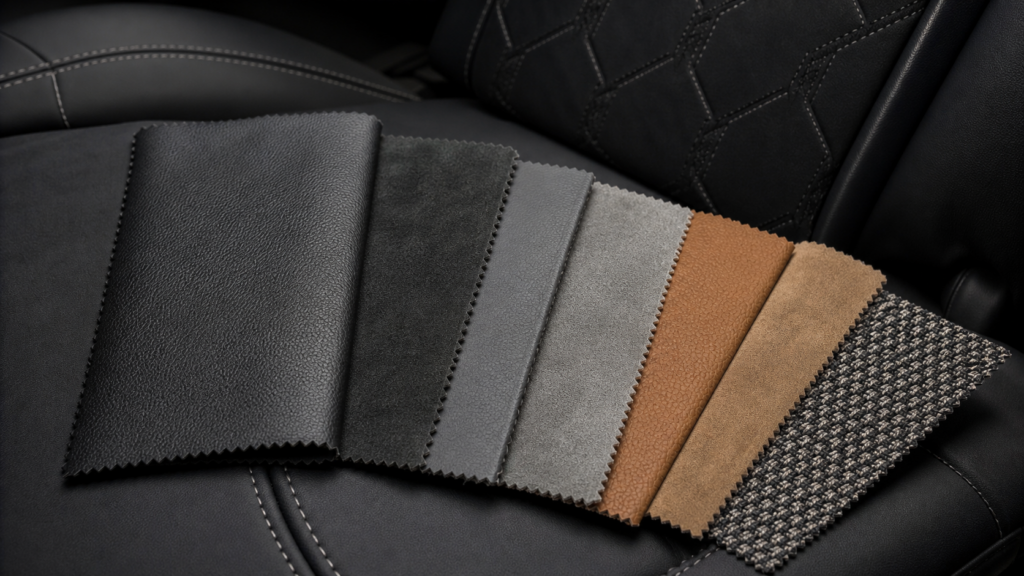
Automotive upholstery fabric is a specialized material engineered to withstand extreme conditions including UV exposure, temperature fluctuations, heavy abrasion, spills, and constant cleaning. Whether for original equipment manufacturing (OEM), aftermarket upgrades, or classic car restorations, selecting the right automotive upholstery fabric significantly impacts comfort, durability, safety compliance, and the overall perceived value of a vehicle.
Why Automotive Upholstery Fabric Is Different
Standard home fabrics cannot survive the demanding environment inside a vehicle. Automotive-grade materials must meet strict standards for flame resistance (FMVSS 302), abrasion resistance, colorfastness, and VOC emissions. They are also designed to resist fading from intense sunlight and maintain flexibility in both extreme heat and cold.
Most Common Types of Automotive Upholstery Fabric
- Genuine Leather
Premium natural material offering superior comfort, durability, and a luxurious feel. Often perforated for better breathability. - Synthetic Leather (PU/Vinyl)
Most widely used option. Modern formulations closely mimic real leather while providing excellent wear resistance and easy maintenance. - Performance Cloth / Woven Fabrics
Polyester and nylon blends treated with stain-resistant coatings. Popular for sporty or family vehicles due to breathability and lower cost. - Alcantara / Ultra Suede
High-end microfiber material known for its soft touch, excellent grip, and sporty aesthetic. Frequently used in luxury and performance cars. - Marine-Grade Vinyl
Specifically formulated for boats and convertible tops. Extremely resistant to UV, moisture, and mildew.
7 Critical Factors When Choosing Automotive Upholstery Fabric
- Abrasion Resistance — Measured by Martindale or Wyzenbeek tests. Higher ratings mean better long-term durability.
- UV and Lightfastness — Essential to prevent fading, especially in sunny climates.
- Cleanability and Stain Resistance — Modern fabrics often include C6 or C0 protective treatments.
- Breathability and Comfort — Important for hot climates and long drives.
- Flame Retardancy — Must meet federal safety standards.
- Environmental Impact — Many manufacturers now offer recycled polyester, low-VOC, and OEKO-TEX certified options.
- Color and Design Consistency — Must maintain appearance across large production runs.
Current Trends in Automotive Upholstery Fabric
Sustainability is a major driver. Recycled polyester from plastic bottles, vegan leather alternatives, and fabrics made from ocean plastics are increasingly common. Two-tone designs, contrast stitching, and technical weaves that improve airflow are also popular in new vehicle interiors.
Professional Installation Considerations
Automotive upholstery work requires specialized skills, tools, and patterns. Whether replacing seat covers, door panels, headliners, or dashboards, professional installation ensures proper fit, wrinkle-free results, and long-term durability. DIY attempts on complex surfaces often lead to poor results and premature wear.
Frequently Asked Questions
What is the most durable automotive upholstery fabric?
High-grade synthetic leather (PU) and performance fabrics with heavy abrasion ratings usually offer the best long-term durability for daily use.
Is genuine leather worth the extra cost?
It depends. Genuine leather provides unmatched luxury and breathability but requires more maintenance. Modern synthetic leathers are often more practical for high-use vehicles.
How do I clean automotive upholstery fabric?
Use manufacturer-recommended cleaners. Most modern fabrics respond well to mild soap solutions and microfiber cloths. Avoid harsh chemicals that can damage protective coatings.
Can automotive upholstery fabric be recycled?
Many new fabrics are made from recycled materials, and some manufacturers offer take-back or recycling programs for end-of-life seat covers.
What should I look for when buying automotive upholstery fabric?
Focus on abrasion rating, UV resistance, cleanability, fire certification, and whether the material meets your specific climate and usage requirements.
How long does quality automotive upholstery typically last?
With proper care, high-quality materials can last 8–15 years in daily-driven vehicles. Commercial or fleet vehicles may require replacement sooner.
Conclusion
Selecting the right automotive upholstery fabric is a critical decision that affects comfort, safety, maintenance requirements, and long-term vehicle value. By understanding the different materials, performance standards, and current trends, you can make informed choices whether you are specifying materials for a new build, restoring a classic car, or upgrading an existing interior. Working with reputable suppliers and skilled upholstery professionals ensures the best possible outcome and years of satisfaction from your investment.