
Smart water meter solutions are transforming how water consumption is measured, monitored, and managed. Using Internet of Things (IoT) technology, these advanced meters provide real-time...
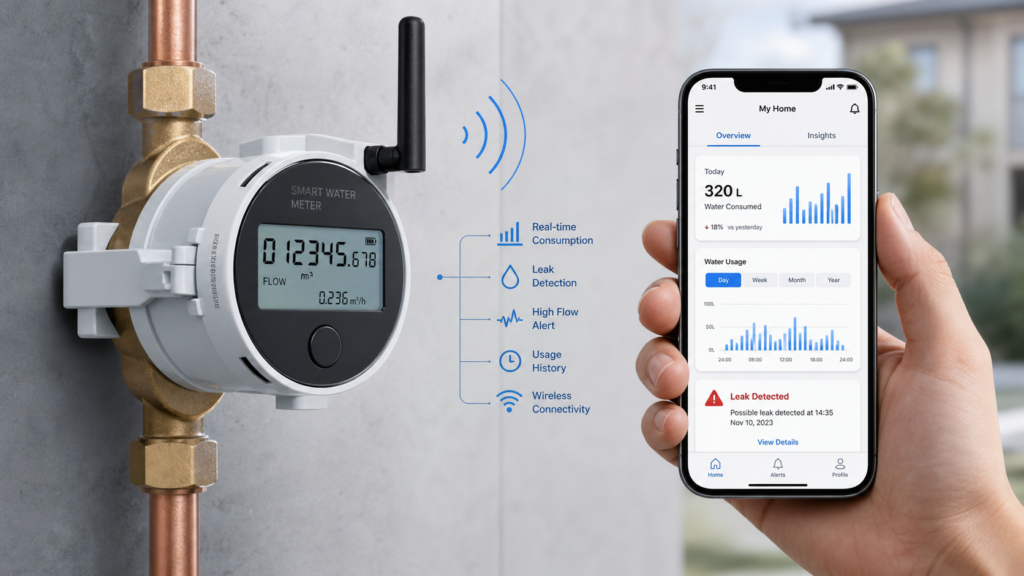
Smart water meter solutions are transforming how water consumption is measured, monitored, and managed. Using Internet of Things (IoT) technology, these advanced meters provide real-time data on water usage, instantly detect leaks, reduce non-revenue water, and help both utilities and consumers make informed decisions. From municipal water systems to commercial buildings and residential properties, smart water meters deliver accuracy, efficiency, and sustainability benefits that traditional mechanical meters cannot match.
How Smart Water Meter Solutions Work
Smart water meters combine high-precision sensors with wireless communication modules (such as LoRaWAN, NB-IoT, or cellular). They measure flow rate and volume continuously and transmit data at regular intervals to a central platform. Advanced analytics then identify unusual patterns, detect leaks, predict maintenance needs, and generate detailed usage reports accessible via web portals or mobile apps.
7 Key Benefits of Smart Water Meter Solutions
- Early Leak Detection
Identifies even small leaks within hours instead of weeks or months, preventing major water loss and property damage. - Accurate Consumption Data
Eliminates estimated readings and reduces billing disputes with precise, real-time measurements. - Reduced Non-Revenue Water
Helps utilities recover significant amounts of lost water through proactive monitoring. - Lower Operational Costs
Decreases the need for manual meter reading and reactive maintenance. - Consumer Empowerment
Provides homeowners and businesses with detailed usage insights to support conservation efforts. - Improved Demand Management
Enables utilities to monitor peak usage periods and implement better water resource strategies. - Sustainability Impact
Supports broader environmental goals by promoting efficient water use and reducing waste.
Common Applications
Smart water meter solutions are widely used in:
- Municipal water utilities
- Apartment complexes and property management
- Commercial and industrial facilities
- Smart city initiatives
- Agricultural irrigation systems
Key Features to Look For
When evaluating smart water meter solutions, consider:
- High measurement accuracy across wide flow ranges
- Long battery life (10–15 years typical)
- Strong data security and encryption
- Compatibility with existing AMR/AMI systems
- User-friendly mobile and web dashboards
- Advanced leak detection algorithms
- Scalability for large deployments
Implementation Best Practices
Successful rollout requires careful planning around network coverage, data management, customer engagement, and integration with existing billing systems. Many utilities begin with pilot programs to test technology performance and measure return on investment before full-scale deployment.
Frequently Asked Questions
What is a smart water meter?
A smart water meter is an electronic device that measures water usage in real-time and transmits data wirelessly for monitoring, billing, and analytics.
How accurate are smart water meters?
Most modern smart meters offer accuracy within ±1.5% or better across low and high flow rates, outperforming many traditional meters.
Can smart meters detect leaks automatically?
Yes. Advanced systems analyze usage patterns and send automatic alerts when abnormal flow is detected.
How long do smart water meter batteries last?
High-quality meters typically have batteries designed to last 10 to 15 years under normal operating conditions.
Do smart water meters invade privacy?
Reputable systems use strong encryption and comply with data protection regulations. Most transmit aggregated usage data rather than continuous live monitoring.
What is the typical ROI for smart water meter solutions?
Many utilities achieve payback periods between 3 and 7 years through reduced water loss, lower operational costs, and improved billing accuracy.
Conclusion
Smart water meter solutions are revolutionizing water management by delivering real-time visibility, rapid leak detection, and actionable insights. For utilities, they reduce non-revenue water and operational costs. For property owners and businesses, they promote conservation and provide valuable usage data. As water scarcity becomes an increasingly pressing global issue, investing in smart metering technology represents both a practical operational improvement and a meaningful contribution to sustainable resource management. Organizations that adopt smart water meter solutions today are better prepared to meet current challenges and future water demands with greater intelligence and efficiency.