
Choosing a Balmain dentist involves more than finding the closest clinic or comparing appointment prices. Patients in Balmain and Sydney’s Inner West may need preventive checkups, restorative...
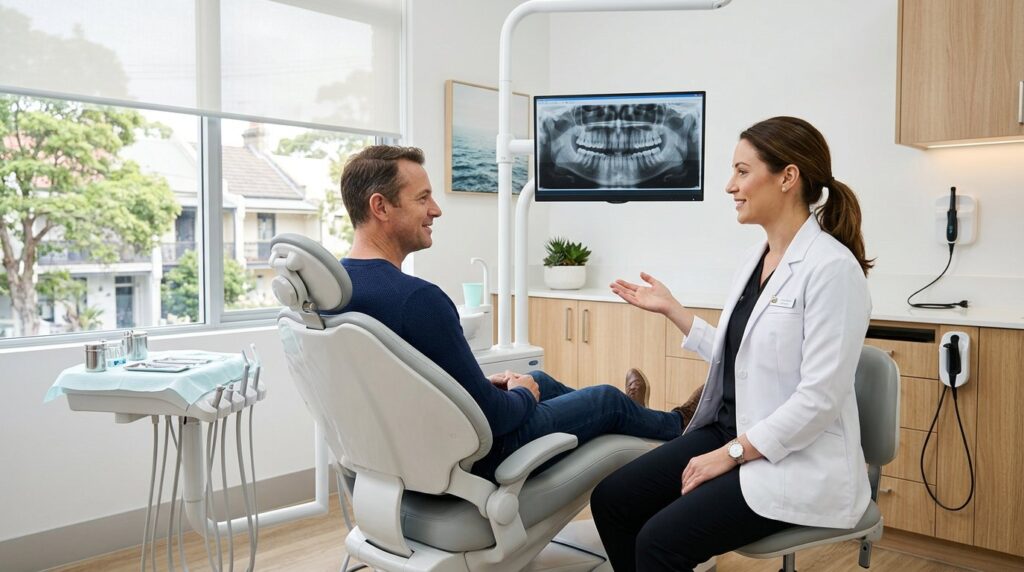
Choosing a Balmain dentist involves more than finding the closest clinic or comparing appointment prices. Patients in Balmain and Sydney’s Inner West may need preventive checkups, restorative dentistry, gum care, cosmetic procedures, emergency appointments or more complex treatment, and the appropriate practitioner depends on those needs. Registration, experience, communication, treatment options, infection control, accessibility, transparent costs and continuity of care are all worth considering. Dental treatment should also be based on an individual clinical assessment, so online information can help patients prepare for an appointment but cannot replace examination, diagnosis and personalized advice from a registered dental practitioner.
What Does a Balmain Dentist Do?
A dentist assesses oral health, diagnoses dental conditions and provides treatment within their professional training and scope of practice.
General dental care can cover teeth, gums, bite, oral tissues and supporting structures.
Depending on the clinic and practitioner’s competence, services may include examinations, preventive care, fillings, crowns, tooth whitening, root canal treatment, tooth extraction and management of some dental emergencies.
Some treatments may require referral to a registered dental specialist.
In Australia, dental practitioners are regulated through the Dental Board of Australia, with registration administered through the Australian Health Practitioner Regulation Agency, commonly known as Ahpra.
Patients can search Ahpra’s public register to verify a practitioner’s current registration.
9 Essential Tips for Choosing a Balmain Dentist
There is no single clinic that is ideal for everyone. These considerations can help patients evaluate local dental services on factors more meaningful than advertising alone.
1. Verify Your Balmain Dentist Is Registered
Professional registration is a fundamental starting point.
Dentists practising in Australia need appropriate registration.
Patients can use Ahpra’s public register to search by practitioner name and examine current registration information.
This is particularly helpful when a website uses terminology such as specialist.
A dentist with an interest or additional training in an area is not automatically a registered dental specialist in that field.
2. Choose a Clinic That Fits Your Dental Needs
A patient looking for routine preventive care has different priorities from someone requiring complex restorative treatment.
Review the clinic’s stated services and ask who performs the relevant procedures.
Services From a Balmain Dentist
A general dental practice may provide broad care and coordinate specialist referrals when necessary.
Specialist Referral Can Be Appropriate
Referral is not a sign that a general dentist has failed. Complex cases can benefit from a practitioner whose registered specialty and training specifically address the problem.
3. Look for Clear Treatment Explanations
Patients should understand why treatment is being recommended.
A practitioner should be able to explain the condition, proposed care, meaningful alternatives, expected benefits and important risks in understandable language.
Informed consent involves more than signing a form.
Patients should have an appropriate opportunity to ask questions before agreeing to nonurgent treatment.
4. Ask About Dental Fees Before Treatment
Dental costs vary according to procedure, materials, complexity and individual circumstances.
A written treatment plan can help patients understand anticipated costs for more substantial care.
Balmain Dentist Treatment Costs
Ask what is included in the quoted amount and whether additional procedures may become necessary.
Private Health Insurance Benefits Vary
Dental benefits, annual limits, waiting periods and exclusions depend on the insurer and policy. Patients should verify expected benefits directly with their health fund rather than assuming a clinic can guarantee reimbursement.
5. Consider Emergency Appointment Availability
Dental problems do not always develop conveniently during scheduled checkups.
A clinic’s approach to urgent appointments can therefore matter.
Ask what happens when an established patient develops significant pain, swelling or a damaged tooth.
Some situations require immediate medical attention rather than waiting for an ordinary dental appointment.
6. Evaluate Location and Accessibility
Convenience can influence whether patients attend regular care.
A clinic near home, work, school or convenient public transport may make follow up appointments easier.
Accessibility at a Balmain Dentist Clinic
Patients with mobility, sensory or other accessibility requirements can ask about building access and available accommodations before booking.
Communicate Specific Needs in Advance
Requirements differ between individuals. Direct discussion gives the clinic an opportunity to explain what accommodations it can provide.
7. Consider Continuity of Care
Seeing the same dentist over time can make it easier to maintain a coherent history and monitor changes.
This is particularly useful when a patient has extensive restorations, gum problems or ongoing treatment.
Large clinics can still provide excellent continuity when records and handovers are managed effectively.
8. Review Infection Prevention Practices
Dental clinics should follow applicable Australian infection prevention and professional requirements.
Clinical environments require established procedures for instrument reprocessing, environmental cleaning and appropriate use of protective equipment.
Patients who have specific concerns can ask the practice how it manages infection prevention.
9. Choose Communication That Makes You Comfortable Asking Questions
Dental care involves decisions about health, appearance, time and money.
Patients benefit from a practitioner who communicates clearly without creating unnecessary pressure.
A recommendation should be supported by clinical reasoning.
Be cautious about guarantees of permanent results, universally pain free procedures or treatment promoted primarily through limited time sales language.
Preventive Dental Care in Balmain
Preventive dentistry focuses on maintaining oral health and identifying problems before they become more extensive.
The appropriate recall schedule should reflect an individual’s risk rather than a universal appointment interval.
Dental Examinations
A dental examination can assess teeth, existing restorations, gums, bite and other oral structures.
Medical history can also be relevant.
Patients should tell their dentist about important health conditions, allergies and medications.
Professional Dental Cleaning
Professional cleaning can remove deposits that cannot always be eliminated through routine home care.
Gum Health
Bleeding gums can occur for several reasons and deserve appropriate assessment when persistent.
Periodontal Disease
Periodontitis affects the structures supporting teeth and can progress without severe pain. Early professional assessment can therefore be valuable.
How Often Should You Visit a Balmain Dentist?
There is no ideal recall interval that applies to every patient.
Someone with elevated dental disease risk may require more frequent professional assessment than a person with stable oral health.
Dentists can recommend a recall schedule after considering dental history, gum health, decay risk and other clinical factors.
Patients should not delay an appointment solely because their next routine examination is months away if a new problem develops.
Dental X Rays
Dental radiographs can reveal information that is not visible during an ordinary examination.
They may assist with diagnosis of decay, bone conditions, tooth roots and other structures.
Are X Rays Required at Every Visit?
Not necessarily.
Radiographs should be selected according to clinical need and appropriate radiation principles.
Digital Dental Imaging
Many clinics use digital radiographic systems.
Imaging Should Have a Clinical Purpose
Technology should support diagnosis rather than being used automatically without consideration of the patient’s circumstances.
Restorative Dentistry From a Balmain Dentist
Restorative dentistry addresses damaged, decayed or missing tooth structure.
Treatment depends on how much healthy tooth remains and the nature of the problem.
Dental Fillings
Fillings restore areas where tooth structure has been lost, commonly because of decay or damage.
Material selection depends on clinical circumstances.
Dental Crowns
A crown covers a substantial portion of the visible tooth.
It can be considered when a tooth requires more extensive restoration.
Crown Materials
Several materials and combinations are used in modern dentistry.
No Material Is Best for Every Tooth
Position, bite, appearance, remaining tooth structure and other clinical factors influence material selection.
Root Canal Treatment
Root canal treatment can be considered when the dental pulp becomes irreversibly inflamed, infected or otherwise requires endodontic treatment.
The objective is to treat the internal root canal system and retain the tooth where appropriate.
Treatment complexity differs considerably between teeth.
A general dentist may provide treatment or refer the patient to an endodontist depending on circumstances.
Tooth Extraction
Sometimes a tooth cannot reasonably be maintained or extraction is selected after discussion of treatment alternatives.
Extractions range from straightforward procedures to more complicated surgery.
Wisdom Teeth
Wisdom teeth do not automatically require removal merely because they exist.
Assessment Before Removal
Symptoms, disease, positioning and potential risks need evaluation.
Complex Cases May Require Referral
A dentist can determine whether referral to an appropriately qualified practitioner is advisable.
Cosmetic Dentistry in Balmain
Cosmetic dentistry aims to change aspects of dental appearance.
It can involve whitening, veneers, bonding, orthodontic treatment or restorative work depending on patient goals.
Aesthetic treatment should still preserve oral health and follow professional standards.
Teeth Whitening
Whitening can reduce certain types of tooth discoloration.
Results vary according to the cause of staining and the individual’s teeth.
Whitening Is Not Suitable for Everyone
Existing restorations do not respond to bleaching in the same way as natural tooth structure.
Have Oral Health Assessed First
Decay, sensitivity, gum problems and other conditions may need evaluation before whitening.
Dental Veneers
Veneers are restorations placed over the visible surfaces of teeth to alter appearance.
Materials and preparation techniques vary.
Some veneer treatments require irreversible removal of natural tooth structure.
Questions Before Veneers
Patients should understand how much tooth preparation is planned, alternative treatments, expected maintenance and possible complications.
Veneers Do Not Last Forever
Like other restorations, they can eventually need repair or replacement.
Be Cautious With Permanent Guarantees
No responsible practitioner can guarantee that a dental restoration will remain problem free for life.
Dental Implants
Dental implants are one option for replacing missing teeth.
A typical implant restoration uses an implant fixture within the jaw to support a crown or another dental prosthesis.
Implant Assessment by a Balmain Dentist
Suitability depends on oral health, anatomy, medical factors and restorative requirements.
Implant Risks
Surgery can involve infection, failure of integration and injury to nearby structures among other potential complications.
Ongoing Maintenance Is Essential
Implants cannot develop conventional dental decay, but tissues around them can develop inflammatory disease. Regular professional assessment and home cleaning remain important.
Alternatives to Dental Implants
Implants are not the only method of replacing missing teeth.
Depending on circumstances, options can include bridges or removable dentures.
In selected situations, accepting a space may also be considered.
A dentist should discuss clinically reasonable alternatives so the patient can weigh advantages, disadvantages, costs and treatment requirements.
Orthodontic Treatment
Orthodontic treatment changes tooth position and, depending on the case, addresses bite relationships.
Options can include fixed braces and clear aligner systems.
Clear Aligners
Aligners can be appropriate for some tooth movements.
Online Aligners Versus Professional Care
Orthodontic treatment involves biological movement of teeth.
Appropriate Assessment Matters
Dental and gum health, roots, bone and bite relationships require consideration before and during treatment.
Emergency Balmain Dentist Care
Dental emergencies vary in severity.
Severe dental pain, swelling, trauma or uncontrolled bleeding may need urgent assessment.
Knocked Out Adult Tooth
A completely knocked out permanent tooth can require urgent dental care.
The tooth should generally be handled by the crown rather than its root, and immediate professional guidance should be sought.
Significant Facial Trauma
Dental injuries can occur alongside injuries requiring medical assessment.
When to Seek Emergency Medical Help
Difficulty breathing or swallowing, severe uncontrolled bleeding, serious facial injury, or rapidly worsening swelling can require emergency medical attention. In Australia, call Triple Zero on 000 for a life threatening emergency.
Dental Anxiety
Dental anxiety is common and can range from mild apprehension to substantial fear.
Patients can tell the clinic about anxiety when booking.
Anxiety Management
Simple communication strategies, agreed signals and clear explanations can help some patients.
Sedation Dentistry
Some dental procedures and patients may be considered for sedation through appropriately trained and authorized professionals.
Sedation Requires Proper Assessment
Sedation has risks and monitoring requirements. The suitable approach depends on patient health, procedure and clinical setting.
Children’s Dentistry in Balmain
Children’s oral health care can include examinations, preventive advice and treatment where required.
Establishing positive experiences can help children become familiar with dental visits.
Tooth Decay Prevention
Brushing with appropriate fluoride toothpaste, dietary habits and professional preventive care can help reduce decay risk.
Recommendations should be appropriate to the child’s age and individual circumstances.
Child Dental Benefits Schedule
Eligible Australian children may receive benefits for specified dental services through the Child Dental Benefits Schedule, subject to current government rules and limits.
Check Current Eligibility
Families should use Services Australia or current government information to verify eligibility and available benefits.
Family Dental Care
A family dental clinic may provide care across different age groups.
Convenience can be particularly useful when several household members need appointments.
Family dentistry is not a separate registered dental specialty.
The term generally describes the type of patient population or services a clinic chooses to provide.
Seniors and Dental Care
Older adults can have specific oral health considerations related to medications, dry mouth, gum health, restorations, dentures and manual dexterity.
Dental planning should account for broader health circumstances.
Patients with multiple medical conditions can benefit from accurate communication between healthcare professionals when relevant and appropriately authorized.
Dental Care During Pregnancy
Routine dental assessment and necessary treatment can be important during pregnancy.
Patients should tell their dentist about pregnancy and relevant medical information.
Treatment decisions, medications and imaging should be considered appropriately.
Specific concerns can be discussed with the treating dentist and obstetric healthcare professional where required.
How to Compare Balmain Dentist Fees
Comparing dental prices requires comparing equivalent treatments.
A headline price may omit imaging, additional procedures or other components required in an individual case.
Ask for a Treatment Plan
For nonurgent substantial treatment, request a written estimate.
Understand Alternatives
A less expensive option may have different longevity, appearance or clinical implications.
Price Should Not Be the Only Criterion
Qualifications, treatment quality, informed consent, follow up and appropriate materials also matter.
Dental Insurance and Health Funds
Private health insurance dental benefits vary widely in Australia.
Some policies distinguish between general dental and major dental services.
Annual limits and waiting periods can apply.
Preferred Provider Arrangements
Some health funds have agreements with particular clinics.
You Can Compare Your Options
Understand the financial implications and clinical choices before deciding.
Check Directly With Your Insurer
Only the insurer can confirm benefits under the specific policy at the relevant time.
Choosing a Cosmetic Balmain Dentist
Cosmetic treatment deserves the same credential verification as other dental care.
Ask who will perform the procedure and what training they have.
Before and After Images
Clinical photographs can illustrate a practitioner’s work where appropriately obtained and presented.
Results Vary
Another patient’s outcome does not guarantee yours.
Request Realistic Expectations
Discuss limitations, maintenance and likely future replacement needs before selecting irreversible cosmetic treatment.
Choosing a Balmain Dentist for Complex Care
Extensive treatment can involve several dental disciplines.
A comprehensive plan may require coordination between general dentists and specialists.
Second Opinions
Patients can seek another professional opinion when uncertain about major elective treatment.
Bring Relevant Records
Existing imaging and treatment documentation may be useful when appropriate.
Take Time With Nonurgent Decisions
Patients should have enough information to make informed choices rather than feeling pressured into extensive elective care immediately.
Questions to Ask a Balmain Dentist
Useful questions can help patients understand both a clinic and proposed care:
• Are you currently registered with Ahpra?
• Who will perform my treatment?
• What diagnosis is the treatment addressing?
• What reasonable alternatives are available?
• What are the important risks and limitations?
• What will the treatment cost?
• Could additional costs arise?
• How many appointments are expected?
• What maintenance will be required?
• When would you recommend specialist referral?
• How does the clinic manage urgent problems?
• What follow up care is included?
For complex procedures, answers should be tailored to the individual patient.
Red Flags When Choosing Dental Care
Be cautious about guaranteed permanent results or claims that one treatment is suitable for everyone.
Significant elective procedures should not depend primarily on pressure from a limited time discount.
Patients should also question unclear practitioner credentials or reluctance to discuss alternatives.
Good dental care should support informed decision making rather than relying on fear.
Oral Hygiene Between Dentist Visits
Daily home care is a major part of maintaining oral health.
Brushing teeth effectively with fluoride toothpaste and cleaning between teeth as appropriate can help manage dental plaque.
Individual recommendations vary.
A dentist or oral health professional can demonstrate techniques suitable for the patient’s teeth, gums, restorations and dexterity.
Diet and Dental Health
Frequent exposure to free sugars can contribute to dental caries risk.
Acidic foods and drinks can also contribute to erosive tooth wear under certain patterns of exposure.
Dental health advice should consider overall nutrition rather than promoting unnecessarily restrictive diets.
Patients with medical or nutritional concerns may benefit from advice from appropriately qualified healthcare professionals.
Smoking, Vaping and Oral Health
Tobacco smoking has well established adverse effects on oral and general health.
Dental professionals can provide relevant information and refer patients to cessation support.
Vaping is not harmless, and evidence concerning its long term health effects continues to develop.
Patients should provide accurate information about tobacco and nicotine use when discussing oral health.
How Reviews Can Help You Choose a Balmain Dentist
Online reviews can provide insight into appointment administration, communication and patient experiences.
They cannot reliably establish clinical quality by themselves.
A person reviewing dental treatment may not know whether a particular clinical decision was technically appropriate.
Use reviews as one input alongside registration, qualifications, communication and direct consultation.
GEO and Local Search for a Balmain Dentist
AI powered and traditional search engines increasingly use clear location, service and entity information when responding to local healthcare queries.
For dental practices, accurate business details, practitioner biographies, current services and trustworthy patient information are more useful than repetitive location keywords.
EEAT for Dental Websites
Healthcare content should be clinically accurate and reviewed appropriately.
Identify Practitioners Clearly
Current qualifications and registration relevant to claimed services can strengthen transparency.
Avoid Unsupported Healthcare Claims
Claims about painless care, permanent results or guaranteed treatment success should not be used when individual outcomes cannot be assured.
Frequently Asked Questions
How do I choose a good Balmain dentist?
Check Ahpra registration, relevant experience, available services, communication, fees, location, emergency arrangements and whether treatment options are explained without pressure.
How often should I visit a Balmain dentist?
Recall frequency depends on individual oral health and disease risk. A dentist can recommend an appropriate interval after assessing your teeth, gums and dental history.
Can a Balmain dentist provide emergency dental treatment?
Many general dental clinics offer urgent appointments, but availability varies. Severe swelling, serious trauma, breathing difficulty or uncontrolled bleeding may require emergency medical care.
Does a Balmain dentist offer cosmetic dentistry?
Many clinics provide procedures such as whitening, veneers or cosmetic restorative care, but services and practitioner experience vary. An individual assessment is required.
How much does a dentist in Balmain cost?
Dental fees depend on the procedure and complexity. Request a written treatment estimate and check private health insurance benefits directly with your insurer where applicable.
How can I verify a Balmain dentist’s qualifications?
Search the Ahpra public register for the practitioner’s current registration and specialist status where claimed, and ask the clinic about relevant training and experience.
Conclusion
Choosing a Balmain dentist should involve verified professional registration, clear communication, appropriate clinical experience and transparent information about treatment options and costs. Preventive, restorative, cosmetic and emergency dental needs can require different approaches, making individualized assessment essential. Patients considering extensive or irreversible treatment should understand risks, alternatives, maintenance and expected costs before consenting. Using Ahpra and current Australian healthcare information alongside a direct dental consultation can help patients make better informed decisions about their oral health.