
A shipment may look simple to a customer waiting for delivery, but moving freight reliably can involve order preparation, packaging, warehousing, carrier selection, documentation, transportation,...
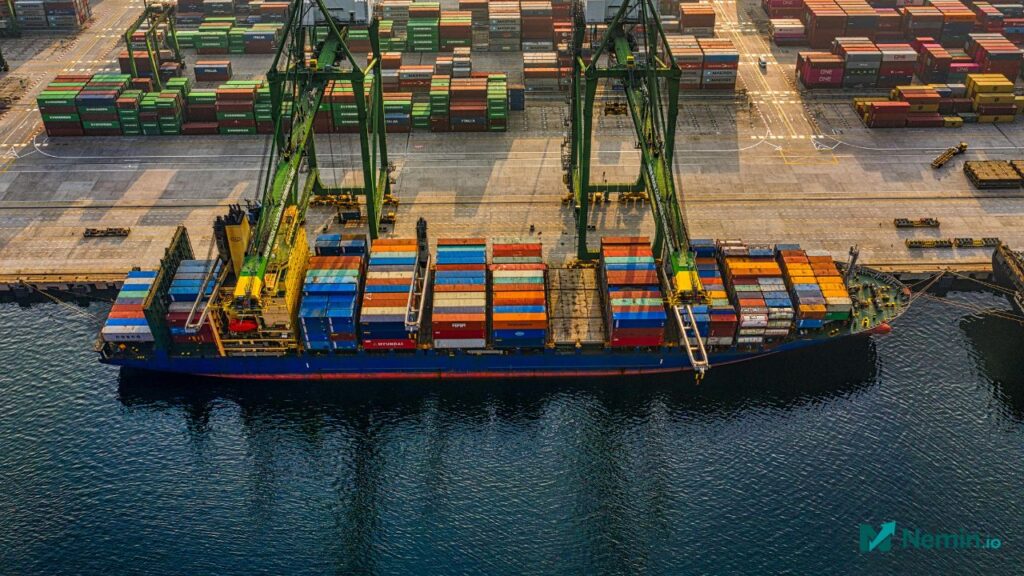
A shipment may look simple to a customer waiting for delivery, but moving freight reliably can involve order preparation, packaging, warehousing, carrier selection, documentation, transportation, tracking, appointment scheduling, delivery, and exception management. Beardown Logistics can be understood in the context of these interconnected logistics functions, where stronger coordination helps businesses move goods from origin to destination with greater visibility and fewer avoidable disruptions.
Beardown Logistics research should also go beyond finding the lowest freight rate. A practical logistics strategy considers shipment requirements, service levels, transit expectations, cargo characteristics, claims procedures, technology, warehousing, final mile needs, and total landed cost. Businesses should verify the exact services, coverage, credentials, insurance arrangements, and commercial terms of any logistics provider directly before tendering freight.
What Is Beardown Logistics?
Beardown Logistics is a search term associated with logistics, shipping, transportation, and supply chain services. Businesses researching the name should confirm current company information through authoritative business and provider sources because service areas, operating models, contact information, and capabilities can change.
From an operational perspective, the Beardown Logistics topic provides a useful way to examine what businesses should expect from modern logistics support.
A capable logistics provider may coordinate transportation directly, arrange freight through carriers, support warehousing, manage delivery schedules, provide shipment visibility, or combine several functions depending on its business model.
What Beardown Logistics Services May Involve
Before contracting with Beardown Logistics or another provider, establish which services are actually offered rather than assuming every logistics business provides an identical package.
Common logistics functions can include:
• Full truckload freight
• Less than truckload transportation
• Expedited freight
• Final mile delivery
• Warehousing
• Distribution
• Freight coordination
• Shipment tracking
• Route planning
• Carrier management
• Specialized transportation
• Inventory support
• Cross docking
• Reverse logistics
The exact service scope should be confirmed for the lanes, shipment types, and destinations your organization uses.
Beardown Logistics and the Modern Supply Chain
A supply chain covers more than transportation.
Products can move from manufacturers through warehouses, distribution centers, retailers, businesses, and ultimately customers. Inventory and information must move alongside the physical goods.
Beardown Logistics planning is therefore most effective when transportation decisions support the wider inventory and customer-service strategy.
Logistics Performance Is About Reliability as Well as Speed
Fast transportation can be valuable, but delivery reliability is often just as important.
A predictable four-day service may be more useful for some supply chains than a theoretically faster service that frequently varies.
Businesses should define the service outcome they actually need.
Why Businesses Research Beardown Logistics Solutions
Transportation can influence inventory, customer experience, production, and profitability.
When inbound material arrives late, manufacturing may stop. When outbound orders miss promised delivery windows, customers may lose confidence.
Beardown Logistics solutions should therefore be evaluated as an operational capability rather than an isolated shipping expense.
Better Logistics Can Improve Inventory Planning
Reliable transportation information gives businesses a clearer view of when goods are expected to arrive.
That information can support replenishment and production decisions.
It does not eliminate uncertainty, but Beardown Logistics visibility can help teams respond earlier when shipments deviate from plan.
Logistics Connects Multiple Business Departments
Procurement may arrange inbound goods. Warehouse teams receive and prepare freight. Finance pays transportation bills. Sales makes customer promises. Customer service handles delivery issues.
A fragmented approach can leave these teams working from different information.
Beardown Logistics Should Create Clear Ownership
Every shipment exception should have an identifiable owner.
When freight is delayed, damaged, refused, or misrouted, employees should know who contacts the carrier, who updates customers, and who documents the financial impact.
Clear responsibility reduces unnecessary internal communication loops.
Beardown Logistics and Freight Transportation
Freight mode should match the shipment rather than being selected from habit.
Shipment weight, dimensions, urgency, destination, handling needs, value, and delivery requirements can all influence the appropriate mode.
Full Truckload Freight
Full truckload transportation can be used when a shipment requires substantial trailer capacity or when operational factors make a dedicated load preferable.
Pricing depends on lane, capacity, seasonality, equipment, fuel, market conditions, and other factors.
Beardown Logistics freight planning should compare service requirements alongside price.
Less Than Truckload Freight
Less than truckload shipping combines freight from multiple shippers within a carrier network.
LTL can be efficient when a shipment does not justify a full trailer, although freight may move through terminals and experience more handling.
Accurate dimensions, weight, classification, packaging, and accessorial information can affect pricing.
Freight Mode Comparison
| Freight option | Typical fit | Important consideration |
|---|---|---|
| Full truckload | Large or dedicated shipments | Lane capacity and transit |
| Less than truckload | Smaller palletized freight | Classification and handling |
| Expedited | Time-critical shipments | Higher transportation cost |
| Final mile | Delivery to end location | Access and appointment needs |
| Intermodal | Suitable longer-distance freight | Transfer and schedule requirements |
| Specialized | Unusual or regulated loads | Equipment and compliance |
No one mode provides the best solution for every shipment.
Beardown Logistics and Freight Cost Control
Reducing transportation cost should not mean simply choosing the cheapest quote.
A low base rate can be offset by delays, reclassification, detention, storage, redelivery, accessorial charges, damage, or administrative complexity.
Understand Total Freight Cost
A transportation invoice may contain more than line-haul charges.
Depending on the shipment and agreement, additional costs can involve fuel surcharges, liftgate service, residential delivery, appointment service, limited access, detention, storage, reconsignment, inside delivery, or other services.
Beardown Logistics customers should understand pricing rules before tendering freight.
Improve Shipment Data
Incorrect dimensions, weights, addresses, or service requirements can create billing discrepancies.
Creating accurate shipment records helps providers price and execute freight more effectively.
Consolidate Freight When It Makes Operational Sense
Several small shipments moving to similar destinations may sometimes be candidates for consolidation.
The savings opportunity depends on order timing, customer commitments, freight characteristics, and warehouse capacity.
Do not delay important orders solely to create larger shipments without understanding the service impact.
Beardown Logistics and Carrier Selection
Carrier selection should consider capability as well as rate.
Businesses need transportation partners that can support required lanes, equipment, shipment characteristics, and service expectations.
Evaluate Carrier Performance
Useful carrier measures can include pickup performance, delivery reliability, damage frequency, claims experience, communication, tender acceptance, and billing accuracy.
These metrics require consistent definitions.
Beardown Logistics management should avoid judging carriers from a single unusual shipment unless the event reveals a serious compliance or safety concern.
Verify Carrier Credentials
In regulated transportation markets, applicable carrier authority, safety information, and insurance should be checked through relevant official sources.
In the United States, federal motor carrier information can be verified through appropriate U.S. Department of Transportation and Federal Motor Carrier Safety Administration resources where applicable.
Do Not Rely on a Logo or Website Alone
Professional branding does not establish transportation authority or insurance coverage.
Verify important credentials using independent authoritative sources before entrusting valuable freight to a provider.
Beardown Logistics and Shipment Tracking
Tracking has changed customer expectations.
Businesses increasingly want visibility between pickup and delivery rather than learning about problems after a scheduled arrival is missed.
Use Tracking Data for Exception Management
Seeing a truck on a map is useful, but the greater operational value comes from identifying shipments at risk.
Beardown Logistics tracking processes can prioritize exceptions such as missed pickups, unexpected dwell, route disruption, or late delivery estimates.
Employees can then focus attention where intervention may be useful.
Share Relevant Visibility With Customers
Customers do not necessarily need every internal logistics data point.
They generally need accurate information about order status and expected delivery.
Providing meaningful updates can reduce repetitive calls and emails.
Understand Tracking Limitations
Location data does not guarantee an exact arrival time.
Traffic, weather, facility delays, driver hours, appointments, mechanical issues, and other variables can affect transportation.
Estimated delivery information should therefore be communicated as an estimate unless a particular service guarantee explicitly applies.
Beardown Logistics and Warehousing
Transportation and warehousing are closely connected.
A warehouse receives products, stores inventory, picks orders, prepares shipments, and hands goods to the next stage of transportation.
Poor synchronization can create delays at both ends.
Match Warehouse Processes With Transportation
Orders should be ready before scheduled pickups whenever reasonably possible.
Carriers arriving before freight is prepared can experience unnecessary wait time, while freight staged too early can consume dock space.
Beardown Logistics planning should align warehouse cutoffs with realistic carrier schedules.
Improve Inventory Accuracy
Transportation visibility cannot compensate for inaccurate warehouse inventory.
Barcode systems, inventory management software, cycle counting, location controls, and standardized receiving can support stronger accuracy when implemented properly.
Design Dock Procedures Clearly
Drivers and warehouse employees should understand where to check in, which dock to use, what documentation is required, and how freight is verified.
Efficient procedures can reduce congestion and confusion.
Beardown Logistics and Final Mile Delivery
The final mile is the last transportation stage before goods reach the receiving business or consumer.
It can be particularly complex because delivery environments vary substantially.
Understand Delivery Conditions
A warehouse dock, retail store, construction site, office tower, residence, and healthcare facility can each require different procedures.
Beardown Logistics final mile planning should capture details such as appointment times, access restrictions, unloading requirements, contact information, and equipment needs before dispatch.
Customer Communication Matters
A failed delivery can create additional cost even if the shipment traveled hundreds of miles successfully before reaching the destination.
Accurate notifications and delivery instructions can improve the probability of successful completion.
Final Mile Planning Factors
| Factor | Why it matters |
|---|---|
| Delivery window | Determines scheduling |
| Site access | Affects vehicle suitability |
| Liftgate need | Changes equipment requirements |
| Unloading | Defines driver and receiver duties |
| Contact details | Supports delivery coordination |
| Restricted access | May affect time and pricing |
| Proof of delivery | Confirms completion |
| Returns | Requires reverse logistics planning |
Capturing these details before shipping can reduce preventable exceptions.
Beardown Logistics for Ecommerce Businesses
Ecommerce logistics places additional emphasis on order speed, inventory visibility, fulfillment accuracy, tracking, and returns.
Customers typically interact with the seller rather than distinguishing between the retailer and its logistics partners.
Delivery Performance Affects Customer Experience
A customer’s perception of an online purchase can change when a parcel or large item arrives late or damaged.
Beardown Logistics planning for ecommerce should therefore connect customer-facing delivery promises with real transportation capability.
Avoid Unrealistic Delivery Promises
Offering faster delivery can improve conversion in some contexts, but promises need operational support.
Warehouse cutoffs, carrier collection times, weekends, holidays, destination distance, and inventory availability should be reflected in estimated delivery dates.
Returns Need Their Own Logistics Process
Reverse logistics should not be treated as an afterthought.
Businesses need procedures for return authorization, transportation, inspection, restocking, refurbishment, recycling, or disposal depending on the product.
Beardown Logistics for Manufacturers
Manufacturing can depend on reliable inbound materials and outbound product movement.
A missing component can interrupt production even when hundreds of other items are available.
Prioritize Critical Inbound Freight
Not every shipment carries the same operational risk.
Beardown Logistics teams can identify parts capable of stopping production and provide additional visibility or contingency planning where justified.
Coordinate Production and Shipping Schedules
Finished goods cannot ship before production is complete.
Transportation bookings should therefore use realistic production information rather than dates selected independently by logistics teams.
Better coordination reduces unnecessary rescheduling.
Beardown Logistics and Specialized Freight
Some freight requires equipment or procedures beyond ordinary dry-van transportation.
Examples can include oversized goods, temperature-sensitive products, high-value equipment, hazardous materials, or machinery.
Match Equipment to Cargo
Cargo dimensions, weight distribution, securement requirements, loading method, and unloading method can determine the appropriate vehicle.
Beardown Logistics arrangements for specialized freight should use accurate cargo information.
Compliance Becomes More Important
Regulated freight may be subject to additional transportation, documentation, packaging, labeling, routing, or handling requirements.
Businesses should use appropriately qualified professionals and carriers for these shipments.
Hazardous Materials Require Specialist Compliance
Hazardous material transportation is regulated and should not be planned from generic online guidance.
Use trained personnel and current regulatory requirements applicable to the commodity, mode, and jurisdiction.
Technology Behind Beardown Logistics Operations
Transportation management systems can help organizations plan shipments, obtain rates, tender freight, track movement, manage documents, and analyze performance.
The value depends on accurate data and appropriate implementation.
Transportation Management Systems
A TMS can centralize logistics workflows that might otherwise rely on emails, spreadsheets, telephone calls, and separate carrier portals.
Beardown Logistics technology should make information easier to use rather than merely creating another system employees must update manually.
Integrate Logistics With Business Systems
Connections with enterprise resource planning, warehouse management, ecommerce, and customer systems can reduce duplicate entry where integrations are configured properly.
Automated data still needs validation.
A system can distribute incorrect shipment data faster than manual processes if source records are wrong.
Beardown Logistics and Supply Chain Risk
Logistics disruption can result from severe weather, port congestion, equipment shortages, labor interruptions, accidents, infrastructure problems, geopolitical developments, supplier failures, or sudden demand changes.
Businesses cannot prevent every disruption.
Identify Critical Lanes and Suppliers
Risk planning should concentrate first on transportation flows where delays would create the largest consequences.
A low-value component that stops production may deserve more contingency attention than expensive but easily replaceable inventory.
Develop Practical Alternatives
Contingencies can include alternative carriers, modes, suppliers, routes, warehouses, or inventory strategies.
Maintaining every possible backup would be unnecessarily expensive.
Beardown Logistics resilience should prioritize realistic high-impact risks.
Beardown Logistics and Freight Claims
Cargo damage and loss can occur despite reasonable precautions.
A clear claims procedure helps businesses preserve documentation and respond consistently.
Inspect Freight at Delivery
Receiving personnel should follow appropriate procedures for inspecting shipment condition and documenting visible issues.
Photos, delivery records, packing information, invoices, and other documents can become relevant during claims handling.
Understand Claim Terms
Liability and claims rules depend on contracts, shipment type, carrier, jurisdiction, and applicable transportation law.
Do not assume the invoice value will automatically be reimbursed after every loss.
Insurance and carrier liability are also different concepts.
Sustainability and Beardown Logistics
Transportation contributes to energy consumption and emissions, which has increased interest in logistics efficiency.
Potential measures can include improved loading, route planning, reduced empty miles, suitable modal choices, warehouse efficiency, and newer equipment.
Measure Before Making Claims
Businesses should avoid unsupported statements that a logistics strategy is carbon neutral or environmentally friendly.
Credible sustainability reporting requires defined methodologies and evidence.
Beardown Logistics sustainability initiatives should focus on measurable operational improvements.
How to Evaluate Beardown Logistics Providers
A provider should be evaluated against your actual freight profile.
The best logistics partner for local deliveries may not be the right choice for nationwide truckload freight or specialized machinery.
Compare Service and Commercial Terms
Businesses can assess:
• Geographic coverage
• Freight modes
• Carrier network
• Tracking capabilities
• Customer support
• Claims procedures
• Insurance and credentials
• Technology integration
• Pricing structure
• Accessorial charges
• Warehousing capabilities
• Final mile support
• Performance reporting
Request written clarification where important terms are unclear.
Evaluate Communication During Problems
Almost any provider can communicate effectively when a shipment moves normally.
Exception handling often reveals more about service quality.
Ask how Beardown Logistics or another provider handles missed pickups, damaged freight, after-hours issues, weather disruptions, and incorrect delivery appointments.
Beardown Logistics Cost Versus Value
The cheapest transportation provider does not automatically create the lowest supply chain cost.
Late deliveries can generate production delays, customer penalties, expedited replacements, and employee time spent resolving problems.
Measure Total Logistics Performance
Businesses can combine cost and service indicators.
| Measure | What it indicates |
|---|---|
| Freight cost per shipment | Direct transportation spending |
| On-time pickup | Origin reliability |
| On-time delivery | Service performance |
| Damage frequency | Cargo handling quality |
| Claims resolution | Recovery process performance |
| Billing accuracy | Administrative efficiency |
| Transit variation | Predictability |
| Exception rate | Operational reliability |
| Cost per unit | Transportation efficiency |
Measures should be defined consistently before providers are compared.
Common Beardown Logistics Mistakes
Selecting a provider solely from the lowest quote is a common error.
Businesses can also create unnecessary costs by supplying inaccurate weights and dimensions, failing to specify delivery conditions, or tendering freight before it is ready.
Another mistake is assuming tracking automatically solves delays. Visibility only creates value when someone responds appropriately to exceptions.
Poor communication between sales, warehouse, purchasing, and transportation teams can also undermine Beardown Logistics performance.
Building a Better Beardown Logistics Strategy
Start by mapping how goods currently move through the organization.
Identify origins, destinations, shipment frequency, freight characteristics, average costs, service failures, customer requirements, and critical lanes.
Then prioritize problems.
Standardize Routine Shipping
Create repeatable procedures for shipment entry, packaging, carrier selection, documentation, pickup, tracking, delivery, and claims.
Standardization reduces dependence on individual employee memory.
Review Performance Regularly
Carrier markets and customer requirements change.
Beardown Logistics performance should be reviewed periodically using reliable operational data.
A provider that was appropriate two years ago may no longer fit the current network.
Keep the Customer Promise Connected to Logistics
Sales and marketing teams should understand realistic fulfillment and transit capabilities.
Promising delivery dates without logistics input can create expectations the transportation network cannot consistently meet.
FAQ’s
What is Beardown Logistics?
Beardown Logistics is associated with shipping and logistics services. Businesses should verify the provider’s current services, coverage, credentials, and commercial terms directly before shipping.
What services can Beardown Logistics provide?
Depending on current capabilities, logistics services may involve freight transportation, coordination, tracking, warehousing, distribution, final mile delivery, or other supply chain support.
How should businesses evaluate Beardown Logistics?
Review service coverage, pricing, freight capabilities, credentials, insurance, technology, claims procedures, communication, customer support, and performance relevant to your shipments.
Can Beardown Logistics help reduce freight costs?
Effective logistics management can identify opportunities involving carrier selection, consolidation, routing, shipment data, and mode choice, but savings depend on each freight network.
Does Beardown Logistics support shipment tracking?
Tracking capabilities depend on the specific provider and service. Businesses should confirm visibility tools, notification options, data frequency, and exception management before contracting.
Why is Beardown Logistics important for supply chains?
Logistics connects suppliers, warehouses, production, customers, and transportation. Strong coordination can improve visibility, delivery reliability, inventory planning, and exception management.
Conclusion
Beardown Logistics should be evaluated as part of a complete supply chain rather than simply as a way to obtain transportation rates. Freight mode, carrier capability, shipment data, warehousing, tracking, final mile delivery, claims, technology, and customer expectations all influence the real performance and cost of moving goods.
Businesses researching Beardown Logistics should verify current provider information and compare service quality alongside price. Accurate data, clear procedures, measurable carrier performance, strong exception management, and realistic delivery promises can help create a logistics operation that controls costs while keeping products moving reliably from suppliers to customers.