
Choosing the right fence can improve privacy, security, curb appeal, and the overall usability of your property. However, the quality of the finished fence depends...
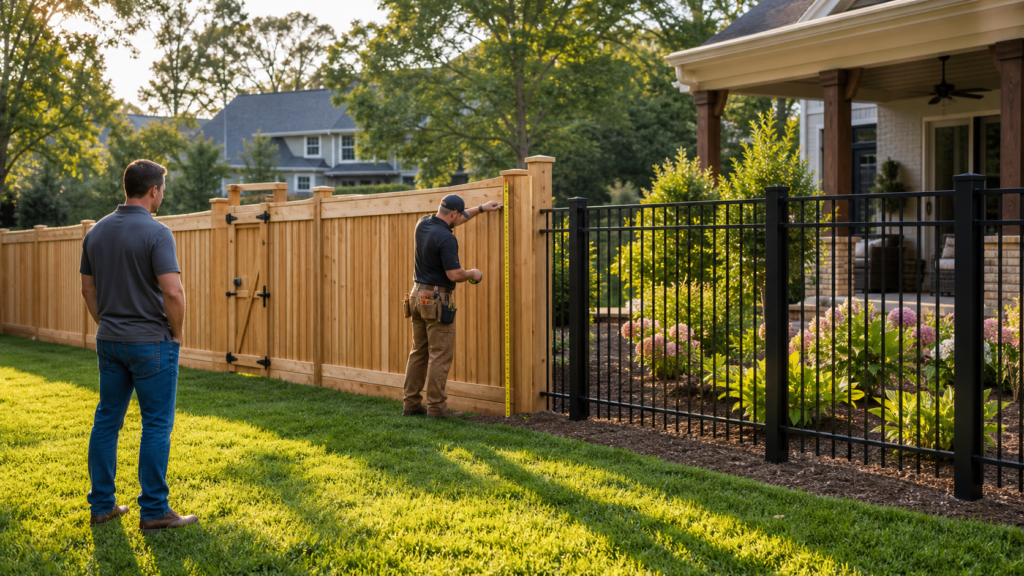
Choosing the right fence can improve privacy, security, curb appeal, and the overall usability of your property. However, the quality of the finished fence depends heavily on the contractor you choose. If you are searching for the Best Fencing Company in Atlanta Georgia, it is important to look beyond price and focus on workmanship, materials, planning, communication, and long-term value.
Atlanta homeowners have many fencing options. Wood, vinyl, aluminum, chain link, decorative metal, and privacy fencing can all serve different purposes. The right choice depends on your property, budget, neighborhood, and personal priorities.
A reliable fencing company should help you understand these choices without making the process confusing.
Before signing a contract, you should know what type of fence works for your home, how the installation process usually works, what questions to ask, and which warning signs to avoid.
This guide explains the most important factors to consider when choosing a fencing contractor in Atlanta and how to make a decision that supports both your immediate needs and your property’s future value.
Why Choosing the Right Fencing Company Matters
A fence may look simple, but proper installation requires careful planning.
Posts must be placed correctly. Gates need proper support. Fence lines should be straight. Materials must suit the local environment. Property boundaries must be understood before construction begins.
Poor installation can create problems such as:
- Leaning fence sections
- Loose posts
- Gates that drag or fail to close
- Premature wood damage
- Uneven fence lines
- Gaps that reduce privacy
- Weak sections that move in wind
- Unnecessary repair costs
A well-installed fence should feel like a permanent part of the property rather than a temporary addition.
This is why contractor selection matters as much as material selection.
What Makes a Fencing Company Worth Considering?
There is no single factor that defines a good fencing contractor.
Instead, several qualities work together.
A strong fencing company should demonstrate:
- Clear communication
- Accurate measurements
- Practical recommendations
- Transparent pricing
- Knowledge of different materials
- Attention to property conditions
- Organized installation
- Consistent workmanship
- Clear project expectations
Homeowners should feel comfortable asking questions throughout the process.
If a contractor avoids basic questions about materials, preparation, timelines, or pricing, that can be a reason to proceed carefully.
Start by Understanding Why You Need a Fence
Before comparing contractors, decide what you want your fence to accomplish.
Your primary goal will influence material, height, layout, gate placement, and overall cost.
Privacy
Privacy fences are common around backyards, pools, patios, and residential outdoor spaces.
A taller solid fence can reduce direct visibility from neighboring properties and roads.
Wood and vinyl are often considered for privacy applications.
Security
Security-focused fencing may require greater strength, controlled entry points, and carefully positioned gates.
Metal, aluminum, chain link, or other durable fencing systems may be suitable depending on the property.
Pet Containment
Pet owners need to think about fence height, gaps, gate security, and the possibility of digging.
Small dogs may require tighter spacing than larger animals.
Child Safety
Families may prioritize secure gates, smooth surfaces, appropriate height, and clear visibility in certain areas.
Pool fencing may involve additional requirements.
Curb Appeal
Front-yard fencing often has a stronger visual role.
Decorative aluminum, picket-style fencing, or carefully designed wood fences can complement the architecture of a home.
Property Definition
Some fences are installed primarily to define property boundaries.
In these cases, accurate placement becomes especially important.
Popular Fence Types for Atlanta Homes
Different fence materials offer different combinations of appearance, maintenance, strength, and cost.
Understanding the main categories makes contractor conversations much easier.
Wood Fencing
Wood remains one of the most popular residential fencing materials because of its traditional appearance and flexibility.
It can be used for:
- Privacy fences
- Picket fences
- Decorative fencing
- Horizontal modern designs
- Backyard enclosures
Wood can be stained or painted to suit different homes.
Advantages of Wood Fencing
Wood offers several benefits:
- Warm, natural appearance
- Wide design flexibility
- Good privacy potential
- Easy customization
- Suitable for traditional and modern homes
Considerations With Wood
Wood requires maintenance.
Moisture, sunlight, vegetation, and changing weather can affect the material over time.
Regular inspection and appropriate finishing can help extend its useful life.
Vinyl Fencing
Vinyl fencing is popular with homeowners who want a clean appearance and relatively low maintenance.
It is available in different colors and styles.
Common uses include:
- Privacy fencing
- Picket fencing
- Yard enclosures
- Decorative boundaries
Benefits of Vinyl
Vinyl generally does not need painting or staining.
It can also be easy to clean.
This makes it appealing for homeowners who want a consistent appearance with less routine maintenance.
Things to Consider
Quality can vary between products.
Ask about panel construction, post systems, color stability, and installation methods before choosing a vinyl fence.
Aluminum Fencing
Aluminum fencing is often selected for its elegant appearance.
It can work well around:
- Front yards
- Gardens
- Pools
- Decorative landscapes
- Larger residential properties
It allows visibility through the fence while creating a defined boundary.
Why Homeowners Choose Aluminum
Aluminum can offer:
- Attractive design
- Lower maintenance
- Resistance to corrosion
- Lightweight construction
- Strong visual appeal
It is often a good fit when privacy is not the primary goal.
Chain Link Fencing
Chain link remains a practical fencing option.
It is commonly used for:
- Pet areas
- Side yards
- Utility spaces
- Large properties
- Residential boundaries
It may not offer the same level of privacy as solid fencing, but privacy screens or slats can sometimes be added.
Chain link may appeal to homeowners who prioritize function and coverage.
Decorative Metal Fencing
Decorative metal fencing can create a more formal appearance.
It works well with:
- Brick homes
- Traditional properties
- Entryways
- Gardens
- Landscaped front yards
Metal fencing can make a strong visual statement while maintaining open sightlines.
Privacy Fencing
Privacy fencing is less about a specific material and more about the function.
Wood and vinyl are common choices.
Important features include:
- Appropriate height
- Minimal gaps
- Secure gates
- Strong posts
- Proper alignment
A fencing contractor should consider neighboring properties, slope, drainage, and local requirements when planning a privacy fence.
Atlanta Climate and Fence Material Selection
Climate can influence how a fence performs over time.
Atlanta experiences warm summers, humidity, rainfall, and changing seasonal conditions.
These factors should be considered when selecting materials.
Moisture
Wood fences need appropriate protection against moisture.
Proper spacing, drainage, and finishing can help reduce long-term problems.
Sun Exposure
Strong sunlight can affect the color and surface of some materials.
Ask how your selected fence performs under long-term outdoor exposure.
Vegetation
Atlanta properties often have mature landscaping.
Bushes, vines, and tree branches can trap moisture or place pressure against fencing.
Maintaining space around the fence can improve durability.
Soil Conditions
The stability of fence posts depends partly on how they are installed in the ground.
A contractor should assess the property rather than assuming every site requires the same approach.
Why Accurate Measurements Matter
Proper measurements affect both pricing and installation.
A contractor should identify:
- Total fence length
- Number of gates
- Gate width
- Changes in elevation
- Corners
- Property obstacles
- Existing structures
- Access points
Inaccurate measurements can lead to unexpected costs or material shortages.
A professional estimate should be based on the actual site whenever possible.
Property Lines and Fence Placement
One of the most important parts of fence installation is knowing where the fence should be located.
Never assume an old fence marks the exact legal property boundary.
If boundary placement is uncertain, homeowners may need appropriate property documentation or a survey.
Installing a fence in the wrong location can create disputes and expensive corrections.
Discuss property lines before installation begins.
Local Rules and HOA Considerations
Fence projects may be subject to local requirements, neighborhood restrictions, or homeowner association rules.
These may affect:
- Fence height
- Placement
- Material
- Color
- Style
- Front-yard fencing
- Setbacks
If you live in an HOA community, review the rules before choosing a design.
You may need approval before installation.
A fencing company familiar with Atlanta-area projects should understand that these issues need to be considered.
How to Compare Fencing Estimates
Price is important, but estimates should be compared carefully.
The lowest number may not include the same materials or services as another estimate.
Look at what is actually included.
Material Type
Make sure each estimate uses comparable materials.
Different wood species, vinyl grades, metal systems, and hardware can significantly affect price.
Fence Height
A six-foot privacy fence will not cost the same as a shorter decorative fence.
Gates
Gates require extra materials and labor.
Large driveway gates may have a significant effect on pricing.
Removal
If an old fence must be removed, determine whether removal and disposal are included.
Site Conditions
Slopes, rocky ground, tree roots, and limited access can increase installation complexity.
Cleanup
Ask whether construction debris and leftover materials will be removed.
Questions to Ask a Fencing Contractor
Good questions can reveal a lot about how a company works.
Consider asking:
- What fence materials do you install?
- Which material fits my goals best?
- How will you handle slopes?
- What type of posts will be used?
- How deep will posts be installed?
- What hardware is included?
- How are gates reinforced?
- Who handles cleanup?
- How will unexpected site conditions be addressed?
- What preparation is required before installation?
- How should the fence be maintained?
Clear answers make it easier to compare contractors fairly.
The Importance of Gate Construction
Gates are often the most heavily used part of a fence.
A gate may be opened hundreds or thousands of times over the life of the fence.
Poor gate installation can lead to:
- Sagging
- Dragging
- Misalignment
- Loose hinges
- Difficulty closing
- Broken latches
The contractor should use appropriate support, hardware, and spacing.
For wider gates, reinforcement becomes even more important.
Fencing Sloped Properties
Atlanta has many properties with uneven ground.
A contractor should know how to adapt fencing to the slope.
Two common approaches are stepping and following the grade.
Stepped Fencing
Fence sections remain level while moving downward in steps.
This can create visible gaps depending on the slope.
Racked or Contoured Fencing
Some fencing systems can follow the slope more closely.
The correct approach depends on the material and site.
Discuss this before the fence is installed.
Fence Height: How Much Do You Need?
Fence height affects privacy, appearance, security, and cost.
Common priorities include:
Front Yards
Shorter decorative fencing may be more appropriate.
Backyards
Taller fences are often chosen for privacy.
Pets
Height should suit the type and behavior of the animal.
Pools
Pool fencing may need to meet specific requirements.
Security
Taller and stronger designs may offer better deterrence.
Avoid choosing height based only on appearance.
Consider function first.
Fence Style and Home Architecture
A fence should complement the property rather than compete with it.
Traditional Homes
Picket fences, classic wood fencing, and decorative metal can work well.
Modern Homes
Horizontal wood designs, clean vinyl panels, and simple metal fencing may create a more contemporary appearance.
Brick Homes
Black aluminum or decorative metal often pairs naturally with brick architecture.
Large Properties
Open metal or split-style fencing can define space without making the property feel enclosed.
The best design is one that feels appropriate for both the home and neighborhood.
Fence Color Selection
Color affects how noticeable the fence becomes.
Natural Wood
Natural wood tones can blend well with landscaping.
White
White vinyl or painted fencing creates a bright, traditional appearance.
Black
Black aluminum and metal fencing often looks understated and elegant.
Gray
Gray tones can complement modern architecture.
When choosing a color, look at:
- Exterior siding
- Roof
- Trim
- Driveway
- Landscaping
- Neighboring properties
The fence should feel connected to the overall design.
Preparing Your Yard Before Installation
Good preparation can make the project run more smoothly.
Clear the Fence Line
Move:
- Outdoor furniture
- Toys
- Planters
- Garden decorations
- Temporary structures
Trim vegetation where necessary.
Identify Irrigation
Mark sprinkler heads and irrigation components that may be near the fence line.
Plan Pet Access
Pets should be kept safely away from the work area.
Discuss Underground Utilities
Before digging begins, appropriate utility location procedures should be followed.
Confirm Gate Locations
Walk through gate placement before construction starts.
Make sure gates will support everyday movement around the property.
What Happens During Fence Installation?
Every project is different, but residential fence installation usually follows several general stages.
Site Preparation
The fence line is reviewed and obstacles are addressed.
Layout
Posts and corners are marked.
Post Installation
Posts are installed and secured.
Proper alignment at this stage is essential.
Fence Assembly
Rails, panels, pickets, or sections are installed.
Gate Installation
Gates are fitted and adjusted.
Final Inspection
Alignment, stability, gates, and cleanup are checked.
A well-organized installation should result in a clean and usable property when the work is complete.
Why Post Installation Is So Important
Fence posts support the entire structure.
If posts are unstable, the fence may lean or move even if the panels themselves are high quality.
Post requirements depend on:
- Fence type
- Fence height
- Soil
- Wind exposure
- Gate position
- Material
Corner posts and gate posts often experience greater stress than standard line posts.
These areas deserve careful installation.
Fence Maintenance After Installation
Maintenance depends on material.
Wood Fence Maintenance
Wood may benefit from:
- Cleaning
- Inspection
- Staining
- Sealing
- Replacing damaged boards
- Keeping vegetation controlled
Vinyl Fence Maintenance
Vinyl generally needs less maintenance.
Occasional washing may help maintain appearance.
Aluminum Fence Maintenance
Aluminum is relatively low maintenance.
Check gates, latches, and hardware periodically.
Chain Link Maintenance
Watch for bent sections, loose tension, and damaged hardware.
Regular inspections can help identify small problems before they become more expensive repairs.
When Should a Fence Be Repaired Instead of Replaced?
Not every damaged fence needs full replacement.
Repair may be practical when:
- Only a few boards are damaged
- A gate needs adjustment
- Individual posts are loose
- Hardware needs replacement
- Small areas have been damaged
Replacement may make more sense when:
- Large sections are leaning
- Many posts are deteriorated
- The fence has widespread rot
- The design no longer meets your needs
- Repair costs approach replacement costs
A contractor should be able to explain the condition of the fence and the practical options.
Red Flags When Choosing a Fencing Company
Homeowners should watch for warning signs.
Extremely Vague Estimates
A quote should provide enough information to understand what you are paying for.
Pressure to Decide Immediately
You should have reasonable time to evaluate a major home improvement project.
Unclear Material Information
You should know what type of fence is being installed.
Poor Communication
Communication problems before installation may continue during the project.
No Discussion of Property Boundaries
Fence placement should never be treated casually.
Ignoring Site Conditions
A contractor should consider slopes, drainage, trees, and other obstacles.
Why Communication Matters
A fence installation involves decisions that can affect your property for many years.
You should know:
- Where the fence will go
- What it will look like
- Where gates will be located
- What material will be used
- What preparation is required
- What is included in the estimate
Good communication reduces misunderstandings.
It also makes it easier to resolve unexpected issues during installation.
Balancing Fence Cost and Long-Term Value
Price matters, but long-term value is usually more important.
A cheaper fence that needs frequent repair may cost more over time.
Think about:
- Initial cost
- Maintenance requirements
- Expected durability
- Appearance
- Function
- Repair potential
The right fence should fit your budget without forcing you to compromise on the features that matter most.
How Fencing Can Improve Privacy
Privacy is one of the most common reasons Atlanta homeowners install fences.
A well-designed privacy fence can make:
- Patios feel more comfortable
- Pools feel more secluded
- Backyards easier to use
- Outdoor dining areas more inviting
However, privacy depends on more than height.
Board spacing, terrain, neighboring elevation, and gate design also matter.
Walk around your yard before choosing the final layout.
Think about where visibility matters most.
How a Fence Can Improve Curb Appeal
A fence is a major visual feature.
A well-chosen design can frame the home and landscaping.
Front-yard fencing should be considered especially carefully.
An oversized or overly solid fence may make a property feel closed off, while decorative fencing can create a welcoming boundary.
Material, height, color, and gate design all influence curb appeal.
Fencing for Pets
Pet owners should consider their animal’s size, behavior, and activity level.
Small Dogs
Look carefully at gaps beneath and between fence components.
Large Dogs
Height and structural strength may become more important.
Dogs That Dig
The lower fence area may need additional attention.
Dogs That Jump
A taller fence may be necessary.
Gates should also close securely.
A fence designed around the pet’s behavior is generally more effective than choosing a generic solution.
Pool Fencing Considerations
Pool fencing has important safety implications.
Homeowners should pay close attention to:
- Height
- Gate placement
- Latching
- Climbability
- Openings
- Local requirements
Pool barriers should never be designed solely for appearance.
Function and compliance are essential.
Commercial Fencing Considerations
Fencing is also important for businesses, warehouses, offices, and commercial properties.
Commercial priorities may include:
- Security
- Vehicle access
- Controlled entry
- Equipment protection
- Property boundaries
- Employee safety
- Appearance
Commercial gates and fencing often experience more frequent use than residential systems.
Durable materials and strong hardware become particularly important.
How to Make Your Final Decision
Once you have reviewed estimates and contractor options, compare them carefully.
Do not focus on a single factor.
Look at the complete project.
Consider:
- Material quality
- Installation approach
- Communication
- Pricing clarity
- Site planning
- Gate construction
- Cleanup
- Maintenance expectations
A fencing project should feel well organized before installation begins.
If you still have important unanswered questions, resolve them before signing the agreement.
FAQs
How do I choose the Best Fencing Company in Atlanta Georgia?
Start by comparing workmanship, material options, communication, pricing clarity, project planning, and experience with different property conditions. The Best Fencing Company in Atlanta Georgia for your needs should be able to explain the installation process clearly and recommend materials based on your property’s actual requirements.
What type of fence is best for an Atlanta home?
It depends on your goals. Wood and vinyl work well for privacy, aluminum can suit decorative and pool applications, while chain link is useful for practical boundaries and pet containment.
How much does a new fence cost in Atlanta?
Fence cost depends on material, total length, height, number of gates, terrain, removal requirements, and installation complexity. A site-specific estimate is more useful than a general price range.
Is wood or vinyl fencing better for privacy?
Both can provide good privacy. Wood offers a natural appearance and design flexibility, while vinyl generally requires less routine maintenance. The better option depends on budget, style, and maintenance preferences.
Do I need to know my property line before installing a fence?
Yes. Accurate fence placement is important. If the boundary is unclear, homeowners should use appropriate property documentation or professional surveying rather than relying on assumptions.
How long does fence installation take?
The timeframe depends on property size, material, site conditions, project complexity, weather, and the number of gates. Your contractor should provide a realistic project schedule based on your specific installation.
What is the best fence for dogs?
The best fence depends on the dog’s size and behavior. Consider height, gaps, gate security, digging habits, and jumping ability when selecting the design.
How should I maintain a new fence?
Maintenance varies by material. Wood may require cleaning, sealing, or staining, while vinyl and aluminum generally need less maintenance. Regular inspections can help identify loose hardware, damaged sections, or developing problems.
Conclusion
Finding the Best Fencing Company in Atlanta Georgia requires more than comparing prices. A successful fence installation depends on choosing the right material, understanding your property, planning accurate boundaries, selecting appropriate gates, and working with a contractor who communicates clearly throughout the project. Whether your priority is privacy, security, pet containment, pool safety, or curb appeal, take time to compare your options before making a decision. A carefully planned fence can improve how you use your property, complement your home’s appearance, and provide long-term practical value. By focusing on workmanship, material suitability, clear project details, and proper installation rather than price alone, you can make a more confident fencing decision for your Atlanta property.