
A good yoga mat should provide comfort, stability, and a surface you feel confident using regularly. For people who are paying closer attention to the...
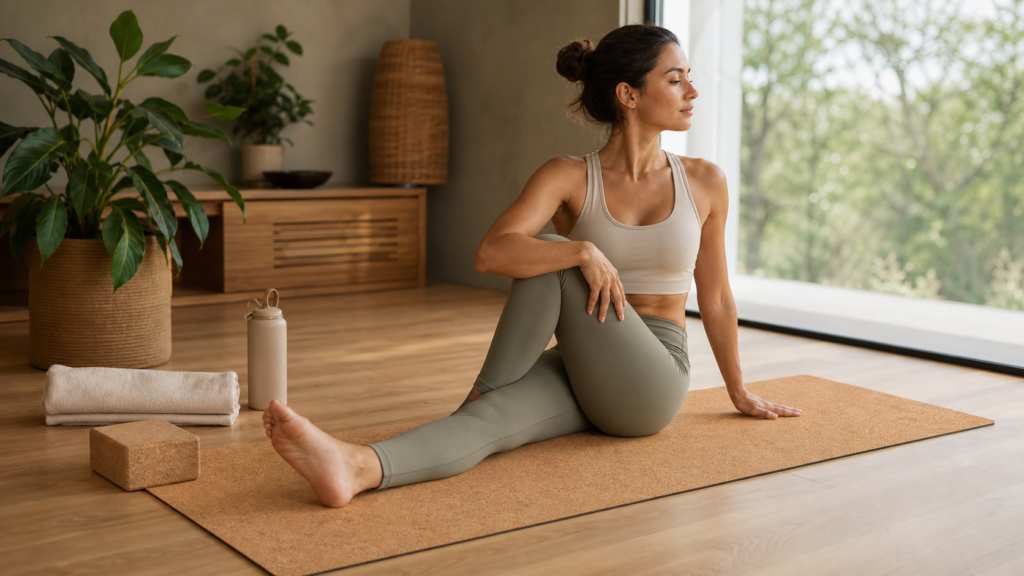
A good yoga mat should provide comfort, stability, and a surface you feel confident using regularly. For people who are paying closer attention to the materials in their fitness products, a non toxic cork yoga mat can be an appealing option because cork offers a naturally textured surface, a distinctive feel, and a simple appearance that works well in many home and studio environments.
Yoga mats are made from many different materials, and each one behaves differently during practice. Some are very soft and cushioned, while others focus on grip, durability, portability, or ease of cleaning. Cork mats have become especially interesting to yoga users who prefer natural-feeling surfaces and want an alternative to conventional synthetic mat textures.
However, choosing the right mat involves more than simply selecting cork.
The backing material, thickness, size, grip, construction, care requirements, and intended style of yoga can all affect your experience. A mat that works well for a gentle home practice may feel different during hot yoga, flowing sequences, or longer standing sessions.
Understanding these details can help you choose a mat that fits your routine rather than buying based on appearance alone.
What Is a Cork Yoga Mat?
A cork yoga mat typically uses cork as the upper practice surface, often combined with a separate backing layer designed to provide cushioning and prevent the mat from moving across the floor.
Cork itself comes from the bark of cork oak trees. It has a distinctive natural grain and a slightly textured surface that gives cork yoga mats their recognizable appearance.
The exact feel of a mat depends on several factors, including:
- Cork thickness
- Surface finish
- Backing material
- Overall mat thickness
- Manufacturing process
- Moisture level during use
Some cork mats feel relatively firm and smooth when dry. Others become noticeably grippier as moisture increases during practice.
This makes it important to consider the type of yoga you usually practice.
Why People Choose Cork Yoga Mats
Cork yoga mats attract users for several different reasons.
Some people prefer the natural visual appearance. Others like the firmer surface or the way cork responds during more active sessions.
A cork mat may also appeal to someone who wants their yoga space to feel calmer and less synthetic.
The main benefits often associated with cork yoga mats include:
- Natural-looking surface
- Comfortable texture
- Grip that may improve with moisture
- Simple, minimalist appearance
- Easy-to-wipe surface
- Suitable for many yoga styles
- Firm support during balance poses
- Distinctive alternative to common foam mats
These qualities can make cork worth considering, but they should still be compared with your personal needs.
Understanding the Meaning of Non Toxic in Yoga Mats
The phrase “non toxic” is frequently used when discussing wellness products, but it is important to understand it carefully.
A yoga mat can contain several components, not just the visible top surface.
For example, a cork mat may include:
- Cork surface material
- Adhesive
- Backing material
- Printing or coloring
- Protective coatings
- Packaging materials
Therefore, when evaluating a non toxic cork yoga mat, it is useful to look beyond the word “cork” and consider the full construction.
You may want to review available information about the materials used in both the top and bottom layers.
Clear product information is often more useful than broad marketing language.
Cork Surface vs Full Mat Construction
One common mistake is assuming that a cork yoga mat is made entirely from cork.
In many cases, cork forms only the upper layer.
The backing may use another material to add flexibility, cushioning, weight, or grip against the floor.
This does not automatically make the mat unsuitable. It simply means that buyers should understand what they are purchasing.
Common backing materials may include natural rubber or other flexible materials.
Each backing type affects:
- Weight
- Flexibility
- Cushioning
- Floor grip
- Smell
- Durability
- Portability
When choosing a mat, evaluate the complete material combination rather than focusing only on the top surface.
How Cork Feels During Yoga Practice
The feel of cork is different from the soft, slightly sticky texture of many traditional yoga mats.
When dry, cork can feel smooth but lightly textured.
During practice, especially as your hands and feet become warmer, the grip may feel stronger.
Some users enjoy this because it creates a more grounded feeling.
Others may prefer a softer or more immediately sticky surface.
Your preference may depend on:
- How much you sweat
- Whether you practice barefoot
- Your preferred yoga style
- How much cushioning you need
- Whether you practice slowly or dynamically
Trying to understand these factors before buying can help you avoid choosing the wrong surface.
Grip and Stability
Grip is one of the most important qualities in any yoga mat.
A slipping hand during Downward-Facing Dog or a moving foot during Warrior poses can interrupt concentration and make a session uncomfortable.
Cork mats can provide useful grip, particularly when slightly damp.
This characteristic can be especially helpful during:
- Vinyasa
- Power yoga
- Hot yoga
- Longer flow sessions
- Warm studio classes
However, grip varies between mats.
Surface finish and manufacturing quality also matter.
If you mainly practice slow, dry sessions, you may want to compare how the mat feels before moisture is present.
Cork Yoga Mats for Hot Yoga
Hot yoga creates very different mat conditions from a quiet home stretching session.
During hot yoga, sweat can accumulate quickly.
Traditional mats may become slippery if their surface does not handle moisture effectively.
Cork is often considered for this type of practice because moisture can increase its grip.
However, several other factors still matter.
A hot yoga mat should also offer:
- Stable floor contact
- Appropriate cushioning
- Easy cleaning
- Sufficient length and width
- Durable construction
If you sweat heavily, regular cleaning and drying become particularly important.
Thickness and Comfort
Mat thickness affects both comfort and balance.
A thicker yoga mat provides more cushioning between your body and the floor.
This may be helpful for:
- Kneeling poses
- Seated poses
- Restorative yoga
- Sensitive joints
- Longer floor-based sessions
However, thicker is not always better.
Very soft mats can make balance poses more difficult because your feet sink into the surface.
A slightly firmer cork mat may provide better feedback from the floor.
Thin Mats
Thin mats are typically:
- Lighter
- Easier to carry
- More stable for standing poses
- Less cushioned
They may suit experienced practitioners or people who travel frequently.
Medium-Thickness Mats
Medium thickness provides a balance between comfort and stability.
For many users, this can be a practical everyday option.
Thick Mats
Thicker mats can be more comfortable during floor work but may feel less stable in certain balance poses.
Choose based on your body, floor surface, and practice style.
Choosing the Right Yoga Mat Size
A mat should be large enough for you to move comfortably.
Standard yoga mat dimensions work for many people, but taller users may benefit from a longer mat.
Before purchasing, consider:
- Your height
- Shoulder width
- Common poses
- Practice location
- Available storage space
During Savasana, your head and feet should ideally remain comfortably on the mat.
Extra width can also feel more comfortable during wider poses or floor exercises.
Weight and Portability
Cork yoga mats can vary considerably in weight.
A dense backing may make the mat heavier than a lightweight travel mat.
This is not necessarily a disadvantage.
A heavier mat may stay more securely in place during practice.
However, if you carry your mat to classes several times each week, weight becomes more important.
Think about your routine.
For home practice, a heavier mat may be perfectly practical.
For commuting, travel, or walking to a yoga studio, a lighter option may be more convenient.
Why Surface Texture Matters
The surface texture affects more than appearance.
It influences the way your hands and feet interact with the mat.
Cork naturally has subtle variations.
These variations can create a surface that feels less artificial than highly textured rubber or foam.
A smooth cork finish can still provide useful traction, particularly as moisture increases.
However, anyone with very dry hands may initially experience the grip differently.
Some practitioners lightly mist the hand and foot areas before beginning a session, but you should always follow the care recommendations for your particular mat.
Cork Yoga Mats for Beginners
Beginners often wonder whether cork is a suitable first yoga mat.
It can be.
The most important factor is whether the mat gives you enough confidence and stability to learn positions safely.
Beginners may appreciate cork because it offers a firm practice surface.
A stable mat can make it easier to understand how your hands and feet should connect with the floor.
However, beginners should also consider cushioning.
If you find kneeling uncomfortable, a very thin cork mat may not provide enough support.
A medium-thickness option may offer a better balance.
Cork Yoga Mats for Home Practice
Home yoga has different practical requirements from studio yoga.
You may not need to carry the mat anywhere, which means weight becomes less important.
You may also have more control over:
- Floor type
- Temperature
- Cleaning
- Storage
- Session length
A cork mat can fit naturally into a home wellness space because of its neutral appearance.
The warm cork surface works particularly well with wooden floors, neutral interiors, plants, and minimalist exercise areas.
Appearance should not be the only consideration, but it can help create a space that encourages regular practice.
Using Cork Mats on Different Floor Types
The bottom surface of the mat affects how well it stays in place.
A mat may behave differently on:
- Hardwood
- Laminate
- Tile
- Vinyl flooring
- Carpet
On smooth floors, the backing should provide sufficient traction.
On soft carpet, the mat may feel less stable because the floor underneath moves.
If you plan to use the mat mostly on carpet, consider whether the thickness and backing provide enough support for standing poses.
Cleaning a Cork Yoga Mat
Regular cleaning helps keep any yoga mat pleasant to use.
Cork surfaces generally benefit from gentle care.
After a normal session, you may only need to wipe away moisture and allow the mat to dry fully.
Use cleaning products that are suitable for the material.
Avoid soaking the mat unless the manufacturer specifically recommends it.
Excess moisture may affect the backing, adhesive, or long-term shape.
A simple routine can include:
- Wipe the surface gently after use.
- Remove visible sweat or dirt.
- Allow the mat to air dry completely.
- Roll it only when dry.
- Store it away from excessive heat or direct sunlight.
Consistent light cleaning is usually easier than occasional aggressive cleaning.
Avoiding Harsh Cleaning Products
Strong chemical cleaners may damage yoga mat surfaces.
They may also leave behind scents or residues that are unpleasant during practice.
A yoga mat spends a lot of time close to your face, hands, and skin.
For that reason, gentle cleaning makes practical sense.
Avoid abrasive scrubbing pads as well.
Cork has a naturally attractive surface, and rough cleaning could affect its texture or appearance over time.
How to Store a Cork Yoga Mat
Correct storage helps a mat maintain its shape.
Always allow the mat to dry before rolling it.
Rolling a damp mat can trap moisture.
Store it in a dry location away from strong heat.
A yoga mat should not be left for extended periods:
- In a hot car
- Against a heater
- In direct intense sunlight
- In a damp room
Heat and moisture can affect many mat materials, including the backing and bonding layers.
How to Roll a Cork Mat
Some yoga mats have a preferred rolling direction.
Depending on the construction, you may want the cork surface facing outward or inward.
Following the product’s recommended rolling method can reduce unnecessary stress on the surface.
Avoid folding the mat sharply.
Repeated folds may create permanent creases or place pressure on layered construction.
Durability and Long-Term Use
A yoga mat is repeatedly rolled, unrolled, stepped on, stretched, and exposed to moisture.
Durability matters.
The lifespan of a cork yoga mat depends on several factors:
- Frequency of use
- Practice intensity
- Storage conditions
- Cleaning habits
- Backing quality
- Surface construction
- Exposure to heat and sunlight
A frequently used mat will naturally show wear sooner than one used occasionally.
Signs that a mat may need replacing include surface separation, significant loss of grip, cracking, or damage that affects stability.
Yoga Mat Odor
Some new yoga mats have a noticeable smell when first removed from their packaging.
The amount and type of odor depends largely on the materials used.
Cork itself has a mild natural scent.
Backing materials may contribute additional odor.
If your mat arrives with a noticeable smell, airing it in a well-ventilated area can help.
Avoid trying to cover the smell with strong fragrances because that may make practice less comfortable.
Natural Rubber Backing Considerations
Some cork yoga mats use natural rubber as a backing material.
Natural rubber can provide weight, flexibility, and floor grip.
However, users should still review the full material description.
Some people are sensitive to latex or rubber products.
If that applies to you, check the manufacturer’s material information carefully before purchasing.
This is particularly important because the cork surface may make the backing less obvious at first glance.
Cork Yoga Mat vs Traditional Foam Mat
Both types can work well, but the experience is different.
Cork Mat
A cork mat may offer:
- Natural-looking texture
- Firm surface
- Moisture-responsive grip
- Minimalist appearance
- Distinctive feel
Foam Mat
A conventional foam mat may offer:
- Soft cushioning
- Lower weight
- Immediate surface grip
- Wide range of thicknesses
- Broad price options
Neither choice is automatically right for everyone.
Your yoga style and comfort preferences should guide the decision.
Cork Yoga Mat vs Rubber Yoga Mat
Rubber mats are often valued for their naturally grippy feel.
A full rubber surface may feel more textured and sticky than cork.
Cork may feel smoother and more neutral.
For someone who sweats heavily, cork’s moisture response may be appealing.
For someone who prefers strong grip from the first moment of a dry practice, another surface may feel more familiar.
Again, personal preference matters.
What to Look for Before Buying
Before selecting a non toxic cork yoga mat, compare the full product specifications rather than focusing only on appearance.
Material Information
Check what is used in:
- Top surface
- Backing
- Adhesives
- Printed details
- Coatings
Clear descriptions help you understand the construction.
Thickness
Choose thickness based on comfort and stability.
Dimensions
Make sure the mat fits your body and practice style.
Weight
Think about whether you will carry it regularly.
Grip
Consider how the surface performs both dry and damp.
Care Instructions
Choose a mat you can realistically maintain.
Storage Requirements
Make sure the mat suits your home, studio, or travel routine.
Creating a Cleaner Yoga Space
Your yoga mat is only one part of your practice environment.
A simple, uncluttered space can help make regular practice easier.
Consider keeping your yoga area free from unnecessary equipment.
Useful items may include:
- Yoga mat
- Blocks
- Strap
- Small towel
- Water bottle
- Meditation cushion
Natural materials and neutral colors can create a calming atmosphere, but functionality should always come first.
You should have enough open space to move your arms and legs safely without hitting furniture.
Building a Consistent Yoga Routine
Buying the right mat is helpful, but consistency matters more than equipment alone.
A comfortable practice space can reduce some of the friction involved in starting a session.
Keep your mat easy to access.
If you have to move furniture, search for equipment, and unpack several items every time, it becomes easier to postpone practice.
Even short sessions can build consistency.
A routine might include:
- Five minutes of breathing
- Gentle stretching
- Basic standing poses
- A short flow
- Relaxation
The goal is to create a practice that fits realistically into your schedule.
Common Mistakes When Choosing a Cork Yoga Mat
A little research can prevent disappointing purchases.
Buying Only for Appearance
Cork mats look distinctive, but grip and comfort should matter more than aesthetics.
Ignoring the Backing Material
The visible cork layer is only part of the mat.
Choosing the Wrong Thickness
A mat that is too thin may feel uncomfortable, while an overly soft mat may reduce balance.
Forgetting About Weight
A heavy mat can become inconvenient if you commute to yoga classes.
Using Harsh Cleaning Products
Aggressive cleaners may damage the surface.
Rolling the Mat While Damp
Trapped moisture can create unpleasant conditions and affect long-term maintenance.
Who May Enjoy a Cork Yoga Mat Most?
A cork mat may be particularly appealing to people who:
- Prefer natural-looking materials
- Practice warm or active yoga
- Like firmer surfaces
- Want a minimalist design
- Practice regularly at home
- Prefer less artificial surface texture
- Want something different from traditional foam
Someone who prefers extremely soft cushioning may need to compare cork mat thickness carefully.
The best mat is ultimately the one that supports your practice comfortably and consistently.
FAQs
What is a non toxic cork yoga mat?
A non toxic cork yoga mat generally refers to a yoga mat designed with materials selected to reduce concern about unwanted substances, with cork commonly used as the upper surface. Buyers should still review the complete material construction, including the backing, adhesives, coatings, and printed elements.
Is a cork yoga mat good for beginners?
Yes, a cork yoga mat can work well for beginners, particularly if it provides suitable thickness and stable floor grip. Beginners should choose a mat that offers enough cushioning for kneeling while remaining firm enough for balance poses.
Does a cork yoga mat become slippery when wet?
Cork often develops stronger traction as moisture increases, which is one reason some people prefer it for warm or active yoga. Performance still varies depending on the mat’s surface finish and construction.
Is a non toxic cork yoga mat suitable for hot yoga?
It can be a practical option for hot yoga because cork can provide useful grip when moisture is present. The mat should also be easy to clean, stable on the floor, and sufficiently durable for regular sweaty sessions.
How do I clean a cork yoga mat?
Wipe the surface gently with a soft cloth and a cleaning method suitable for the specific mat. Avoid soaking it or using harsh chemicals unless the manufacturer specifically says they are safe. Always allow the mat to dry fully before rolling it.
How thick should a cork yoga mat be?
The ideal thickness depends on your comfort needs and yoga style. A medium-thickness mat often provides a useful balance of cushioning and stability, while thinner mats may feel more stable for standing poses.
How long does a cork yoga mat last?
Lifespan depends on frequency of use, cleaning habits, storage, construction quality, and practice intensity. Proper drying and storage can help reduce unnecessary wear.
Can I use a cork yoga mat every day?
Yes, a well-maintained cork yoga mat can be suitable for regular practice. Clean away moisture after sessions, let the mat dry completely, and inspect it periodically for wear that could affect grip or stability.
Conclusion
Choosing the right non toxic cork yoga mat involves more than selecting a mat because it looks natural or fits a particular wellness aesthetic. Consider the entire construction, including the cork surface, backing material, thickness, dimensions, weight, grip, and cleaning requirements. Think about whether you practice gentle yoga, active flows, hot yoga, or a mixture of styles, because each routine places different demands on the mat. A well-chosen cork mat can provide a firm, comfortable, and visually simple practice surface, but the best option is one that suits your body, environment, and habits. Taking time to compare materials and practical features can help you choose a mat that feels comfortable to use regularly and fits naturally into your yoga routine.