
Buying car parts sounds simple until you’re staring at a screen full of similar options, different brands, confusing trim levels, and notes like “fits with...
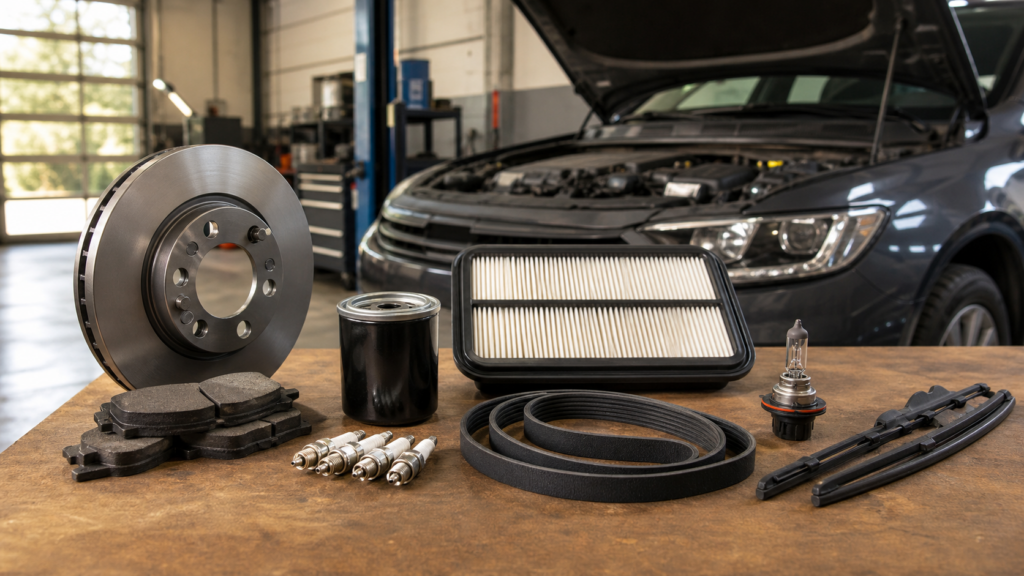
Buying car parts sounds simple until you’re staring at a screen full of similar options, different brands, confusing trim levels, and notes like “fits with production date after 03/2018.” One wrong choice can waste time, delay repairs, and cost more than the original problem.
This guide breaks down how car parts are categorized, how to confirm fitment, when to choose OEM vs aftermarket, how to avoid counterfeit items, and how to get the best value without sacrificing safety or reliability.
Understanding the Main Categories of Car Parts
Car parts generally fall into a few major groups. Knowing the group helps you prioritize quality and understand what can be budget-friendly.
Wear-and-tear parts (routine maintenance)
These are designed to be replaced regularly.
Common examples:
- Oil filter, air filter, cabin filter
- Wiper blades
- Brake pads and brake rotors (depending on driving style)
- Spark plugs (interval varies by engine)
- Serpentine belt
- Batteries
- Fluids (oil, coolant, brake fluid, transmission fluid)
These parts are usually safe to buy as quality aftermarket—as long as fitment and specs match.
Safety-critical parts
These directly affect stopping, steering, visibility, or stability. Quality matters more than saving a few dollars.
Examples:
- Brakes (pads, rotors, calipers, brake hoses)
- Tires and wheel components
- Suspension and steering components (ball joints, tie rods, control arms)
- Headlights, brake lights, turn signal assemblies
- ABS sensors (vehicle-dependent)
For safety-critical car parts, choose trusted brands and avoid “unknown” sellers.
Engine and drivetrain parts
These can range from simple to highly complex, with bigger consequences if you buy the wrong part.
Examples:
- Alternator, starter
- Sensors (O2 sensors, MAF sensors, crank/cam sensors)
- Radiator, water pump, thermostat
- Fuel pump, injectors
- Transmission components, CV axles
Here, the best choice depends on your vehicle, your plans (keep it long-term or sell soon), and the repair’s difficulty.
Body and cosmetic parts
Cosmetic parts are about fit, finish, and paint match.
Examples:
- Bumpers, grilles, mirrors
- Door handles
- Fenders, splash shields
- Interior trim pieces
Aftermarket can be fine, but expect variation in fitment and finish.
OEM vs Aftermarket vs Used: What’s the Difference?
Most confusion around car parts comes from the type of part you’re buying.
OEM car parts
OEM parts are made by the vehicle manufacturer or their approved supplier and sold under the automaker’s brand.
Pros:
- Predictable fit and function
- Often matches factory performance
- Useful for complex electronics and sensors
Cons:
- Usually more expensive
- Availability can vary by model year
Aftermarket car parts
Aftermarket parts are made by third-party manufacturers. Quality ranges from excellent to questionable.
Pros:
- Often cheaper
- Huge variety (including upgraded performance options)
- Sometimes better than OEM in specific categories (brakes, suspension kits, filters)
Cons:
- Fit and quality can vary
- Warranty and support differ by brand
- Higher counterfeit risk on marketplaces
Used or recycled parts
Used parts come from salvage vehicles or part-out sellers.
Pros:
- Cost-effective for expensive assemblies (doors, wheels, some trim)
- Good option for older vehicles where new parts are limited
Cons:
- Unknown wear and remaining lifespan
- May not match revisions or connectors
- Limited warranty
Practical tip: Used is often best for non-wear items (body panels, interior pieces) and less ideal for wear parts like brake components or belts.
The Most Important Step: Confirm Fitment Before You Buy
Fitment is everything. A part can look identical and still be wrong due to engine codes, trim levels, production dates, or regional variations.
Use your vehicle details precisely
At minimum, confirm:
- Year, make, model
- Trim level
- Engine size and type (gas/diesel/hybrid)
- Drivetrain (FWD/RWD/AWD/4WD)
- Transmission type
Use the VIN when possible
Your VIN helps identify exact configurations. Many reliable parts systems can match the correct part using VIN-based lookup.
Match part numbers and notes
If you have the old part, check:
- Part number stamped/printed on it
- Connector shape and pin count (for sensors)
- Hose diameter and mounting points
- Bracket positions
Watch for “split-year” and production date breaks
Some vehicles change parts mid-year. Listings may say:
- “Up to 02/2019”
- “From 03/2019”
This is common for brakes, sensors, and body parts.
How to Choose Quality Car Parts (Without Overpaying)
The “best” part depends on the job. A premium brand isn’t always necessary, but the cheapest option is rarely the best value.
For brakes: prioritize consistent performance
Good brake parts should provide:
- Stable braking feel
- Low noise and vibration
- Predictable stopping in wet/dry conditions
What to compare:
- Pad material (ceramic, semi-metallic, organic)
- Rotor type (solid/vented, coated for rust resistance)
- Included hardware (clips, shims)
For filters: match the spec, not just the shape
A filter that “fits” isn’t always the right filter.
Check:
- Micron rating or filtration level (when available)
- Bypass valve and anti-drainback valve design (oil filters)
- Proper sealing gasket
For sensors and electronics: buy from trusted brands
Poor sensors can create:
- Check engine lights
- Rough idle, poor fuel economy
- Misfires or starting issues
If the repair is difficult (buried behind components), it’s often smarter to buy a higher-quality part once than to redo the job.
For suspension: balance comfort, handling, and durability
Suspension parts vary widely in rubber quality, bushings, and tolerances.
Look for:
- Complete kits with new bushings and hardware (when appropriate)
- Corrosion resistance
- Clear fitment notes (left/right, with/without sport suspension)
New vs Remanufactured: When Reman Makes Sense
Some car parts are commonly sold as remanufactured (rebuilt) units.
Common reman parts:
- Alternators
- Starters
- Brake calipers
- Steering racks (sometimes)
Reman can be a good value if:
- The rebuilder is reputable
- The warranty is clear
- The core return process is straightforward
Core charges are normal. You pay extra upfront and get it back when you return the old unit.
Buying Car Parts Online vs Local: Pros and Cons
Where you buy matters almost as much as what you buy.
Online buying advantages
- Larger selection (hard-to-find parts, special trims)
- Easy price comparison
- Reviews and product specs (varies by seller)
- Convenient delivery
Online buying risks
- Counterfeits (especially for popular brands)
- Wrong fitment due to bad listings
- Hassle with returns on heavy parts (rotors, body panels)
Local store advantages
- Faster (same-day pickup)
- Easier returns
- Staff can sometimes help confirm fitment
Local store downsides
- Smaller selection
- Higher markup in some areas
- Limited brand choices
A practical approach: Buy urgent parts locally, and plan ahead for bigger maintenance jobs so you can order quality parts online with time for exchanges.
How to Avoid Counterfeit Car Parts
Counterfeit parts are a real problem, especially for filters, spark plugs, sensors, and branded performance components.
Red flags to watch:
- Price far below normal market range
- Packaging looks cheap or inconsistent
- Missing security seals or serial codes (when expected)
- Seller has limited history or unclear return policy
- Part markings are sloppy, misspelled, or misaligned
Smart habits:
- Inspect packaging and the part before installation
- Compare to photos of genuine packaging (if you already know it)
- Keep receipts and take photos of the part as it arrives
- Avoid “too good to be true” deals on critical components
Car Parts You Should Replace in Sets (Not One at a Time)
Replacing parts in pairs or sets often saves money long-term and keeps the car balanced.
Common examples:
- Brake pads: replace on the same axle together
- Rotors: often best replaced or resurfaced in pairs (same axle)
- Struts/shocks: replace in pairs (front pair or rear pair)
- Headlight bulbs: replace in pairs for matching brightness/color
- Wiper blades: replace as a pair for consistent wiping
Replacing only one side can lead to uneven handling, braking pull, or mismatched lighting.
Car Parts That Often Get Misdiagnosed
Sometimes people replace parts based on symptoms, not the real cause.
Battery vs alternator vs starter
- Car won’t start could be battery, poor terminals, starter, or alternator
- A battery test and charging system test can prevent unnecessary part replacement
Brake vibration
- Often blamed on “warped rotors,” but can be pad deposits, worn suspension, or improper torque
- Fixing the root cause avoids repeat rotor issues
Check engine light and sensors
- Replacing an O2 sensor without diagnosing can waste money
- Many codes indicate a system problem, not a failed sensor
If you’re unsure, getting a proper diagnosis can be cheaper than replacing random car parts.
Planning Maintenance: Car Parts to Keep on Hand
Some parts are worth keeping ready, especially if you drive a lot or travel.
Good “keep on hand” items:
- Wiper blades
- Cabin and engine air filters
- Spare fuses
- Light bulbs (if your vehicle uses replaceable bulbs)
- A quality tire inflator and plug kit (not a part, but a lifesaver)
For older vehicles:
- Serpentine belt (if you know your belt is aging)
- A spare ignition coil (only if your car is known for coil failures)
How to Save Money on Car Parts Without Cutting Corners
You can reduce costs while still buying reliable parts.
Use a “good, better, best” budget plan
- Good: daily driver, short-term ownership, easy-to-replace part
- Better: important system, moderate labor, want fewer repeats
- Best: safety-critical, hard labor job, long-term ownership
Combine orders to reduce shipping and returns
If you’re doing brakes, consider ordering:
- Pads + rotors + hardware + brake cleaner + grease
One complete order reduces delays and “missing clip” frustration.
Don’t ignore labor time
A cheap part is expensive if it fails early and you pay labor again. For DIY, labor is your time.
Check what’s included
Some car parts come “bare” and need extra pieces:
- Brake pads may not include hardware
- Control arms may or may not include bushings/ball joints
- Sensors may require gaskets or O-rings
Confirm what’s in the box.
A Quick Checklist Before You Click “Buy”
Use this checklist to reduce wrong orders.
- Confirm year/make/model/trim/engine/drivetrain
- Use VIN lookup if available
- Confirm left/right or front/rear position
- Read fitment notes carefully (production date, brake package size)
- Compare part photos and connector shapes
- Check return policy (especially for electrical parts)
- Confirm warranty terms
- For heavy items, check shipping damage policy
Conclusion
Choosing car parts becomes much easier when you treat it like a process: confirm fitment first, pick the right quality level for the job, and buy from sellers with clear returns and reliable brand options. Prioritize safety-critical components, avoid suspiciously cheap listings, and replace parts in pairs when it makes sense. With a little planning, you’ll spend less time dealing with wrong orders and more time driving a car that feels dependable.
6. FAQs
What are the most commonly replaced car parts?
Filters, brake pads, wiper blades, batteries, spark plugs, belts, and light bulbs are among the most common car parts replaced during normal maintenance.
Are aftermarket car parts as good as OEM?
Some aftermarket car parts match or even exceed OEM quality, while others are lower grade. The key is choosing trusted brands and confirming fitment and specs.
How do I make sure car parts will fit my vehicle?
Use accurate vehicle details, check fitment notes, and use VIN lookup when available. For sensors and electronics, match connector shape and part numbers if possible.
Is it safe to buy car parts online?
Yes, if you confirm fitment, buy from reputable sellers, and inspect items on arrival. Avoid deals that look unrealistic and be cautious with electrical and branded parts due to counterfeit risk.
Should I replace brake parts on one side or both?
You should typically replace brake pads (and often rotors) on both sides of the same axle to ensure even braking and consistent performance.
What car parts should I avoid buying used?
Wear items and safety-critical components (like brake pads, some suspension parts, belts, and unknown-condition electronics) are often better bought new unless you can verify condition and warranty.
Why is the same part listed at very different prices?
Price differences can come from brand quality, included hardware, warranty length, counterfeit risk, and whether the part is OEM, aftermarket, remanufactured, or used.