
Before a commercial building project reaches the construction phase, many critical decisions must already be made. Commercial preconstruction services help owners, developers, architects, contractors, and project stakeholders...
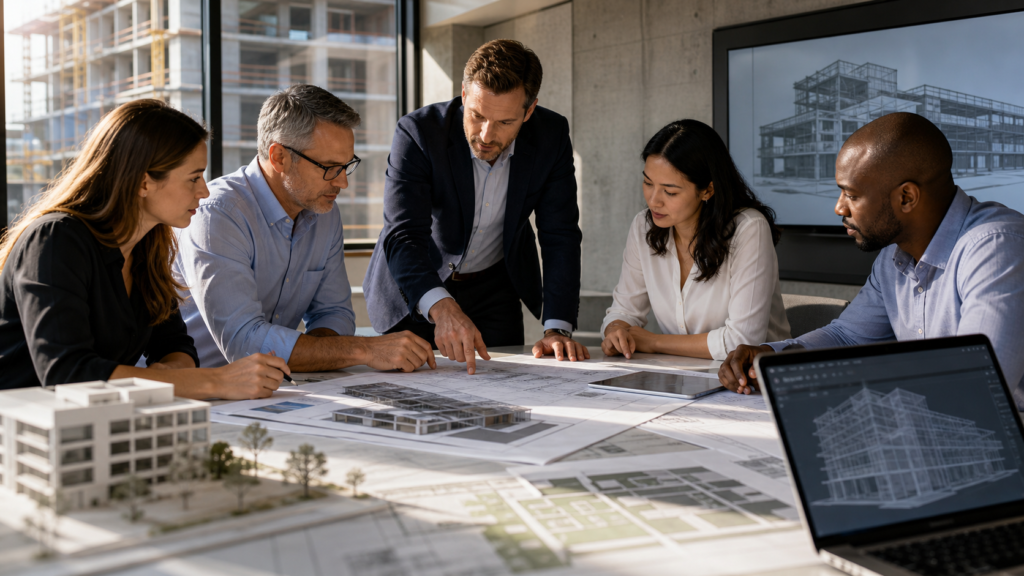
Before a commercial building project reaches the construction phase, many critical decisions must already be made. Commercial preconstruction services help owners, developers, architects, contractors, and project stakeholders plan those decisions with greater accuracy, cost control, and confidence. Instead of waiting until construction begins to discover budget issues, design conflicts, procurement delays, or site challenges, preconstruction creates a structured roadmap before major resources are committed.
In commercial construction, early planning can determine whether a project stays on budget, meets its schedule, and delivers the intended value. A project may involve architectural drawings, engineering systems, permits, labor planning, material pricing, subcontractor coordination, safety concerns, and long-term operational goals. Without a clear preconstruction strategy, even a well-funded project can face delays, unexpected costs, and design changes that could have been prevented.
For this reason, commercial preconstruction services have become a core part of successful project delivery. They combine cost estimating, scheduling, value engineering, constructability reviews, procurement planning, risk assessment, and communication between the project team. As a result, stakeholders can make better decisions early, when changes are less expensive and easier to manage.
What Are Commercial Preconstruction Services?
Commercial preconstruction services are the planning, analysis, budgeting, and coordination activities completed before physical construction begins. The purpose is to define the project scope, evaluate feasibility, estimate costs, identify risks, improve design decisions, and prepare for efficient construction.
These services may begin during the earliest concept stage or after preliminary drawings are available. Depending on the project, the preconstruction team may include the owner, developer, architect, engineers, general contractor, construction manager, estimators, consultants, and key subcontractors. Each professional contributes insight that helps turn the project vision into a practical plan.
Unlike basic construction bidding, preconstruction is collaborative. It is not only about pricing a finished design. Instead, it helps shape the project before final decisions are locked in. For example, an estimator may identify that a selected material is too expensive or difficult to obtain. An experienced contractor may notice that a design detail could create installation challenges. A scheduler may point out that permitting or long-lead materials could affect the timeline.
By addressing these issues early, commercial preconstruction services help reduce uncertainty. They give owners a clearer understanding of what the project will require in terms of budget, schedule, labor, materials, compliance, and construction sequencing.
Why Preconstruction Matters in Commercial Projects
Commercial projects often involve larger budgets, stricter timelines, more stakeholders, and more complex systems than smaller residential jobs. Office buildings, retail centers, medical facilities, restaurants, warehouses, schools, hospitality projects, industrial spaces, and mixed-use developments all require careful coordination before work begins.
One of the biggest reasons preconstruction matters is cost control. Construction costs can shift due to labor availability, material pricing, supply chain delays, design revisions, and site conditions. If these issues are not evaluated early, the project may experience costly change orders later. Commercial preconstruction services help owners understand realistic costs before construction starts.This early planning is also essential when projects involve specialized work, such as commercial concrete repair, which may require careful budgeting, material selection, and scheduling to minimize disruptions to business operations.
Another major benefit is schedule reliability. A construction schedule is affected by permitting, procurement, subcontractor availability, inspections, weather, utility coordination, and project sequencing. During preconstruction, the team can create a detailed schedule that reflects these realities instead of relying on rough assumptions.
Preconstruction also improves communication. When architects, contractors, engineers, and owners collaborate early, they can align expectations before disagreements occur. This creates a smoother project delivery process and helps reduce misunderstandings during construction.
Most importantly, preconstruction helps stakeholders make informed decisions. Rather than reacting to problems after they become expensive, the team can evaluate options, compare costs, and choose solutions that support the project’s goals.
Core Components of Commercial Preconstruction Services
Commercial preconstruction services include several connected activities. Each component helps reduce risk and improve project outcomes.
Project Feasibility Review
A feasibility review examines whether the project is practical based on budget, site conditions, design goals, schedule expectations, and regulatory requirements. This stage may include reviewing land conditions, zoning limitations, utility access, building codes, parking requirements, occupancy needs, and environmental concerns.
A feasibility review helps owners avoid moving forward with unrealistic assumptions. For example, a project may appear affordable during early concept planning but become more expensive after site work, utility upgrades, or compliance requirements are considered. Identifying these concerns early allows the owner to adjust the scope before design and construction costs increase.
Budgeting and Cost Estimating
Cost estimating is one of the most valuable parts of preconstruction. A professional estimate helps define the expected cost of labor, materials, equipment, subcontractors, permits, general conditions, insurance, contingency, and project management.
Early estimates may be broad, but they become more detailed as drawings and specifications develop. This process is often called progressive estimating. At each stage, the preconstruction team updates the budget to reflect new information.
Accurate estimating helps owners make practical decisions. If the project is over budget, the team can explore design changes, alternative materials, phasing strategies, or value engineering options before construction begins.
Value Engineering
Value engineering is the process of improving project value without reducing essential quality or function. It does not mean choosing the cheapest option. Instead, it means finding smarter ways to meet project goals while controlling cost, improving performance, or reducing long-term maintenance concerns.
For example, the team may compare different structural systems, flooring materials, roofing options, mechanical systems, lighting packages, or façade designs. A small design adjustment may reduce installation time or material waste while still preserving the owner’s intended outcome.
Commercial preconstruction services use value engineering to balance cost, quality, durability, and schedule. This is especially useful when market prices change or when the original design exceeds the available budget.
Constructability Review
A constructability review evaluates whether the design can be built efficiently and safely. Experienced construction professionals review drawings, specifications, and building systems to identify conflicts, unclear details, installation challenges, and sequencing problems.
This step can prevent major issues in the field. For instance, a design may look correct on paper but create conflicts between electrical, mechanical, plumbing, and structural systems. If these conflicts are discovered during construction, they may cause delays and change orders. If they are found during preconstruction, they can often be corrected with less disruption.
Constructability reviews also improve safety and logistics. The team can plan access routes, staging areas, crane locations, material storage, temporary utilities, and worker movement before the site becomes active.
Scheduling and Phasing
A strong schedule is essential for commercial construction planning. Preconstruction scheduling identifies the sequence of activities, critical milestones, permitting timelines, procurement dates, subcontractor availability, inspections, and project completion targets.
For occupied buildings or business-sensitive projects, phasing may also be necessary. For example, a retail renovation may need to keep parts of the store open during construction. A healthcare facility may need to maintain operations while upgrades are completed. A warehouse may need phased work to avoid disrupting logistics.
Commercial preconstruction services help plan these phases carefully so construction can proceed with fewer interruptions.
Procurement Planning
Procurement planning focuses on materials, equipment, vendors, subcontractors, and long-lead items. Some construction materials or building systems require early ordering because they may take weeks or months to arrive. Examples include steel, elevators, HVAC equipment, electrical gear, specialty glass, custom millwork, and mechanical systems.
If procurement is not planned early, the project schedule may be delayed even if the construction team is ready to work. Preconstruction helps identify these long-lead items and align purchasing decisions with the project timeline.
Risk Management
Every construction project has risks. These may involve budget overruns, design gaps, labor shortages, permit delays, weather, site conditions, safety concerns, subcontractor performance, or material shortages. Risk management identifies these challenges before they disrupt construction.
During preconstruction, the team can create contingency plans, adjust schedules, clarify responsibilities, and prepare solutions for likely challenges. This makes the project more resilient and easier to manage.
Benefits of Commercial Preconstruction Services
Commercial preconstruction services offer benefits for owners, developers, contractors, tenants, and project teams. When done correctly, they create a stronger foundation for the entire construction process.
Better Cost Control
Cost control is one of the strongest reasons to invest in preconstruction. Early budgeting helps owners understand the financial requirements of the project before construction begins. It also helps prevent scope creep, unrealistic allowances, and incomplete pricing.
Because estimates are updated as the design develops, owners can see how decisions affect the budget. This transparency supports smarter spending and reduces the risk of unpleasant surprises later.
Fewer Change Orders
Change orders often occur when drawings are incomplete, site conditions are misunderstood, materials are unavailable, or design conflicts appear during construction. While some changes are unavoidable, many can be reduced through strong preconstruction planning.
Constructability reviews, coordination meetings, detailed estimating, and early subcontractor input help identify potential problems before construction starts. Consequently, the project team can resolve issues earlier and reduce costly field changes.
Improved Project Schedule
Time is a major concern in commercial construction. Delays can affect tenant openings, business operations, financing, lease agreements, revenue projections, and owner expectations. Preconstruction scheduling helps create a realistic timeline based on actual project conditions.
By planning procurement, permits, phasing, inspections, and sequencing early, the team can reduce schedule uncertainty. This creates a more dependable path from design to completion.
Stronger Team Collaboration
Construction projects succeed when stakeholders communicate clearly. Preconstruction encourages collaboration between owners, architects, engineers, contractors, and subcontractors. Instead of working separately, the team shares information and solves problems together.
This collaboration helps align expectations. Everyone understands the budget, schedule, scope, risks, and priorities before construction begins. As a result, the project is less likely to suffer from confusion or miscommunication.
Higher Quality Outcomes
Preconstruction supports quality by allowing the team to evaluate materials, systems, details, and construction methods before work begins. Better planning leads to better execution. It also helps ensure that design intent, functionality, durability, and code compliance are considered early.
A project that is carefully planned is more likely to meet owner expectations and perform well after completion.
The Commercial Preconstruction Process
Although every project is different, the preconstruction process usually follows a logical sequence. First, the project team defines the owner’s goals. These may include budget limits, design expectations, timeline needs, operational requirements, sustainability targets, and long-term maintenance priorities.
Next, the team reviews available drawings, site information, and project requirements. Early estimates are prepared to determine whether the concept aligns with the budget. If costs are too high, value engineering options may be introduced.
As design progresses, the team performs constructability reviews and updates estimates. Scheduling also becomes more detailed. Procurement planning begins once key materials and systems are identified.
Before construction starts, the preconstruction team helps finalize the scope, budget, schedule, bid packages, subcontractor coordination, permitting strategy, and risk plan. This creates a clear transition from planning to active construction.
How Preconstruction Supports Design-Build and General Contracting
Commercial preconstruction services are valuable in several delivery methods, including design-build, construction management, and general contracting. In design-build projects, the design and construction teams work together under a unified approach. Preconstruction is especially useful because cost, schedule, and constructability can be considered while the design is still developing.
In traditional general contracting, preconstruction can still provide strong value. Even when the contractor is brought in after design begins, early involvement can help improve estimating, scheduling, and bidding accuracy.
For construction management projects, preconstruction helps the construction manager advise the owner throughout planning and design. This creates better decision-making before trade contractors are selected and construction begins.
Regardless of delivery method, preconstruction connects design intent with construction reality.
Technology Used in Commercial Preconstruction
Modern commercial preconstruction services often use technology to improve accuracy and collaboration. Building Information Modeling, commonly known as BIM, allows project teams to visualize building systems and identify conflicts before construction. BIM can help coordinate structural, mechanical, electrical, plumbing, and architectural elements.
Estimating software helps track costs, compare pricing, and update budgets as the design changes. Scheduling tools help identify critical paths and milestone dates. Digital plan review platforms allow team members to mark up drawings, share feedback, and document decisions.
These tools improve visibility and reduce errors. However, technology works best when guided by experienced professionals who understand construction planning, project management, and field execution.
Choosing the Right Preconstruction Partner
Selecting the right preconstruction partner is important because early decisions shape the entire project. Owners should look for a team with experience in similar commercial projects, strong estimating skills, clear communication, and practical construction knowledge.
A strong preconstruction partner should be transparent about costs, risks, assumptions, and limitations. They should explain estimates clearly and identify what is included or excluded. They should also be willing to collaborate with architects, engineers, consultants, and owner representatives.
Experience matters because commercial projects vary widely. A medical office buildout has different requirements than a warehouse, restaurant, retail center, school, or industrial facility. The right team understands the specific challenges of the project type and can offer relevant guidance.
Communication is also essential. Preconstruction involves many decisions, and owners need timely updates. A reliable partner should provide clear reports, realistic schedules, budget tracking, and practical recommendations.
Common Mistakes to Avoid During Preconstruction
One common mistake is starting construction with an incomplete budget. If the estimate does not include site work, permits, utilities, escalation, contingencies, or key subcontractor scopes, the owner may face unexpected costs later.
Another mistake is delaying contractor involvement. When builders are not included until late in the design process, constructability issues may go unnoticed. Early collaboration helps prevent design decisions that are expensive or difficult to build.
Owners should also avoid choosing materials without considering availability, installation requirements, and long-term maintenance. A product may look appealing but create procurement delays or higher operating costs.
Finally, poor communication can weaken the entire process. If decisions are not documented or stakeholders are not aligned, misunderstandings may occur during construction. Commercial preconstruction services help prevent these problems by creating a clear record of scope, budget, schedule, and responsibilities.
FAQs
What are commercial preconstruction services?
Commercial preconstruction services are planning and analysis activities completed before construction begins. They may include budgeting, estimating, scheduling, value engineering, constructability reviews, procurement planning, feasibility studies, and risk management.
Why are preconstruction services important?
Preconstruction services are important because they help owners control costs, reduce delays, identify risks, improve design decisions, and create a realistic construction plan before major work begins.
When should preconstruction begin?
Preconstruction should begin as early as possible, ideally during concept planning or early design. Early involvement allows the team to influence cost, schedule, materials, and constructability before decisions become expensive to change.
How do commercial preconstruction services reduce costs?
They reduce costs by identifying budget concerns early, comparing material options, improving design efficiency, reducing change orders, planning procurement, and avoiding preventable construction delays.
What is value engineering in preconstruction?
Value engineering is the process of finding cost-effective solutions that preserve project quality, function, and performance. It helps owners get better value without simply choosing the cheapest materials or methods.
Who is involved in the preconstruction process?
The process may involve owners, developers, architects, engineers, general contractors, construction managers, estimators, consultants, subcontractors, and vendors. The team depends on the project’s size, scope, and delivery method.
Conclusion
Commercial preconstruction services play a vital role in successful construction planning. They help owners and project teams understand costs, schedules, risks, design decisions, procurement needs, and construction challenges before work begins in the field. By identifying problems early, preconstruction reduces uncertainty and gives stakeholders a clearer path from concept to completion.
For commercial projects, careful planning is not optional. It is one of the best ways to protect budgets, prevent delays, improve quality, and support better communication across the entire team. Whether the project involves a new building, renovation, tenant improvement, industrial facility, retail space, office development, or specialized commercial property, a strong preconstruction process creates the foundation for a smoother and more predictable outcome.