
On civil, heavy highway, paving, and commercial building jobsites, one unscheduled excavator breakdown or misrouted haul truck stalls an entire field crew costing thousands of...
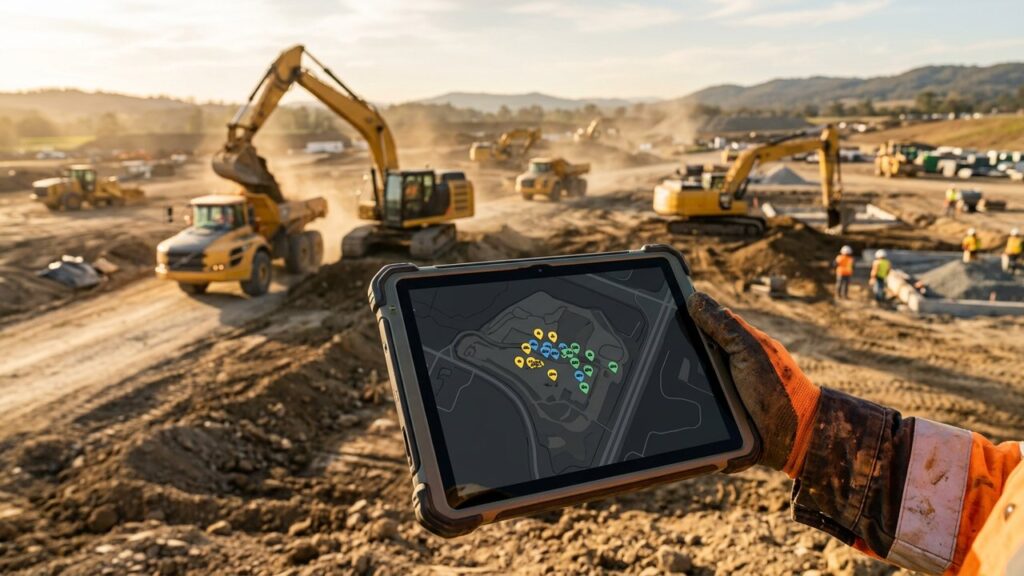
On civil, heavy highway, paving, and commercial building jobsites, one unscheduled excavator breakdown or misrouted haul truck stalls an entire field crew costing thousands of dollars per hour. Managing mixed-OEM fleets across paper clipboards, disconnected OEM portals, and outdated spreadsheets creates massive operational blind spots. Deploying connected Construction Equipment Management Software unifies telematics, preventive maintenance, dispatch, rentals, field inspections, and total fleet cost intelligence inside one live command center.
Modern connected platforms like Clue (rated 4.6 on Capterra and GetApp and trusted by leading contractors including Skanska, Walsh Group, Vinci, Graham, Lunda Construction, Superior Paving, Lakeside Industries, and Emery Sapp & Sons) eliminate friction between shop mechanics, dispatchers, operators, and CFOs. Understanding how Construction Equipment Management Software slashes downtime, eliminates ghost rentals, and extends heavy iron lifespans helps contractors protect tight project margins.
Why Spreadsheets and Siloed OEM Portals Break Scaling Fleets
Most heavy civil and specialty contractors operate mixed fleets combining Caterpillar, John Deere, Komatsu, Volvo, Bobcat, Ford/Ram service trucks, generators, and dozens of rented attachments. Relying on five separate manufacturer telematics logins forces fleet managers to waste hours daily hunting down basic engine hours and fault codes.
Meanwhile, field operators scribble daily walkaround inspections onto soggy paper pads that sit on truck dashboards for weeks until a hydraulic hose blows on a deadline pour. Dispatchers accidentally rent extra scissor lifts or skid steers while owned units sit idle five miles away on another yard.
Unified Construction Equipment Management Software solves this fragmentation at the root. By ingesting mixed-OEM AEMP 2.0/ISO 15143-3 telematics feeds, GPS trackers, mobile inspection checklists, and ERP job-cost data into one interface, every stakeholder sees identical live asset truth from phone or desktop.
Six Connected Modules Inside Modern Construction Equipment Management Software
Top-rated enterprise suites such as Clue organize fleet control around six tightly integrated workflows built specifically for heavy construction rather than generic warehouse inventory:
- Connected Maintenance and CMMS: Construction Equipment Management Software automates smart preventive maintenance (PM) schedules based on live engine hours or mileage, alerts shops instantly to critical DTC fault codes, tracks digital work orders, manages parts inventory, and preserves complete asset service history.
- Unified Equipment Intelligence: Modern Construction Equipment Management Software consolidates mixed-OEM telematics across yellow iron, on-road trucks, and small tools to expose idle-time fuel waste, utilization percentages, live GPS geofence location, and exact hour-meter readings.
- Centralized Equipment Dispatch: Construction Equipment Management Software gives superintendents, project managers, and dispatchers a clean mobile request-and-schedule board to allocate owned machines across jobsites before approving costly outside rentals.
- Rental Lifecycle Control: Integrated Construction Equipment Management Software tracks rented equipment check-in/check-out dates, call-off alerts, daily vs. weekly vs. monthly billing optimization, and vendor invoice verification so zero unused rentals linger past job completion.
- Mobile Field Workflows: Field-ready Construction Equipment Management Software equips operators and field mechanics with simple offline-capable smartphone checklists for daily pre-shift inspections, fuel logs, photo damage documentation, and instant issue escalation straight to the shop.
- Fleet Cost and Lifecycle Analytics: Financial modules inside Construction Equipment Management Software tie acquisition depreciation, fuel consumption, shop labor, parts spend, and rental charges directly to job cost codes, exposing exactly when aging machines cross their optimal repair-vs.-replace tipping point.
| Operational Pain Point | Legacy Paper / Spreadsheet Workflow | Connected Construction Equipment Management Software | Direct Margin Impact |
|---|---|---|---|
| Preventive Maintenance (PM) | Manual calendar guesses; missed 500-hr services | Automated engine-hour PM triggers & instant fault-code work orders | Cuts unplanned jobsite breakdowns & extends asset life |
| Rental Overcharges (“Ghost Rentals”) | Forgotten rentals sitting idle after job wraps | Live rental tracker with automated call-off reminders & utilization alerts | Eliminates 15% to 30% of avoidable rental bill leakage |
| Idle Fuel & Utilization Blind Spots | Zero visibility across mixed-OEM machines | Unified idle vs. working-hour dashboards across every brand | Reduces diesel waste & delays unnecessary capex buys |
| Operator Daily Inspections | Lost paper checklists; delayed defect reports | Mobile photo inspections auto-generating shop work orders instantly | Fixes minor hydraulic/safety faults before catastrophic failure |
| Repair vs. Replace Decisions | Gut-feel shop debates during annual budgeting | True total cost of ownership (TCO) per engine hour per machine | Reallocates capex cleanly into highest-ROI fleet iron |
How Connected CMMS Turns Reactive Shops Into Proactive Profit Centers
Emergency roadside and jobsite breakdowns routinely cost three to five times more than planned shop maintenance once mechanic overtime, expedited parts freight, crane mobilization, and stalled crew wages are tallied. Connected Construction Equipment Management Software flips shop culture from reactive firefighting to disciplined preventive execution.
When an operator taps “Hydraulic Leak Detected” with a smartphone photo during a two-minute morning inspection, Construction Equipment Management Software generates a prioritized work order automatically, alerts the shop foreman, checks parts stock, and logs repair labor cleanly against that exact machine’s lifetime dossier.
Eliminating Mixed-OEM Telematics Headaches With Open Standards
Legacy fleet tools forced contractors to wire proprietary aftermarket GPS pucks into brand-new machines that already shipped with factory telematics modems. Modern Construction Equipment Management Software connects directly via native OEM APIs (Cat VisionLink, John Deere Operations Center, Komatsu Komtrax, Volvo CareTrack, Samsara, Geotab) alongside rugged trackers for non-powered attachments, keeping installation fast and hardware duplication near zero.
Quantifying Hard Financial Payback on Construction Equipment Management Software
Heavy contractors evaluate every dollar of overhead rigorously, and Construction Equipment Management Software delivers some of the fastest verified payback curves in construction tech. Four measurable savings buckets fund implementation rapidly:
- Idle Fuel Recovery: Trimming excessive machine idling across a 60-unit heavy civil fleet by just 15 percent saves tens of thousands of dollars annually in off-road diesel and avoids premature engine wear.
- Ghost Rental Elimination: Catching even three forgotten $3,500/month excavators or telehandlers promptly every quarter pays for enterprise Construction Equipment Management Software several times over.
- Higher Owned-Fleet Utilization: Moving underutilized owned equipment cleanly from Job A to Job B via centralized dispatch avoids unnecessary third-party rentals and defers million-dollar capital purchases.
- Accurate Job-Costing Chargebacks: Billing internal equipment hours accurately to each active project protects bid-estimating accuracy on future paving, grading, and infrastructure tenders.
Plugging your fleet size, annual rental spend, shop repair costs, and estimated downtime hours into an ROI calculator equips fleet directors with rock-solid payback projections for executive budget sign-off.
Choosing the Right Construction Equipment Management Software by Fleet Size
A 15-machine regional earthwork contractor needs vastly different onboarding simplicity than a 2,500-asset ENR Top 100 civil giant. Aligning platform architecture to your operational scale guarantees high field adoption from week one.
| Contractor Fleet Profile | Key Priorities to Demand | Must-Have Integrations | Adoption Success Factor |
|---|---|---|---|
| Growing Trade / Earthwork (15 to 75 Assets) | Fast mobile inspections, simple PM reminders, rental log | QuickBooks / Foundation + basic GPS/OEM feeds | Sub-2-minute mobile UX for field foremen & mechanics |
| Mid-Market Civil / Paving (75 to 400 Assets) | Connected CMMS work orders, dispatch board, idle analytics | Vista/Viewpoint, HCSS HeavyJob, multi-OEM AEMP APIs | Shop foreman ownership + unified dispatcher workflow |
| Enterprise ENR Heavy Civil (400 to 5,000+ Assets) | Multi-division dispatch, deep TCO/ERP sync, API governance | CMiC, SAP, Trimble Vista, Procore, custom BI feeds | Dedicated rollout playbook + executive KPI dashboards |
Integrating Fleet Management Cleanly With Construction ERP and Estimating
Fleet data delivers double the value when it flows bidirectionally with accounting and project-management tools rather than sitting trapped in another silo. Before shortlisting any Construction Equipment Management Software, verify native connectors to your construction ERP (Viewpoint Vista, CMiC, Foundation, Sage 300 CRE, NetSuite) and field operations tools (HCSS HeavyJob, Procore).
Seamless ERP synchronization ensures approved shop work-order parts, mechanic labor hours, fuel card transactions, and daily internal equipment charge rates land cleanly on the exact right project cost code without double manual entry by accounting staff.
Driving Real Field Adoption Among Operators and Shop Mechanics
Countless construction software rollouts fail not because features are missing, but because clunky desktop-first screens frustrate busy operators standing in mud and direct sunlight. Look for Construction Equipment Management Software engineered mobile-first with large tap targets, QR/barcode asset scanning, offline caching in remote rural corridors, voice-to-text notes, and zero-clutter Spanish/English support.
Seven Steps to Roll Out Construction Equipment Management Software Successfully
Follow a phased 60-day deployment playbook so shop technicians, dispatchers, and superintendents embrace the system eagerly instead of reverting to clipboards:
- Clean Your Master Asset Registry First: Standardize equipment unit numbers, categories, serial numbers, acquisition dates, and cost centers before importing data into Construction Equipment Management Software.
- Connect High-Value OEM Telematics Feeds Immediately: Link your top 20 to 30 revenue-critical yellow iron units and heavy haul trucks into Construction Equipment Management Software first to deliver instant live GPS and hour-meter visibility in week one.
- Start With One Flagship Shop and Two Active Jobsites: Run a focused 14-day pilot of Construction Equipment Management Software with enthusiastic mechanics and one cooperative superintendent to polish mobile inspection workflows before company-wide launch.
- Automate Preventive Maintenance Templates by Asset Class: Load standardized 250-hour, 500-hour, and 1,000-hour OEM service checklists cleanly per machine family inside Construction Equipment Management Software rather than typing individual reminders manually.
- Centralize Every New Equipment Rental Request: Route all field rental requisitions through the Construction Equipment Management Software dispatch desk so owned iron gets checked first every single time.
- Review Three Weekly KPIs in Operations Meetings: Track PM compliance percentage, active fleet utilization rate, and overdue open rental units inside Construction Equipment Management Software every Monday morning alongside project managers.
- Tie Fleet TCO Insights Into Annual Capex Planning: After 6 months of clean work-order and utilization logs in Construction Equipment Management Software, use real cost-per-hour reports to auction underperforming money-pit machines confidently.
Tracking Small Tools and Attachments Alongside Heavy Iron
While excavators and motor graders represent the largest single-ticket capital assets, missing laser levels, concrete saws, plate compactors, and hydraulic breakers silently bleed tens of thousands of dollars annually through jobsite misplacement and unnecessary repeat purchases. Modern Construction Equipment Management Software lets crews scan Bluetooth beacons or QR tags on attachments and small tools right inside the exact same mobile Construction Equipment Management Software app used for heavy machinery.
Safety Compliance, OSHA Documentation, and Audit Readiness
Regulatory inspections and general-contractor safety audits can shut down an active heavy civil jobsite instantly if inspection documentation is missing or illegible. Running daily workflows inside connected Construction Equipment Management Software creates an airtight digital safety trail without burying foremen in binders.
Automated Pre-Shift Inspection Records and Defect Escalation
Whenever an operator logs onto a loader, crane, dump truck, or aerial lift, Construction Equipment Management Software prompts a trade-specific pre-shift checklist verifying brakes, backup alarms, hydraulic hoses, ROPS structures, fire extinguishers, and fluid levels.
Every passed or failed inspection receives an automatic timestamp, GPS coordinate stamp, operator signature, and high-resolution photo attachment archived permanently inside Construction Equipment Management Software. If a critical safety item fails, the system automatically flags the machine “Out of Service,” alerts dispatchers not to schedule it, and routes an urgent repair ticket directly to the shop foreman.
DOT, Emissions, and Warranty Recovery Protection
Heavy fleets operating highway dump trucks, lowboy trailers, and Tier-4 Final diesel machinery juggle overlapping DOT annual inspections, IFTA fuel-tax reporting, CARB or regional emissions logs, and multi-year OEM extended warranties.
Centralizing compliance calendars inside Construction Equipment Management Software eliminates missed inspection penalties and ensures warranty claims never expire uncollected. When a powertrain component fails inside factory coverage hours, mechanics pull complete timestamped PM service history from Construction Equipment Management Software in thirty seconds, securing fast manufacturer warranty reimbursement cleanly.
Key Fleet Metrics Executives Should Review Monthly
Having live connected telematics only shifts net company profit when fleet directors, controllers, and operations VPs review actionable numbers together every month. Anchor leadership meetings around six crisp KPIs generated straight inside Construction Equipment Management Software:
- Preventive Maintenance (PM) On-Time Compliance Rate: Target 90 percent or higher scheduled services completed within OEM engine-hour tolerance windows inside Construction Equipment Management Software.
- Planned vs. Unplanned Repair Ratio: Track whether shop labor shifts steadily toward scheduled maintenance (80/20 benchmark) rather than emergency field breakdowns.
- Active Owned-Fleet Utilization Percentage: Expose chronic underutilized machines sitting idle below 40 percent utilization inside Construction Equipment Management Software so leadership redeploys or liquidates dead iron cleanly.
- Idle-to-Working Engine Hour Ratio: Flag crews or specific jobsites idling heavy machinery beyond 25 percent of total runtime, recovering diesel spend and extending engine overhaul cycles.
- Rental Spend vs. Owned Availability Leakage: Measure how many outside rental dollars were spent while comparable owned units sat unused across regional yards inside Construction Equipment Management Software.
- Cost Per Engine Hour and Repair-to-Replacement Ratio: Monitor cumulative lifetime repair spend relative to current resale value inside Construction Equipment Management Software to time strategic fleet auctions at peak market resale value.
Evaluating Vendor Onboarding, Training, and Long-Term Support
Before signing an annual agreement for Construction Equipment Management Software, evaluate the vendor’s real-world heavy construction onboarding playbook just as closely as its feature checklist. Ask how quickly their team imports existing Cat/Deere/Komatsu AEMP feeds, whether mechanics receive hands-on shop training, how live support handles jobsite questions during peak summer paving season, and whether pricing scales transparently per active asset without hidden ERP connector fees.
Choosing proven, contractor-built Construction Equipment Management Software backed by responsive construction specialists guarantees your fleet transformation sticks smoothly from the main shop floor all the way to your remotest grading site.
Future Trends Reshaping Construction Equipment Management Software
Connected jobsite technology is advancing faster than ever, giving forward-looking contractors adopting modern Construction Equipment Management Software lasting operational headroom across the next decade.
- AI-Assisted Predictive Fault Diagnostics: Leading Construction Equipment Management Software analyzes recurring oil-temperature, DPF regeneration, and hydraulic pressure anomalies across mixed-OEM fleets to flag likely failures days before catastrophic jobsite breakdowns occur.
- Automated Parts Reordering and Shop Inventory Sync: Next-generation Construction Equipment Management Software links scheduled 500-hour and 1,000-hour PM triggers directly to parts room stock thresholds so filters, belts, and seals sit ready on shelves before machines pull into service bays.
- Carbon, Fuel Efficiency, and ESG Reporting: Public infrastructure agencies and enterprise owners increasingly ask bidders for verified diesel emissions data; connected Construction Equipment Management Software compiles accurate idle-reduction and fuel-burn audit trails effortlessly per contract.
- Unified Subcontractor and Jobsite Asset Visibility: Expanding Construction Equipment Management Software across rental partners and specialty crews keeps mega-project laydown yards organized, cuts jobsite theft via geofence departure alerts, and sharpens daily crane and earthmoving coordination.
Contractors who standardize early on scalable Construction Equipment Management Software build cleaner historical cost databases, submit sharper profitable bids, and keep crews productive regardless of tight labor or supply-chain conditions.
FAQ’s
What does Construction Equipment Management Software do?
Construction Equipment Management Software unifies mixed-OEM machine telematics, preventive maintenance CMMS, work orders, field operator inspections, jobsite dispatch, rental tracking, and fleet cost analytics inside one connected platform built for construction teams.
Can Construction Equipment Management Software connect machines from different brands like Cat, Deere, and Komatsu?
Yes. Leading platforms like Clue pull standardized AEMP 2.0/ISO telematics APIs directly from Caterpillar, John Deere, Komatsu, Volvo, Case, and aftermarket GPS providers so your entire mixed fleet appears on one live map and dashboard.
How does fleet software stop rental overcharges on construction jobs?
Centralized dispatch lets superintendents verify available owned equipment before ordering rentals, while live rental tracking monitors exact check-in dates, low-utilization alerts, and automated off-rent reminders so idle rented machines never keep billing past project wrap-up.
Will field operators and mechanics actually use Construction Equipment Management Software on jobsites?
Yes, when you choose a mobile-first system built specifically for field crews. Simple QR scanning, photo defect reporting, offline rural sync, and two-minute pre-shift checklists make reporting faster and easier than filling out paper clipboards.
How quickly do contractors see ROI from Construction Equipment Management Software?
Most mid-market and enterprise civil contractors recoup annual software investment within 3 to 6 months through reduced ghost rentals, lower idle diesel consumption, fewer emergency jobsite breakdowns, and improved owned-fleet utilization.
What ERP integrations matter most when selecting equipment management software?
Prioritize proven connectors to your core construction accounting and field platforms (such as Viewpoint Vista, CMiC, Sage 300 CRE, Foundation, HCSS HeavyJob, or Procore) so maintenance parts, mechanic labor, and equipment job-cost rates flow cleanly without duplicate typing.
Conclusion
Every hour heavy iron sits broken on a muddy pad or a forgotten rental ticks quietly past deadline directly erodes hard-earned construction profit. Investing in connected Construction Equipment Management Software bridges shop mechanics, field operators, dispatchers, and finance leaders with live mixed-OEM intelligence, proactive CMMS maintenance, disciplined rental control, and transparent total cost of ownership.
Start cleanly by standardizing your asset list, linking factory OEM telematics, piloting mobile inspections with one shop team, and routing every rental request through one central dispatch view. Executed cleanly, Construction Equipment Management Software turns chaotic fleet overhead into a dependable competitive advantage on every bid.