
Effective construction waste removal keeps building, renovation, and demolition projects running on schedule while protecting workers and surrounding neighborhoods from loose debris hazards. Whether you...
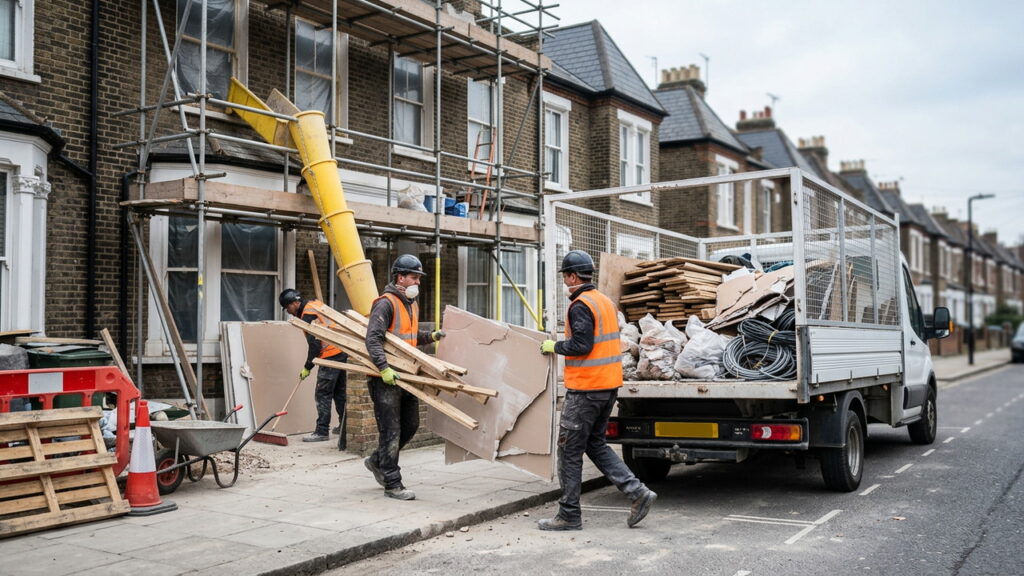
Effective construction waste removal keeps building, renovation, and demolition projects running on schedule while protecting workers and surrounding neighborhoods from loose debris hazards. Whether you are managing a residential remodel or a multi-phase commercial build, clearing concrete, timber, drywall, metal, and packaging requires a structured plan before the first delivery truck arrives.
Treating construction waste removal as an afterthought often leads to overflowing containers, overweight hauling fees, blocked site access, and preventable safety citations. This guide explains how to classify debris streams, compare container and hauling options, calculate capacity, control disposal budgets, and meet environmental documentation standards.
Quick Summary of Construction Waste Removal Planning
A reliable construction waste removal strategy matches the volume and weight of your building materials to the right collection method and disposal facility. Because heavy masonry and soil behave very differently from bulky cardboard, insulation, or scrap lumber, separating materials early reduces both tipping fees and container swaps.
Every job site also operates under local municipal rules covering street placement permits, weight limits on public roads, and mandatory recycling targets. Coordinating construction waste removal with your project timeline ensures that containers arrive precisely when demolition or framing peaks and leave before they obstruct tradespeople.
Use this quick checklist before booking a hauling service
- Audit the project phases to list expected materials such as concrete, brick, untreated wood, drywall, metals, and mixed packaging.
- Identify any hazardous or restricted materials early so a licensed specialist can handle them separately from general debris.
- Choose between roll-off dumpsters, skip bags, grab trucks, and full-service loading teams based on driveway space and labor availability.
- Verify container weight allowances as well as cubic yard or cubic meter volume to avoid heavy-load surcharges at the transfer station.
- Check whether placing a container on a public street or sidewalk requires a municipal right-of-way permit, safety cones, or reflective lights.
- Request written documentation for all hauled loads so you can verify legal disposal and track recycling diversion rates.
What Construction Waste Removal Covers on Modern Job Sites
Modern construction waste removal involves much more than tossing broken materials into a single metal bin and sending it to a landfill. Building and demolition activities generate diverse material streams that vary widely in density, recyclability, and legal handling requirements.
When contractors plan construction waste removal around distinct material categories, transfer stations can process loads faster and recover valuable resources. Understanding how haulers classify site debris helps you avoid rejected loads and contamination penalties.
Inert, Non-Hazardous, and Mixed Debris Streams
Clean inert materials make up the heaviest portion of many excavation and structural projects. In construction waste removal terminology, inert debris includes materials that do not easily decompose or react chemically in the environment, such as cured concrete, brick, clay tile, natural stone, ceramics, and uncontaminated subsoil.
Because clean rubble and concrete can be crushed and screened into recycled aggregate for road sub-bases, many haulers offer discounted rates for source-separated inert loads. Keeping plasterboard, plastic piping, and timber out of a dedicated masonry container is one of the simplest ways to lower construction waste removal costs on a structural project.
Non-hazardous mixed construction and demolition debris covers the bulk of everyday remodeling waste. Typical mixed loads in construction waste removal include dimensional lumber, plywood scraps, metal studs, copper and PVC piping, electrical conduit, asphalt shingles, carpet, cardboard boxes, and plastic pallet wrap.
Materials such as gypsum drywall and plaster require special attention during construction waste removal planning. When gypsum breaks down in wet, oxygen-poor landfill conditions, it can produce hydrogen sulfide gas, so many waste facilities require drywall to be segregated into dedicated recycling bins or kept out of general biodegradable waste.
Regulated and Hazardous Materials Requiring Specialist Handling
Standard construction waste removal containers cannot accept hazardous, toxic, or reactive building materials. Older renovations and commercial strip-outs frequently uncover regulated substances that must be isolated, tested, packaged, and transported by certified hazardous waste contractors.
Asbestos-containing materials, lead-based paint debris, mercury switches, polychlorinated biphenyl (PCB) fluorescent ballasts, and soil contaminated with petrochemicals all fall outside ordinary construction waste removal agreements. Mixing even a small amount of regulated hazardous material into a standard roll-off container can contaminate the entire load and trigger strict legal liability along with steep remediation charges.
Everyday job site consumables can also violate standard construction waste removal rules if tossed into a general dumpster. Liquid paints, wood stains, chemical solvents, adhesives, aerosol cans, gas cylinders, batteries, and treated railway sleepers require dedicated disposal routes arranged through licensed collection programs.
Comparing Construction Waste Removal Methods and Service Options
No single collection method fits every building site or renovation schedule. Selecting the right construction waste removal service depends on how quickly debris accumulates, how much ground space is available for containers, and whether your crew has time to load materials themselves.
| Removal Method | Best Project Fit | Loading Responsibility | Key Planning Consideration |
|---|---|---|---|
| Roll-Off Dumpsters and Skips | Multi-day or multi-week renovations, roofing, and new builds | On-site crew loads debris as work progresses | Requires firm, level drop-off space and overhead clearance for delivery trucks |
| Full-Service Junk and Debris Hauling | Short interior remodels, urban sites, or projects without container space | Hauling provider supplies a crew to load and sweep up | Higher labor cost per cubic yard, but eliminates multi-day street permits |
| Grab Trucks and Clamshell Loaders | Heavy groundwork, utility trenching, muck-away, and bulk demolition rubble | Hydraulic crane arm lifts stockpiled waste over fences or walls | Needs safe roadside parking and clear overhead space free from power lines |
| Heavy-Duty Flexible Skip Bags | Small bathroom updates, minor landscaping, or tight residential driveways | Homeowner or contractor fills the unfolded woven bag | Lower capacity limit and must sit within crane reach of the collection vehicle |
| Dedicated Recycling Totes and Cages | High-density commercial sites separating metal, cardboard, or gypsum | Trades sort materials into labeled bins on each floor | Reduces landfill tipping fees when crews maintain strict sorting discipline |
Roll-Off Dumpsters and Skip Hire
Roll-off containers and traditional builder skips are the backbone of residential and commercial construction waste removal. Delivered on specialized hoist or hook-lift trucks, these open-top steel bins remain on site for an agreed rental period so tradespeople can load debris directly as demolition and installation unfold.
Container rental works best for construction waste removal when your site has a firm driveway, parking pad, or staging area with clear access for a heavy commercial truck. Many roll-off containers include a hinged rear door that swings open, allowing workers to walk heavy wheelbarrows or bulky fixtures straight onto the container floor instead of lifting them over high steel walls.
If a container must sit on a paved driveway, ask the construction waste removal provider to place timber planks or composite pads beneath the steel rollers and feet. Distributing the point load protects asphalt and decorative concrete pavers from surface gouges when the filled container is winched back onto the truck bed.
Full-Service Hauling and Grab Truck Collections
Urban job sites, historic districts, and high-rise interiors often lack the outdoor footprint required to park a stationary bin. In these tight environments, full-service construction waste removal teams arrive with box trucks, carry bagged or stacked debris directly from the work zone, and leave immediately after loading.
Although labor-inclusive hauling costs more per load than a self-loaded bin, it removes the need for municipal street permits and prevents neighbors or passersby from dumping unauthorized household trash into an open container overnight. Full-service construction waste removal is also useful at the very end of a build when only a small pile of final punch-list scraps remains.
For heavy civil work, foundation digging, and masonry demolition, grab trucks offer a high-capacity construction waste removal alternative. Instead of dropping off a metal bin, the contractor stockpiles soil, concrete, or brick in an accessible heap, and a truck equipped with a hydraulic clamshell bucket loads several tons of material in twenty to thirty minutes.
On-Site Sorting and Material Recycling Programs
Large commercial builds and environmentally certified projects frequently use a multi-bin construction waste removal layout to separate recyclable commodities at the source. Placing dedicated containers for scrap metal, clean untreated wood, corrugated cardboard, and concrete keeps high-value materials clean and lowers total landfill tonnage.
When space does not allow four or five separate bins on site, contractors can partner with a construction waste removal provider that operates a mechanized material recovery facility. Mixed construction debris sent to a certified sorting plant is screened and separated by magnets, optical sorters, and picking lines, though clean source-separated loads still achieve higher recycling purity.
How to Estimate Volume and Choose the Right Container Size
Guessing container size is one of the most common reasons construction waste removal budgets run over estimate. Order a bin that is too small and you will pay for an extra haul trip; order one that is far too large for heavy rubble and you risk exceeding the legal road weight limit before the container is half full.
Start your construction waste removal calculation by separating bulky, lightweight materials from dense, heavy materials. Framing cutoffs, insulation, cabinetry, and packaging take up substantial cubic volume with relatively low weight, whereas broken concrete slabs, brick walls, dirt, and ceramic tile weigh roughly one to one and a half tons per cubic yard.
Matching Dumpster Capacity to Project Scope
In North America, roll-off containers for construction waste removal are typically measured in cubic yards, ranging from compact 10-yard bins to high-sided 40-yard containers. In the United Kingdom and many other regions, builder skips are measured in cubic yards or cubic meters, commonly ranging from 4-yard midi skips to 12-yard maxi skips and larger roll-on roll-off bins.
A 10-yard to 15-yard container suits compact construction waste removal tasks such as a single bathroom strip-out, a small garage teardown, or heavy loads of concrete, brick, and soil. Because dense masonry reaches legal highway axle limits quickly, many haulers restrict clean dirt and concrete to smaller low-sided containers.
A 20-yard container is a versatile middle choice for residential construction waste removal, handling kitchen renovations, multi-square roofing replacements, deck removals, and medium framing jobs. It balances generous floor area with manageable wall height for manual loading.
A 30-yard or 40-yard container is built for high-volume, lower-density construction waste removal during whole-home gut renovations, commercial office fit-outs, and new-build framing phases. These tall containers excel at holding bulky timber, drywall sheets, ductwork, and packaging, provided crews break down boxes and stack flat items neatly to eliminate empty air pockets.
Avoiding Overweight Loads and Tonnage Penalties
Every construction waste removal container has two distinct limits: a physical volume limit at the top rail and a maximum weight allowance set by the hauler and highway safety laws. Even if a 30-yard bin has plenty of room left inside, filling it halfway with wet soil or broken concrete can make the container too heavy for the hydraulic hoist or illegal to drive over public roads.
When a container exceeds the maximum safe lifting or road weight, the construction waste removal driver cannot legally transport it. Your crew will have to manually shovel out excess material on site or pay for a second container and wait for another pickup window, delaying the entire project.
Always ask your construction waste removal supplier for both the included tonnage allowance and the hard maximum weight limit for your chosen bin size. If a project generates both heavy masonry and light renovation trash, booking a small dedicated rubble bin alongside a larger mixed-debris bin is almost always cheaper and safer than mixing everything together.
Cost Factors in Construction Waste Removal Quotes
Pricing for construction waste removal varies by region, landfill tipping fees, haul distance, material type, and container size. Understanding how haulers structure their quotes helps you compare bids accurately and avoid unexpected invoice additions after the container is weighed at the transfer station.
| Pricing Component | How Haulers Calculate It | Ways to Keep Costs Predictable |
|---|---|---|
| Base Container and Haul Fee | Covers delivery, a set rental period, pickup, and transport to the facility | Confirm the exact number of included rental days before daily fees begin |
| Included Disposal Weight | A set tonnage allowance bundled into a flat-rate quote, or billed per ton | Match the tonnage allowance to the actual density of your project materials |
| Overage Weight Charges | Billed per additional ton or prorated pound/kilogram above the base allowance | Keep rainwater out with a tarp and separate heavy concrete from general debris |
| Prohibited Item Surcharges | Per-item or load contamination fees for tires, mattresses, paint, or appliances | Brief all subcontractors on what cannot go into the site container |
| Dry Run or Blocked Access Fees | Charged when a truck cannot drop off or pick up due to parked cars or gates | Keep the loading path clear on scheduled delivery and collection days |
Flat-Rate Versus Variable Weight Pricing
Haulers generally offer two billing models for construction waste removal: flat-rate bundled pricing and base-haul-plus-actual-weight pricing. A flat-rate quote combines delivery, pickup, a fixed number of rental days, and a predetermined weight cap into one upfront figure, which makes budgeting straightforward for standard residential remodels.
Variable haul-plus-tonnage pricing charges a fixed transport fee for moving the container and then bills the exact scale weight recorded at the licensed transfer station or recycling plant. For larger commercial projects or clean recyclable loads, variable construction waste removal billing can save money because you never pay for unused weight capacity built into a bundled rate.
Ask every construction waste removal bidder to itemize the included tonnage, the per-ton overage rate, the included rental window, and the daily extension fee. Comparing two quotes by their headline price alone is misleading if one quote includes four tons of disposal and fourteen rental days while the other includes only two tons and seven days.
Permits, Overages, and Contamination Surcharges
When a site lacks private off-street space and the container must sit on a public roadway or sidewalk, municipal permitting becomes part of your construction waste removal budget. Depending on the city or council, Either the hauling company or the property owner must apply for a street occupation permit, pay a municipal fee, and display required hazard markings or night lights.
Weather can also add hidden weight to an uncovered construction waste removal container. Porous materials such as drywall, carpet padding, insulation, cardboard, and softwood absorb significant water during heavy rainstorms, which increases the scale weight at the transfer station and can push a borderline load into costly per-ton overage territory.
Contamination fees represent another avoidable expense in construction waste removal. If a subcontractor or passerby throws restricted items such as car tires, refrigerators containing refrigerants, electronics, wet paint cans, or household food trash into a construction bin, the disposal facility will charge special handling fees that the hauler passes directly back to the account holder.
Pros and Cons of Different Construction Waste Removal Approaches
Project managers often weigh whether to manage construction waste removal through self-loaded site containers, full-service hauling crews, or multi-bin source separation. Reviewing the operational strengths and trade-offs of these approaches helps you align debris management with your labor budget and site constraints.
Pros of structured on-site construction waste removal
- Keeps walkways, scaffolding zones, and staging areas clear of trip hazards and protruding nails throughout the build.
- Allows crews to dispose of demolition debris immediately rather than moving the same pile two or three times across the site.
- Reduces overall disposal costs when heavy inert rubble and recyclable metals are separated from general mixed waste.
- Simplifies compliance with local building codes, environmental audits, and green building certification programs.
- Predictable container swap schedules prevent debris bottlenecks from holding up framing, drywall, or finishing trades.
Cons of on-site construction waste removal
- Roll-off containers and multiple recycling bins occupy valuable driveway, parking, or material staging space.
- Open containers left unsecured overnight can attract unauthorized fly-tipping or neighborhood trash dumping.
- Mixed-waste containers require active crew supervision to prevent prohibited items or overweight masonry loads.
- Street placement requires advance municipal permits, traffic safety equipment, and strict adherence to rental deadlines.
- Extended project delays can rack up daily container rental extension fees if pickups are not adjusted promptly.
Step-by-Step Site Plan for Efficient Construction Waste Removal
A clear site waste plan turns construction waste removal from a daily headache into a smooth background routine. Following a structured sequence before and during the job keeps subcontractors aligned and prevents last-minute hauling emergencies.
- Review the architectural drawings or demolition scope to list the primary materials, estimated volumes, and approximate weights for each phase of the project.
- Inspect the property before work begins to flag any regulated materials such as asbestos, lead paint, or chemical tanks that require specialist removal prior to general demolition.
- Select a flat, firm, and accessible staging spot for your construction waste removal containers that will not block material deliveries, utility trenches, or emergency vehicles.
- Contact local haulers to compare itemized quotes, verify their waste carrier licensing, confirm recycling capabilities, and secure any required municipal street permits.
- Label each container clearly by permitted material type and brief every crew member and subcontractor on loading rules, fill-line limits, and prohibited items.
- Load heavy, flat items evenly across the floor of the container first, break down bulky boxes or framing assemblies, and cover the bin with a heavy tarp at the end of each shift to block rain and unauthorized dumping.
- Schedule container swaps or final collection twenty-four to forty-eight hours in advance, ensuring the truck approach path is completely clear of parked vehicles and low overhead obstacles.
Running through these steps at the pre-construction meeting establishes clear accountability for construction waste removal from day one. Assign a site supervisor or lead carpenter to inspect the container level each afternoon so swaps are booked before the bin reaches its top rail.
Safety, Environmental Compliance, and Documentation
Safe and legal construction waste removal protects both the workers handling debris on site and the legal standing of the property owner and general contractor. Regulatory bodies enforce strict rules on how building waste is stored, transported on public highways, and documented at licensed facilities.
Job Site Housekeeping and Worker Protection
Poorly managed debris is a leading cause of slips, trips, puncture wounds, and manual handling injuries on active building sites. Integrating construction waste removal into daily site housekeeping means clearing work zones at regular intervals, bending or removing exposed nails from salvaged timber, and keeping stairwells and exits completely unobstructed.
Workers handling construction waste removal should wear appropriate personal protective equipment, including cut-resistant gloves, steel-toe boots with puncture-resistant midsoles, eye protection, and appropriate dust masks when moving drywall, masonry, or insulation. Use mechanical aids such as wheelbarrows, debris chutes, pallet jacks, or telehandlers rather than carrying awkward, heavy loads by hand over uneven ground.
Loading discipline also affects highway safety once the construction waste removal truck leaves your property. Never stack debris above the top water-level line of a container or allow boards and metal pipes to hang over the side walls, as haulers cannot legally cover an overfilled load with their automated tarping system and will refuse pickup until the load is leveled.
Tracking Waste Transfer Notes and Diversion Rates
In many jurisdictions, property owners and contractors share a legal duty of care to ensure their construction waste removal provider is properly licensed and takes debris only to authorized disposal or recycling facilities. If an unlicensed rogue operator dumps your renovation waste illegally on private land or a roadside, authorities can trace the building materials back to your project and fine the waste producer.
Always verify your hauler’s registration credentials and retain the waste transfer notes, scale tickets, or disposal manifests issued for every load of construction waste removal. These records state the date, material description, weight, carrier license details, and receiving facility, providing essential proof of lawful disposal.
For commercial developments, public-sector contracts, and green building standards such as LEED or BREEAM, construction waste removal documentation also includes recycling diversion reports. These summaries show the percentage of total project tonnage diverted from landfill through concrete crushing, metal smelting, wood processing, and gypsum recovery.
Common Mistakes That Drive Up Hauling Expenses
Even experienced builders can lose money on construction waste removal when small site habits go unchecked. Avoiding a few predictable missteps keeps your disposal budget under control from demolition through final cleanup.
- Mixing heavy dirt, brick, or broken concrete into a large mixed-debris container instead of ordering a dedicated low-tonnage inert rubble bin.
- Waiting until a container is completely overflowing to call the construction waste removal company, which halts site cleanup while crews wait for an open truck slot.
- Tossing unflattened cardboard boxes, whole cabinets, and unstacked lumber loosely into the bin, wasting up to forty percent of the paid cubic volume on trapped air.
- Leaving containers uncovered during rainy weather or over weekends, which allows porous debris to soak up heavy water weight and invites neighborhood fly-tipping.
- Failing to protect driveways with timber boards or forgetting to keep parked cars out of the truck swing zone on scheduled pickup mornings.
FAQ’s
What is included in standard construction waste removal?
Standard construction waste removal covers the collection, transport, and legal processing of non-hazardous building materials such as timber, drywall, metal, brick, concrete, roofing, and packaging. Hazardous items like asbestos, liquid paint, chemicals, and batteries require separate specialist disposal.
How do I choose the right dumpster size for construction waste removal?
Match the container size to both the volume and the weight density of your debris. Use compact 10-yard to 15-yard containers for heavy concrete, brick, or soil, and choose 20-yard to 40-yard containers for bulky, lighter remodeling waste like lumber, drywall, and cabinets.
Do I need a permit for a construction waste removal container?
You generally do not need a permit if the container sits entirely on private property such as a driveway or construction lot. If the bin must sit on a public street, alley, or sidewalk, most municipalities require a right-of-way permit before delivery.
Why do construction waste removal companies forbid overfilling above the rim?
Highway safety laws require haulers to secure a tarp tightly over the top of every open container before driving on public roads. Debris stacked above the top rail or hanging over the sides can fall into traffic, so drivers cannot legally transport an overfilled bin.
Can concrete, wood, and metal be recycled during construction waste removal?
Yes, clean concrete and brick can be crushed into aggregate, scrap metals are melted down for reuse, and untreated wood can be chipped for mulch or biomass. Separating these materials on site or using a certified sorting facility reduces landfill waste and often lowers disposal fees.
How can I reduce the total cost of construction waste removal on my project?
Break down bulky items so they stack flat, keep heavy masonry separate from mixed trash, cover the bin with a tarp to prevent rainwater weight gain, and lock or monitor the container so outsiders cannot dump prohibited items inside.
Conclusion
Well-planned construction waste removal keeps building and renovation projects safe, organized, and compliant from initial teardown to final handover. By estimating material volume and density accurately, separating heavy rubble and recyclables from general debris, and choosing the right container or hauling service for your site layout, you avoid unnecessary delays and surprise overage charges.
Before work begins, compare itemized quotes from licensed haulers, confirm municipal street permit requirements, and establish clear loading rules for everyone on site. Maintaining tidy work zones and keeping waste transfer documentation for every load ensures your construction waste removal process protects both your project budget and the surrounding environment.