
In the sweet science of boxing, devastating knockout power and elusive defensive movement originate from the ground up through the kinetic chain. Deploying Hayabusa Boxing Shoes provides...
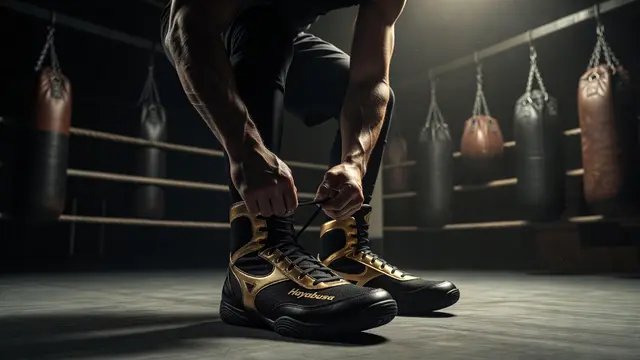
In the sweet science of boxing, devastating knockout power and elusive defensive movement originate from the ground up through the kinetic chain. Deploying Hayabusa Boxing Shoes provides athletes with the tactile grip, lateral rigidity, and weightless responsiveness required to execute rapid pivots, sharp angles, and grounded punching combinations. While standard athletic sneakers possess thick, cushioned soles that absorb energy and destabilize rapid foot transitions, specialized boxing footwear connects the fighter directly to the ring canvas. Investing in top-tier ring footwear allows fighters of all skill levels to move with fluid confidence, maintain superior balance, and minimize lower limb fatigue across demanding training camps.
What Are Hayabusa Boxing Shoes and What Makes Them Unique?
Hayabusa Boxing Shoes are premium, lightweight combat footwear engineered specifically to enhance traction, stability, and speed across indoor canvas, ring mats, and wooden gym surfaces.
| Structural Component | Material Composition | Engineering Purpose in Boxing |
|---|---|---|
| Outsole Unit | Custom-molded high-grip gum rubber | Delivers multi-directional canvas traction and fluid rotational pivoting |
| Midsole Layer | Low-profile high-density EVA foam | Provides subtle arch support without elevating the center of gravity |
| Upper Chassis | Microfiber synthetic leather & open mesh | Maximizes structural containment while ensuring thermal ventilation |
| Ankle Collar | Ergonomic mid-top padded cuff | Locks the talocrural joint in place to reduce lateral inversion risks |
| Heel Counter | Thermo-molded internal heel stabilizer | Eliminates heel slippage during forward bursts and explosive push-offs |
Modern boxing demands split-second lateral changes of direction, rotational torque through the balls of the feet, and rapid defensive retreats. Hayabusa Boxing Shoes are developed by analyzing the anatomical forces generated during heavy punching and defensive slip lines.
By eliminating the excessive cushioning found in conventional running shoes, these shoes ensure that zero kinetic energy is lost to sole compression. When a fighter pushes off the rear foot to deliver a straight right hand or steps laterally around an opponent’s jab, Hayabusa Boxing Shoes translate muscular exertion directly into immediate ring propulsion.
How Do Hayabusa Boxing Shoes Enhance Ring Traction and Pivot Mechanics?
Hayabusa Boxing Shoes utilize a specialized tread geometry that balances aggressive linear grip with frictionless rotational pivoting on the ball of the foot.
| Footwork Movement | Required Biomechanical Grip | How Hayabusa Boxing Shoes Respond |
|---|---|---|
| Rotational Hook Pivot | Low rotational friction at the 1st metatarsal | Smooth radial pivot groove allows instant 90-degree hip turning |
| Linear Step-In Jab | High forward traction at the forefoot edge | Angular cross-siping grips canvas instantly without backward slipping |
| Lateral Angle Cutting | Side-wall traction and edge support | Wrap-around outsole edges bite into canvas during sharp outside steps |
| Defensive Backward Step | Stable rear heel adhesion | Flat heel tread geometry anchors the rear foot to absorb incoming momentum |
1. The Radial Forefoot Pivot Zone
A primary complaint among boxers not wearing Hayabusa Boxing Shoes is excessive rubber friction that catches on canvas during rotational pivots, stressing the meniscus and collateral knee ligaments. Hayabusa Boxing Shoes feature a strategically contoured pivot circle beneath the first metatarsal head. This design allows fighters to spin on the ball of the foot smoothly while throwing check hooks or pivoting off the ropes.
2. Multi-Directional Angular Siping
Surrounding the smooth pivot zone, the outsole is lined with multi-directional micro-grooves. When a fighter shifts weight to push off for an explosive entry or sudden retreat, these edges expand and grip canvas fibers, eliminating dangerous slipping on sweat-covered ring surfaces.
3. Low-Profile Sole Geometry
The paper-thin sole architecture of Hayabusa Boxing Shoes positions the foot mere millimeters above the ground. Lowering the athlete’s center of gravity increases sensory proprioception, allowing fighters to feel every subtle shift in weight distribution and body balance.
What Ankle Support and Midfoot Stability Do Hayabusa Boxing Shoes Provide?
Hayabusa Boxing Shoes utilize a targeted mid-top silhouette engineered to deliver robust structural reinforcement without restricting dynamic ankle flexion.
| Stability Feature | Mechanical Action | Protective Outcome for Boxers |
|---|---|---|
| Mid-Top Collar Cut | Encloses the malleolus bones snugly | Restricts dangerous excessive inversion without blocking forward flexion |
| Internal Heel Lock | Contoured heel cup secures the calcaneus | Prevents interior foot slide during high-velocity directional changes |
| Full-Length Lace System | Extends from the base of the toes to the mid-calf | Allows customized zonal tensioning across the forefoot, instep, and ankle |
| Lateral Outsole Outrigger | Subtle flared rubber extension on the lateral edge | Prevents the outer edge of the foot from rolling over during hard lateral stops |
Protecting the Talocrural Joint During Hard Angles
Advanced boxing footwork with Hayabusa Boxing Shoes requires frequent lateral bounding and aggressive angular shifts. When a fighter plants the lead foot hard to cut an angle against a retreating opponent, significant shear force is placed on the lateral ankle ligaments.
Hayabusa Boxing Shoes incorporate reinforced side panels and firm padded collars that stabilize the ankle joint during extreme lateral angles, drastically lowering the incidence of sprains and joint hyperextensions.
Elimination of Internal Heel Slippage
Heel slippage is a common issue in generic training shoes that causes painful blisters and ruins punching leverage. Hayabusa Boxing Shoes feature an anatomically molded heel counter that cups the rear foot securely, ensuring the shoe functions as a natural extension of the fighter’s leg.
Hayabusa Boxing Shoes vs. The Competition: Comprehensive Brand Showdown
Selecting combat footwear requires comparing performance metrics across the most respected brands in boxing.
| Combat Shoe Model | Weight per Shoe (Size 9) | Ankle Cut Profile | Sole Traction Level | Upper Material | Best Suited Fighter Profile |
|---|---|---|---|---|---|
| Hayabusa Boxing Shoes | 10.2 oz (289 g) | Mid-Top | Very High (Balanced Canvas Grip) | Microfiber Leather & Mesh | All-around fighters seeking balanced speed and ankle support |
| Nike HyperKO 2 | 11.4 oz (323 g) | High-Top | High (Segmented Flyplate) | Flyknit & Exo-Skeleton | Elite competitors prioritizing extreme lockdown and modern aesthetic |
| Everlast Elite 2 | 10.8 oz (306 g) | Mid-Top | High (Michelin Rubber Sole) | Technical Mesh & Suede | Gym sparring enthusiasts wanting durable outdoor/indoor rubber |
| Rival Guerrero | 11.2 oz (317 g) | High-Top | Moderate to High | Cowhide Suede & Mesh | Traditionalists seeking classic leather feel and tall ankle support |
| Adams Boxing V Train | 9.8 oz (277 g) | Low-to-Mid Top | High | Synthetic Mesh | Speed fighters focused on featherweight mobility and wide toe boxes |
| Venum Elite | 11.6 oz (328 g) | Mid-to-High Top | High (Anatomical Wave Sole) | Glossy Synthetic & Mesh | Power punchers looking for heavy ankle padding and rigid sidewalls |
Why Fighters Choose Hayabusa Boxing Shoes Over Competing Brands
While high-top shoes like the Nike HyperKO 2 and Rival Guerrero provide extensive calf-height wrapping, they can feel restrictive to fighters who rely on dynamic footwork and ankle mobility. Conversely, ultra-low wrestling-style shoes lack the structured lateral support necessary for boxing pivots. Hayabusa Boxing Shoes occupy the sweet spot: delivering the lightweight freedom of a speed shoe combined with the protective stability of a dedicated combat boot.
Weight, Breathability, and Thermal Regulation in Hayabusa Boxing Shoes
Heavy, hot shoes lead to premature leg fatigue, sweaty feet, and blister formation during extended 10- to 12-round training sessions.
| Ventilation Feature | Component Design | Impact on Fighter Endurance |
|---|---|---|
| Lateral Mesh Windows | High-tensile open-weave mesh panels | Facilitates continuous airflow across the instep and arch |
| Perforated Microfiber Tongue | Breathable cushioned tongue construction | Prevents lace bite while exhausting heat from the top of the foot |
| Antimicrobial Inner Lining | Moisture-wicking technical textile | Draws sweat away from socks to maintain dry interior contact |
| Ultra-Lightweight Build | Sub-11-ounce overall shoe weight | Reduces cumulative muscular fatigue in the calves and tibialis anterior |
| Airflow Phase | Ventilation Zone | Mechanism of Action | Cooling Result |
|---|---|---|---|
| Intake Cycle | Open-weave side mesh | Ingests cool ambient gym air during foot movement | Lowers internal footbed temperature |
| Absorption Cycle | Technical inner lining | Wicks liquid perspiration away from sock layers | Minimizes skin friction and moisture pooling |
| Exhaust Cycle | Perforated tongue vents | Releases hot humid vapor during explosive bursts | Keeps feet dry across continuous 12-round bouts |
The Cumulative Effect of Footwear Weight on Leg Fatigue
In a standard hour-long boxing workout, a fighter takes thousands of micro-steps, bounds, and pivots. Adding unnecessary weight to your feet creates cumulative muscular strain on the calves, hip flexors, and tibialis anterior muscles.
Weighing barely over 10 ounces, Hayabusa Boxing Shoes reduce rotational inertia, allowing fighters to maintain crisp, snappy footwork deep into the championship rounds of sparring.
Sweat Management and Blister Prevention
Excess moisture inside a boxing shoe softens the epidermal layers of the skin, making the foot highly susceptible to friction blisters during repetitive pivoting. The open-mesh ventilation system in Hayabusa Boxing Shoes expels hot humid air continuously, keeping feet dry and blister-free.
Sizing, Fit Profiles, and Break-In Expectations for Hayabusa Boxing Shoes
Achieving the correct fit in Hayabusa Boxing Shoes is essential for optimizing performance and avoiding uncomfortable toe crowding or heel slippage.
| US Men’s Size | US Women’s Equivalent | UK Shoe Size | EU Shoe Size | Foot Length (Inches / cm) |
|---|---|---|---|---|
| US 7.0 | US Women 8.5 | UK 6.0 | EU 40.0 | 9.8 in (25.0 cm) |
| US 8.0 | US Women 9.5 | UK 7.0 | EU 41.0 | 10.2 in (26.0 cm) |
| US 9.0 | US Women 10.5 | UK 8.0 | EU 42.5 | 10.6 in (27.0 cm) |
| US 10.0 | US Women 11.5 | UK 9.0 | EU 44.0 | 11.0 in (28.0 cm) |
| US 11.0 | US Women 12.5 | UK 10.0 | EU 45.0 | 11.4 in (29.0 cm) |
| US 12.0 | US Women 13.5 | UK 11.0 | EU 46.0 | 11.8 in (30.0 cm) |
| US 13.0 | US Women 14.5 | UK 12.0 | EU 47.5 | 12.2 in (31.0 cm) |
Fit Characteristics: Snug, Glove-Like Containment
Like most high-performance combat footwear, Hayabusa Boxing Shoes are engineered to fit snugly, mimicking a secure boxing glove for your feet. There should be approximately a quarter-inch of space between your longest toe and the front of the shoe box, with zero lateral sliding inside the heel cup.
- Standard to Narrow Feet: Order true to your standard athletic sneaker size for an optimal locked-in fit.
- Wide Feet (2E and Wider): Consider ordering a half size larger to accommodate forefoot width without excessive pinch at the fifth metatarsal.
- Break-In Period: Thanks to the pliable microfiber leather and soft mesh chassis, Hayabusa Boxing Shoes require minimal break-in time. Expect full compliance and natural flex after two to three light gym sessions.
Surface Versatility: Where Should You Wear Hayabusa Boxing Shoes?
Boxing shoes feature thin, specialized gum rubber outsoles designed exclusively for clean, indoor training environments.
| Training Surface | Suitability Rating | Operational Recommendation |
|---|---|---|
| Boxing Ring Canvas | Ideal (10/10) | Delivers perfect friction for pivots, advances, and retreats |
| Smooth Tatami / MMA Mats | Excellent (9/10) | Non-marking rubber provides exceptional mat traction without snagging |
| Hardwood Gym Floors | Very Good (8/10) | Provides solid grip; ensure surface is wiped clean of dust before training |
| Interlocking Rubber Gym Tiles | Good (7/10) | Grips well, though dense rubber can create high rotational friction |
| Outdoor Concrete / Asphalt | Unsuitable (0/10) | Never use outdoors; rough asphalt will abrade the thin outsoles within hours |
Preserving Sole Integrity by Avoiding Outdoor Wear
Never wear your Hayabusa Boxing Shoes outdoors on asphalt, sidewalks, or gravel. The abrasive texture of concrete will grind down the delicate tread siping, while dirt and outdoor debris will contaminate the rubber, ruining its grip when you return to the ring canvas. Always pack your boxing shoes in your gym bag and change into them only once you step onto the training floor.
Complete Lacing and Foot Lockdown Strategies for Hayabusa Boxing Shoes
Properly tensioning your laces maximizes the support architecture of Hayabusa Boxing Shoes while preventing foot numbness and localized pressure points.
| Lacing Zone | Target Tension Level | Biomechanical Objective |
|---|---|---|
| Forefoot Zone (Eyelets 1–4) | Snug, but not overly tight | Allows natural metatarsal splay during powerful push-offs |
| Midfoot / Arch (Eyelets 5–7) | Firm and locked | Anchors the plantar fascia to prevent interior foot sliding |
| Ankle Collar (Top Eyelets) | Supportive, allowing slight forward flex | Stabilizes the joint while permitting natural ankle articulation |
- Step 1: Seat the Heel Firmly: Slide your foot into your Hayabusa Boxing Shoes and tap your heel gently against the floor to ensure your calcaneus is seated completely against the rear heel counter.
- Step 2: Smooth the Padded Tongue: Position the tongue flat across the top of your instep, making sure the edges do not fold or pinch against your ankle bones.
- Step 3: Tighten Sequentially from Bottom to Top: Pull the laces taut eyelet by eyelet, ensuring uniform tension across the entire foot rather than pulling only from the top aglets.
- Step 4: Execute a Double Knot: Fasten with a secure double knot and tuck the excess lace loops beneath the collar band to prevent accidental tripping during sparring.
Care, Sanitation, and Maintenance Protocols for Hayabusa Boxing Shoes
Proper maintenance keeps your Hayabusa Boxing Shoes fresh, odor-free, and structurally sound for multiple seasons of rigorous training.
- Air Out Immediately After Training: Never leave damp boxing shoes sealed inside an airtight gym bag. Open the laces fully, pull the tongue forward, and place them in a well-ventilated room to dry thoroughly.
- Use Cedar Shoe Trees or Deodorizer Pouches: Insert natural cedar inserts or charcoal deodorizing pouches inside your Hayabusa Boxing Shoes after workouts to absorb residual sweat and eliminate bacterial odors.
- Clean the Outsoles with a Damp Cloth: Periodically wipe the rubber outsoles with a damp microfiber cloth to remove dust and chalk buildup, restoring original canvas grip.
- Spot-Clean the Synthetic Upper: Clean surface stains on the microfiber upper using mild soapy water and a soft-bristled brush. Never submerge boxing shoes in a washing machine or dry them with high-heat electric dryers.
Frequently Asked Questions
Can beginners wear Hayabusa Boxing Shoes, or are they only for advanced fighters?
Beginners can and should wear Hayabusa Boxing Shoes, as specialized combat footwear provides essential ankle support, reinforces proper footwork habits, and prevents slipping on ring canvas.
Do Hayabusa Boxing Shoes fit true to size?
Yes, Hayabusa Boxing Shoes fit true to standard athletic sneaker sizes, though fighters with wide feet should consider ordering a half size larger for optimal forefoot comfort.
Can you use Hayabusa Boxing Shoes for wrestling or weightlifting?
While they can function for deadlifts and light mat wrestling due to their flat, low-profile soles, they are optimized specifically for the unique rotational and lateral footwork demands of boxing.
How long do Hayabusa Boxing Shoes typically last?
When used exclusively indoors on clean canvas or gym mats, a pair of Hayabusa Boxing Shoes will typically last between one and two years of consistent weekly training.
Are Hayabusa Boxing Shoes good for fighters with flat feet?
Yes, Hayabusa Boxing Shoes feature low-profile EVA midsoles that offer balanced arch support without elevating the foot or interfering with natural ground feel.
Why shouldn’t I just wear running shoes for boxing training?
Running shoes have thick, cushioned heels designed for forward heel strikes, which destabilizes lateral movement, elevates your center of gravity, and increases the risk of rolled ankles during boxing pivots.
Conclusion
Mastering boxing footwork requires the ideal balance of speed, traction, and structural protection, and Hayabusa Boxing Shoes deliver exceptional performance across all three pillars. By replacing bulky, unstable running sneakers with purpose-built combat footwear, fighters unlock sharper pivots, faster lateral transitions, and direct ground reaction force that amplifies punching power across the kinetic chain.
Whether you are preparing for your first amateur bout or looking to elevate your weekly sparring sessions, investing in quality ring footwear provides the stability and agility needed to dominate the canvas. Choose the right fit, maintain your equipment with diligent care, and experience the transformative difference that dedicated boxing shoes bring to your ring craft.
Pingback: Hayabusa MMA Shorts: 7 Best Models for Ultimate Performance