
For riders who want extra stability, electric assistance, cargo capacity, and a more relaxed way to travel, electric trikes offer a practical alternative to traditional...
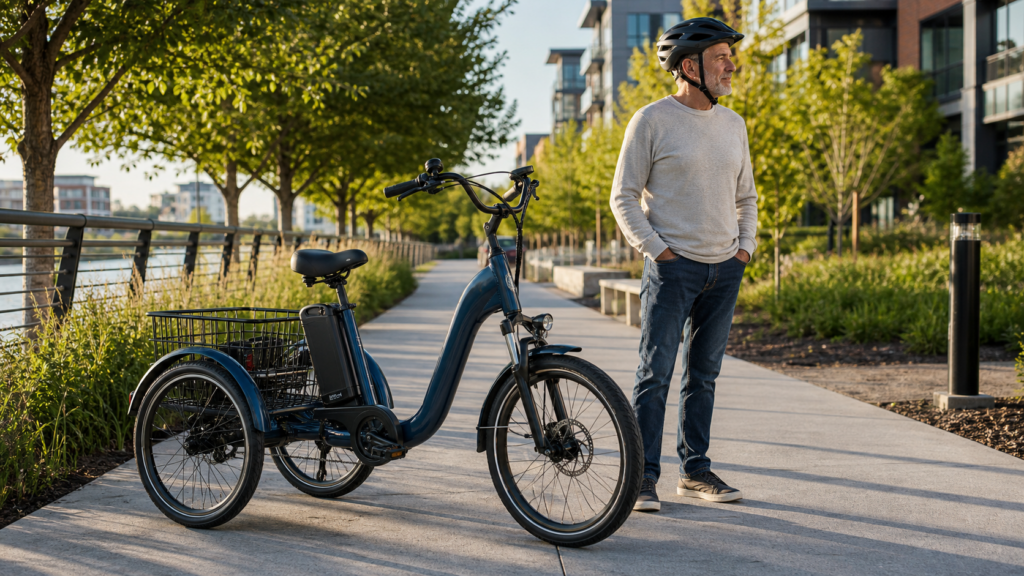
For riders who want extra stability, electric assistance, cargo capacity, and a more relaxed way to travel, electric trikes offer a practical alternative to traditional bicycles and two-wheel e-bikes. These three-wheel electric cycles combine the balanced feel of a tricycle with a battery-powered motor that can assist with pedaling or movement, depending on the model. They are increasingly used for everyday transportation, errands, recreation, commuting, neighborhood trips, and carrying groceries or other items.
Unlike conventional bikes, electric trikes are built around three wheels instead of two. This wider platform can make stopping, starting, and low-speed riding feel more manageable for many users. At the same time, electric assistance can reduce some of the physical effort required when traveling longer distances or riding on moderate inclines.
However, choosing the right trike involves more than comparing motor power or battery size. Frame design, wheel configuration, seat comfort, cargo capacity, brakes, tire size, riding position, range, storage requirements, and local riding conditions all matter.
This guide explains how electric trikes work, their main benefits, common types, important features, safety considerations, maintenance needs, and what buyers should evaluate before choosing one.
What Are Electric Trikes?
Electric trikes are three-wheeled cycles equipped with an electric motor and rechargeable battery.
In many designs, the rider can pedal normally while receiving assistance from the motor. Some models may also offer additional power-control features depending on their design and the rules that apply where they are used.
The three-wheel configuration is the defining difference between an electric trike and a standard e-bike.
Most models use either one wheel in the front with two wheels in the rear or two wheels in the front with one wheel in the rear.
The frame may also include a rear cargo basket, front basket, passenger seating area, storage platform, or other practical features.
Electric trikes can vary significantly in size and purpose. Some are compact and intended for casual neighborhood riding. Others are designed for cargo, longer-distance use, utility work, or more demanding everyday transportation.
How Electric Trikes Work
An electric trike typically combines several systems.
These include the pedals, drivetrain, electric motor, rechargeable battery, controller, display, braking system, and three-wheel chassis.
When the rider pedals, sensors can detect movement and activate electric assistance.
The amount of help often depends on the selected assistance level.
A lower assistance setting may provide gentle support and conserve battery power.
A higher setting may provide more noticeable support when accelerating, riding into wind, or climbing moderate slopes.
The battery supplies energy to the motor.
The controller manages how that energy is delivered.
The display may show information such as speed, battery level, distance, and assistance setting.
Although electric trikes share many components with electric bicycles, the wider frame and additional wheel create different handling characteristics.
Why Electric Trikes Are Becoming Popular
Three-wheel electric bikes appeal to several types of riders because they combine practical transportation with a stable platform.
They may be particularly useful for people who prefer not to balance a bicycle while stopped.
A rider can often remain seated at a stop without placing a foot on the ground.
This can make traffic lights, intersections, loading areas, and rest stops feel more convenient.
The electric motor also reduces the amount of effort needed for many everyday rides.
For riders carrying groceries or other cargo, this can be particularly helpful.
Another reason for their popularity is versatility.
An electric trike can serve as recreational transportation one day and a practical errand vehicle the next.
Main Benefits of Electric Trikes
Electric trikes provide several advantages, although the importance of each benefit depends on the rider and the model.
Increased Stability at Low Speeds
A traditional bicycle relies on the rider to maintain balance.
At very slow speeds or while stopped, this can become more difficult.
A three-wheel design provides a wider base.
This does not mean a trike cannot tip, but it does mean riders generally do not need to balance it in the same way as a two-wheel bicycle.
This can make starting and stopping feel easier.
Electric Assistance
Pedaling a heavy bicycle or carrying cargo can require substantial effort.
Electric assistance can reduce some of this workload.
This may help riders travel farther or handle routes that would otherwise feel tiring.
The actual level of support depends on motor design, terrain, load, battery charge, and selected assistance level.
Cargo Capacity
Many electric trikes include practical cargo space.
A rear basket is common.
Some models also include front baskets, racks, platforms, insulated boxes, or larger utility areas.
This can make them useful for groceries, shopping, picnic supplies, personal items, or light work-related transportation.
Comfortable Riding Position
Many trikes use an upright riding position.
This can reduce the need to lean far forward.
Some riders find this more comfortable for casual transportation.
Models with larger seats, adjustable handlebars, backrests, or step-through frames may further improve accessibility and comfort.
Easier Stops
One practical advantage of three wheels is that riders generally do not need to place a foot on the ground every time they stop.
This can be useful in areas with frequent intersections or pedestrian crossings.
Practical Alternative for Short Trips
A trike can provide a useful option for short local journeys.
Instead of using a car for every errand, some riders may use an electric trike for neighborhood trips, grocery runs, park visits, or casual transportation.
Different Types of Electric Trikes
Not all electric trikes are designed for the same purpose.
Understanding the main types can make it easier to choose the right model.
Upright Electric Trikes
Upright trikes resemble traditional adult tricycles.
They usually have one front wheel and two rear wheels.
The rider sits relatively upright.
These models are common for casual riding, errands, and recreational use.
Many include a large rear basket.
They are often chosen by riders who want a familiar, straightforward design.
Folding Electric Trikes
Folding trikes are designed to reduce storage space.
Certain parts of the frame or handlebars can fold.
This may be useful for riders with limited garage space or those who need to transport the trike.
However, electric trikes are generally heavier than folding two-wheel bicycles.
A folding frame does not necessarily make the entire trike easy to lift.
Check both folded dimensions and total weight before buying.
Fat-Tire Electric Trikes
Fat-tire trikes use wider tires.
These tires can provide additional cushioning and traction on certain surfaces.
They may be suitable for riders who travel on rough paths, gravel, uneven pavement, or softer ground.
The trade-off is that wider tires can increase rolling resistance and overall vehicle weight.
Cargo Electric Trikes
Cargo models are designed to carry larger loads.
They may use reinforced frames, bigger baskets, utility boxes, or rear platforms.
Some are intended for household errands, while others are built for commercial or delivery-related use.
Payload capacity is especially important when comparing cargo trikes.
The rated capacity should include the rider and any additional load.
Recumbent Electric Trikes
Recumbent trikes place the rider in a lower, reclined position.
Instead of sitting high above the pedals, the rider sits in a supportive seat with the legs extended forward.
These trikes can provide a different type of comfort and handling.
They are commonly used for recreation and touring.
However, their lower height can affect visibility in certain traffic environments.
Passenger-Oriented Electric Trikes
Some trikes are designed with an additional passenger seat or expanded rear seating.
These models require careful attention to weight limits, braking performance, seat design, and manufacturer instructions.
Passenger carrying should only be done when the trike is specifically designed for it.
Important Features to Compare
A good electric trike should suit the rider’s actual needs rather than simply having the highest numbers on a specification sheet.
Several features deserve close attention.
Motor Power
The electric motor provides assistance.
Motor output can influence acceleration, hill capability, and performance under load.
However, more power is not always automatically better.
A powerful motor may consume energy more quickly and can change how the trike responds to throttle or pedal input.
Local rules may also limit motor output or assisted speed.
Choose a motor appropriate for terrain, rider weight, cargo needs, and expected use.
Battery Capacity
Battery size has a major influence on potential riding range.
However, advertised range should always be treated as an estimate.
Real-world range depends on many factors, including rider weight, cargo, hills, wind, temperature, tire pressure, speed, and assistance level.
A rider who uses maximum assistance on steep terrain may get less range than someone riding gently on flat roads.
Battery Placement
Battery placement affects weight distribution.
Some batteries are mounted behind the seat, under the frame, or within the main structure.
A well-positioned battery can help keep the trike balanced.
A removable battery can also make charging more convenient.
Step-Through Frame
A step-through frame has a lower section between the seat and handlebars.
This makes it easier to get on and off without lifting a leg high over the frame.
This feature can be especially useful for riders who value easy mounting.
Seat Comfort
Because many people use electric trikes for relaxed rides, seat design is important.
Look at seat width, cushioning, adjustability, and whether a backrest is available.
A comfortable saddle can make a major difference during longer rides.
Handlebar Adjustability
Adjustable handlebars can help riders achieve a more comfortable posture.
The correct position should allow easy steering and access to brake levers without excessive stretching.
Braking System
Electric trikes are heavier than standard bicycles.
Cargo can increase weight even further.
Strong, well-maintained brakes are therefore essential.
Some models use disc brakes, while others may combine different braking systems.
Parking brakes can also be helpful.
A parking brake keeps the trike from rolling when the rider stops on slightly sloped ground.
Differential or Rear Axle Design
Some trikes drive one rear wheel, while others use a differential or alternative axle arrangement.
This can affect traction and cornering behavior.
Buyers who expect frequent hills, cargo, or uneven terrain should understand how power is delivered to the drive wheels.
Reverse Function
Some electric trikes include reverse assistance.
This can be useful because a large three-wheel bike may be difficult to push backward manually, especially when loaded.
Reverse should be used slowly and carefully.
Suspension
Suspension can improve comfort on rough surfaces.
Some trikes include front suspension, seat suspension, or more advanced systems.
For smooth paved paths, suspension may be less important.
For uneven routes, it can make a meaningful difference.
Tires
Tire size and width influence comfort, grip, rolling resistance, and handling.
Large tires can roll more smoothly over rough pavement.
Wide tires may add cushioning.
Narrower tires can feel more efficient on smooth surfaces.
Choose tire design based on the routes you expect to ride most often.
Lights and Visibility Features
Integrated front and rear lights can improve visibility.
Reflectors, bright clothing, flags, mirrors, and turn indicators may also improve awareness.
Because trikes are wider than standard bicycles, visibility to other road users is particularly important.
How Electric Trikes Handle Differently From Bicycles
This is one of the most important things new riders should understand.
An electric trike does not lean into corners like a conventional bicycle.
A two-wheel bike naturally leans as the rider turns.
A typical upright trike stays flatter.
This means fast cornering can create a tipping force.
The rider should slow down before entering a turn.
Sudden steering movements should also be avoided.
Riding across a steep side slope can feel different because one side of the trike may be higher than the other.
New riders should practice in an open, low-traffic area before riding on busy streets or narrow paths.
Are Electric Trikes Safe?
Electric trikes can provide a stable riding platform, but they still require proper handling.
Three wheels reduce the need for balance at a stop, but they do not make the vehicle impossible to tip.
Cornering speed is one of the most important safety factors.
A rider who enters a tight turn too quickly can lift one of the rear wheels.
Cargo placement is also important.
Heavy items should be kept low and evenly distributed whenever possible.
An overloaded or poorly balanced basket can affect handling.
Good braking habits, proper tire pressure, visible clothing, and regular maintenance also contribute to safer riding.
Safety Tips for Riding Electric Trikes
New riders should build confidence gradually.
Practice starting, stopping, turning, and reversing in a safe area.
Learn how the electric assistance responds before entering traffic.
Use lower assistance settings while learning.
Slow down before corners.
Avoid abrupt steering.
Keep both hands on the handlebars when possible.
Do not exceed the manufacturer’s weight limits.
Use lights when visibility is poor.
Wear a properly fitted helmet where appropriate or required.
Be cautious on sloped surfaces, especially those that tilt sideways.
Check brakes and tire pressure regularly.
Understanding Electric Trike Range
Range is one of the most frequently discussed electric trike specifications.
However, range is not a fixed number.
Suppose a trike is advertised with a broad potential range.
A lightweight rider on flat roads using low assistance may travel much farther than a heavier rider carrying groceries over hills.
Cold weather can also affect battery performance.
Frequent acceleration uses more energy.
Underinflated tires increase resistance.
Higher speeds may reduce efficiency.
For this reason, buyers should think about their longest realistic trip rather than choosing a model based only on the highest advertised range.
It is useful to maintain a comfortable battery reserve rather than planning every ride around the maximum possible distance.
Electric Trikes for Older Adults
Electric trikes are often considered by older riders because of their stable three-wheel design and upright seating position.
However, age alone does not determine whether a trike is suitable.
The rider should still be able to steer, brake, judge traffic, and safely mount and dismount the vehicle.
A low step-through frame can make entry easier.
A supportive seat may improve comfort.
Lower-speed settings can make acceleration more predictable.
A test ride can be especially valuable because handling feels different from both walking and traditional cycling.
Electric Trikes for Commuting
Electric trikes can work for commuting when the route is suitable.
Before using one for daily transportation, consider distance, road width, bike-lane availability, hills, parking, storage, and weather.
Because trikes are wider than bicycles, very narrow bike lanes or crowded paths may be less convenient.
Storage at the destination is another consideration.
A trike may not fit into a standard bicycle rack.
Secure parking and a strong lock are important.
For predictable local routes, however, an electric trike can provide a comfortable commuting option.
Electric Trikes for Grocery Shopping
One of the most practical uses of an electric trike is carrying groceries.
Rear baskets can hold bags without requiring the rider to wear a backpack.
For heavier loads, distribute weight evenly.
Avoid placing all heavy items on one side.
Keep fragile items secured so they do not move during turns.
Check the manufacturer’s cargo and total weight limits.
The added weight will also increase braking distance and battery consumption.
Electric Trikes for Recreational Riding
Not every electric trike needs to serve as a replacement for a car.
Many people use them simply for enjoyment.
They can be well suited to parks, bike paths, neighborhoods, waterfront routes, and relaxed weekend rides.
Electric assistance can make longer recreational trips more approachable.
Riders can choose a lower assistance setting for exercise and increase it when extra support is needed.
Storage Considerations
Electric trikes require more space than standard bicycles.
Measure your storage area before purchasing.
Consider door width, hallway width, elevator size, garage layout, and access ramps.
If the trike needs to pass through a gate, measure the widest part of the vehicle.
Folding models can help, but folded size should still be checked carefully.
Battery storage also matters.
If the battery is removable, it can often be charged separately from the trike.
Follow the manufacturer’s guidance for charging and long-term storage.
Charging an Electric Trike Battery
Most electric trikes use rechargeable lithium-based battery systems.
Charging procedures vary by model.
Use the charger supplied or approved for the specific battery.
Charge in an appropriate dry environment.
Avoid covering the charger while it is operating.
Inspect cables for visible damage.
Do not use a damaged battery or charger.
Avoid extreme heat where possible.
If the trike will not be used for a long period, follow the recommended storage charge level rather than leaving the battery completely empty.
Battery care can affect both performance and long-term lifespan.
Maintenance for Electric Trikes
Electric trikes require both bicycle maintenance and electrical-system care.
Check Tire Pressure
Correct tire pressure improves handling and efficiency.
Low pressure can increase rolling resistance and make steering feel heavier.
Inspect tires for wear, cuts, or damage.
Inspect the Brakes
Because electric trikes can be heavy, brake condition is critical.
Check brake response regularly.
Worn pads, damaged cables, hydraulic leaks, or poorly adjusted brakes should be addressed promptly.
Keep the Drivetrain Clean
Chains, gears, and moving drivetrain components benefit from routine cleaning and lubrication.
Dirt can increase wear.
Use suitable bicycle maintenance products rather than applying excessive lubricant.
Check Fasteners
Trikes experience vibration during use.
Periodically check visible bolts and fittings according to the manufacturer’s recommendations.
Do not overtighten components beyond specified torque values.
Protect Electrical Connections
Avoid directing high-pressure water at the motor, battery, display, wiring, or connectors.
Electric components should be kept clean and dry.
If electrical behavior changes suddenly, inspect for obvious damage before continuing to ride.
Maintain the Battery
Battery maintenance includes proper charging, appropriate storage, and avoiding physical damage.
A battery that becomes swollen, unusually hot, damaged, or behaves abnormally should not be ignored.
Common Electric Trike Problems
Like any vehicle, electric trikes can develop issues.
Understanding basic symptoms can help owners determine when maintenance or professional service is needed.
Battery Not Charging
Possible causes include a damaged charger, loose connection, battery-management issue, or battery fault.
Check obvious connections first.
Do not attempt to open or rebuild a lithium battery without proper expertise.
Motor Not Providing Assistance
Motor assistance can stop because of a depleted battery, display setting, sensor issue, loose wiring, controller fault, or motor problem.
Check the display for warning codes if available.
Uneven Braking
Because trikes use multiple wheels, uneven brake adjustment can influence handling.
Brakes should respond smoothly and predictably.
Steering Feels Unstable
Low tire pressure, loose components, overloaded cargo, poor alignment, or worn steering parts can cause unusual handling.
Stop riding if the trike feels significantly different from normal.
Reduced Range
Battery range can decrease because of cold weather, hills, heavy loads, low tire pressure, high assistance levels, battery aging, or changes in riding style.
How to Choose the Right Electric Trike
The best electric trike depends on how it will be used.
Start with your main purpose.
Will you ride for recreation, commuting, errands, cargo transport, or a combination of these?
Then consider your typical route.
Flat paved roads require different features from steep or uneven terrain.
Next, think about physical fit.
Check the recommended rider height range, seat adjustment, handlebar position, and step-through height.
Cargo capacity should match real needs.
Do not pay for a huge basket if you only carry a small bag.
Likewise, do not choose a light-duty trike if you plan to carry heavy loads.
Battery capacity should be sufficient for your normal riding distance with extra reserve.
Brakes, lights, frame quality, warranty coverage, replacement part availability, and customer support are also worth considering.
Questions to Ask Before Buying
Before choosing a model, ask practical questions.
What is the total weight capacity?
How much does the trike itself weigh?
Is the battery removable?
What is the expected real-world range?
How long does charging typically take?
Does it include reverse assistance?
Does it have a parking brake?
How wide is the trike?
Will it fit through your gate or storage area?
What type of brakes does it use?
Are replacement batteries and components available?
What assembly is required?
Can the trike be serviced locally?
These questions often matter more than small differences in top speed.
Electric Trikes vs Traditional Bicycles
Traditional bicycles are usually lighter, narrower, easier to transport, and more agile.
Electric trikes offer a different set of advantages.
They provide a stable platform at low speeds and can carry more cargo.
They may also feel easier for riders who do not want to balance a bicycle while stopped.
However, trikes are wider and heavier.
They require more storage space.
They also need slower cornering.
The better choice depends on the rider’s priorities.
Electric Trikes vs Two-Wheel E-Bikes
Both electric trikes and two-wheel e-bikes use motor assistance.
Two-wheel e-bikes generally feel more like normal bicycles.
They can be faster through narrow spaces and easier to store.
Electric trikes provide more low-speed stability and often greater cargo convenience.
Someone who values compact transportation may prefer an e-bike.
Someone who prioritizes three-wheel support and carrying capacity may prefer a trike.
Neither type is automatically better for everyone.
Cost Considerations
Electric trike prices vary widely.
Cost is influenced by frame design, motor system, battery capacity, brake type, suspension, cargo features, tires, components, and overall construction quality.
Buyers should also consider ongoing expenses.
These may include replacement tires, brake pads, chains, service, accessories, locks, and eventually a replacement battery.
A low initial price does not always mean lower long-term cost.
Durability, replacement part availability, and repair support can have significant value.
Legal Considerations
Rules for electric cycles can vary by country, state, province, and city.
Motor output, assisted speed, throttle use, rider age, helmet requirements, and where the vehicle can be ridden may all be regulated.
A three-wheel electric cycle may also be classified differently depending on its specifications.
Before buying or riding, check the rules that apply to the specific area.
Do not assume that every electric trike can legally be used in the same places as a standard bicycle.
Accessories That Can Improve Practicality
Several accessories can make an electric trike easier to use.
Mirrors can improve awareness behind the rider.
A strong lock can help protect the vehicle during errands.
A weather-resistant cargo cover can keep items dry.
A phone holder can support navigation when used safely.
Additional lights or reflective materials can improve visibility.
A water bottle holder can be useful on longer rides.
Some riders may also benefit from a suspension seat post, upgraded saddle, basket liner, or storage bag.
Accessories should be installed securely and should not interfere with steering, braking, or visibility.
Who May Benefit Most From Electric Trikes?
Electric trikes can suit many different riders.
They may be helpful for people who want a stable platform for casual cycling.
They can work for shoppers who need cargo space.
Commuters may appreciate electric assistance and an upright riding position.
Recreational riders may enjoy traveling farther with less fatigue.
Businesses may use cargo-oriented models for short local transportation.
The key is matching the trike to the user’s actual needs rather than assuming that every model serves the same purpose.
Conclusion
Electric trikes combine the stability of a three-wheel cycle with the convenience of electric assistance, making them a practical option for recreation, errands, commuting, and cargo carrying. Their wider platform can make starting and stopping easier, while electric support can reduce the effort required during longer rides or when carrying additional weight. However, buyers should consider much more than motor power or battery size. Frame fit, braking performance, cargo limits, handling, tire design, battery range, storage space, local regulations, and long-term maintenance all play an important role. Riders should also remember that electric trikes handle differently from bicycles, especially when turning or crossing sloped surfaces. By selecting a model that fits the intended route, rider size, cargo requirements, and comfort preferences, and by learning proper riding techniques, an electric trike can become a useful and enjoyable form of everyday transportation.
Frequently Asked Questions
What are electric trikes used for?
Electric trikes can be used for recreational riding, commuting, grocery shopping, neighborhood transportation, carrying cargo, and other short or moderate-distance trips.
Are electric trikes easier to ride than regular bikes?
Electric trikes do not require the same balance at low speeds or while stopped as two-wheel bikes. However, they handle differently in corners, so new riders still need practice.
How far can electric trikes travel on one charge?
Range varies significantly based on battery capacity, rider weight, terrain, cargo, weather, tire pressure, speed, and assistance level. Advertised range should be treated as an estimate rather than a guaranteed distance.
Can electric trikes go uphill?
Many electric trikes can handle moderate hills with motor assistance, but performance depends on motor design, battery condition, total weight, slope steepness, gearing, and traction.
Are electric trikes suitable for older adults?
They can be suitable for some older adults because of their stable three-wheel design and upright seating. However, the rider still needs sufficient ability to steer, brake, judge traffic, and control the trike safely.
Do electric trikes tip over easily?
Three wheels provide stability at low speeds, but electric trikes can still tip if a rider corners too quickly, travels across steep side slopes, or carries an unbalanced load. Slower turns and proper weight distribution are important.
How long does an electric trike battery last?
Battery lifespan depends on battery quality, charging habits, storage conditions, temperature, and usage. Over time, rechargeable batteries gradually lose capacity and may eventually need replacement.
Are electric trikes legal on bike paths?
Rules vary by location and by the specifications of the trike, including motor power and assisted speed. Riders should check local laws before using an electric trike on roads, bike lanes, or shared paths.