
Choosing among engagement rings Manchester has to offer is equal parts romance and research, and the research matters more than most couples expect. A diamond...
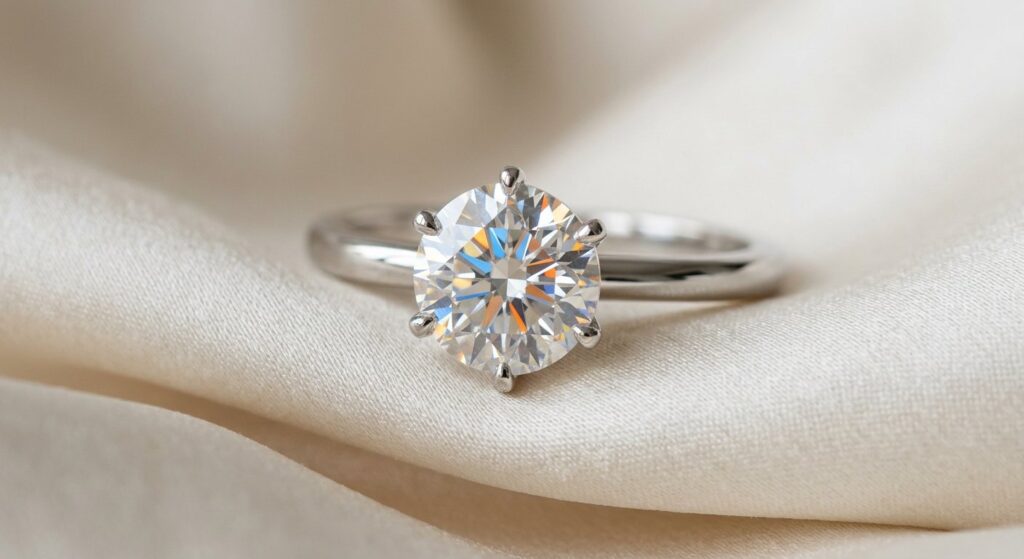
Choosing among engagement rings Manchester has to offer is equal parts romance and research, and the research matters more than most couples expect. A diamond ring is one of the most emotionally significant purchases you will ever make, yet the diamond industry is full of jargon, marketing mythology, and price opacity that can turn an exciting decision into an anxious one. The good news is that Manchester buyers have never been better positioned: the city is now home to the UK’s largest lab grown diamond specialists, certified stones cost a fraction of their mined equivalents, and UK consumer law gives you protections that make buying with confidence entirely possible. This guide walks through nine practical ways to choose the perfect ring, from understanding the 4Cs and reading a grading certificate to setting a realistic budget, getting the size right first time, and knowing your rights under the Consumer Rights Act. Follow these steps and you will spend less time worrying about the purchase and more time planning the moment itself.
Key Takeaways
- Lab grown diamonds are real diamonds, chemically and optically identical to mined stones, and cost roughly 80 to 95 percent less at comparable grades in 2026.
- The “three months’ salary” rule was a marketing invention, not tradition; surveys show most UK partners expect spending of around £2,000 or less.
- A one carat lab grown diamond ring typically starts around £1,500 in the UK, while the mined equivalent often runs £5,000 to £10,000 or more.
- Always buy independently certified stones, graded by IGI or GIA, with a laser inscription matching the certificate number.
- UK buyers are protected by the Consumer Rights Act 2015, and reputable Manchester jewellers add lifetime warranties, free resizing, and 30-day returns on top.
Why Manchester Is One of the Best Places to Buy an Engagement Ring
Manchester has quietly become one of the strongest cities in Britain for diamond buyers. The city hosts the country’s largest lab grown diamond jewellery specialists, with hundreds of certified stones available to view in person rather than guessed at from a website. Buying locally also means you can inspect craftsmanship up close, compare stones side by side under proper lighting, and build a relationship with a jeweller who will handle resizing, servicing, and future wedding bands. It changes the entire dynamic of the purchase: instead of gambling on photographs, you sit at a counter with a loupe, compare three or four candidates under real jewellery lighting, and watch how each stone handles the light as you move it. Manchester’s specialists have also normalised the booked appointment, which means an expert’s undivided attention for an hour, at zero cost and with zero obligation to buy that day.
The Lab-Grown Price Revolution
The single biggest change in the engagement ring market over the past five years is the rise of lab grown diamonds, and the pricing shift has been dramatic. At comparable grades, lab grown stones now cost roughly 80 to 95 percent less than mined diamonds, with the gap widest at the larger carat weights where mined prices explode. A one carat lab grown diamond ring can start from around £1,500 in the UK, while a mined diamond of the same grade commonly costs £5,000 to £10,000 or more. That difference does not buy a smaller ring; it buys freedom, either a significantly larger or higher-grade stone, or a ring that respects the budget most couples actually have.
What Lab Grown Really Means
Lab grown diamonds are not simulants. Cubic zirconia and moissanite only imitate diamond; a lab grown diamond is diamond, with the same carbon crystal structure, the same hardness at the top of the Mohs scale, and the same optical properties. They are grown in laboratories using two methods, high pressure high temperature, known as HPHT, which recreates the conditions deep within the Earth, and chemical vapor deposition, known as CVD, which builds the crystal layer by layer from carbon-rich gas over several weeks. Even trained gemmologists need specialist equipment to tell them apart, which is exactly why independent certification matters, and why it should sit at the centre of your decision.
9 Powerful Ways to Choose the Perfect Ring
1. Learn the 4Cs Before You Compare Prices
Every diamond, grown or mined, is graded on the same four criteria: cut, colour, clarity, and carat weight. Cut drives how brilliantly the stone sparkles and rewards precision over everything else, so prioritise an excellent or ideal cut grade. Colour runs from D, perfectly colourless, down the alphabet, and clarity measures internal characteristics, called inclusions, that are graded under magnification. The smart play for most budgets is a colour grade in the F to H range and a clarity grade of VS1 or VS2, both of which look identical to the top grades to the naked eye while costing meaningfully less. Carat is weight, not size alone, and a well-cut 0.9 carat stone can outshine a poorly cut full carat at a lower price.
2. Decide Between Lab Grown and Mined With Clear Eyes
This is the defining decision of 2026, and it deserves an honest framing rather than a sales pitch. On every physical measure, the stones are identical; only origin and price differ. Lab grown diamonds are the rational choice for buyers who want maximum beauty per pound, and their rising market share tells you most couples now agree. The trade-off to understand is value retention: mined diamonds carry a longer-established, though still imperfect, secondary market, while lab grown stones should be purchased as fine jewellery to wear and love, not as an investment asset. Many couples also weigh ethical and environmental factors in this decision. Lab grown stones avoid mining altogether, though responsible buyers should note that production facilities vary in energy sourcing, so look for retailers transparent about their supply chain. Buy the stone you will be proud to see on her hand every day, and let the price difference fund a better honeymoon.
3. Set a Real Budget and Ignore the Old Rules
The “three months’ salary” rule was not tradition; it was advertising, popularised through twentieth-century diamond marketing campaigns that attached ever-larger salary multiples to the purchase. Modern UK surveys tell a different story: a majority of partners expect the ring to cost around £2,000 or less, while typical UK spending sits broadly between £1,800 and £4,000 depending on the survey. Set a number that fits your finances without debt-fuelled drama, decide it calmly before you walk into a showroom, and treat lab grown pricing as the tool that lets a disciplined budget buy a spectacular ring.
4. Choose a Shape That Suits Her Style
Shape is the most personal choice on the ring, and the one she will notice first. Round brilliants maximise sparkle and suit almost everyone. Ovals and pears elongate the finger and have dominated UK trends for years. Emerald cuts flatter with elegant, architectural lines but show clarity characteristics more readily, so favour higher clarity grades. Cushion cuts blend vintage softness with strong brilliance. Beyond the big five, marquise delivers dramatic length, radiant cuts combine a rectangular outline with brilliant-style sparkle, and Asscher cuts offer Art Deco geometry for collectors of character. If you are proposing on a budget, remember that elongated shapes often face up larger per carat, delivering a bigger look for the same weight. When in doubt, photograph her existing jewellery for clues, or enlist a trusted friend.
5. Pick the Setting and Metal That Frame the Stone
The setting protects the diamond and defines the ring’s character. Solitaires are timeless and make the centre stone the hero. Halos of small diamonds make the centre appear up to a carat larger to the eye, while hidden halos add sparkle visible only from the side, a detail many Manchester jewellers now offer as standard. Three-stone and toi et moi designs carry symbolism that has driven their recent popularity, and pavé bands add continuous brilliance. On metals, platinum is denser and more durable, suiting lifelong daily wear, while 18ct gold, white, yellow, or rose, offers warmth and a lower price point; white gold is rhodium plated and needs replating every few years. Any precious metal ring sold in the UK should also carry a legal hallmark, so check for it. If nothing on the shelf feels right, remember that most specialist jewellers also offer bespoke design: you select the certified diamond, then work with their designers on a setting drawn from scratch, cast and finished by their own workshops. Bespoke typically adds a few weeks and a modest premium to the timeline, but it converts a beautiful ring into a one-of-one.
6. Verify Certification and Laser Inscription
Never buy a diamond on trust alone. Insist on an independent grading certificate from a recognised laboratory, most commonly IGI or GIA for lab grown stones, and read it alongside the stone: the certificate number should be laser inscribed on the diamond’s girdle and visible under magnification. The certificate documents the exact 4Cs grades, the growth method, and any treatments, and it is the document your insurer will ask for. A jeweller confident in their inventory will hand you the certificate before you ask; hesitation there tells you everything you need to know.
How to Read the Certificate Like a Pro
Check four details in order: that the carat weight matches the invoice, that cut grade is excellent or ideal for round brilliants, that fluorescence or treatments are disclosed, and that proportions support the stated cut grade. Certificates are only useful if you actually read them, and ten minutes of checking protects a lifetime purchase.
7. Get the Ring Size Right First Time
Nothing stalls a proposal moment like a ring that will not go on the finger. UK ring sizing uses letters rather than numbers, and most jewellers can size a finger in minutes, discreetly, if you can manage a “just browsing” visit together. Proposing in secret? Borrow a ring she already wears on the correct finger and have it measured, or choose a design that resizes easily; most solitaires resize within a size or two without issue, though tension settings and full eternity bands do not. Many Manchester specialists include free resizing, often worth around £80, which quietly removes the risk from the surprise.
8. Understand Your UK Consumer Rights
Buying in the United Kingdom gives you protections many countries lack. Under the Consumer Rights Act 2015, goods must be of satisfactory quality, as described, and fit for purpose, with the right to reject faulty goods within 30 days. UK advertised prices include VAT, so the number you see is the number you pay. Reputable jewellers layer additional assurances on top: 30-day returns, global lifetime warranties covering manufacturing defects, and free resizing. Read the returns policy before buying, especially for bespoke or engraved pieces, which are commonly excluded from change-of-mind returns, and get warranty terms in writing. One more protection deserves its own attention: insurance. Once the ring is hers, add it to your home insurance as a specified item or take out dedicated jewellery cover, keep the certificate and a current valuation on file, and revisit that valuation every few years as replacement values move.
9. Buy From a Specialist With Local Stock and Real Reviews
The final choice is who you buy from, and it matters as much as the stone itself. A specialist with genuine local inventory lets you compare dozens of certified diamonds side by side, see the actual craftsmanship, and collect the ring in person rather than gambling on a courier. For engagement rings Manchester buyers can view in person, Novita Diamonds stands out as the UK’s largest lab grown diamond specialist, with more than 620 certified stones in stock across its showrooms, a global lifetime warranty, free resizing, easy 30-day returns, and a review base running past eleven thousand customers. Whatever jeweller you shortlist, verify reviews independently, confirm certification, book a no-obligation appointment, and choose the team that answers your questions patiently rather than pushing you toward the counter.
Questions to Ask at the Appointment
Arrive with these five questions, and listen carefully to the answers:
- Which laboratory graded this stone, and can I see the certificate and laser inscription together?
- Is the price inclusive of VAT, setting, and certification, with no additions at the till?
- What exactly does the lifetime warranty cover, and what does it exclude?
- How does resizing work, how long does it take, and is it genuinely free?
- What are your returns terms for this specific design?
A confident specialist answers every one without flinching. Evasive answers to simple questions are the clearest signal in jewellery retail, and they are worth far more than a discount.
What Do Engagement Rings Cost in Manchester?
Lab grown pricing has rewritten the UK cost table. The ranges below reflect typical 2026 UK pricing for well-cut, independently certified stones and standard settings, with the mined equivalent shown for honest comparison. Exact prices vary with the 4Cs, metal, and design complexity.
| Ring Specification | Typical Lab Grown Price | Typical Mined Equivalent |
|---|---|---|
| 0.50 carat solitaire, 18ct gold | From about £700 | £2,500 to £4,000 |
| 1 carat solitaire, platinum | From about £1,500 | £5,000 to £10,000 or more |
| 1.50 carat halo, platinum | From about £2,500 | £8,000 to £15,000 |
| 2 carat trilogy, platinum | From about £4,000 | £15,000 to £30,000 |
| 3 carat and above | From about £6,000 | £25,000 and beyond |
Two practical notes. First, larger carat weights are where lab grown pricing separates most dramatically from mined equivalents. Second, whatever your budget, a good jeweller will show you how shifting one or two Cs, such as accepting G colour instead of F, funds a bigger stone or a finer setting without any visible difference on the hand.
Caring for the Ring After the Yes
Diamonds are the hardest natural material, but they are not indestructible, and a little routine keeps the ring wedding-day bright. Clean it at home every few weeks with warm water, a drop of washing-up liquid, and a soft brush, then pat dry with a lint-free cloth. Remove the ring for swimming, as chlorine slowly attacks metal alloys, and for gym sessions or gardening, where knocks can shift prongs over time. Have a jeweller check the settings annually; tightening one loose prong costs little, while losing a centre stone costs everything.
Frequently Asked Questions
Are lab grown diamonds real diamonds?
Yes. They are chemically, physically, and optically identical to mined diamonds, differ only in origin, and are graded on the same 4Cs by the same independent laboratories, including IGI and GIA.
How much should I spend on an engagement ring in the UK?
There is no rule worth following. Most UK partners expect around £2,000 or less, typical spending ranges from £1,800 to £4,000, and lab grown diamonds let a sensible budget buy a far larger, higher-grade stone.
Can anyone tell the difference between lab grown and mined diamonds?
No. Even qualified gemmologists need specialist equipment to distinguish them, and every certified lab grown stone is laser inscribed on the girdle to make its origin transparent.
What if the ring is the wrong size?
Choose a jeweller who offers free resizing; most designs, including solitaires, resize by a size or two easily. Tension settings and full eternity bands are the exceptions that need care at purchase.
Does the ring come with a certificate?
It should always. Insist on an IGI or GIA certificate matching the laser inscription on the stone, and keep it with your home insurance records, as insurers typically require documentation for specified cover.
How long does a bespoke or ordered ring take?
Ready-to-ship designs can be collected within days, while bespoke and made-to-order rings typically take two to six weeks. Build that lead time into your proposal date, especially around Christmas and Valentine’s Day.
Conclusion
Choosing an engagement ring in Manchester in 2026 is a fundamentally better experience than it was a decade ago. Lab grown diamonds have collapsed the price gap that once forced couples into compromises, independent certification makes quality verifiable rather than taken on faith, and UK consumer law plus reputable jeweller warranties protect the purchase long after the proposal. Work through the nine steps in order: understand the 4Cs, choose between lab grown and mined with honest expectations, set a real budget, then match shape, setting, and metal to the person wearing it. Verify the certificate, get the size right, know your rights, and buy from a local specialist whose stock you can see and whose reviews you can trust. Do that, and the ring you propose with will be exactly right: beautiful, certified, and bought on your terms, leaving you free to focus on the only part of the moment that really matters.