
Glass bottles remain one of the most practical and widely used packaging and storage options for beverages, food products, oils, cosmetics, fragrances, medicines, laboratory products,...
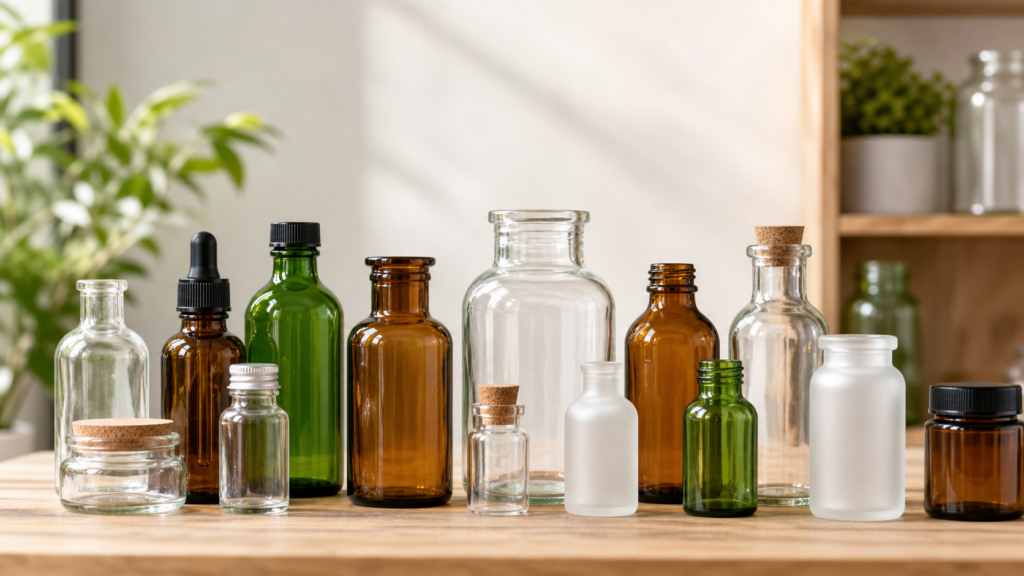
Glass bottles remain one of the most practical and widely used packaging and storage options for beverages, food products, oils, cosmetics, fragrances, medicines, laboratory products, and many household items. Their clean appearance, solid structure, reusable nature, and ability to protect many types of contents make them useful for both personal and commercial purposes. However, choosing the right bottle involves more than simply selecting a shape you like. Size, glass color, neck style, closure type, intended contents, storage conditions, cleaning needs, and handling requirements can all influence which bottle works best.
From small sample containers to large beverage bottles, glass packaging is available in a wide range of designs. Understanding the differences between these options can help you choose a bottle that looks good, performs properly, and suits the product or material you want to store.
What Are Glass Bottles?
Glass bottles are rigid containers manufactured from glass and designed to hold liquids, powders, food items, oils, chemicals, cosmetics, and other materials. They are commonly produced in different sizes, colors, thicknesses, and neck designs.
Most bottles are created by heating raw glass materials until they become molten and then forming the glass into a mold. Once cooled, the bottle becomes hard, smooth, and stable.
One of the main qualities of glass is that it does not easily absorb flavors, odors, or colors from the contents stored inside it. This makes glass particularly useful for products where taste, purity, presentation, or cleanliness matters.
Glass bottles may be manufactured for single-use packaging, refillable systems, decorative purposes, or long-term storage.
Why Glass Bottles Remain Popular
Although plastic, metal, and flexible packaging are widely available, glass continues to be used across many industries.
The popularity of glass comes from a combination of appearance, functionality, and versatility.
A clear bottle allows customers or users to see the contents immediately. Colored glass can offer additional protection from light. Glass also creates a solid, premium feel that works well for products such as oils, beverages, perfumes, sauces, and skincare products.
Another advantage is that glass can often be cleaned and reused when the bottle is designed for repeated use.
For businesses, the shape and appearance of a bottle can also contribute to product presentation without requiring overly complex packaging.
Common Types of Glass Bottles
Not all bottles are designed for the same purpose. Understanding the main types can make the selection process much easier.
Clear Glass Bottles
Clear glass provides maximum visibility.
These bottles are commonly used when displaying the appearance, color, or clarity of the contents is important. They can work well for water, juice, sauces, oils, syrups, decorative products, and many craft applications.
The main consideration with clear bottles is light exposure. Products that are sensitive to sunlight or ultraviolet light may require darker glass or additional protective storage.
Amber Glass Bottles
Amber bottles have a brown or dark golden appearance.
They are often chosen when the contents need greater protection from light. The darker glass can reduce the amount of certain wavelengths of light reaching the product.
Amber bottles are frequently used for essential oils, pharmaceutical preparations, laboratory liquids, extracts, and light-sensitive ingredients.
They also provide a traditional appearance that works well for natural, handmade, or apothecary-style products.
Green Glass Bottles
Green glass is commonly associated with beverages and decorative packaging.
Different shades are available, ranging from pale green to deep forest green.
The color can provide some protection from light while also creating a distinctive visual appearance. Green bottles are often used for mineral water, wine, oils, and specialty beverages.
Frosted Glass Bottles
Frosted bottles have a soft, matte surface rather than a completely transparent finish.
They are particularly popular for cosmetics, skincare products, fragrances, and premium gift packaging.
Frosted glass can reduce visibility of fingerprints and give packaging a clean, modern look.
Colored Decorative Bottles
Blue, black, white, pink, and other decorative colors may also be available.
These bottles are often chosen for branding, home décor, beauty products, candles, fragrance oils, or specialty packaging.
The practical properties depend on the specific glass and coating used, so appearance should not be the only factor considered.
Understanding Bottle Shapes
Bottle shape affects both appearance and functionality.
Round Bottles
Round bottles are among the most common designs.
They are comfortable to hold, easy to manufacture, and suitable for many liquids. They work well for drinks, oils, sauces, syrups, cosmetics, and cleaning products.
Their curved shape also makes them easier to pour from when paired with the correct neck and closure.
Square Bottles
Square bottles create a structured, modern appearance.
Their flat sides can make labeling easier and may help with shelf organization.
However, the exact packaging efficiency depends on bottle dimensions, wall thickness, and transportation requirements.
Boston Round Bottles
Boston round bottles typically have rounded shoulders and a relatively narrow neck.
They are widely used for cosmetics, essential oils, laboratory liquids, herbal products, lotions, and liquid soaps.
Their classic shape works with many types of caps, droppers, pumps, and dispensing closures.
Swing-Top Bottles
Swing-top bottles use a reusable closure mechanism that usually combines a stopper with a wire hinge.
They are commonly used for beverages, homemade drinks, syrups, and decorative kitchen storage.
The closure can be convenient for products that are opened and closed regularly, although the seal and bottle should always be checked for compatibility with the intended contents.
Milk-Style Bottles
Milk-style bottles usually have a simple straight body and wide opening.
They are popular for milk, juice, smoothies, cold beverages, sauces, and decorative storage.
Their wider neck can also make filling and cleaning easier.
Popular Uses for Glass Bottles
One reason glass packaging remains useful is its ability to serve many different purposes.
Beverage Storage
Glass is widely used for water, juice, soft drinks, kombucha, milk, flavored drinks, syrups, and other beverages.
A properly selected bottle can provide a clean drinking experience and attractive presentation.
Businesses should always match the bottle specifications to the filling process, carbonation level, temperature, and sealing method being used.
Oils and Vinegars
Cooking oils, infused oils, olive oil, vinegar, and dressings are often stored in glass.
Dark-colored bottles may be useful for oils that can be affected by prolonged light exposure.
Pouring spouts, narrow necks, or controlled-flow closures can also improve everyday use.
Sauces and Condiments
Hot sauce, barbecue sauce, dressings, marinades, and syrups can all be packaged in suitable glass containers.
The neck opening is particularly important because thicker sauces require enough space to flow properly.
Cosmetics and Skincare
Glass bottles are frequently used for serums, facial oils, toners, lotions, perfumes, and other personal-care products.
Depending on the product, the bottle may be paired with a dropper, pump, sprayer, or screw cap.
The appearance of glass can help create a clean and premium presentation.
Essential Oils
Small amber or dark-colored glass bottles are commonly used for essential oils and concentrated botanical products.
Dropper inserts or controlled-dispensing caps can help users release small amounts at a time.
Home Décor
Empty bottles can be used as vases, decorative containers, candle holders, or display pieces.
Different colors and shapes can complement rustic, modern, vintage, or minimalist interior styles.
Craft Projects
Crafters often use bottles for painted decorations, miniature lights, dried flowers, colored sand, gift containers, and seasonal displays.
Before repurposing a bottle, it should be thoroughly cleaned and inspected for chips or cracks.
Main Benefits of Using Glass Bottles
Choosing glass can offer several practical advantages.
Clean Taste and Odor Resistance
Glass has a smooth, non-porous surface.
It generally does not retain strong flavors or odors as easily as some other packaging materials when cleaned correctly.
This makes it suitable for beverages, oils, sauces, and reusable kitchen storage.
Clear Product Visibility
Transparent glass allows users to see the product inside.
This can be useful when color, consistency, freshness, or remaining quantity matters.
Attractive Appearance
Glass packaging often creates a polished and professional look.
Its weight, shine, transparency, and shape can give everyday products a more premium presentation.
Reusability
Many glass containers can be cleaned and reused if they remain undamaged and are appropriate for repeated use.
Reusable bottles can serve as kitchen containers, drink bottles, storage vessels, craft supplies, or decorative objects.
Recycling Potential
Glass is widely recyclable in many areas.
However, recycling rules vary by location, and not every type of glass should be placed in the same collection system.
Users should follow local recycling instructions.
Variety of Closures
Glass bottles can be paired with many closure systems.
Options include screw caps, corks, swing tops, droppers, pumps, spray heads, dispensing caps, and tamper-evident closures.
This flexibility makes glass useful for many product categories.
How to Choose the Right Glass Bottle
Selecting the best bottle requires careful consideration of what it will hold and how it will be used.
Consider the Contents
Start by identifying the product.
Water has different packaging needs from essential oil. A thick sauce requires a different opening than perfume. A carbonated beverage requires different performance characteristics than a decorative craft bottle.
Always choose packaging designed for the actual application.
Choose the Correct Capacity
Bottle size should match the amount of product you want to store or sell.
Common capacities range from very small sample bottles to large storage containers.
Businesses should also consider whether the selected capacity matches customer expectations, shipping requirements, shelf space, and labeling needs.
Check the Neck Size
Neck size determines which caps and dispensing components will fit.
A narrow neck can provide controlled pouring, while a wider neck can make filling and cleaning easier.
When purchasing bottles and closures separately, both parts must have compatible dimensions and threading.
Select a Suitable Closure
The closure plays an important role in preventing leaks and protecting the contents.
A screw cap may work well for drinks or household liquids, while a dropper may be more suitable for oils or serums.
Pumps and sprayers are useful when controlled dispensing is required.
Consider Light Sensitivity
Some products can change when exposed to light for long periods.
If light protection matters, amber or darker glass may be more appropriate than clear glass.
Even with colored bottles, proper storage conditions remain important.
Think About Filling Temperature
Not every bottle is suitable for hot filling or sudden temperature changes.
If the product will be filled while hot, choose a bottle specifically designed for the required process.
Rapid temperature changes can stress glass and increase the chance of breakage.
Glass Bottle Sizes and Capacities
The right size depends on both practical use and presentation.
Small bottles are commonly used for samples, essential oils, extracts, fragrances, and travel-size products.
Medium bottles are popular for sauces, juices, skincare liquids, oils, and household products.
Large bottles are more suitable for beverages, bulk storage, refills, and larger-volume liquids.
When deciding on capacity, consider headspace as well. Some products require a small amount of empty space between the liquid and the closure.
Filling a bottle beyond its intended level can cause leaks or create problems during transportation.
Closures for Glass Bottles
A bottle is only as useful as its closure.
Screw Caps
Screw caps are easy to use and widely available.
They can be manufactured from metal or plastic and may include liners to improve sealing.
Cork Closures
Corks are commonly used for decorative bottles, specialty beverages, oils, and gift packaging.
The cork size must match the neck accurately to create a secure fit.
Dropper Closures
Droppers allow users to dispense small amounts of liquid.
They are common for facial oils, essential oils, botanical extracts, and laboratory liquids.
Pump Dispensers
Pumps work well for lotions, soaps, skincare products, and some cleaning liquids.
The pump tube length should suit the height of the bottle.
Spray Closures
Sprayers are used for fragrances, mists, cleaning products, and other liquids that need fine distribution.
The liquid viscosity must be compatible with the sprayer mechanism.
How to Clean Glass Bottles Properly
Cleaning is especially important when bottles are being reused.
Start by removing the cap, cork, dropper, or pump.
Rinse the bottle with warm water to remove loose residue.
Use suitable dish soap and a bottle brush when necessary. A narrow bottle may need a long-handled brush to reach the bottom and inner walls.
Rinse thoroughly until no soap remains.
Allow the bottle to dry completely before refilling it.
If a bottle previously contained chemicals, unknown substances, or materials that may leave unsafe residues, it should not automatically be reused for food or beverages.
How to Remove Labels From Bottles
Old labels can often be removed before repurposing glass containers.
Soaking the bottle in warm soapy water may loosen paper labels and many common adhesives.
Gently peel away the label once it softens.
Remaining adhesive can sometimes be removed using a suitable household adhesive remover or another method that is compatible with glass.
Wash the bottle again afterward.
Avoid aggressive scraping with sharp metal tools because they can cause scratches or create a safety hazard.
Safe Storage of Glass Bottles
Glass is durable under normal use, but it can still break.
Store bottles on stable shelves away from edges.
Avoid stacking loose glass containers unless the packaging is designed for stacking.
Keep bottles away from areas where they may be knocked over.
If the contents are sensitive to heat or light, place them in a cool, shaded storage area.
When transporting bottles, use dividers, protective packaging, and cushioning to reduce movement and impact.
Inspect Bottles Before Reuse
Always inspect a reused bottle carefully.
Look around the rim for small chips.
Check the body for cracks, deep scratches, or impact marks.
Run your eyes along the bottom and shoulders of the bottle where damage can sometimes be difficult to notice.
A bottle with visible damage should not be used for food, beverages, pressurized contents, or applications where breakage could cause injury.
Glass Bottles for Business Packaging
Businesses often choose bottles based on both functionality and presentation.
Before placing a large order, consider ordering samples.
Testing samples allows you to check the bottle size, color, closure fit, label area, appearance, handling, and compatibility with your product.
For commercial packaging, businesses may also need to evaluate shipping cartons, protective dividers, filling equipment, closure application, labeling machines, storage space, and inventory requirements.
A visually attractive bottle can be useful, but reliable performance should come first.
Labeling Glass Bottles
Glass provides a smooth surface for many label types.
Before applying a label, ensure the bottle is clean and dry.
Oil, dust, moisture, or fingerprints can reduce adhesion.
Label shape should also suit the bottle. Flat-sided or straight bottles are usually easier to label than strongly curved bottles.
For commercial products, businesses should make sure any required information is displayed clearly and meets relevant packaging requirements for their market.
Glass Bottles for Homemade Products
People commonly use glass containers for homemade sauces, oils, syrups, drinks, extracts, and craft products.
The bottle should always be appropriate for the intended use.
For example, decorative bottles are not automatically suitable for food storage, hot filling, fermentation, or pressure.
If you are making products that involve heating, carbonation, fermentation, or long-term preservation, use containers specifically designed for those processes.
Reusing Glass Bottles Around the Home
Empty bottles can remain useful long after their original contents are gone.
A clean bottle can become a flower vase, kitchen storage container, water bottle, decorative centerpiece, infused-oil container, or craft project.
Small bottles can hold beads, seeds, spices, or decorative materials.
Larger bottles can be used for homemade drinks or pantry organization when they are suitable for food contact and properly cleaned.
Repurposing bottles can also reduce unnecessary household waste.
Common Mistakes to Avoid
Choosing a bottle only because of its appearance is a common mistake.
A beautiful bottle may have the wrong neck, capacity, closure, or glass specification for the intended contents.
Another mistake is assuming that every cap fits every bottle. Neck finishes vary, so closures should be matched carefully.
Reusing damaged bottles is also unsafe. Small chips around the opening can be difficult to notice but may worsen over time.
Sudden temperature changes should be avoided unless the bottle is designed to handle them.
Finally, do not assume that a decorative bottle is automatically suitable for food, beverages, cosmetics, or pressurized liquids.
Glass Bottles vs Plastic Bottles
Both materials have advantages.
Glass offers a rigid structure, strong visual presentation, good odor resistance, and the ability to see the contents when clear glass is used.
Plastic is generally lighter and less likely to shatter if dropped.
Shipping glass can require more protective packaging because it is heavier and breakable.
The better option depends on the product, budget, transport conditions, customer expectations, environmental considerations, and intended use.
Glass Bottles vs Metal Containers
Metal packaging can provide strong protection from light and is often used for beverages, oils, and industrial products.
Glass offers visibility and a different presentation.
Metal containers may be lighter than thick glass in some applications, while glass allows consumers to see the contents when transparent packaging is preferred.
Neither material is universally better. The correct choice depends on product compatibility and packaging requirements.
Tips for Buying Glass Bottles
Before purchasing, decide exactly what the bottles will contain.
Check the capacity and dimensions rather than relying only on photographs.
Confirm the neck finish and closure compatibility.
If appearance is important, compare clear, amber, green, frosted, and other available finishes.
For business orders, calculate how many bottles you need and consider storage space before ordering large quantities.
Testing a small number first can help prevent problems with closure fit, labeling, filling, or presentation.
Also consider how the bottles will be transported. Heavy or unusually shaped bottles may require stronger packaging.
How to Make Glass Bottles Last Longer
Handle glass carefully and avoid unnecessary impacts.
Do not use metal objects aggressively inside bottles during cleaning.
Store reusable bottles where they cannot fall.
Wash them with suitable tools rather than forcing oversized brushes through narrow openings.
Avoid extreme temperature changes.
Inspect bottles regularly, especially if they are frequently washed and reused.
Proper care can help keep reusable bottles clean, attractive, and functional for longer.
Conclusion
Glass bottles offer a practical combination of durability, clean presentation, reusable potential, and wide application across food, beverages, cosmetics, oils, household products, crafts, and commercial packaging. The best bottle is not simply the most attractive option; it should have the right size, neck, closure, glass color, and performance characteristics for its intended contents. By checking compatibility, cleaning bottles correctly, storing them safely, and avoiding damaged containers, both households and businesses can use glass packaging more effectively. Taking time to compare options before buying can also help ensure the chosen bottle performs well while providing the appearance and functionality you need.
Frequently Asked Questions
What are glass bottles commonly used for?
Glass bottles are commonly used for beverages, cooking oils, sauces, cosmetics, essential oils, medicines, laboratory liquids, fragrances, homemade products, storage, crafts, and home décor.
Are glass bottles reusable?
Many glass bottles can be reused if they are designed for repeated use, remain free from cracks or chips, and are cleaned properly before refilling.
What is the difference between clear and amber glass bottles?
Clear bottles provide maximum visibility, while amber glass can reduce exposure to certain types of light. Amber bottles are often used for light-sensitive products such as essential oils and extracts.
How do I choose the right size glass bottle?
Choose a size based on the amount of product you need to store, the required headspace, shelf space, customer needs, shipping requirements, and how quickly the contents will be used.
Can all glass bottles be used for hot liquids?
No. Not every glass bottle is designed for hot filling or rapid temperature changes. Use containers specifically rated for the temperature and process involved.
How should glass bottles be cleaned before reuse?
Rinse them, wash with warm water and suitable dish soap, use a bottle brush when necessary, rinse thoroughly, and allow them to dry completely before refilling.
What closures can be used with glass bottles?
Common options include screw caps, corks, droppers, pumps, sprayers, dispensing caps, and swing-top closures. The closure must match the bottle’s neck size and design.
What should I check before buying glass bottles in bulk?
Check the bottle dimensions, capacity, color, neck finish, closure compatibility, intended use, labeling area, shipping requirements, and storage needs. Testing samples before a larger purchase can also help identify potential issues.