
Professional pressure cleaning in Eastern Suburbs can help homeowners, landlords, strata managers, and businesses improve the appearance of outdoor surfaces without immediately turning to costly...
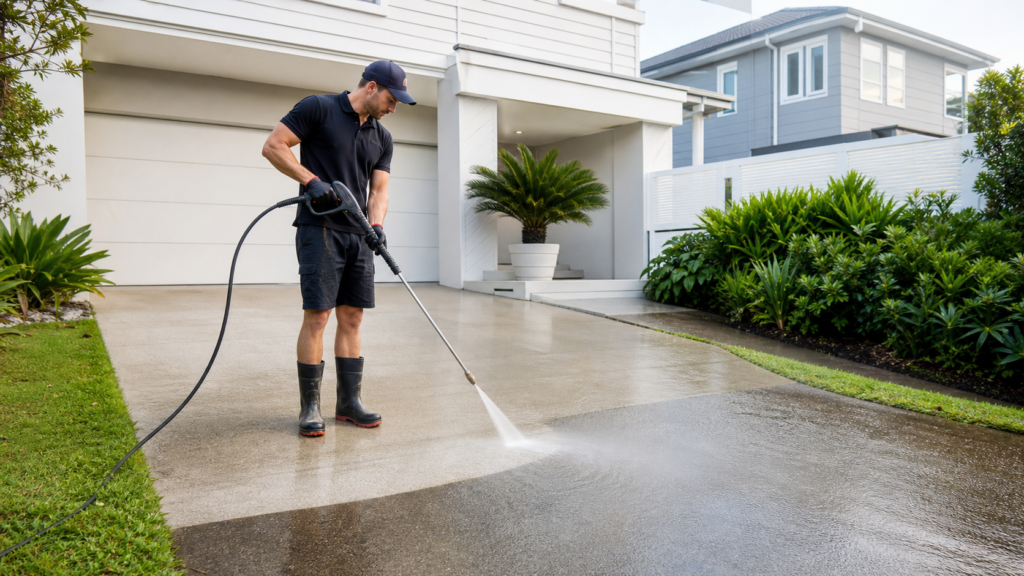
Professional pressure cleaning in Eastern Suburbs can help homeowners, landlords, strata managers, and businesses improve the appearance of outdoor surfaces without immediately turning to costly replacement or major restoration work. Driveways, pathways, walls, patios, fences, and other exterior areas naturally collect dirt, grime, organic growth, traffic marks, and weather-related staining over time. Proper pressure cleaning can remove much of this build-up and make a property look fresher, cleaner, and better maintained.
Exterior surfaces in coastal and suburban environments often need regular attention.
Wind, rain, shade, salt exposure, foot traffic, vehicle use, leaves, and general pollution can all affect how quickly a surface becomes dirty.
The problem is not always simply cosmetic.
Organic build-up can make some areas slippery, while accumulated grime may make a property appear neglected even when the building itself is in good condition.
Pressure cleaning provides a practical way to maintain these areas, but good results depend on selecting the correct pressure, equipment, detergent, and technique for each material.
This guide explains how pressure cleaning works, where it can be used, why professional technique matters, what property owners should expect, and how to maintain surfaces after cleaning.
What Is Pressure Cleaning?
Pressure cleaning uses water delivered at controlled pressure to remove unwanted material from exterior surfaces.
The equipment is more powerful than a standard garden hose.
Depending on the surface and type of contamination, a technician may adjust pressure, water flow, spray angle, and cleaning products.
Pressure cleaning can help remove:
- Dirt
- Surface grime
- Mould
- Mildew
- Algae
- Moss
- Dust
- Mud
- Light oil marks
- Traffic residue
- Organic build-up
- Some weather stains
The process is commonly used on hard outdoor surfaces.
However, not every surface should receive the same treatment.
A concrete driveway may tolerate significantly more pressure than painted timber, delicate render, or older masonry.
Professional cleaning therefore involves more than simply using the strongest setting available.
Why Properties in the Eastern Suburbs Need Exterior Cleaning
Properties in the Eastern Suburbs can experience a combination of coastal exposure, shaded outdoor areas, heavy traffic, mature gardens, and changing weather.
These conditions can contribute to visible surface build-up.
Coastal Air and Salt
Properties closer to the coast may experience airborne salt and moisture.
Over time, this can contribute to a dull or dirty appearance on walls, glass surroundings, paving, and other outdoor surfaces.
Regular exterior cleaning can help reduce accumulated residue.
Moisture and Shaded Areas
Areas that receive limited sunlight tend to stay damp longer.
This creates conditions where algae, moss, or mould may become more noticeable.
Common problem areas include:
- Side pathways
- Retaining walls
- Courtyards
- Pool surroundings
- Shaded driveways
- Garden steps
Cleaning these areas can improve both appearance and practical usability.
Traffic and Pollution
Busy urban and suburban roads can contribute dust, vehicle residue, and general airborne pollution.
Front walls, driveways, fences, and entry paths may gradually darken.
Because this happens slowly, property owners sometimes do not notice the change until a section is cleaned.
Garden Debris
Leaves, berries, soil, mulch, and plant material can leave stains on pavers and concrete.
Regular cleaning may prevent heavy accumulation from becoming more difficult to remove.
Benefits of Pressure Cleaning
Pressure cleaning can provide several practical benefits when performed correctly.
Improves Street Appeal
Exterior surfaces influence the first impression of a property.
A clean driveway, entry path, patio, or wall can make the entire home appear better maintained.
This can be useful before:
- Selling
- Leasing
- Property inspections
- Open homes
- Renovation
- Special events
Even without a sale or renovation planned, cleaning can improve everyday presentation.
Helps Restore Surface Appearance
Outdoor materials naturally lose their fresh appearance as dirt accumulates.
Pressure cleaning can often reveal the original colour underneath surface grime.
Concrete may look lighter.
Pavers may show more definition.
Walls and pathways may appear noticeably fresher.
The goal is not to make old materials look brand new, but to remove build-up that hides their natural appearance.
Can Improve Safety on Some Surfaces
Algae and moss may become slippery when wet.
This can be a concern on paths, stairs, pool surrounds, and shaded paving.
Removing surface growth can help improve traction.
However, cleaning does not replace repairs when surfaces are cracked, uneven, or structurally unsafe.
Supports Routine Property Maintenance
Regular cleaning can make property care easier.
Heavy build-up is usually more difficult to remove than light contamination.
Routine maintenance may reduce the need for more aggressive cleaning later.
It can also help property owners notice other issues, such as damaged paving, loose grout, cracking, or drainage problems.
Prepares Surfaces for Painting or Sealing
A dirty surface should not generally be painted, coated, or sealed without proper preparation.
Pressure cleaning may help prepare certain surfaces by removing dirt, loose residue, and surface contamination.
The material must still be allowed to dry properly before additional work begins.
Common Surfaces Suitable for Pressure Cleaning
Pressure cleaning can be used across many parts of a property.
The correct technique depends on the material.
Concrete Driveways
Driveways are among the most common areas cleaned.
They collect:
- Tyre marks
- Dirt
- Dust
- Oil residue
- Leaves
- Soil
- Organic growth
Concrete is durable, but incorrect technique can still create visible marks.
A consistent cleaning pattern helps avoid streaks.
Paths and Walkways
Paths often become dirty gradually.
Because people walk across them daily, grime may be spread across the surface.
Shaded walkways can also develop green organic growth.
Pressure cleaning can make these areas look brighter and more defined.
Pavers
Pavers can respond well to cleaning, but care is required around joints.
Excessive pressure may remove jointing sand.
After cleaning, some paved areas may need re-sanding.
The exact process depends on the paving system.
Patios and Courtyards
Outdoor entertaining spaces can collect food marks, dirt, dust, leaves, and weather-related build-up.
Cleaning these areas can improve presentation before regular use, events, or warmer seasons.
Retaining Walls
Retaining walls often collect soil residue, moisture staining, algae, and general dirt.
The material should be assessed before cleaning.
Concrete blocks, brick, stone, and rendered surfaces may require different methods.
Exterior Walls
Some exterior walls can be pressure cleaned, but high pressure is not always appropriate.
Painted surfaces, older render, and delicate finishes may require softer methods.
Professional assessment is important because excessive pressure can damage coatings.
Fences
Certain metal, masonry, and timber fences may be cleaned.
Timber requires particular care because strong pressure can damage the grain.
A lower-pressure method may be more appropriate.
Pool Surrounds
Pool areas often develop dirt, sunscreen residue, moisture build-up, and organic growth.
Cleaning can improve appearance.
Care must be taken around delicate tiles, grout, coping, and drainage areas.
Stairs and Entries
Front steps and entry areas create a strong first impression.
Cleaning these spaces can make a property feel more welcoming.
Because steps can become slippery, maintenance is also important from a safety perspective.
Pressure Cleaning vs Soft Washing
These two methods are related but different.
Pressure Cleaning
Pressure cleaning relies more heavily on water pressure.
It is generally better suited to durable hard surfaces such as:
- Concrete
- Some masonry
- Certain pavers
- Hard outdoor flooring
The pressure is still adjusted to suit the material.
Soft Washing
Soft washing uses lower water pressure combined with appropriate cleaning solutions.
It may be more suitable for:
- Painted walls
- Roof areas
- Render
- Delicate exterior finishes
- Certain cladding
The cleaning solution does more of the work.
A professional exterior cleaner may use pressure cleaning in one area and soft washing in another.
Choosing the method based on the surface is more important than applying one technique everywhere.
Why Excessive Pressure Can Cause Damage
More pressure does not automatically create a better result.
Incorrect use of pressure washing equipment can damage surfaces.
Possible problems include:
- Etched concrete
- Damaged paint
- Splintered timber
- Loose mortar
- Removed jointing sand
- Water entering gaps
- Damaged sealants
- Visible cleaning lines
Older materials can be particularly vulnerable.
Before cleaning, a technician should assess condition, age, coating, previous repairs, and surface type.
This allows the cleaning method to be adjusted.
How Professional Pressure Cleaning Works
A professional cleaning process usually involves several stages.
Step 1: Surface Assessment
The cleaner first identifies:
- Surface material
- Condition
- Type of stain
- Access
- Drainage
- Nearby plants
- Sensitive areas
- Existing damage
This helps determine the right equipment and technique.
Step 2: Area Preparation
Furniture, lightweight items, hoses, toys, and other objects may need to be moved.
Nearby doors and windows should be checked.
Sensitive areas may need protection.
Good preparation reduces the chance of overspray affecting other parts of the property.
Step 3: Pre-Treatment
Some stains need more than water.
A suitable cleaning solution may be applied first to help loosen:
- Organic growth
- Grease
- General grime
- Deep surface dirt
The correct product depends on the material and contamination.
Step 4: Controlled Cleaning
The technician cleans the area using an appropriate pressure level.
For large flat surfaces, specialised surface-cleaning equipment may be used.
This can provide a more even finish than cleaning everything with a narrow spray lance.
Step 5: Rinsing
The area is rinsed to remove loosened dirt and cleaning residue.
Good rinsing is especially important where cleaning products have been used.
Step 6: Final Inspection
The cleaned surface is reviewed.
Some stubborn stains may need additional treatment.
It is also useful to identify areas where permanent discolouration remains.
Pressure cleaning can remove surface contamination, but it cannot always reverse staining that has penetrated the material.
What Stains Can Pressure Cleaning Remove?
Results vary depending on the surface and how long the stain has been present.
Dirt and Mud
General dirt usually responds well.
Mud is easier to remove when it has not been allowed to repeatedly dry and compact.
Algae and Moss
Organic growth can often be removed effectively with the correct cleaning approach.
Pre-treatment may improve results.
Mould
Surface mould may respond to appropriate cleaning.
However, ongoing moisture problems should also be addressed.
If the underlying area remains damp, mould may return.
Tyre Marks
Some tyre marks can be reduced or removed from concrete.
Older or heavily embedded marks may be more difficult.
Oil Stains
Oil can be challenging.
Fresh stains generally offer a better chance of improvement than old stains that have penetrated porous concrete.
Specialised degreasers may be required.
Complete removal is not always possible.
Rust Marks
Rust can be difficult to remove with water pressure alone.
A specialised treatment may be necessary.
Care must be taken because some chemicals can affect surface colour.
Tannin and Leaf Stains
Leaves and plant material can leave brown or dark marks.
These may require targeted treatment.
Results depend on how deeply the stain has penetrated.
Pressure Cleaning for Residential Properties
Homeowners commonly use exterior cleaning as part of general property maintenance.
Useful areas to clean may include:
- Driveways
- Front paths
- Courtyards
- Balconies
- Pool surrounds
- Garden walls
- Side access
- Outdoor stairs
A clean exterior can make the property feel more pleasant without major renovation.
For larger homes, cleaning may be planned in stages.
This can help manage cost and disruption.
Pressure Cleaning for Rental Properties
Landlords and property managers may use pressure cleaning between tenancies or as part of scheduled maintenance.
Common priorities include:
- Entryways
- Driveways
- Shared paths
- Courtyards
- Exterior walls
A cleaner exterior can improve presentation for prospective tenants.
It can also help maintain shared areas in multi-unit properties.
Pressure Cleaning for Strata Properties
Strata properties often include common outdoor areas that receive frequent use.
These may include:
- Pathways
- Garbage areas
- Car parks
- Entry zones
- Courtyards
- Common walls
- Stairs
Cleaning schedules may be useful where high foot traffic causes rapid build-up.
Strata managers should also consider access, resident communication, drainage, and working hours.
Pressure Cleaning for Commercial Properties
Businesses depend heavily on presentation.
A dirty entrance or walkway can create a poor first impression.
Commercial cleaning may cover:
- Shopfront paths
- Loading areas
- Car parks
- Building entries
- Outdoor dining spaces
- Service areas
Cleaning may be scheduled outside normal business hours to reduce disruption.
How Often Should Pressure Cleaning Be Done?
There is no fixed schedule for every property.
Frequency depends on:
- Shade
- Tree coverage
- Coastal exposure
- Traffic
- Surface type
- Drainage
- Property use
- Weather
Some areas may only need occasional cleaning.
Others may benefit from annual or more frequent maintenance.
A heavily shaded path may develop organic growth faster than a sunny driveway.
The best approach is to inspect surfaces regularly rather than follow a rigid timetable.
Best Time of Year for Pressure Cleaning
Pressure cleaning can be performed during different seasons, but weather affects the process.
Dry or mild conditions are often convenient because surfaces can dry more predictably.
Cleaning before spring or summer may also help prepare outdoor entertaining areas.
Property owners may also schedule cleaning before:
- Selling
- Painting
- Sealing
- Leasing
- Major events
The exact timing should depend on the property’s needs.
Preparing Your Property Before Pressure Cleaning
Simple preparation can make the service more efficient.
Move Loose Items
Remove:
- Outdoor furniture
- Plant pots
- Children’s toys
- Garden tools
- Bicycles
- Portable decorations
This gives the cleaner better access.
Close Doors and Windows
Water spray can travel further than expected.
Make sure doors, windows, and external openings are properly closed.
Move Vehicles
Vehicles should be moved away from the cleaning area.
This provides space and avoids unnecessary overspray.
Identify Delicate Areas
Tell the technician about:
- Loose paint
- Cracked tiles
- Damaged grout
- Old render
- Fragile plants
- Electrical areas
This information helps reduce accidental damage.
Check Drainage
Blocked drains can create problems when large amounts of water are used.
Good drainage helps the process run smoothly.
DIY vs Professional Pressure Cleaning
Property owners sometimes consider hiring or buying a pressure washer.
DIY cleaning can work for simple tasks, but there are limitations.
Advantages of DIY Cleaning
DIY may be suitable for:
- Small areas
- Light dirt
- Durable surfaces
- Basic maintenance
It can reduce labour costs.
Risks of DIY Cleaning
Common mistakes include:
- Using too much pressure
- Holding the nozzle too close
- Cleaning unevenly
- Damaging paint
- Removing sand from pavers
- Directing water into gaps
- Using unsuitable chemicals
Professional equipment may also deliver more consistent water flow and cleaning performance.
For large, delicate, or heavily stained areas, professional cleaning may be more appropriate.
How to Choose a Pressure Cleaning Service
Choosing the right provider can affect both result and surface protection.
Look for Relevant Experience
A company should understand different exterior materials.
Experience with local property types can also be useful.
Ask About Cleaning Methods
A good cleaner should be able to explain why a certain pressure or method is suitable.
Be cautious if the same maximum-pressure approach is recommended for every surface.
Ask About Insurance
Appropriate business insurance can provide additional reassurance.
Discuss Stain Expectations
Not every stain can be completely removed.
A reliable provider should explain realistic expectations before starting.
Ask About Chemicals
If cleaning products are required, ask what they are intended to treat.
This is particularly important around gardens, pools, painted surfaces, and pets.
Compare Scope, Not Just Price
The lowest quote may not include the same level of preparation, pre-treatment, or final rinsing.
Compare what is actually included.
Common Pressure Cleaning Mistakes
Several mistakes can reduce quality or cause damage.
Using Maximum Pressure Everywhere
This is one of the most common problems.
Strong pressure is not suitable for every surface.
Ignoring Pre-Treatment
Some stains need chemical treatment before washing.
Pressure alone may not produce the best result.
Cleaning Too Close to the Surface
Holding the nozzle too close can etch or damage materials.
Working in an Uneven Pattern
Poor technique can leave visible lines.
Ignoring Drainage
Dirty water needs somewhere to go.
Blocked drainage can create mess and inconvenience.
Expecting Every Stain to Disappear
Pressure cleaning removes contamination.
It cannot repair permanent discolouration, damaged concrete, faded paint, or structural defects.
Pressure Cleaning Before Selling a Property
Exterior cleaning can be a relatively simple way to improve presentation before listing.
Potential buyers often notice:
- Driveway condition
- Front paths
- Entry areas
- Courtyards
- Walls
- Outdoor entertaining spaces
Cleaning these areas can make property photos look clearer and more appealing.
However, pressure cleaning should support broader property maintenance rather than hide defects.
Cracks, drainage problems, or structural issues should still be addressed separately.
Pressure Cleaning Before Painting
Surface preparation is important before exterior painting.
Dirt, mould, chalky residue, and loose material can affect paint adhesion.
Pressure cleaning may form part of preparation.
However, the wall must be suitable for pressure washing.
After cleaning, enough drying time should be allowed before painting begins.
Pressure Cleaning Before Sealing
Pavers and concrete may sometimes be sealed after cleaning.
The surface should be thoroughly clean and dry.
Sealing over dirt or moisture can create poor results.
If sealing is planned, coordinate the cleaning and sealing schedule carefully.
How to Keep Surfaces Cleaner After Pressure Washing
Cleaning is only one part of maintenance.
A few habits can help surfaces remain cleaner.
Sweep Regularly
Removing leaves and loose dirt reduces staining.
Improve Drainage
Standing water encourages organic growth.
Address drainage problems where practical.
Trim Overhanging Plants
Dense vegetation can create shade and hold moisture against surfaces.
Regular trimming may improve airflow.
Treat New Stains Quickly
Fresh oil, food, or plant stains are often easier to address than old ones.
Consider Appropriate Sealing
Some porous surfaces may benefit from a suitable sealer.
A professional should assess whether sealing is appropriate.
Why Readability and Surface Care Matter in Property Maintenance
Property maintenance works best when homeowners understand what a service can and cannot do.
Pressure cleaning can significantly improve appearance, but it is not a substitute for repairs.
A cracked driveway remains cracked after cleaning.
Loose render remains structurally weak.
Faded paint may still need repainting.
A realistic maintenance plan combines cleaning with repair, drainage, sealing, painting, and replacement when necessary.
This approach helps property owners spend money more effectively.
Is Pressure Cleaning Worth It?
For many properties, yes.
Pressure cleaning can provide a noticeable visual improvement without major building work.
It is particularly useful when exterior surfaces are structurally sound but covered with dirt, grime, or organic growth.
It may be less useful when the main problem is:
- Severe cracking
- Surface failure
- Loose paint
- Structural damage
- Deep permanent staining
In these situations, cleaning may still be part of preparation, but additional repairs may be needed.
The best results come from matching the service to the actual condition of the property.
Conclusion
Professional pressure cleaning in Eastern Suburbs can be an effective way to refresh driveways, pathways, courtyards, walls, pool surrounds, and other exterior areas affected by dirt, mould, algae, grime, and weather exposure. The most important factor is using the right cleaning method for each surface rather than relying on excessive pressure. Property owners can achieve better, longer-lasting results by combining regular cleaning with sensible maintenance, drainage improvements, timely repairs, and appropriate sealing where suitable. Whether preparing a property for sale, improving everyday presentation, or maintaining a commercial or strata building, careful pressure cleaning can support a cleaner and better-presented exterior.
Frequently Asked Questions
What is pressure cleaning in Eastern Suburbs used for?
Pressure cleaning in Eastern Suburbs is commonly used to remove dirt, grime, mould, algae, moss, traffic residue, and other surface build-up from outdoor areas such as driveways, paths, patios, walls, and pool surrounds.
Can pressure cleaning damage concrete?
Concrete is durable, but excessive pressure or poor technique can leave marks or damage the surface. The equipment should be adjusted to suit the age and condition of the concrete.
How often should I pressure clean my property?
There is no fixed schedule. Some properties may need cleaning once a year, while shaded, high-traffic, or coastal areas may require more frequent attention.
Can pressure cleaning remove oil stains?
Pressure cleaning may improve some oil stains, especially when combined with appropriate degreasing treatment. Older stains that have penetrated porous concrete may not disappear completely.
Is pressure cleaning suitable for painted walls?
Sometimes, but painted or delicate walls often require lower pressure or soft washing. The surface should be inspected before cleaning to avoid damaging paint.
What is the difference between pressure cleaning and soft washing?
Pressure cleaning uses stronger water pressure and suits durable hard surfaces. Soft washing uses lower pressure with cleaning solutions and is often better for more delicate exterior materials.
Should I pressure clean before painting?
Cleaning can help prepare suitable exterior surfaces by removing dirt and loose contamination. The surface must then dry properly before painting begins.
Is professional pressure cleaning better than DIY?
DIY cleaning can work for small, durable areas, but professional cleaning may be safer for large spaces, delicate materials, stubborn stains, or properties where consistent results are important.