
An industrial emergency intercom is a heavy-duty communication system specifically engineered for harsh industrial environments. These systems allow workers to instantly call for help, report...
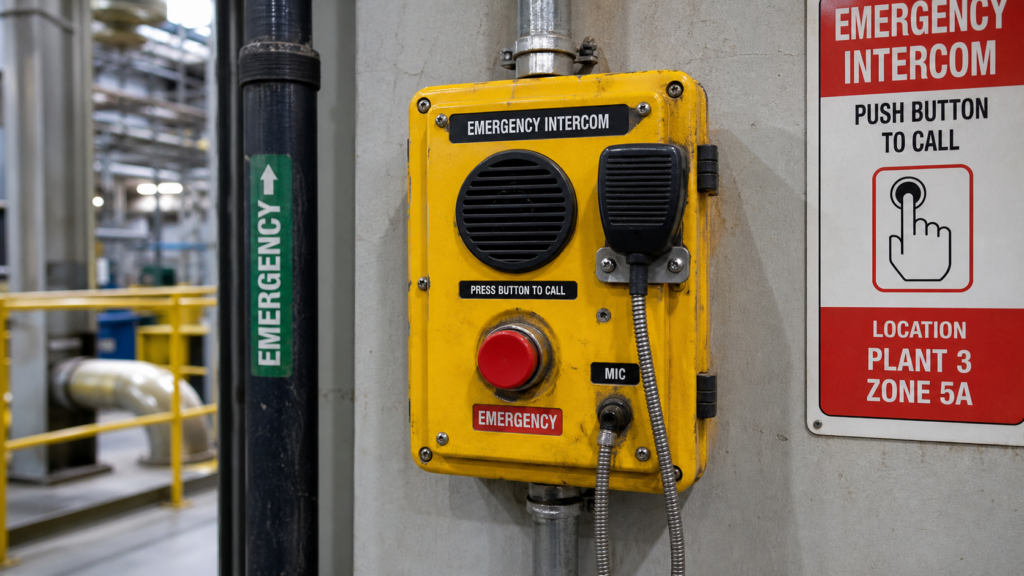
An industrial emergency intercom is a heavy-duty communication system specifically engineered for harsh industrial environments. These systems allow workers to instantly call for help, report emergencies, request instructions, or coordinate responses during critical situations such as chemical spills, fires, equipment failures, or medical emergencies. Unlike standard intercoms, industrial emergency intercoms are built to withstand extreme temperatures, moisture, dust, corrosive chemicals, and potentially explosive atmospheres.
Why Industrial Emergency Intercoms Are Essential
In industrial facilities, quick and clear communication can prevent minor incidents from escalating into major disasters. An industrial emergency intercom provides a direct line between workers in the field and control rooms or safety teams. These systems are often integrated with plant-wide alarm systems, PA announcements, and emergency shutdown procedures to ensure fast, coordinated responses.
7 Critical Features of Industrial Emergency Intercom Systems
- Rugged, Weatherproof Construction
Designed with NEMA 4X or IP66-rated enclosures to survive dust, water, and corrosive environments. - Hands-Free Operation
Large, glove-friendly emergency buttons allow workers to call for help without removing PPE. - High-Volume Audio Output
Powerful speakers cut through loud machinery noise, ensuring messages are clearly heard. - Hazardous Area Certification
Explosion-proof and intrinsically safe models are available for Class I, Division 1 & 2 environments. - Two-Way Communication
Allows both calling for assistance and receiving instructions from supervisors. - Backup Power Compatibility
Works during power outages when connected to emergency backup systems. - System Integration
Can connect with fire alarms, gas detection systems, and plant-wide paging.
Common Applications
Industrial emergency intercoms are widely used in:
- Chemical and petrochemical plants
- Oil & gas facilities and refineries
- Manufacturing and assembly plants
- Warehouses and distribution centers
- Mining operations
- Power generation facilities
- Food processing plants
- Marine terminals and shipyards
Compliance and Certification Standards
Quality industrial emergency intercom systems typically meet or exceed:
- UL, CSA, and ATEX certifications
- IECEx standards for explosive atmospheres
- OSHA and NFPA safety requirements
- NEMA and IP ratings for environmental protection
Always verify that the system meets the specific classification requirements of your facility.
How to Choose the Right Industrial Emergency Intercom
When selecting a system, consider:
- Area classification (hazardous vs non-hazardous)
- Number of stations and coverage needed
- Integration with existing alarm and communication systems
- Environmental conditions (temperature extremes, corrosive chemicals, dust)
- Need for hands-free or headset operation
- Monitoring, recording, and reporting capabilities
Working with an experienced industrial communication provider ensures proper system design, installation, and long-term reliability.
Installation and Maintenance Best Practices
Strategic placement is crucial. Units should be installed at entrances/exits, near hazardous processes, control rooms, and high-risk workstations. Regular testing (at least monthly) and annual professional inspections are necessary to guarantee the system will function during a real emergency.
Frequently Asked Questions
What is an industrial emergency intercom?
It is a rugged, purpose-built communication system designed to provide instant voice contact during emergencies in industrial and hazardous environments.
Are these systems explosion-proof?
Many models are certified explosion-proof or intrinsically safe for use in flammable gas or combustible dust environments.
How loud are industrial emergency intercoms?
Most systems are designed to overcome high ambient noise, with output levels typically ranging from 100 to 120 decibels.
Can these systems integrate with existing plant alarms?
Yes. Modern industrial emergency intercoms can be fully integrated with fire alarms, gas detection, and plant-wide notification systems.
How much do industrial emergency intercom systems cost?
Costs vary significantly. A basic multi-station system may start around $5,000–$12,000, while large hazardous-area installations can exceed $50,000.
How often should these systems be tested?
Monthly functional testing is recommended, with full professional inspection and maintenance performed at least annually.
Conclusion
A properly designed and maintained industrial emergency intercom system is a critical component of any comprehensive industrial safety program. By providing instant, reliable communication during emergencies, these rugged systems help protect workers, reduce response times, and minimize potential damage. When selecting and installing an industrial emergency intercom, prioritize certified equipment, professional system design, regular testing, and seamless integration with your overall emergency response plan. Investing in quality industrial emergency intercoms demonstrates a serious commitment to workplace safety and regulatory compliance.