
Electronic soldering tools are fundamental for anyone involved in electronics repair, circuit board assembly, prototyping, or hobbyist projects. From basic soldering irons to advanced temperature-controlled...
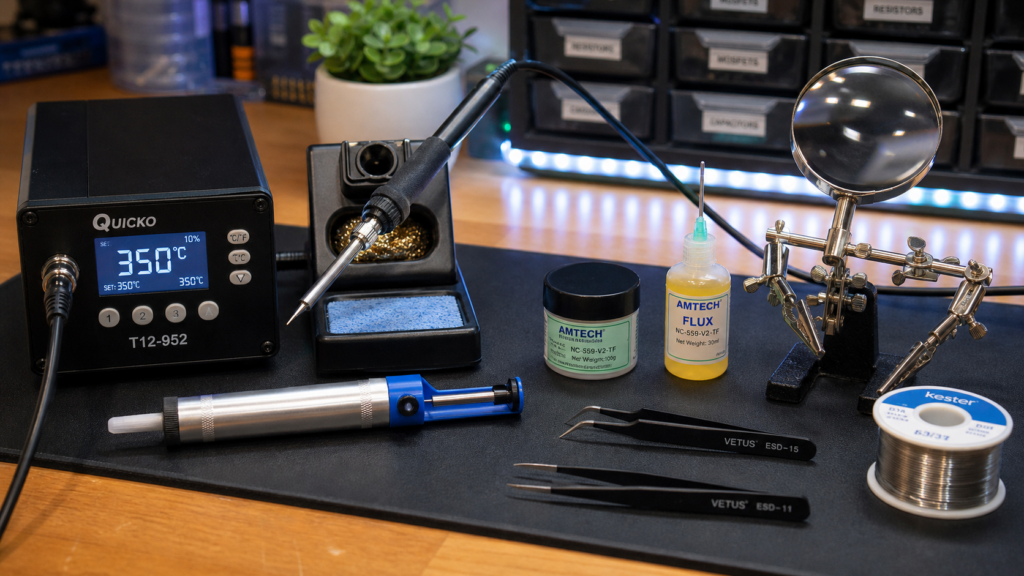
Electronic soldering tools are fundamental for anyone involved in electronics repair, circuit board assembly, prototyping, or hobbyist projects. From basic soldering irons to advanced temperature-controlled stations, the quality of your tools directly affects joint reliability, component safety, and overall workmanship. Using the right electronic soldering tools helps prevent cold joints, lifted pads, and damaged components while making the soldering process faster and more consistent.
Why Quality Electronic Soldering Tools Matter
Cheap or poorly designed tools often have unstable temperature control, slow heat recovery, and uncomfortable handles. These shortcomings lead to frustration, poor solder joints, and potential damage to sensitive electronic components. Professional-grade electronic soldering tools maintain precise temperature, recover heat quickly, and offer ergonomic designs that reduce hand fatigue during extended use.
7 Must-Have Electronic Soldering Tools
Here’s a breakdown of the essential tools every electronics workbench should include:
- Temperature-Controlled Soldering Station
The most important tool. Look for models with accurate digital temperature control (300–450°C), rapid heat-up, and fast thermal recovery. Hakko, Weller, and Pace are among the most trusted brands. - High-Quality Soldering Iron Tips
Different tip shapes serve different purposes. Conical tips are good for fine work, while chisel tips excel at larger joints. Always keep multiple sizes and replace tips when they degrade. - Rosin Core Solder Wire
For most electronic work, 60/40 or 63/37 tin-lead solder in 0.6mm–1.0mm diameter is ideal. Lead-free solder is required in some professional or regulated environments. - Flux
Flux removes oxidation and improves solder flow. A flux pen or syringe is highly convenient for precise application during rework and surface-mount soldering. - Desoldering Tools
A quality solder sucker (desoldering pump) or desoldering wick (braid) is essential for removing components cleanly and correcting mistakes. - Helping Hands / Third-Hand Tool
A stable stand with adjustable alligator clips holds circuit boards and small parts securely while soldering. - Precision Support Tools
ESD-safe tweezers, flush cutters, magnifying lamp or microscope, and an anti-static mat complete a professional setup.
Soldering Station vs Basic Soldering Iron
A basic pencil-style soldering iron is acceptable for very simple tasks. However, a proper temperature-controlled soldering station is strongly recommended for serious electronic work. Stations offer stable temperature, quicker recovery after each joint, interchangeable tips, and better safety features.
Best Practices for Using Electronic Soldering Tools
- Work in a well-ventilated area or use a fume extractor.
- Keep the soldering iron tip clean using a damp sponge or brass tip cleaner.
- Heat the pad and component lead first, then feed solder into the joint.
- Use the correct temperature — typically 320–380°C for most electronic soldering.
- Avoid excessive heat on sensitive components.
- Clean and tin your iron tip before storing it.
How to Choose Electronic Soldering Tools
When purchasing, prioritize:
- Accurate and stable temperature control
- Fast thermal recovery
- Comfortable, lightweight iron handle
- Wide selection of available tips
- ESD-safe design for sensitive components
- Strong manufacturer support and warranty
For beginners, a mid-range station in the $80–$180 range usually offers the best balance of performance and value.
Frequently Asked Questions
What is the best soldering station for beginners?
The Hakko FX-888D or a similar temperature-controlled station is widely recommended for both beginners and experienced users due to its reliability and ease of use.
What temperature should I use for soldering electronics?
Most electronic soldering is done between 320°C and 380°C. Start at 350°C and adjust based on the size of the component and board.
Is lead-free solder harder to use?
Yes. Lead-free solder requires higher temperatures and more skill. Many technicians still prefer traditional 60/40 leaded solder for prototyping and repair work.
How often should soldering iron tips be replaced?
Replace tips when they become pitted, lose their shiny plating, or no longer hold solder well. With daily use, tips typically last 3 to 12 months.
Do I need a fume extractor?
Yes. Solder fumes contain harmful chemicals. A fume extractor or good ventilation significantly improves long-term safety.
What is the difference between a soldering iron and a soldering station?
A soldering iron is a simple heated tool. A soldering station includes a control unit that provides stable temperature regulation, usually delivering better performance and safety.
Conclusion
High-quality electronic soldering tools are a worthwhile investment for anyone serious about electronics work. A good temperature-controlled soldering station combined with proper accessories, flux, and technique will dramatically improve your results and reduce frustration. Whether you are repairing devices, building prototypes, or pursuing electronics as a hobby, having the right tools allows you to work with confidence and achieve professional-quality solder joints. Start with a reliable soldering station and gradually build a complete set of supporting tools as your skills and needs grow.