
Industrial lifting and rigging equipment includes all tools and hardware used to safely lift, move, and secure heavy loads in manufacturing plants, construction sites, warehouses,...
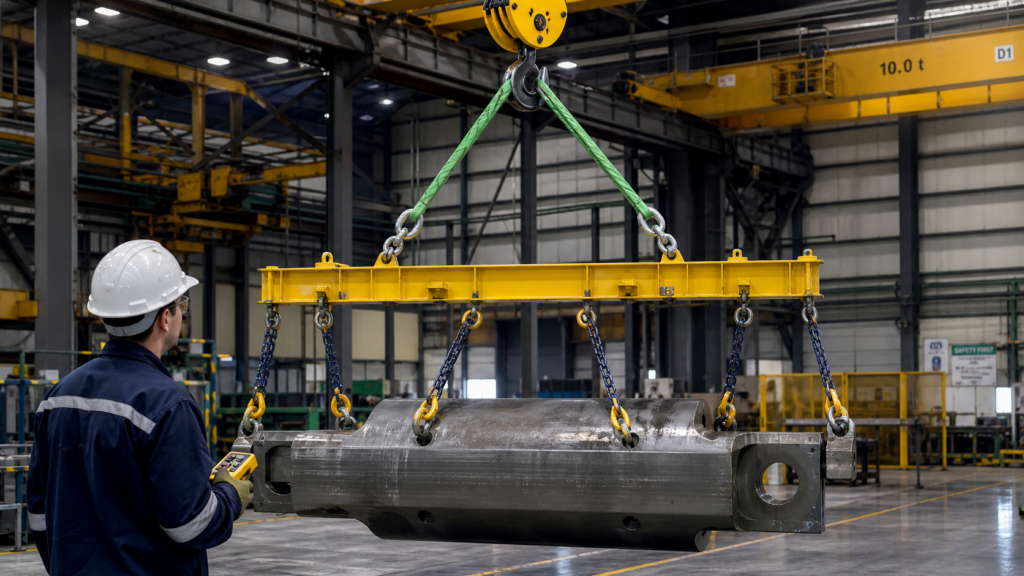
Industrial lifting and rigging equipment includes all tools and hardware used to safely lift, move, and secure heavy loads in manufacturing plants, construction sites, warehouses, shipyards, and energy facilities. This category covers slings, shackles, hoists, cranes, lifting beams, and associated hardware. Proper selection, inspection, use, and maintenance of industrial lifting and rigging equipment is critical for preventing accidents, protecting workers, and maintaining regulatory compliance.
Why Industrial Lifting and Rigging Safety Is Critical
Lifting and rigging incidents remain one of the leading causes of serious injuries and fatalities in industrial environments. Failed rigging can result in dropped loads, equipment damage, production downtime, and significant liability. Using the correct equipment, maintaining it properly, and following established procedures dramatically reduces these risks.
Essential Types of Industrial Lifting and Rigging Equipment
- Synthetic Slings (Nylon, Polyester, Dyneema)
Lightweight, flexible, and gentle on loads. Excellent for regular industrial lifting. - Alloy Chain Slings
Extremely strong and heat-resistant. Ideal for harsh environments and high-temperature applications. - Wire Rope Slings
High strength and abrasion resistance. Commonly used in heavy construction and steel handling. - Shackles
Includes bow shackles, D-shackles, and specialty rigging hardware with clearly marked Working Load Limits (WLL). - Hoists and Chain Blocks
Manual or powered devices for precise vertical lifting. - Lifting Beams and Spreader Bars
Used to distribute weight evenly and control load orientation. - Overhead Cranes and Trolleys
Permanent or portable systems for moving heavy loads across large areas.
Critical Safety Standards and Regulations
All industrial lifting and rigging equipment must comply with:
- ASME B30 Series (B30.9 Slings, B30.26 Rigging Hardware, B30.10 Hooks, etc.)
- OSHA 1910.184 and 1926.251
- Manufacturer’s rated Working Load Limit (WLL)
- Regular documented inspection requirements
Equipment must be clearly marked with capacity, serial number, and inspection status.
7 Essential Best Practices
- Never exceed the Working Load Limit (WLL) of any component.
- Perform daily visual inspections before each use.
- Use correct sling angles — capacity decreases significantly as the angle increases.
- Avoid shock loading and sudden movements.
- Maintain clear communication using standardized hand signals or radio.
- Store equipment properly — protect from UV, chemicals, and sharp edges.
- Keep detailed inspection records for every piece of rigging hardware.
Choosing the Right Industrial Lifting and Rigging Equipment
Selection should be based on:
- Load weight and dimensions
- Environmental conditions (temperature, chemicals, UV exposure)
- Frequency of use
- Required reach and lifting height
- Industry-specific regulatory requirements
Working with a reputable supplier who provides certified equipment, proper documentation, and training support is essential.
Frequently Asked Questions
How often should industrial lifting and rigging equipment be inspected?
Daily visual inspections by the user and periodic formal inspections by a qualified person (typically monthly to annually depending on usage and regulations).
What does WLL mean?
WLL stands for Working Load Limit — the maximum load the equipment is designed to safely handle under normal conditions.
Can damaged rigging equipment be repaired?
Most slings and hardware cannot be repaired. Damaged items must be removed from service immediately. Only the original manufacturer or an approved facility may perform certain repairs.
What is the safest type of sling?
There is no single “safest” type. The best sling depends on the specific application, load characteristics, and environment. Synthetic slings are gentler on loads, while alloy chain offers superior heat and cut resistance.
Is training required to use industrial lifting and rigging equipment?
Yes. All personnel involved in rigging, signaling, and operating cranes must receive proper training and qualification according to OSHA and ASME standards.
What is the most common cause of rigging failures?
Exceeding the Working Load Limit, improper sling angles, and inadequate inspection are among the leading causes of rigging failures.
Conclusion
High-quality industrial lifting and rigging equipment, combined with rigorous inspection programs, proper training, and strict adherence to safety standards, forms the foundation of safe material handling operations. By investing in certified equipment, implementing robust procedures, and ensuring all personnel are properly trained, industrial facilities can significantly reduce risk, improve efficiency, and maintain compliance with regulatory requirements. The right approach to lifting and rigging is not just about moving loads — it is about protecting people, equipment, and your entire operation.