
A thoughtfully positioned lights switch can be just as important as the pendant fixture it controls. Hanging lights attract attention because of their shape, materials and warm...
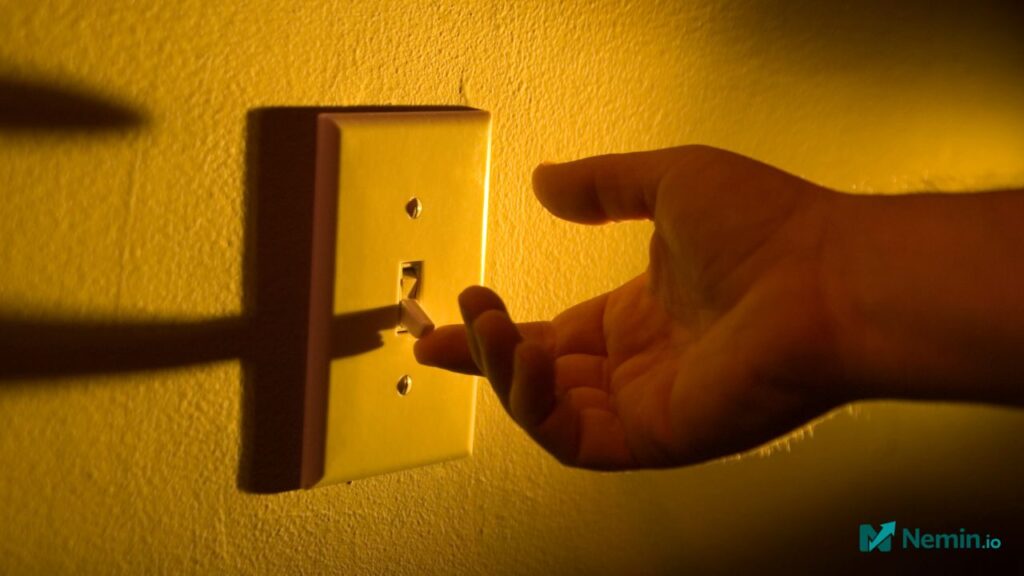
A thoughtfully positioned lights switch can be just as important as the pendant fixture it controls. Hanging lights attract attention because of their shape, materials and warm pools of illumination, but their real usefulness depends on how conveniently homeowners can turn them on, dim them and coordinate them with the rest of the room. Good lighting design therefore considers the controls and fixtures as one system rather than two unrelated purchases.
Pendant lighting can transform kitchens, dining rooms, bedrooms, hallways and living spaces without requiring every fixture to make a dramatic statement. The right combination of scale, height, light output, colour temperature and controls can provide both visual richness and practical illumination. Whether a renovation uses a conventional lights switch, dimmer or connected controls, careful planning helps create a home that feels intentional rather than simply brighter.
Why a Lights Switch Matters in Pendant Lighting Design
People naturally focus on the visible fixture when planning pendant lighting. They compare glass globes, metal shades, chandeliers, cables and decorative finishes, while the wall controls often receive attention only after the room has been designed.
That order can create unnecessary compromises. A lights switch determines when a pendant can be used, how easily it can be controlled and, when suitable dimming is installed, whether the fixture can serve several moods rather than one fixed lighting condition.
A kitchen island illustrates the point well. Bright pendant illumination can be useful during food preparation, while a lower level may feel more comfortable during dinner or evening conversation. If compatible dimming has been planned from the beginning, the same fixtures can support both situations.
Pendant Lights Are Both Functional and Decorative
Pendant lights hang from a ceiling using a cord, rod, chain or another suspension system. Unlike recessed fittings, their bodies become visible elements of the room, meaning they influence interior design even while switched off.
Their downward position can also bring illumination closer to tables, worktops and seating. This combination of decoration and targeted light explains why pendant fixtures are used so widely in contemporary interiors.
The lights switch adds the control layer. Its location, circuit arrangement and features can determine whether that decorative fixture is convenient enough to use every day.
How Pendant Lighting Adds Richness to a Home
Richness in interior design does not necessarily mean ornate decoration or expensive finishes. It often comes from depth, contrast and layering. Lighting can produce all three by illuminating materials differently and directing attention toward selected architectural features.
A pendant above a timber dining table can reveal grain and texture, while a soft glass fixture can introduce reflected highlights. Hanging lights positioned over stone worktops can emphasise surface variation without requiring additional decorative objects.
The effect becomes stronger when pendant lighting is combined with other sources. Instead of asking one fixture to illuminate an entire room, homeowners can use ceiling lighting, wall lights, lamps and task lighting for different purposes.
Lighting Layers Create More Flexible Rooms
Interior lighting is often discussed in three broad layers. Ambient lighting provides general visibility, task lighting supports activities, and accent lighting emphasises architectural or decorative features.
Pendant fixtures can contribute to more than one layer depending on their design. A large diffused pendant may provide ambient illumination, while downward-facing fixtures over an island can function primarily as task lights.
Using a separate lights switch for appropriate lighting groups can make those layers genuinely useful. If every source operates together from one control, much of the flexibility is lost.
7 Ways a Lights Switch Can Improve Hanging and Pendant Lighting
The ideal control arrangement depends on the room and electrical system. However, seven planning ideas can improve the usability of Lights Switch without making controls unnecessarily complicated.
1. Use a Lights Switch to Create Independent Lighting Zones
Lighting zones divide fixtures into logical groups. In an open-plan kitchen and dining room, for example, island pendants may operate independently from dining lights and general ceiling illumination.
This allows homeowners to illuminate only the area being used. During breakfast, the island pendants might be enough. During an evening meal, the dining fixture can become the visual focus while other lighting remains subdued.
Independent zones can also improve atmosphere because multiple sources do not have to operate at identical brightness. The electrical design should be planned before walls and ceilings are finished whenever possible.
2. Add Compatible Dimming for Greater Control
Dimming is one of the most useful upgrades for decorative lighting. It allows a pendant to provide stronger illumination when needed and softer light when the room shifts from work to relaxation.
Compatibility is critical. The lights switch or dimmer, lamp or LED module, driver and fixture must be designed to work together. An incompatible combination can cause flickering, buzzing, limited dimming range or unreliable operation.
Not every LED lamp is dimmable. Packaging and manufacturer specifications should therefore be checked before installation rather than assuming that any LED will work with any dimmer.
3. Position Controls Where People Naturally Enter and Leave
A beautifully designed switch is frustrating when placed in an inconvenient location. Controls should correspond with actual movement through the house and comply with applicable electrical requirements.
Rooms with more than one commonly used entrance may benefit from multi-location switching arrangements where appropriate. This can allow the same lighting circuit to be controlled from two or more positions.
A qualified electrician can determine suitable wiring and components. Homeowners should avoid improvising electrical modifications based solely on online diagrams.
4. Coordinate the Lights Switch With Interior Finishes
Wall controls are small, but they are visible repeatedly throughout a home. Their finish can therefore support the wider design language.
White controls blend naturally into many walls, while black, brushed metal or other decorative plates can create deliberate contrast. The best choice depends on nearby door hardware, sockets, taps and cabinetry.
Consistency matters more than novelty. A premium pendant paired with an unrelated or poorly installed switch plate can make the overall design feel unfinished.
5. Consider Smart Lighting Controls Where They Solve a Real Problem
Connected controls can add scheduling, remote access, automation and integration with compatible home systems. They can be particularly useful where homeowners want several lighting scenes without manually adjusting multiple controls.
A smart lights switch is most successful when it makes daily operation simpler. Technology that requires visitors to open an app just to illuminate a dining room can create unnecessary friction.
Physical control should therefore remain intuitive. Smart features can sit behind ordinary everyday behaviour rather than forcing everyone to learn a new routine.
6. Use Scenes for Open-Plan Pendant Lighting
A lighting scene stores or coordinates several predefined settings. A kitchen could have a bright preparation setting, an everyday setting and a lower evening setting, provided the installed system supports those functions.
This can be more convenient than adjusting several dimmers separately. Pendant lights can change role throughout the day without changing fixtures.
Scene controls become especially valuable in large open-plan areas. The design should remain understandable so that guests and household members can still operate the room without instructions.
7. Plan the Lights Switch Before Choosing Every Fixture
Early control planning helps prevent compatibility and wiring problems. If a homeowner knows that a pendant must dim smoothly, that requirement can inform fixture and lamp selection from the outset.
Likewise, a future smart-home plan may influence neutral-wire requirements, control locations or the choice of compatible products. These details vary between systems and electrical standards.
The fixture and control strategy should therefore develop together. It is generally easier to design compatibility before installation than to correct it after decorating is complete.
Choosing Pendant Lights for Different Rooms
A pendant that works beautifully above a dining table may be unsuitable over a kitchen work surface. The room’s activities should define the lighting requirement before style decisions take over.
Scale is also important. Small fixtures can disappear visually in a large room, while oversized pendants can obstruct sightlines or dominate compact spaces. Dimensions should be evaluated in relation to furniture, ceiling height and surrounding architecture.
Kitchen Pendant Lighting
Kitchen islands are among the most popular locations for pendant fixtures. Hanging lights can visually define the island while directing illumination onto the work surface.
Spacing should be balanced rather than calculated from one universal formula. The number of pendants depends on fixture diameter, island length, beam spread and desired visual rhythm. Two large pendants may work better than three small ones in some kitchens.
Glare deserves attention as well. A bare high-output lamp hanging near eye level can become uncomfortable. Shades, diffusers and careful suspension heights can help keep the light useful without creating a harsh view.
Dining Room Pendant Lighting
Dining lighting often functions as both illumination and a centrepiece. Because the table creates a fixed visual anchor, a pendant can usually hang lower than it would in a circulation route.
The fixture should illuminate faces and food without producing excessive glare. Dimming is particularly valuable because dining rooms often shift between practical family meals and softer evening settings.
A lights switch located conveniently near the room entrance keeps the fixture intuitive to use. Where the dining space forms part of an open plan, separate control from the kitchen can provide greater flexibility.
Bedroom Pendant Lighting
Pendant lights can replace traditional bedside lamps, freeing space on small tables. This approach works particularly well in contemporary bedrooms where symmetry and clean surfaces are desired.
Control placement is crucial. Bedside pendants lose much of their convenience if occupants must leave bed to turn them off. Suitable multi-location switching or dedicated bedside controls can solve that problem when properly planned.
Light output should remain comfortable. Bedroom pendants generally benefit from warm, controlled illumination rather than intense task-level brightness directed into the eyes.
Hallways and Staircases
Tall entrance halls and stair voids can accommodate dramatic hanging fixtures that would overwhelm ordinary rooms. Vertical clusters can use the available height to create a sculptural feature.
Installation and maintenance require planning. A pendant suspended several metres above a staircase may be difficult to clean or relamp.
The lights switch should also be accessible from relevant circulation points. Stair and hallway lighting arrangements are subject to local electrical and building requirements, making professional design and installation particularly important.
Pendant Size and Scale
Fixture scale affects both aesthetics and physical usability. A pendant should relate to the surface or area beneath it rather than being selected solely because it looks impressive in a showroom.
Measure the room, table or island before purchasing. Temporary mock-ups made from cardboard can be surprisingly useful for understanding how a fixture’s volume will feel in three dimensions.
Catalogue images can be deceptive because they are often photographed in unusually spacious interiors. Actual dimensions provide a more reliable basis for selection.
How High Should Pendant Lights Hang
There is no single height suitable for every home. Suspension depends on ceiling height, fixture size, furniture, sightlines and the activity below.
Fixtures over tables and islands can generally sit lower because people do not normally walk directly beneath them. Pendants in open circulation areas need greater head clearance.
Instead of relying on a universal number, evaluate the actual space and follow relevant manufacturer instructions. An installer can make final adjustments before permanently shortening cables or suspension rods.
Consider Seated and Standing Sightlines
A pendant can appear perfectly positioned while standing at one end of an island but block conversation once people sit down.
Test sightlines before final installation where possible. Consider tall household members as well as seated users.
Good pendant design feels natural in daily life. The fixture should enhance the room without becoming an obstacle.
Colour Temperature and Pendant Lighting
Colour temperature describes whether white light appears warmer or cooler and is measured in kelvins. Lower values generally appear warmer, while higher values look cooler.
Warm white light is widely used in homes because it tends to create a relaxed atmosphere. Kitchens sometimes use somewhat more neutral light for task visibility, depending on homeowner preference and the rest of the lighting scheme.
The lights switch does not ordinarily change colour temperature unless it controls a compatible tunable lighting system. A standard dimmer primarily changes light output, although some LED products are specifically designed to shift warmer as they dim.
Understanding Brightness
Consumers historically selected bulbs by wattage, but watts measure power consumption rather than visible light output. Lumens are a more useful measure when comparing brightness.
The right lumen output depends on the shade and intended role. An opaque pendant directs light differently from a transparent globe, even when both contain lamps with similar lumen ratings.
For multi-pendant arrangements, consider total output rather than evaluating each fixture independently. Three bright pendants can become excessive if powerful general ceiling lighting is already present.
Pendant Shade Materials and Their Effects
Material changes how light behaves. Clear glass exposes the lamp and allows broad light distribution but can create glare. Frosted or opal glass softens the source and produces more diffuse illumination.
Metal shades typically direct more light downward, making them useful above work surfaces. Fabric can create a softer decorative glow, while natural materials such as woven fibres can cast patterned shadows.
The chosen lights switch and dimming arrangement can help adapt these effects, but controls cannot correct a fundamentally unsuitable fixture. Optical design still matters.
Common Pendant Materials
A practical comparison makes the differences easier to evaluate.
| Material | Visual character | Typical lighting effect | Main consideration |
|---|---|---|---|
| Clear glass | Light and contemporary | Broad, exposed illumination | Potential glare |
| Opal glass | Soft and refined | Diffused light | Shows dust when unclean |
| Metal | Industrial or modern | Directional | Limited upward light in many designs |
| Fabric | Warm and decorative | Soft diffusion | Cleaning and kitchen suitability |
| Woven natural material | Textural and relaxed | Patterned light | Dust and moisture exposure |
| Stone or ceramic | Sculptural | Often focused or diffused | Weight and mounting requirements |
Material should be selected according to location as well as appearance.
Using a Lights Switch With LED Pendant Lighting
LED technology has transformed decorative lighting because it allows low energy consumption, long operating life and compact fixture designs.
Some pendants use replaceable LED lamps, while others contain integrated LED modules. Integrated designs can create shapes that would be difficult with conventional bulbs, but eventual component replacement may be less straightforward.
When using a dimmer, confirm compatibility explicitly. The fixture manufacturer may publish recommended control types or tested dimmers.
Integrated LED Versus Replaceable Lamps
Replaceable lamps offer straightforward servicing because the light source can normally be changed independently. They also let homeowners experiment with lumen output and colour temperature within fixture specifications.
Integrated LED pendants can achieve thin profiles and uniform illumination. Their long-term value depends partly on driver quality, serviceability and manufacturer support.
The lights switch should be chosen around whichever technology is installed.
Smart Lights Switch Options for Pendant Fixtures
Smart controls can provide functionality without requiring smart bulbs in every socket. A connected wall control can manage an entire compatible circuit while preserving a conventional user experience.
Depending on the system, features may include scheduling, app control, voice integration, occupancy automation and scenes.
Compatibility remains the key issue. Some smart switches require particular wiring configurations, minimum loads or specific lamp types. Professional installation is advisable where mains wiring is involved.
Smart Bulbs Versus a Smart Lights Switch
Smart bulbs and connected switches solve different problems. Smart bulbs can offer individual control and, in some models, adjustable colour temperature or colour. Smart switches control a circuit and can keep operation familiar at the wall.
Using smart bulbs on a circuit that people routinely disconnect using an ordinary wall switch can make the bulbs unavailable to software whenever power is off.
For several pendant fixtures operating as one group, a compatible smart lights switch can sometimes provide a simpler arrangement. Product-specific requirements still need verification.
Dimmer Compatibility and Flickering
LED flicker is a common frustration in renovated lighting systems. It can originate from incompatibility among the dimmer, driver and lamps rather than from the pendant fixture itself.
A low electrical load can also cause issues with some older dimmers. Modern controls designed for LED loads are generally more appropriate, but compatibility should still be confirmed.
If a new lighting installation flickers, do not simply ignore it. A qualified electrician can determine whether the issue relates to components, wiring or another electrical problem.
Hanging Lights in Open-Plan Homes
Open-plan interiors benefit from visual zoning because walls no longer separate every function. Pendant lighting can create those boundaries without building physical partitions.
A row of fixtures identifies a kitchen island, while a single larger pendant can anchor a dining table several metres away. Each area remains visually connected but develops its own identity.
Separate lights switch controls allow those zones to operate independently. This can make a large room feel more intimate in the evening because unused areas do not need to remain fully illuminated.
Coordinating Pendant Lights With Other Fixtures
Matching every fixture exactly is rarely necessary. In fact, identical fixtures throughout a house can feel overly coordinated.
Instead, repeat selected design cues. This might mean using similar metal finishes, related glass colours or consistent geometric forms.
The same principle can apply to switches and sockets. A coherent family of controls across visible spaces can quietly reinforce the design without demanding attention.
Using Pendants as Statement Pieces
A statement pendant becomes an architectural focal point. Size, unusual materials or sculptural form can provide the visual impact.
One strong focal point is often enough. Multiple dramatic fixtures competing within the same sightline can make a room feel visually chaotic.
Use the lights switch and dimming plan to give statement lighting flexibility. A dramatic fixture can remain subtle when dimmed rather than dominating every evening.
Energy Efficiency and Pendant Lighting
Energy-efficient lighting depends primarily on the light source, system design and operating behaviour.
LED lighting can provide substantial efficiency advantages compared with older incandescent technologies. Controls can further reduce unnecessary operation when people turn off or dim lights appropriately.
Smart scheduling can assist, but automation should not become needlessly complex. The most energy-efficient lights switch is still ineffective if users routinely override it or leave unnecessary fixtures running.
Safety and Professional Installation
Pendant lights and mains wall controls involve electrical systems. Installation should comply with the applicable electrical rules in the location where the property is situated.
Bathrooms and other wet areas require particular attention because electrical equipment may need suitable ratings and positioning. Ceiling mounting must also support the fixture’s weight.
Heavy pendants should never be suspended from a ceiling structure that has not been assessed for the load. A qualified electrician or appropriate installer can address both electrical and mounting requirements.
Planning a Lights Switch During Renovation
Renovation offers the ideal opportunity to plan controls because walls and ceilings may already be open.
Walk through the unfinished space and imagine normal routines. Where will you enter? Where will furniture sit? Which lights should turn on together? Which fixtures deserve independent dimming?
This exercise is more useful than simply placing switches according to where they existed previously. A remodel is an opportunity to correct inconvenient controls rather than reproduce them.
Retrofitting Pendant Lights
Adding pendants to an existing room can still work well, but electrical access and ceiling construction can influence complexity.
Some homes already have suitable ceiling points. Others may require new cabling or structural support.
Wireless or smart control technologies can sometimes reduce certain wiring requirements, but they do not eliminate electrical safety considerations.
A lights switch retrofit should be assessed as part of the complete electrical installation.
Common Pendant Lighting Mistakes
Many design problems are preventable with measurement and planning. Oversized fixtures, poor spacing and glare are more common than problems with the visual style itself.
Common mistakes include choosing a pendant before measuring the room, hanging fixtures where people strike their heads, using exposed bright lamps at eye level and installing non-dimmable LEDs on a dimmer.
Another frequent mistake is placing every light on one circuit. Thoughtful zoning often creates more improvement than buying a more expensive fixture.
How to Choose the Right Lights Switch
Start by identifying what the fixture needs to do. If it simply requires reliable on and off control, a conventional switch may be sufficient. If the room changes function throughout the day, dimming may be more useful.
Smart control makes sense when scheduling, scenes, remote operation or home automation will genuinely be used. It should not be added simply because connected technology is fashionable.
The final choice must be electrically compatible with the lighting load and local wiring. Manufacturer documentation and professional advice provide a more dependable basis than visual similarity.
Pendant Lighting for Small Homes
Small rooms do not necessarily require tiny pendants. One carefully scaled fixture can make a compact room feel deliberate and architecturally finished.
The trick is maintaining visual breathing space. Transparent glass, slender profiles and open structures can create presence without making the room feel crowded.
A dimmable lights switch can also make a single fixture more versatile, reducing the need to add multiple decorative sources.
Pendant Lighting for Large Homes
Large rooms can support bigger fixtures or grouped arrangements. High ceilings in particular may require more vertical scale so that the pendant does not feel visually disconnected from the room below.
Clusters can fill a stairwell or atrium effectively. Over long dining tables, linear fixtures or repeated pendants can distribute light more consistently.
Large installations should be designed with maintenance access in mind. The higher the fixture, the harder future cleaning and servicing may become.
Creating a Luxury Look Without Overspending
Luxury often comes from proportion and control rather than price.
A modest pendant hung at the correct height with a warm, appropriate light source can feel more sophisticated than an expensive fixture installed poorly. Similarly, a clean lights switch and smooth dimming response can make the entire installation feel better engineered.
Spend first on fundamentals such as correct placement, safe installation and suitable light quality. Decorative upgrades are more effective after those basics are right.
Making Pendant Lighting Timeless
Trend-driven fixtures can date quickly. Homeowners who want longevity may prefer simple forms, durable finishes and readily serviceable light sources.
This does not mean avoiding personality. A distinctive glass shape or elegant metal shade can still feel individual without depending on a short-lived fashion.
Controls should also be selected with longevity in mind. A dependable lights switch from a supported system may prove more practical than a connected product whose software ecosystem disappears.
A Practical Pendant Lighting Planning Checklist
Before purchasing fixtures, measure ceiling height and the furniture or work surface beneath the intended location. Confirm whether the pendant is primarily decorative, ambient or task lighting, then choose size and light distribution accordingly.
Next, determine how the fixtures should be grouped and whether dimming is required. Only after those decisions should the final lights switch, lamps, drivers and smart features be selected for compatibility.
For a larger renovation, document the lighting plan so the electrician, interior designer and homeowner are working from the same layout. This reduces last-minute decisions once finishes have already been installed.
FAQ’s
What type of lights switch is best for pendant lighting?
A standard lights switch works for basic control, while a compatible dimmer is useful when you want pendant brightness to adapt between task lighting and softer evening ambience.
Can a lights switch dim any LED pendant?
No. The LED lamp or integrated driver and dimmer must be mutually compatible. Using an incompatible combination can cause flickering, buzzing or poor dimming performance.
Can one lights switch control several pendant lights?
Yes, several pendants can commonly operate as one appropriately designed circuit, provided the electrical load, controls and wiring meet relevant specifications and local requirements.
Is a smart lights switch worth using with hanging lights?
It can be worthwhile when you genuinely use scheduling, scenes, remote control or home automation. For simple rooms, a conventional switch or dimmer may be more practical.
How high should pendant lights hang?
There is no universal height because furniture, ceiling height, fixture dimensions and sightlines differ. Measure the actual space and follow the fixture manufacturer’s installation guidance.
Should kitchen pendants have their own lights switch?
Independent control is often useful because island pendants can then operate separately from general kitchen lighting, providing better zoning and more flexible ambience.
Conclusion
A well-planned lights switch allows hanging and pendant lighting to do more than simply decorate a ceiling. Independent zones, compatible dimming and convenient control locations can transform the same fixtures from bright task lighting during everyday activities into softer ambient features after dark. Combined with appropriate scale, suspension height and light quality, these details can make a home feel noticeably more considered.
The best results come from designing pendant fixtures and their controls together. Choose the fixture for the room’s dimensions and purpose, confirm LED and dimmer compatibility, and use smart controls only where they improve daily life. With professional electrical installation and thoughtful planning, a lights switch becomes a small but important part of creating richer, more flexible and more comfortable interior lighting.
Pingback: Custom LED Neon Signs 7 Brilliant Ways to Transform Spaces
Pingback: Airbnb Design Ideas 9 Brilliant Ways to Transform Your Space