
Tie boxes are moving beyond their traditional role as simple containers and becoming a more deliberate part of how neckties are presented, protected, gifted and remembered....
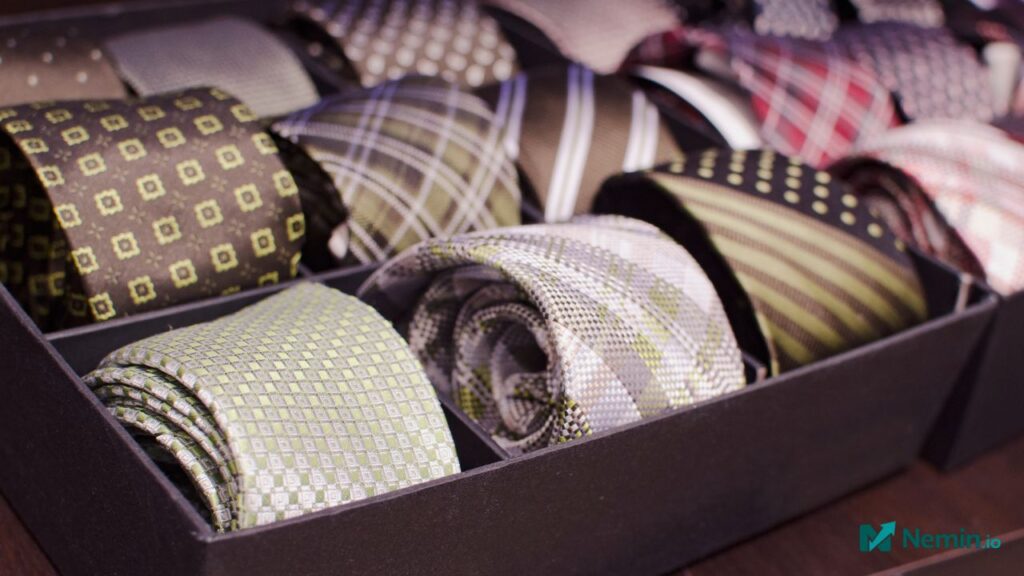
Tie boxes are moving beyond their traditional role as simple containers and becoming a more deliberate part of how neckties are presented, protected, gifted and remembered. In physical retail and eCommerce, packaging is often one of the first tangible brand experiences a buyer encounters. A thoughtfully designed box can make an ordinary product presentation feel more organised and premium while helping a tie maintain its intended condition before it reaches the wearer.
For retailers and fashion brands, tie boxes can also support gifting, merchandising, shipping presentation and brand consistency. Their growing relevance does not mean that every tie requires elaborate luxury packaging. The strongest results come from matching box structure, materials, inserts, decoration and cost to the product’s sales channel and target customer. When designed purposefully, packaging can support perceived quality without becoming wasteful or unnecessarily expensive.
What Are Tie Boxes
These boxes are packaging formats designed specifically or primarily for neckties.
They can range from simple paperboard cartons to premium rigid gift boxes with fitted inserts, magnetic-style closures, windows, sleeves or custom printed finishes.
The basic objective is straightforward.
These boxes contain the product in an organised way and provide a surface through which the brand can communicate.
Depending on their construction, they can also protect the necktie from dust, unwanted handling, crushing and movement.
How Tie Boxes Differ From Ordinary Packaging
A generic carton can physically hold a tie. Purpose-designed tie boxes go further by considering the proportions, folding method and presentation requirements of neckwear.
For example, the interior might include:
- A paperboard insert
- Elastic retaining bands
- Die-cut holding tabs
- Tissue wrapping
- A shaped presentation card
- Compartments for accessories
- A transparent viewing window
- A removable product tray
These features can help keep the tie arranged when the customer opens the package.
That first opening has become increasingly important in contemporary retail.
Why Tie Boxes Are Becoming a Sales Trend
Packaging has always influenced retail presentation, but several changes have made it more visible.
Ecommerce is a major factor.
In a traditional shop, customers might see a tie displayed on a rack, touch its fabric and receive a bag after purchase. Online, the customer may first physically encounter the product when the shipping package arrives.
These boxes can transform that moment from receiving merchandise into opening a deliberately presented product.
Gifting is another factor.
Neckties remain a common gift for birthdays, weddings, Father’s Day, anniversaries, graduations and professional occasions. Packaging that already looks gift-ready can reduce the need for separate wrapping.
7 Reasons Tie Boxes Are Becoming More Important for Sales
The business value of packaging depends on the product and market, but several practical reasons explain the increased interest in specialised neckwear packaging.
1. Tie Boxes Improve Product Presentation
Presentation influences first impressions.
A tie lying loosely inside a shipping bag does not communicate the same experience as a tie folded carefully inside a fitted box.
Tie boxes create visual structure around the product.
The tie can be centred, folded consistently and paired with coordinated tissue, inserts or brand information.
This can be especially important for premium products where customers expect the physical presentation to match the price.
How Presentation Supports Perceived Value
Perceived value is not identical to actual manufacturing quality.
The textile, stitching, interlining and construction ultimately determine the quality of the tie itself.
However, tie boxes can influence how customers interpret the total product experience.
Well-executed packaging suggests attention to detail.
Poorly fitted packaging can create the opposite impression, regardless of how good the tie may be.
2. Tie Boxes Support Gift-Ready Retail
Gifting is one of the strongest applications for neckwear packaging.
Customers frequently want purchases that require minimal additional preparation.
These boxes can provide this convenience.
A gift-ready format may include:
- Clean rigid structure
- Attractive lid
- Tissue paper
- Insert card
- Ribbon where appropriate
- Space for a personal message
- Coordinated brand colours
The goal is not necessarily maximum decoration.
Simple, well-proportioned tie boxes can look more sophisticated than heavily decorated alternatives.
3. Tie Boxes Can Protect the Product
Neckties can crease or become misshapen when compressed unnecessarily.
Packaging helps control product movement before sale and during distribution.
Tie boxes can protect against:
- Dust
- Repeated handling
- Light compression
- Snagging
- Surface contamination
- Unnecessary movement
- Contact with other products
They do not make a tie immune to severe shipping damage.
Outer transit packaging still needs to be appropriate for ecommerce distribution.
4. Tie Boxes Create More Branding Space
A necktie provides limited space for visible branding without interfering with the garment’s design.
Packaging creates an additional communication surface.
Tie boxes can carry:
- Brand name
- Logo
- Colour identity
- Product information
- Care instructions
- Material information
- Origin information where required
- QR codes
- Social media details
- Gift messages
Brands should avoid overcrowding the package. Premium design often depends on restraint and hierarchy.
5. Tie Boxes Enhance the Ecommerce Unboxing Experience
Unboxing has become part of online retail culture. Customers increasingly photograph and share attractive purchases.
These boxes can provide a structured visual sequence when the shipment is opened. The customer first sees the outer box, then the branded tie package and finally the product.
A memorable experience can support brand recognition. It should not be assumed that attractive packaging automatically creates social-media exposure or repeat sales.
Those outcomes still depend on the quality of the product and customer experience.
6. Tie Boxes Can Help Merchandise Product Collections
Retailers often sell multiple tie colours, patterns and materials.
Consistent packaging can make those ranges easier to organise visually.
Tie boxes can use labels, sleeves or colour identifiers to distinguish products without changing the fundamental box structure.
This approach can improve consistency across:
- Silk ties
- Knitted ties
- Bow ties
- Wedding sets
- Tie and pocket-square combinations
- Corporate gifts
- Seasonal collections
Standardising some components can also simplify packaging procurement.
7. Tie Boxes Can Differentiate Similar Products
The neckwear market contains many products with similar shapes and functions.
Packaging provides another opportunity for distinction.
Tie boxes can use structure, paper texture, printing, embossing or carefully selected colours to develop a recognisable identity.
This differentiation should remain relevant to the product.
An inexpensive everyday tie inside an extremely costly rigid package may create an inefficient cost structure.
Types of Tie Boxes
There is no single ideal format.
Brands can select different constructions based on budget, retail positioning, storage and distribution.
| Type of tie box | Main characteristic | Typical application | Key consideration |
|---|---|---|---|
| Folding carton | Ships or stores efficiently | Everyday retail | Lower structural rigidity |
| Two-piece rigid box | Separate lid and base | Premium gifting | Higher material and shipping volume |
| Drawer box | Sliding inner tray | Luxury presentation | More components |
| Window box | Product remains partly visible | Physical retail | Window material affects recyclability |
| Sleeve box | Printed sleeve over tray | Brand-led presentation | Requires accurate fit |
| Magnetic-style rigid box | Hinged presentation format | Premium gifts | Cost and material complexity |
| Multi-product box | Holds tie plus accessories | Gift sets | Insert design is important |
Each structure produces a different balance of appearance, cost and practicality.
Folding Tie Boxes
Folding cartons are among the most practical options for volume retail.
They can be produced from paperboard, printed and die-cut into shapes that fold around the product.
Some formats can be delivered flat before packing.
This can reduce warehouse volume compared with permanently rigid tie boxes.
Advantages of Folding Tie Boxes
Potential advantages include:
- Efficient storage
- Lower material usage than some rigid formats
- Flexible printing
- Automated or semi-automated production options
- Lightweight shipping
- Broad design flexibility
They can work particularly well for mid-market ties and ecommerce brands trying to control fulfilment costs.
Rigid Tie Boxes
Rigid boxes are associated strongly with premium gifting.
They are typically made using thick board covered with decorative paper or another finishing material.
Unlike folding cartons, they usually maintain their shape before the product is inserted.
Rigid tie boxes can create a substantial tactile experience.
The customer feels the weight and structure before seeing the tie.
When Rigid Tie Boxes Make Sense
They can be suitable for:
- Luxury neckwear
- Limited-edition collections
- Wedding gifts
- Corporate gifting
- Tie and accessory sets
- High-value retail presentations
However, rigid tie boxes require more storage volume.
They can also cost more to manufacture and ship.
Premium presentation should be weighed against these lifecycle costs.
Drawer-Style Tie Boxes
Drawer packaging combines an outer sleeve with an inner tray.
Pulling the tray outward creates a deliberate reveal.
This format can suit premium tie boxes because the product remains framed inside the tray.
It can also accommodate inserts for cufflinks, tie bars or pocket squares.
The additional components increase material usage and assembly requirements.
For high-volume products, those factors should be included in cost modelling.
Window Tie Boxes
A transparent window allows customers to see the tie without completely opening the package.
This can be useful in shops where pattern and colour strongly influence purchase.
Window tie boxes can also reduce unnecessary product handling.
However, the window material introduces another component.
If recyclability is a priority, brands should investigate how the window affects the package within the intended waste-management system.
Tie Boxes for Luxury Retail
Luxury packaging relies on more than a high material cost.
Proportion, colour control, texture and finishing quality matter.
A beautifully aligned simple box can feel more premium than an elaborate package with inconsistent printing.
Luxury tie boxes may use techniques such as:
- Foil stamping
- Embossing
- Debossing
- Specialty papers
- Spot finishes
- Custom inserts
- Fabric pull tabs
- Controlled colour palettes
Every additional process increases complexity. Brands should use decoration strategically.
Tie Boxes for Ecommerce
Ecommerce packaging faces challenges that shop packaging does not.
The box may travel through sorting facilities and delivery networks before reaching the customer.
These boxes intended for ecommerce should therefore be evaluated together with the outer shipping package.
A beautiful retail box should not rattle around inside an oversized mailer.
Right-Sizing Tie Boxes for Shipping
Excess volume can increase shipping inefficiency.
It can also require more void fill.
A right-sized design helps keep the product secure without using unnecessary material.
For ecommerce tie boxes, designers should consider:
- Product dimensions
- Insert thickness
- Outer shipping protection
- Parcel dimensions
- Package weight
- Drop and compression exposure
- Fulfilment speed
The most attractive design still needs to survive delivery.
Tie Boxes as Part of Brand Identity
Packaging can become recognisable.
A consistent box colour, opening mechanism or graphic style can help customers identify a brand before they see the product label.
These boxes provide an opportunity to reinforce broader visual identity.
A heritage-inspired neckwear company might use textured papers and restrained typography.
A contemporary label might prefer minimalist geometry and monochromatic printing.
The package should feel like an extension of the brand rather than a separate design project.
Colours That Work Well for Tie Boxes
There is no universal best colour. Dark blue, black, charcoal and deep green can communicate traditional menswear aesthetics.
Cream, white and natural kraft shades can create a cleaner or more understated direction.
Brighter colours can support fashion-led brands.
These boxes should also work with the tie itself.
A highly patterned tie can benefit from quieter packaging, while a simple solid-colour product may tolerate a more expressive box.
Materials Used in Tie Boxes
Paperboard and rigid board are common foundations.
The decorative appearance can come from printing, wrapping papers, coatings or specialty finishes.
Material selection affects:
- Rigidity
- Weight
- Print quality
- Cost
- Tactile feel
- Recycling considerations
- Shipping efficiency
- Moisture sensitivity
Tie boxes should use enough material to perform their intended function without unnecessary overengineering.
Sustainability and Tie Boxes
Packaging sustainability is increasingly important to consumers and brands.
However, environmental claims need precision.
Calling tie boxes eco-friendly without explaining why can be misleading.
Better strategies focus on measurable design decisions.
These can include:
- Reducing unnecessary material
- Right-sizing the box
- Using recycled fibre where appropriate
- Using responsibly sourced paper
- Minimising difficult-to-separate components
- Avoiding unnecessary plastic
- Designing for reuse where realistic
- Providing clear disposal instructions
Actual recyclability depends on local collection and processing infrastructure.
Are Paper Tie Boxes Automatically Sustainable
No.
Paper-based packaging can offer advantages, including established recycling systems in many places, but its environmental impact still depends on fibre sourcing, manufacturing, printing, transport and disposal.
An oversized multi-layer paper box is not automatically preferable to a simpler lightweight format.
These boxes should be assessed as complete systems.
Reusable Tie Boxes
Some premium packaging is designed to remain useful after purchase.
Customers may use tie boxes to store ties, cufflinks, watches from specialist luxury retailers such as The Solist, or other small accessories.
Reuse can extend functional life. However, brands should avoid claiming that every customer will reuse a package simply because it is sturdy.
If reuse is part of the design concept, make the secondary function genuinely convenient.
Tie Boxes for Wedding Gifts
Weddings are a natural market for premium neckwear packaging.
Groomsmen sets, matching ties and personalised accessories can all benefit from presentation boxes.
These boxes can be customised with:
- Names
- Wedding dates
- Colour themes
- Personal messages
- Role titles
- Coordinated accessory compartments
Personalisation introduces additional production complexity.
Order deadlines should therefore account for artwork approval and manufacturing time.
Tie Boxes for Corporate Gifting
Companies regularly use ties as staff gifts, uniforms, event merchandise or client gifts.
Packaging can make these products feel more deliberate.
Corporate tie boxes can incorporate restrained branding rather than covering every surface with logos.
A subtle mark inside the lid can sometimes create a more premium effect than oversized exterior branding.
Tie Boxes for Gift Sets
Neckties are frequently paired with related accessories.
A gift set might contain:
- Tie
- Pocket square
- Tie bar
- Cufflinks
- Socks
- Lapel pin
Tie boxes used for sets need carefully designed inserts.
Loose accessories can collide during transport and make the presentation look untidy.
How Inserts Improve Tie Boxes
An insert positions the product. It can be made from folded paperboard, moulded fibre, foam or other materials depending on the design.
Paper-based inserts are increasingly attractive where brands want to reduce mixed-material packaging.
A good insert should hold the tie without crushing or excessively bending it.
Avoid Overcomplicated Inserts
Every notch and compartment adds production effort.
If a simple folded paperboard cradle performs effectively, additional layers may not improve the customer experience.
Tie boxes should be elegant because they are well resolved, not because they contain the maximum possible number of components.
Custom Tie Boxes Versus Stock Boxes
Small brands do not always need fully custom packaging.
A stock box with a custom label, sleeve or printed card can provide a professional appearance at lower volumes.
Custom tie boxes become more compelling when:
- Sales volume justifies tooling
- Exact product dimensions matter
- Brand differentiation is important
- Custom inserts are required
- Gift presentation drives sales
Minimum order quantities vary widely among packaging suppliers.
Printing Options for Tie Boxes
Printing transforms packaging into a communication medium.
Common processes include digital printing, offset printing and screen printing, depending on material and volume.
Decorative processes can include foil, embossing and spot finishes.
For tie boxes, artwork should remain readable at actual package scale.
A computer monitor can make fine typography appear more legible than it will be on textured paper.
Always review physical proofs where practical.
Tie Boxes and Personalisation
Digital printing and finishing technologies have made shorter customised runs more accessible in many markets.
Personalised tie boxes can support gifting campaigns, weddings, corporate events and limited-edition collections.
However, variable information requires disciplined data handling.
A spelling mistake on a personalised box can make the packaging unusable.
Brands should establish an approval process before production.
How Tie Boxes Can Influence Perceived Value
Packaging can frame expectations. When customers open a sturdy, carefully designed box, they may interpret the product as more premium than the same item delivered without presentation packaging.
This effect has limits.
These boxes cannot compensate indefinitely for poor fabric, stitching or customer service.
Packaging should amplify genuine product quality, not disguise its absence.
Tie Boxes and Retail Shelf Visibility
Packaging can improve shelf organisation.
A consistent box shape creates cleaner merchandising, while windows or product labels help customers identify patterns.
These boxes can also stack more predictably than loose ties.
Retailers should still consider whether boxed products prevent customers from touching fabric, which can be important in apparel purchasing.
A display sample can sometimes solve this problem.
Tie Boxes and Online Product Photography
Packaging expands the number of images an ecommerce brand can create.
A product page can show:
- Tie alone
- Tie being worn
- Tie inside the box
- Box closed
- Packaging details
- Gift-set presentation
- Scale and dimensions
These boxes therefore become part of visual merchandising before the customer even receives them.
Product photography should accurately represent what buyers will actually receive.
Tie Boxes and Customer Experience
Customer experience extends from browsing to delivery and potential return.
Packaging influences several stages.
Well-designed tie boxes can make a product feel organised, protect it during handling and provide convenient gifting.
Poor packaging can make returns more difficult or frustrate customers with unnecessary layers.
Good packaging balances theatre with usability.
Does Better Packaging Increase Sales
Potentially, but businesses should avoid simplistic claims.
These boxes can improve presentation and differentiate products, which may support conversion or gifting appeal.
Sales are also influenced by:
- Product quality
- Price
- Advertising
- Brand recognition
- Reviews
- Availability
- Shipping
- Returns
- Customer service
- Market demand
The effect of packaging should be measured rather than assumed.
Measuring Whether Tie Boxes Work
Brands can test packaging performance using actual business metrics.
Useful indicators include:
- Conversion rates
- Gift purchases
- Customer reviews mentioning packaging
- Damage rates
- Return reasons
- Repeat purchasing
- Unboxing-related user content
- Packaging cost per order
- Fulfilment time
Tie boxes should create enough value to justify their cost.
Tie Boxes and Shipping Damage
A retail presentation box cannot necessarily replace protective shipping packaging.
Rigid boxes can resist some compression, but decorative surfaces can become scratched or dented.
Outer protection should be selected according to the distribution environment.
Businesses selling tie boxes with premium products should test realistic packed shipments rather than evaluating empty boxes on a design desk.
Packaging Costs and Profit Margins
Every packaging component affects unit economics.
A box may add material, printing, assembly, storage and freight costs.
The important metric is the total landed packaging cost.
These boxes that cost little at the factory can become expensive if they occupy excessive shipping and warehouse volume.
Calculate the Complete Cost
Consider:
- Unit manufacturing price
- Tooling
- Printing setup
- Freight
- Import charges where applicable
- Storage
- Assembly labour
- Inserts
- Tissue
- Labels
- Outer shipping materials
- Damage rate
This gives a more realistic business case for tie boxes.
Tie Boxes and Minimum Order Quantities
Custom packaging often becomes cheaper per unit at larger volumes.
However, ordering huge quantities introduces inventory risk.
Branding can change.
Product dimensions can change.
These boxes printed for an old collection may become unusable.
Smaller brands should balance unit savings against the financial cost of excess stock.
Storage Considerations for Tie Boxes
Rigid boxes consume significant warehouse space because they cannot generally be flattened.
Folding cartons can be more storage efficient.
Businesses operating from small facilities should calculate cubic volume rather than only counting units.
One thousand premium tie boxes can occupy surprisingly large storage space.
This hidden operational factor can influence the ideal packaging format.
Common Tie Boxes Design Mistakes
Packaging projects can become overly focused on appearance.
Common mistakes include:
- Oversizing the box
- Adding unnecessary material
- Using an insert that crushes the tie
- Choosing difficult opening mechanisms
- Printing text too small
- Selecting surfaces that scratch easily
- Ignoring ecommerce shipping
- Using mixed materials without reason
- Making unsupported sustainability claims
- Designing without testing actual ties
- Forgetting storage and fulfilment requirements
Tie boxes should be tested with production products before a large order is approved.
How to Choose a Tie Boxes Supplier
The right packaging supplier depends on volume and design complexity.
Ask potential suppliers about:
- Minimum order quantities
- Material specifications
- Structural design capability
- Sampling
- Colour control
- Print processes
- Lead times
- Quality assurance
- Sustainability certifications where relevant
- Packing method
- Freight dimensions
- Reorder consistency
A low quotation has limited value if quality varies drastically between production runs.
Prototyping Tie Boxes Before Production
Never approve important packaging solely from a digital rendering.
Physical samples reveal details that screens cannot.
Test:
- Product fit
- Opening experience
- Insert retention
- Box rigidity
- Colour
- Print registration
- Surface durability
- Closure
- Shipping compatibility
- Customer usability
For premium tie boxes, several prototype rounds may be worthwhile before production tooling is finalised.
Tie Boxes for Small Fashion Brands
Emerging brands need not imitate multinational luxury companies.
Simple packaging can still feel distinctive.
A well-fitted folding box combined with good typography and one memorable colour may provide more value than an expensive multi-layer rigid package.
These boxes should reflect the product price and brand position.
Customers generally recognise unnecessary packaging when they see it.
Tie Boxes for Premium Brands
Premium brands can justify greater investment where packaging forms part of the gifting experience.
Even then, restraint matters.
Materials should feel intentional.
The opening sequence should be intuitive.
Tie boxes should not require customers to destroy several layers simply to reach the product.
Luxury is often communicated through precision rather than excess.
How Tie Boxes Can Encourage Repeat Brand Recognition
A box kept in a wardrobe can remain visible long after the original purchase.
This creates another brand touchpoint.
If the packaging is attractive enough to retain, the customer may encounter the brand each time they access the tie.
That does not guarantee repeat purchases.
However, reusable tie boxes can extend brand visibility beyond the retail transaction.
Tie Boxes and Social Media
Visually distinctive packaging can encourage customers to photograph purchases.
This is particularly relevant for weddings, gifts and premium fashion.
Brands can make tie boxes photogenic without inserting explicit social-media prompts everywhere.
Strong materials, clean layout and attractive presentation often produce better organic imagery than excessive printed instructions.
Are Tie Boxes Worth the Investment
For products sold heavily as gifts or positioned above the budget tier, often yes.
Packaging can protect the product and improve presentation simultaneously.
For very low-cost ties where customers primarily prioritise price, elaborate tie boxes may create unnecessary cost.
The correct decision depends on:
- Product price
- Customer expectations
- Sales channel
- Gift demand
- Damage rate
- Brand strategy
- Fulfilment economics
Packaging should support the commercial model rather than work against it.
The Future of Tie Boxes
Tie packaging is likely to continue moving toward a combination of premium presentation and material efficiency.
Brands face pressure to create memorable unboxing experiences while reducing unnecessary waste.
That can encourage simpler structures, fibre-based inserts, compact dimensions and highly targeted decoration.
These boxes may also become more personalised as shorter digital printing runs become accessible.
The future does not necessarily mean more packaging.
It may mean better-designed packaging.
A Practical Tie Boxes Buying Checklist
Before ordering packaging, confirm the fundamentals.
- Exact tie dimensions when folded
- Required presentation style
- Retail or ecommerce use
- Box material
- Insert structure
- Printing requirements
- Finish
- Quantity
- Unit budget
- Shipping dimensions
- Warehouse requirements
- Assembly time
- Disposal instructions
- Production lead time
These decisions should be made before approving artwork.
A beautiful design cannot fix the wrong box dimensions.
FAQ’s
Why are tie boxes becoming popular
These boxes combine product protection with gift-ready presentation, branding and a more structured ecommerce unboxing experience, making them useful for both retailers and customers.
Do tie boxes help increase product value
Tie boxes can improve perceived presentation and make a tie feel more gift-ready, but packaging cannot replace genuine product quality or guarantee higher sales.
What materials are used for tie boxes
These boxes commonly use folding paperboard or rigid board with printed or wrapped surfaces. Inserts can use paperboard, moulded fibre, foam or other materials.
Are tie boxes suitable for ecommerce
Yes. Tie boxes can improve ecommerce presentation, but they should be paired with appropriate outer shipping protection and designed to minimise unnecessary parcel volume.
Can tie boxes be customised
Yes. Tie boxes can incorporate custom dimensions, colours, printing, embossing, foil, sleeves, inserts and personalisation depending on supplier capabilities and order quantity.
Are tie boxes recyclable
Some paper-based tie boxes can be recyclable, but coatings, magnets, plastic windows, foam and mixed materials can complicate recovery. Local recycling infrastructure also matters.
Conclusion
Tie boxes are becoming more important because modern packaging has to perform several jobs at once. It can protect a necktie, organise its presentation, reinforce brand identity and turn the product into a gift-ready purchase. For ecommerce brands in particular, tie boxes also shape the first physical interaction customers have with products they previously encountered only on a screen.
The best these boxes are not necessarily the largest, most expensive or most elaborate designs. Effective packaging uses the right structure, material, insert and decoration for the product while considering shipping, storage, sustainability and total cost. When those elements are balanced carefully, tie boxes can evolve from simple packaging into a practical part of the overall retail and brand experience.