
Waste management has become an essential part of creating a sustainable future. As communities and industries produce increasing amounts of discarded materials, the ability to...
Waste management has become an essential part of creating a sustainable future. As communities and industries produce increasing amounts of discarded materials, the ability to recover useful resources from waste plays a major role in reducing landfill dependency and supporting a circular economy. A material recovery guide helps businesses, organizations, and individuals understand how recyclable materials are collected, sorted, processed, and transformed into valuable resources.
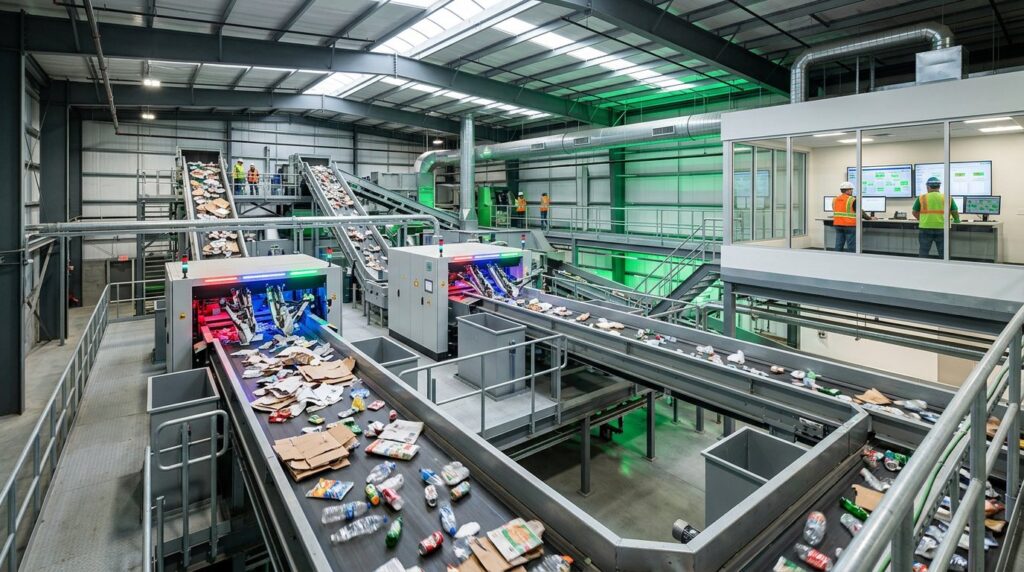
Material recovery is not simply about recycling household waste. It involves advanced systems, specialized facilities, sorting technologies, and efficient processes designed to separate materials that can be reused in manufacturing. Materials such as paper, plastics, metals, and glass can often return to production cycles instead of becoming permanent waste. Materials Recovery Facilities (MRFs) receive collected recyclables and separate them into different material streams before they are sent for further processing and manufacturing.
Understanding how material recovery works allows businesses and communities to make better waste management decisions. It also highlights why proper sorting, responsible disposal, and recycling infrastructure are important parts of modern environmental strategies.
What Is Material Recovery?
Material recovery is the process of extracting valuable materials from waste streams so they can be reused, recycled, or converted into new products. Instead of sending all discarded materials to landfills, recovery systems identify items that still have economic and practical value.
The main purpose of material recovery is to:
• Reduce the amount of waste sent to landfills
• Recover reusable resources from discarded materials
• Support recycling industries
• Reduce the demand for new raw materials
• Encourage sustainable manufacturing practices
Material recovery is an important part of resource recovery and the circular economy. It focuses on keeping materials in use for as long as possible rather than following a traditional linear model where products are created, consumed, and discarded.
End-of-life vehicles are a clear example, and Auto Recycling Yards in USA recover usable parts and scrap metal from old cars that would otherwise be thrown away.
How Does Material Recovery Work?
The material recovery process involves several stages. Each stage helps separate valuable materials from general waste and prepares them for recycling or reuse.
1. Collection of Recyclable Materials
The first step in material recovery is collecting recyclable materials from homes, businesses, industries, and commercial locations.
Common recyclable materials include:
• Paper and cardboard
• Plastic containers
• Glass bottles and jars
• Aluminum cans
• Steel materials
• Electronic components
• Construction materials
Collected recyclables are transported to specialized facilities where sorting and processing take place. Many recycling systems send collected materials to a Materials Recovery Facility (MRF) for separation into different waste streams.
2. Sorting at Materials Recovery Facilities
A Materials Recovery Facility is a specialized plant designed to separate recyclable materials using manual labor, mechanical equipment, and advanced sorting technologies.
At an MRF, materials typically move through conveyor systems where different methods identify and separate materials.
Common sorting methods include:
• Manual sorting by trained workers
• Magnetic separation for ferrous metals
• Optical sorting systems for plastics
• Screens that separate materials based on size and shape
• Air separation systems for lightweight materials
After sorting, materials are grouped into categories and prepared for recycling facilities.
3. Processing and Preparation
Once materials are separated, they require additional processing before they can become new products.
Examples include:
| Material | Processing Method |
|---|---|
| Paper | Shredding, pulping, cleaning, and forming new sheets |
| Plastic | Sorting, washing, grinding, and converting into recycled material |
| Glass | Cleaning, crushing, melting, and reforming |
| Metals | Separating, compacting, melting, and manufacturing |
Different materials require different recovery methods depending on their properties and intended use.
Types of Materials Recovered Through Recycling
Material recovery systems handle many different waste categories. The most common recovered materials include paper, plastics, metals, glass, and electronic waste.
Paper and Cardboard Recovery
Paper is one of the most widely recovered materials because it can often be processed into new paper products.
The recovery process usually involves:
• Sorting different paper grades
• Removing contamination
• Shredding paper into smaller pieces
• Creating pulp using water
• Producing new paper products
Recovered cardboard is commonly used to create packaging materials, helping reduce the need for new paper production.
Plastic Material Recovery
Plastic recovery requires careful sorting because different plastic types have different chemical properties.
The process generally includes:
• Identifying plastic types
• Removing contaminants
• Washing materials
• Grinding plastics into smaller pieces
• Processing recovered plastic into new materials
Advanced facilities may use optical scanners to identify different plastic types during sorting.
Metal Recovery
Metals are valuable materials because they can often be recycled repeatedly without losing their essential properties.
Common recovered metals include:
• Aluminum
• Steel
• Copper
• Iron
Magnetic systems are commonly used to separate certain metals, while other technologies help recover non-ferrous metals such as aluminum.
Glass Recovery
Glass recycling involves collecting, cleaning, crushing, and processing glass materials into new products.
Recovered glass can be used to manufacture:
• New bottles
• Containers
• Construction materials
• Decorative products
Because glass can often be recycled multiple times, effective recovery systems help reduce raw material consumption.
Benefits of Material Recovery
Reduces Landfill Waste
One of the biggest advantages of material recovery is reducing the amount of waste that reaches landfills.
Landfills require significant space and create long-term environmental challenges. Recovering usable materials helps redirect valuable resources back into production systems.
Conserves Natural Resources
Recycling recovered materials reduces the need to extract new raw resources.
For example:
• Recovered metals reduce mining demand
• Recycled paper reduces pressure on forests
• Recycled plastics reduce dependence on new plastic production
This supports more sustainable resource management.
Supports the Circular Economy
The circular economy focuses on keeping materials in circulation through reuse, repair, recycling, and recovery.
Material recovery supports this model by transforming waste into valuable inputs for new manufacturing processes.
Creates Economic Opportunities
The recycling and recovery industry supports employment in areas such as:
• Waste collection
• Recycling operations
• Facility management
• Equipment manufacturing
• Material processing
Recovered materials also create value by becoming inputs for manufacturing industries.
Reduces Environmental Impact
Effective recovery systems can help reduce waste pollution and improve resource efficiency.
When materials remain in circulation, fewer new resources are required and less waste is discarded.
Technologies Used in Modern Material Recovery Facilities
Modern recycling facilities use advanced technologies to improve accuracy and efficiency.
Optical Sorting Technology
Optical sorting systems use sensors to identify materials based on characteristics such as color, shape, and composition.
These systems help separate different plastics and improve recycling quality.
Magnetic Separation
Magnetic separators are commonly used to remove ferrous metals such as steel and iron from mixed recycling streams.
Air Classification Systems
Air systems separate lighter materials from heavier materials by using controlled airflow.
This method helps separate items such as paper and lightweight plastics.
Artificial Intelligence and Robotics
Some modern facilities use artificial intelligence and robotic systems to improve sorting speed and accuracy.
AI-based systems can identify materials and assist with automated recovery processes.
Challenges in Material Recovery
Although material recovery provides many benefits, several challenges affect efficiency.
Contamination Problems
Incorrect disposal practices can introduce non-recyclable materials into recycling streams.
Examples include:
• Food contamination
• Mixed materials that cannot be separated easily
• Hazardous items
• Incorrectly placed waste
Better public awareness and improved sorting practices can help reduce contamination.
Complex Material Composition
Modern products often contain multiple materials combined together, making recovery more difficult.
For example, packaging may include layers of plastic, metal, and paper that require specialized processing.
Operational Costs
Building and maintaining recovery facilities requires investment in:
• Equipment
• Technology
• Workforce training
• Transportation systems
Efficient facility management is important for maintaining successful recovery operations.
How Businesses Can Improve Material Recovery Practices
Businesses can improve their waste management strategies by implementing structured recovery programs.
Conduct a Waste Assessment
Organizations should understand what types of waste they generate and identify opportunities for recovery.
Improve Waste Separation
Clear labeling and employee education can improve recycling accuracy.
Work With Professional Recycling Partners
Specialized recycling providers can help businesses manage materials efficiently and ensure recovered resources enter appropriate recycling channels.
Track Recovery Performance
Businesses can monitor:
• Waste reduction levels
• Recycling rates
• Material recovery improvements
• Operational savings
Data-driven waste management helps organizations improve sustainability efforts.
The Future of Material Recovery
The future of material recovery will likely involve more advanced technology, improved recycling infrastructure, and stronger focus on circular economy practices.
Emerging trends include:
• AI-powered sorting systems
• Automated recycling facilities
• Better product design for recyclability
• Improved recycling education
• Greater investment in resource recovery systems
As industries continue focusing on sustainability, material recovery will become an increasingly important part of responsible waste management.
Frequently Asked Questions
What is material recovery?
Material recovery is the process of extracting useful materials from waste so they can be recycled, reused, or processed into new products.
What happens at a Materials Recovery Facility?
A Materials Recovery Facility sorts collected recyclables into different material categories using manual and automated sorting methods before sending them for further processing.
What materials can be recovered through recycling?
Common recovered materials include paper, cardboard, plastics, glass, metals, and certain electronic materials.
Why is material recovery important?
Material recovery reduces landfill waste, conserves natural resources, supports recycling industries, and helps create a more sustainable circular economy.
How does technology improve material recovery?
Technologies such as optical scanners, magnets, automated sorting systems, and artificial intelligence improve the accuracy and efficiency of recycling operations.
What is the difference between recycling and material recovery?
Recycling focuses on converting waste materials into new products, while material recovery includes the broader process of collecting, sorting, and preparing materials for reuse or recycling.
Conclusion
Material recovery is a key component of modern sustainable waste management. By collecting, sorting, and processing valuable materials, recovery systems help reduce landfill dependency and keep resources in circulation. As recycling technology continues to improve, businesses and communities can adopt more efficient solutions that support environmental responsibility and long-term resource conservation. A better understanding of material recovery helps create cleaner systems where waste becomes an opportunity instead of a problem.
Pingback: Bamboo Kitchen Roll vs Traditional Kitchen Roll 7 Smart Wins