
Moth Treatment Pros can help identify the source and extent of an indoor moth infestation, determine which moth species is involved, select an appropriate treatment strategy,...
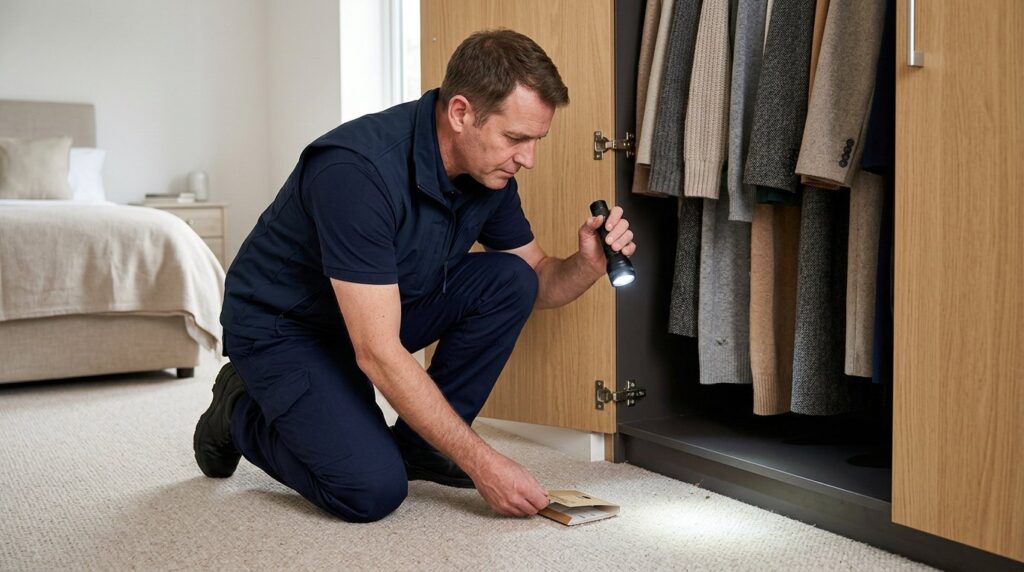
Moth Treatment Pros can help identify the source and extent of an indoor moth infestation, determine which moth species is involved, select an appropriate treatment strategy, and recommend measures designed to reduce recurrence. Professional treatment can be particularly useful when larvae are damaging wool, carpets, upholstery, stored fabrics, or food products, or when repeated do it yourself measures have failed. Effective control depends on correct identification because clothes moths and pantry moths have different food sources and require different management approaches.
Seeing an adult moth indoors does not automatically mean that valuable clothing or carpets are being damaged. Many moth species found around buildings are harmless to textiles and stored food.
When an infestation does involve a pest species, the larvae are generally the damaging life stage. This distinction is important because killing visible adult moths without locating and addressing larvae and infested materials may not solve the problem.
What Do Moth Treatment Pros Do?
Moth Treatment Pros are pest management professionals who inspect properties for pest moth activity and develop control plans appropriate to the species, infestation, property, and applicable pesticide regulations.
A professional service may involve:
• Species identification
• Inspection of affected rooms
• Assessment of textiles or stored food
• Locating likely breeding areas
• Monitoring with suitable traps
• Advice on cleaning and sanitation
• Removal recommendations for badly infested materials
• Targeted treatment where appropriate
• Follow up inspection
• Prevention guidance
The exact service varies among companies and should be explained before treatment begins.
Why Professional Moth Identification Matters
Moth control starts with identifying the pest accurately.
Treating a pantry moth problem as though it were a clothes moth infestation can waste time and leave the actual breeding source untouched.
Clothes Moths
Several moth species can damage animal derived textiles and related materials.
Common examples include the webbing clothes moth, Tineola bisselliella, and the casemaking clothes moth, Tinea pellionella.
Their larvae can feed on keratin containing materials such as wool, fur, feathers, and other animal based fibers.
Pantry Moths
Some moths infest stored food products.
The Indianmeal moth, Plodia interpunctella, is a widely encountered stored product pest in many regions.
Larvae can infest suitable dry foods and may wander away from the food source before pupating.
Not Every Small Moth Is a Clothes Moth
Appearance alone can be difficult for homeowners to interpret.
A professional may examine the adult insect, larvae, webbing, cases, damage patterns, and infestation location before deciding on treatment.
9 Benefits of Hiring Moth Treatment Pros
A professional service provides more than simply applying an insecticide.
1. Accurate Pest Identification
Correct identification helps determine where to look for larvae and which materials are at risk.
This can prevent unnecessary treatment of unaffected areas.
2. Thorough Property Inspection
Moth larvae can develop in locations that are rarely disturbed.
Inspectors may examine wardrobes, carpet edges, underneath furniture, closets, storage spaces, upholstery, food cupboards, and other areas appropriate to the suspected species.
Hidden Areas Can Sustain an Infestation
Cleaning the center of a carpet while ignoring protected edges beneath furniture can leave suitable habitat untouched.
Likewise, discarding one food package may not solve a pantry infestation if other products are affected.
3. Treatment Based on the Moth Species
Professional pest management should be targeted.
The control strategy for textile pests may involve inspection and management of susceptible fabrics, while stored food pests require careful identification and removal of infested food sources.
4. Access to Professional Pest Management Knowledge
Qualified technicians should understand pest biology, pesticide labels, treatment limitations, and safe application practices.
They can also explain when chemical treatment is unnecessary.
5. Monitoring After Treatment
Pheromone traps can help monitor some pest moth populations when the appropriate lure is used.
They are useful for detection and monitoring but should not automatically be treated as a complete standalone solution.
6. Advice on Protecting Valuable Textiles
Wool rugs, suits, coats, historical textiles, and upholstered furniture can require careful handling.
Pest control professionals can identify the infestation, while valuable or delicate materials may also require advice from specialist textile conservators or cleaners.
7. Reduced Reliance on Guesswork
Repeatedly spraying household products without knowing where moths are breeding can expose people and surfaces unnecessarily while providing poor control.
An inspection led strategy focuses interventions where they are relevant.
8. Follow Up When Needed
Moth development occurs over time, so activity may not disappear immediately after an initial intervention.
Follow up can determine whether monitoring shows continued activity and whether further investigation is required.
9. Long Term Prevention Guidance
Professional recommendations can address storage, cleaning, monitoring, sanitation, and vulnerable materials.
Prevention is particularly important because reintroduction can occur through infested food, secondhand textiles, rugs, furniture, or other materials depending on the species.
Signs You May Need Moth Treatment Pros
Adult moths are only one possible sign.
Evidence associated with larvae can provide stronger information about active damage.
Holes in Clothing
Irregular holes in wool or other susceptible animal derived fabrics can be consistent with clothes moth activity.
However, fabric damage has other causes, including wear, mechanical damage, and other insects.
Look for supporting evidence before concluding that moths are responsible.
Carpet Damage
Larvae can sometimes feed on susceptible fibers in wool carpets, particularly in dark or undisturbed areas.
Damage may be more noticeable around edges, under furniture, and in low traffic spaces.
Larvae or Cases
Small larvae, silken tubes, webbing, or portable cases can provide useful identification evidence.
Avoid crushing every specimen before identification if you plan to show it to a pest professional.
Adult Moths Indoors
Repeated sightings of small moths can justify investigation, especially when they occur around wardrobes or stored food.
The room where an adult is seen is not necessarily the exact breeding location.
Clothes Moth Treatment
Successful clothes moth control targets the infestation rather than simply visible flying moths.
Inspect Susceptible Textiles
Relevant materials can include:
• Wool
• Fur
• Feathers
• Felt
• Animal hair
• Certain natural fiber blends
• Taxidermy or similar materials
Larvae can also exploit accumulated hair, lint, feathers, or other suitable organic debris in protected spaces.
Clean Infested Clothing Appropriately
Treatment depends on the textile.
Some garments can be laundered or professionally dry cleaned according to their care labels.
Heat or cold treatments may also be useful for particular materials when applied correctly, but inappropriate temperatures can damage fabrics.
Protect Delicate Items
Do not expose valuable textiles to uncontrolled heat, moisture, pesticides, or freezing without understanding the material.
A textile specialist may be appropriate for antiques, museum quality pieces, or fragile garments.
Carpet Moth Treatment
The phrase carpet moth commonly refers to clothes moth species whose larvae can damage susceptible carpet fibers rather than a completely separate household moth category.
Inspect Carpet Edges
Potential activity can occur in sheltered places that receive limited cleaning.
Technicians may inspect:
• Beneath heavy furniture
• Along skirting boards
• Inside closets
• Under rugs
• Around floor vents
• Dark corners
The exact inspection depends on flooring construction and accessibility.
Vacuuming as Part of Control
Thorough vacuuming can physically remove some larvae, eggs, debris, and food sources from accessible areas.
Focus on edges and undisturbed spaces as well as open floor areas.
Dispose of vacuum contents in a way that prevents surviving pests from remaining inside the home.
Pantry Moth Treatment
Stored product moth management focuses strongly on finding contaminated food.
Foods That May Require Inspection
Depending on the pest, inspect appropriate dry goods such as:
• Flour
• Cereals
• Grains
• Nuts
• Seeds
• Dried fruit
• Pet food
• Bird seed
• Baking ingredients
• Other stored dry foods
Even apparently unopened packages may require inspection because some pests can enter or emerge through vulnerable packaging.
Remove Infested Food
Clearly infested food should generally be discarded appropriately.
Clean shelves, corners, cracks, and spilled food residues after affected products are removed.
Use Pest Resistant Storage
Storing susceptible foods in sturdy, well sealed containers can reduce opportunities for infestation to spread.
Thin bags and some cardboard packages offer less protection than durable containers with secure closures.
How Professional Moth Treatment Works
The process should begin with inspection rather than automatic pesticide application.
Step 1: Inspection
The technician examines affected and potentially vulnerable areas.
They may ask where moths have been seen, how long activity has occurred, and what materials appear damaged.
Step 2: Identification
Physical evidence is used to identify the likely species or pest group.
If identification is uncertain, additional examination may be necessary.
Step 3: Source Removal
Where possible, infested food or badly affected disposable materials are removed.
Cleaning can also eliminate debris that supports larval development.
Step 4: Targeted Treatment
If pesticide treatment is appropriate, the technician selects a product legally authorized for the intended pest, location, and application.
All pesticide use should follow the product label and applicable regulations.
Step 5: Monitoring
Appropriate traps or follow up inspections can help establish whether activity continues.
A temporary reduction in visible adults does not necessarily prove that the infestation has been eliminated.
Moth Treatment Methods
Integrated pest management often combines several approaches.
Cleaning and Sanitation
Regular cleaning reduces food sources and can physically remove insects from accessible locations.
This is especially relevant in undisturbed carpet edges, wardrobes, storage areas, and food cupboards.
Pheromone Traps
Pheromone traps use species specific chemical attractants, commonly targeting male moths of particular species.
They can help detect or monitor activity.
Pheromone Traps Have Limits
Traps generally do not capture every moth, egg, or larva.
A trap showing fewer adults does not prove that all developing insects have been removed.
Heat Treatment
Controlled heat can kill insects at multiple life stages when the target material reaches suitable conditions for sufficient time.
Professional heat treatment requires temperature monitoring and careful consideration of materials that could be damaged.
Cold Treatment
Proper freezing can be used for some infested objects or textiles.
Effectiveness depends on temperature, exposure duration, item characteristics, and treatment procedure.
Insecticide Treatment
Appropriately authorized residual products may be used in selected locations where necessary.
Applications should follow the pesticide label and relevant law.
More pesticide is not necessarily more effective and can increase unnecessary exposure.
Is Professional Moth Treatment Safe?
Pest treatment safety depends on the chosen method, product, environment, and application.
A professional should explain relevant precautions before beginning.
Ask What Products Will Be Used
Request information about:
• Product name
• Active ingredients
• Intended treatment areas
• Reentry instructions
• Food preparation requirements
• Pet considerations
• Ventilation requirements
• Follow up cleaning
The pesticide label is the controlling source for use directions and precautions.
Children and Pets
Tell the pest professional about children, pets, aquariums, birds, or other circumstances that may affect treatment planning.
Follow all instructions regarding removal and reentry.
How Long Does Moth Treatment Take?
Inspection and treatment time depends on property size, infestation extent, clutter, accessibility, and chosen control method.
A small localized problem can differ substantially from activity throughout a large home.
Control May Take Time
Moths have multiple life stages.
Adults disappearing immediately after treatment does not necessarily mean eggs or larvae are absent.
Monitoring over an appropriate period may be needed to assess control.
How Much Do Moth Treatment Pros Cost?
There is no universal price for professional moth treatment.
Pricing varies by location, property size, pest species, infestation severity, treatment method, and number of visits.
Factors Affecting Moth Treatment Cost
Costs can depend on:
• Number of affected rooms
• Property size
• Species
• Extent of infestation
• Required treatment method
• Heat treatment where offered
• Follow up visits
• Monitoring equipment
• Access difficulties
• Local labor rates
Ask for a written quotation explaining exactly what is included.
Compare Scope, Not Just Price
One company may quote for a single treatment, while another includes inspection, multiple visits, monitoring, and follow up.
These prices are not directly comparable without examining the service scope.
How to Choose Moth Treatment Pros
Pest control involves both technical competence and responsible pesticide management.
Check Qualifications and Licensing
Licensing requirements vary by country and jurisdiction.
Verify any legally required pest control license through the appropriate authority.
Relevant professional certification can provide additional information about training.
Ask About Moth Experience
Not every pest technician spends significant time treating textile or stored product moths.
Ask how the company identifies species and how its treatment differs between clothes and pantry moth infestations.
Ask for a Written Treatment Plan
The plan should identify:
• Areas to be inspected
• Target pest
• Proposed methods
• Preparation requirements
• Safety precautions
• Follow up process
• Warranty or retreatment terms where offered
Avoid providers who cannot explain what they intend to do.
DIY vs Professional Moth Treatment
Small, clearly identified infestations can sometimes be managed through cleaning, source removal, appropriate laundering, storage changes, and monitoring.
Professional help becomes more useful when activity persists, valuable materials are affected, or the source cannot be located.
When to Call Moth Treatment Pros
Consider professional assessment when:
• Moths repeatedly return
• Multiple rooms show activity
• Wool carpets are damaged
• Valuable clothing is affected
• The species is uncertain
• Previous measures have failed
• The infestation appears extensive
• Specialist treatment may be required
Prompt action can limit further damage.
How to Prevent Moths After Treatment
Prevention should focus on reducing accessible food sources and detecting activity early.
Clean Storage Areas
Vacuum wardrobes, shelving, carpet edges, and other undisturbed areas periodically.
Accumulated lint, hair, and debris can provide suitable material for certain textile pests.
Store Clean Clothing
Food stains, perspiration, and other residues can make some materials more attractive to textile pests.
Clean garments according to care instructions before long term storage.
Inspect Secondhand Items
Used rugs, wool garments, upholstered furniture, and other textiles can potentially introduce pests.
Inspect them before bringing them into storage areas.
Monitor Vulnerable Areas
Appropriate species specific traps can support early detection.
Replace lures according to manufacturer instructions and record where activity is detected.
Do Cedar and Lavender Stop Moths?
Cedar and lavender are frequently marketed or recommended for clothes storage.
Their scents may have limited repellent effects under certain conditions, but they should not be relied upon to eliminate an established infestation.
Prevention Requires More Than Fragrance
Cleaning, sealed storage, regular inspection, and appropriate treatment of infested materials provide more reliable foundations for moth management.
Do not allow pleasant scents to create a false sense of protection.
Can Moths Damage Synthetic Fabrics?
Clothes moth larvae are particularly associated with animal derived materials containing keratin.
Purely synthetic fibers generally do not provide the same nutritional material.
However, blended fabrics, soiled textiles, or synthetic materials contaminated with suitable organic matter can complicate what appears to be feeding damage.
Correct pest identification remains important.
Moth Treatment for Businesses
Moth infestations can also affect hotels, museums, clothing retailers, warehouses, food businesses, and other commercial properties.
Commercial Monitoring
Larger facilities often benefit from documented monitoring programs.
Trap locations, inspection dates, captures, cleaning records, and corrective actions can be tracked over time.
Museums and Historic Textiles
Museums require particularly careful pest management because chemical treatments can damage important objects.
Integrated pest management emphasizing monitoring, quarantine, environmental management, and conservation compatible treatment is commonly important in these settings.
Common Moth Treatment Mistakes
Several approaches can make an infestation harder to resolve.
Common mistakes include:
• Killing adults but ignoring larvae
• Treating before identifying the species
• Failing to inspect hidden areas
• Keeping infested food products
• Spraying pesticides indiscriminately
• Ignoring clothing care instructions
• Relying entirely on pheromone traps
• Assuming cedar eliminates infestations
• Failing to follow treatment preparation instructions
• Ending monitoring too quickly
A source focused strategy is generally more effective than reacting only to adult moth sightings.
Frequently Asked Questions
What do Moth Treatment Pros do?
Moth Treatment Pros identify pest moth species, inspect affected areas, locate likely breeding sources, recommend control methods, apply appropriate treatments, and advise on prevention.
How do professionals treat clothes moths?
Treatment may combine inspection, cleaning, management of infested textiles, monitoring, and appropriately targeted physical or chemical methods based on the property and infestation.
Are moth traps enough to eliminate an infestation?
Usually not by themselves. Pheromone traps are valuable for detecting and monitoring certain moth species but do not directly remove all eggs, larvae, and females.
How do I know if moths are damaging my carpet?
Look for localized fiber loss, larvae, silk, cases, or activity along sheltered carpet edges. Professional identification can distinguish moth damage from other causes.
How much does professional moth treatment cost?
Cost varies according to property size, species, infestation severity, location, treatment method, and number of visits. Obtain a written, property specific quotation.
Can moth infestations return after professional treatment?
Yes. Surviving insects, missed sources, or later reintroduction can cause new activity. Cleaning, monitoring, proper storage, and follow up help reduce recurrence.
Conclusion
Moth Treatment Pros can provide a systematic approach to infestations by identifying the species, locating breeding sources, protecting vulnerable materials, and selecting targeted control methods. Effective treatment focuses on larvae and infested materials rather than simply killing visible adult moths. Because pesticide requirements and treatment methods vary, homeowners should choose appropriately qualified professionals who clearly explain their strategy and safety precautions. Continued cleaning, sealed storage, inspection, and monitoring can then help reduce the likelihood of future clothes or pantry moth problems.