
Graphics processing technology has become an essential part of modern computing. From gaming and content creation to artificial intelligence, engineering applications, and professional workloads, graphics...
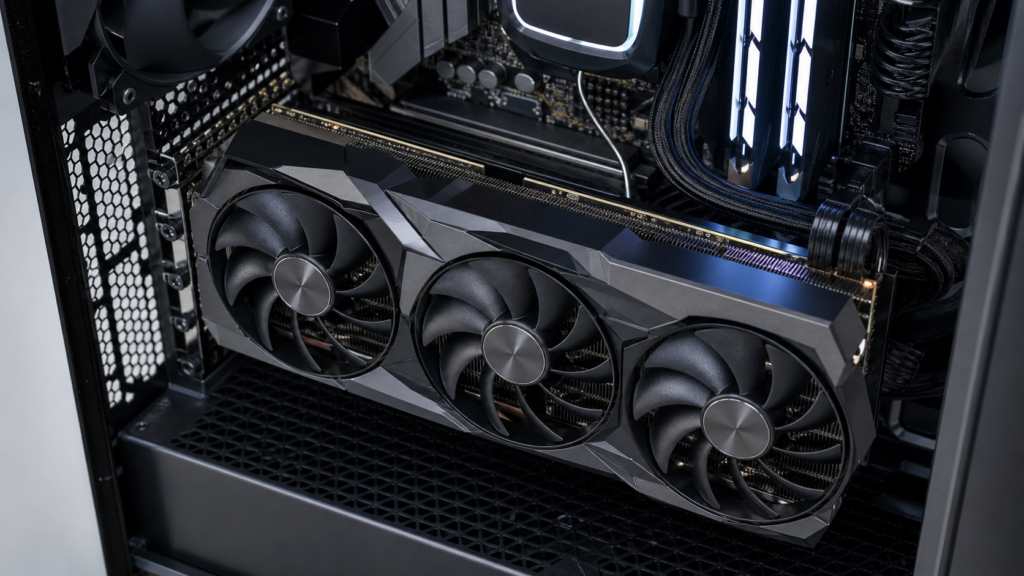
Graphics processing technology has become an essential part of modern computing. From gaming and content creation to artificial intelligence, engineering applications, and professional workloads, graphics processing units play a major role in delivering faster and more efficient computing experiences. A powerful graphics solution can improve visual performance, accelerate complex calculations, and support advanced software requirements.
NVIDIA desktop GPU chipset technology represents a major category of graphics processing solutions designed to deliver high-performance computing capabilities for desktop systems. These chipsets are developed to handle demanding workloads by processing graphics data efficiently and supporting advanced features for different user requirements.
Understanding how NVIDIA desktop GPU chipsets work, where they are used, and what factors influence performance can help users, system builders, and technology professionals make better decisions when selecting graphics hardware.
What Is an NVIDIA Desktop GPU Chipset?
An NVIDIA desktop GPU chipset is a specialized graphics processing component designed to perform complex visual and computational tasks within desktop computer systems. Unlike a traditional central processing unit that handles general computing operations, a GPU focuses on parallel processing.
A GPU chipset contains thousands of smaller processing units that work together to complete multiple operations simultaneously. This architecture makes GPUs highly effective for tasks that require large amounts of data processing.
Desktop GPU chipsets are commonly used for:
- Gaming systems
- Workstations
- Video editing computers
- Artificial intelligence applications
- 3D rendering systems
- Scientific computing
- Simulation environments
The chipset acts as the core processing engine of a graphics card and determines many aspects of its performance capabilities.
How Does a Desktop GPU Chipset Work?
A GPU chipset processes graphical information through parallel computing. When a computer displays images, videos, animations, or 3D environments, the GPU handles many calculations required to create smooth visuals.
The process involves several key functions:
Graphics Processing
The GPU converts data into images displayed on a monitor. It manages textures, lighting effects, shadows, and complex visual elements.
Parallel Computing
Unlike CPUs that typically focus on sequential tasks, GPUs are designed to perform many calculations at the same time. This makes them useful for workloads involving large datasets.
Memory Management
A GPU chipset works closely with dedicated graphics memory. This memory stores visual data such as textures, frames, and computational information.
Software Acceleration
Modern applications can use GPU resources to improve speed and efficiency. Programs designed for video production, design, and artificial intelligence often use GPU acceleration.
Key Features of NVIDIA Desktop GPU Chipsets
NVIDIA desktop GPU chipsets include several technologies designed to improve performance and efficiency.
Advanced Graphics Processing Architecture
Modern NVIDIA GPU designs use advanced architectures that improve processing efficiency, power management, and computing capabilities.
The architecture influences:
- Processing speed
- Energy efficiency
- Feature support
- Software compatibility
High-Speed Graphics Memory Support
Graphics memory plays an important role in overall GPU performance.
A GPU chipset with suitable memory capacity can handle:
- Higher-resolution graphics
- Larger datasets
- Complex visual effects
- Professional applications
The amount and speed of memory affect how efficiently the GPU manages demanding workloads.
Parallel Processing Capability
One of the main advantages of GPU technology is parallel processing.
A desktop GPU chipset can perform many calculations simultaneously, making it suitable for:
- Rendering
- Machine learning tasks
- Data analysis
- Simulation workloads
AI and Computing Features
Modern NVIDIA GPU solutions include technologies designed to support artificial intelligence and advanced computing applications.
These capabilities allow systems to perform tasks such as:
- Neural network processing
- Image recognition
- Data acceleration
- Automated computing operations
Energy Efficiency Improvements
GPU development focuses not only on performance but also on efficient power usage.
Improved designs help deliver stronger performance while managing energy consumption and heat generation.
Applications of NVIDIA Desktop GPU Chipsets
NVIDIA desktop GPU chipsets are used across many industries and computing environments.
Gaming
Gaming is one of the most recognized uses of desktop GPUs.
A capable GPU chipset helps provide:
- Higher frame rates
- Better visual quality
- Smoother gameplay
- Support for advanced graphics features
Modern games require powerful graphics processing to create realistic environments and detailed visuals.
Content Creation
Professionals working with multimedia rely heavily on GPU performance.
Applications such as:
- Video editing
- Animation
- Graphic design
- Photography processing
can benefit from GPU acceleration.
A strong GPU chipset reduces processing time and improves workflow efficiency.
3D Rendering and Design
Architects, engineers, and designers use GPU-powered systems for creating detailed models and realistic visualizations.
GPU acceleration helps process:
- Complex models
- Real-time previews
- Rendering calculations
- Simulation environments
Artificial Intelligence and Machine Learning
GPU chipsets are widely used in AI development because they can process large amounts of data simultaneously.
They support workloads such as:
- Training machine learning models
- Data analysis
- Computer vision
- AI experimentation
Professional Workstations
Many professional systems require reliable graphics performance for specialized applications.
Industries using GPU-powered workstations include:
- Engineering
- Healthcare imaging
- Research
- Media production
Benefits of Using NVIDIA Desktop GPU Chipset Technology
Choosing the right GPU chipset can provide several advantages.
Improved Performance
A dedicated GPU reduces the workload placed on the CPU and provides faster processing for graphics-intensive tasks.
This results in smoother performance and better responsiveness.
Better Visual Quality
Advanced GPU technology allows systems to display more detailed graphics with improved accuracy and realism.
Users benefit from:
- Higher resolutions
- Better textures
- More realistic effects
Faster Professional Workflows
Creative professionals can complete tasks more efficiently with GPU acceleration.
Rendering, exporting, and processing times can often be improved with suitable hardware.
Support for Modern Applications
Many modern software applications are designed to take advantage of GPU capabilities.
A capable chipset helps maintain compatibility with demanding programs.
Factors to Consider When Choosing an NVIDIA Desktop GPU Chipset
Selecting the right GPU requires understanding specific performance requirements.
Intended Usage
The best GPU choice depends on how the system will be used.
Different users have different needs:
- Casual users need basic graphics performance.
- Gamers need strong rendering capability.
- Professionals may require advanced computing power.
Performance Requirements
Important performance factors include:
- Processing capability
- Memory capacity
- Software compatibility
- Power requirements
Understanding workload demands helps prevent choosing hardware that is either too limited or unnecessarily powerful.
System Compatibility
A GPU chipset must work properly with the rest of the computer system.
Important considerations include:
- Motherboard compatibility
- Power supply capacity
- Physical space inside the case
- Cooling requirements
Thermal Management
High-performance GPUs generate heat during operation.
Proper cooling helps maintain stable performance and extends hardware reliability.
Cooling considerations include:
- Airflow
- Heat sinks
- Fans
- System ventilation
NVIDIA Desktop GPU Chipset Performance Factors
Several technical specifications influence GPU performance.
Processing Units
The number and design of processing units affect how many operations the GPU can complete simultaneously.
Clock Speed
Clock speed influences how quickly the GPU performs calculations.
Higher speeds can improve performance in certain workloads.
Memory Bandwidth
Memory bandwidth determines how quickly data moves between the GPU and its memory.
Higher bandwidth can improve performance in demanding applications.
Software Optimization
Hardware performance also depends on software support.
Well-optimized applications can take better advantage of GPU capabilities.
Maintaining a Desktop GPU System
Proper maintenance helps keep GPU performance consistent.
Keep Components Clean
Dust buildup can reduce cooling efficiency.
Regular cleaning helps maintain airflow.
Monitor Temperatures
Checking operating temperatures can help identify cooling problems before they affect performance.
Update Drivers
Graphics drivers improve compatibility and performance with applications and operating systems.
Ensure Proper Power Supply
A stable power source is important for reliable GPU operation.
Future Developments in Desktop GPU Technology
GPU technology continues to evolve rapidly.
Future improvements are expected in areas such as:
- Artificial intelligence acceleration
- Energy efficiency
- Real-time graphics
- Advanced computing
- Improved processing architectures
As software becomes more demanding, GPU technology will continue playing an important role in modern computing.
Conclusion
NVIDIA desktop GPU chipset technology provides powerful graphics and computing capabilities for a wide range of applications. From gaming and creative workflows to artificial intelligence and professional systems, GPU chipsets help computers handle complex tasks with greater speed and efficiency.
Choosing the right GPU solution requires understanding performance needs, compatibility requirements, and intended usage. With proper selection and maintenance, a desktop GPU chipset can provide reliable performance and support demanding workloads for years.
FAQs
What is an NVIDIA desktop GPU chipset?
An NVIDIA desktop GPU chipset is a graphics processing component designed to handle visual processing and parallel computing tasks in desktop systems.
Why are NVIDIA desktop GPU chipsets used for gaming?
They provide powerful graphics processing that supports smoother gameplay, higher resolutions, and advanced visual effects.
Can an NVIDIA desktop GPU chipset help with professional applications?
Yes, many professional applications use GPU acceleration for faster rendering, editing, simulation, and computational tasks.
What factors affect NVIDIA desktop GPU chipset performance?
Performance depends on architecture, processing capability, memory, cooling, software optimization, and system compatibility.
How do I choose the right NVIDIA desktop GPU chipset?
The right choice depends on your workload, performance requirements, system specifications, and budget considerations.
Do NVIDIA desktop GPU chipsets require special cooling?
High-performance GPU chipsets may require effective cooling solutions to maintain stable operation.
Are NVIDIA desktop GPU chipsets useful for AI workloads?
Yes, many NVIDIA GPU solutions are designed to accelerate artificial intelligence and machine learning tasks.