
Skin conditions can affect daily comfort, confidence, and overall quality of life. Many people who experience concerns such as psoriasis, eczema, vitiligo, or other inflammatory...
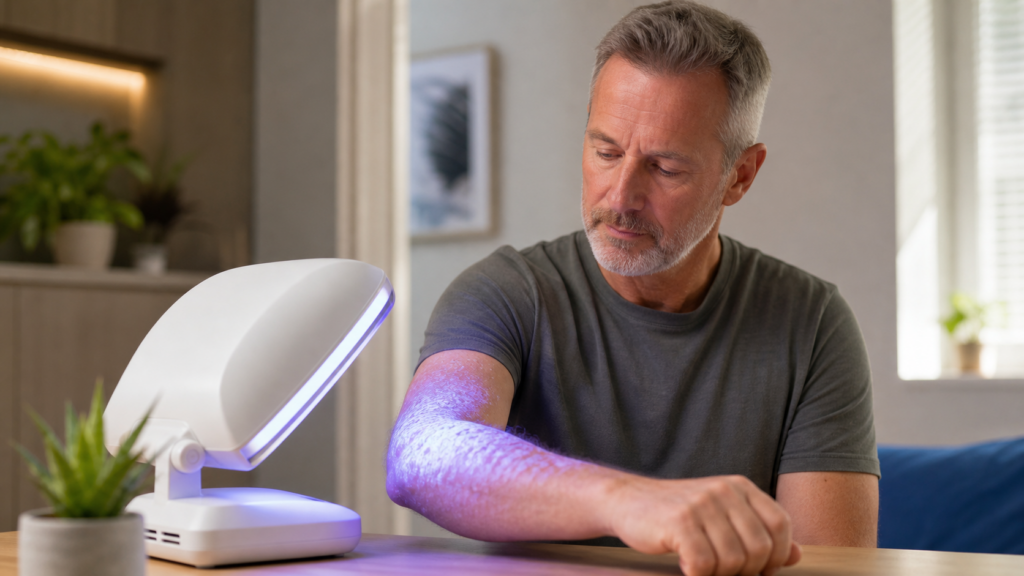
Skin conditions can affect daily comfort, confidence, and overall quality of life. Many people who experience concerns such as psoriasis, eczema, vitiligo, or other inflammatory skin problems search for treatment options that are effective and convenient. Home phototherapy has become a popular choice because it allows people to follow a structured light treatment routine without frequent visits to a clinic.
UVB light therapy at home results can vary from person to person depending on the skin condition, treatment consistency, device quality, skin type, and individual response. Some people may notice early changes after several weeks, while others may need longer periods of regular sessions before seeing significant improvements.
UVB light therapy uses controlled ultraviolet B light exposure to influence certain skin processes. Unlike casual sunlight exposure, therapeutic UVB treatment is carefully measured to provide controlled doses. The goal is to support healthier skin function while managing symptoms associated with specific conditions.
Understanding what results to expect, how long improvements may take, and how to use home UVB therapy correctly can help users create realistic expectations and follow a safer treatment routine.
What Is UVB Light Therapy?
UVB light therapy is a type of phototherapy that uses ultraviolet B light wavelengths for targeted skin treatment. It is commonly used in dermatology to help manage several chronic skin conditions.
UVB light works by interacting with skin cells and immune responses. In certain conditions, the immune system becomes overactive and causes inflammation, excessive skin cell production, redness, itching, or visible patches.
Controlled UVB exposure may help:
- Reduce skin inflammation
- Slow excessive skin cell growth
- Improve the appearance of affected areas
- Support more balanced skin activity
One commonly used form is narrowband UVB therapy, which delivers a specific range of UVB light designed for therapeutic purposes.
Home UVB devices allow users to perform treatments in their own environment while following recommended schedules and safety practices.
How Does UVB Light Therapy at Home Work?
Home UVB therapy involves exposing affected skin areas to controlled UVB light for a specific amount of time. The process is usually planned according to the user’s skin sensitivity, condition, and treatment goals.
The treatment process generally includes several steps.
Preparing the Skin
Before a session, the skin should be clean and free from products that may affect light exposure.
Users usually prepare the treatment area by:
- Cleaning the skin gently
- Removing unnecessary skincare products
- Ensuring the device is positioned correctly
Proper preparation helps provide more consistent exposure.
Using the UVB Device
The UVB device delivers light to the targeted area. Exposure time depends on the device settings and personal treatment requirements.
Treatment sessions are usually short, especially during the beginning stages.
The skin needs time to adjust to UVB exposure, so increasing exposure too quickly may cause irritation.
Following a Regular Routine
Consistency is one of the most important parts of successful phototherapy.
UVB treatment usually requires repeated sessions over time. Occasional use may not provide the same level of improvement as following a structured routine.
How Long Does It Take to See UVB Light Therapy at Home Results?
One of the most common questions people ask is how quickly they will see changes.
The timeline is different for every person. Factors such as skin condition, severity, treatment frequency, and individual response all influence progress.
Early Treatment Stage
During the first few sessions, the main focus is helping the skin adjust to UVB exposure.
Many people do not notice dramatic changes immediately. This stage is about building consistency and understanding how the skin responds.
Possible early signs may include:
- Reduced irritation
- Slight improvement in skin comfort
- Better control of symptoms
After Several Weeks
After consistent treatment, some users may begin noticing more visible improvements.
Changes may include:
- Less redness
- Reduced scaling
- Improved skin texture
- Fewer visible problem areas
The exact timing depends on the condition being treated.
After Several Months
Longer-term users may experience more noticeable improvements with continued treatment.
Some people continue maintenance sessions after achieving improvement to help manage recurring symptoms.
UVB therapy is usually considered a gradual management approach rather than an instant solution.
Factors That Influence UVB Light Therapy at Home Results
Many factors can affect how quickly and effectively someone responds to UVB treatment.
The Type of Skin Condition
Different skin conditions respond differently to UVB exposure.
For example:
- Psoriasis may respond through reduced excessive skin cell activity.
- Vitiligo treatment may focus on supporting pigment restoration.
- Eczema management may involve reducing inflammation.
The condition itself plays a major role in determining expected results.
Treatment Consistency
Regular treatment is essential.
People who follow their recommended schedules are generally more likely to see steady progress compared with those who frequently skip sessions.
Creating a simple routine can make treatment easier to maintain.
Device Quality
The type of UVB device used can influence treatment experience.
Important considerations include:
- Reliable UVB output
- Appropriate treatment settings
- Proper coverage area
- Safety features
A suitable device should match the user’s treatment needs.
Individual Skin Response
Everyone’s skin reacts differently.
Factors that may influence results include:
- Skin sensitivity
- Natural healing response
- Previous treatments
- Condition severity
Some people improve quickly, while others require more time.
Benefits of UVB Light Therapy at Home
Home UVB therapy offers several practical benefits for people managing long-term skin conditions.
Convenience
One of the biggest advantages is convenience.
Instead of traveling regularly for appointments, users can complete sessions at home.
This can make it easier to maintain a consistent routine.
Better Treatment Flexibility
Home treatment allows users to choose a time that fits their schedule.
This flexibility can help people continue therapy even with busy lifestyles.
Targeted Skin Treatment
Many home UVB devices are designed for specific areas.
This allows users to focus treatment where it is needed.
Long-Term Management Support
For chronic skin conditions, ongoing management is often important.
Home therapy can become part of a regular skincare routine when used appropriately.
Conditions Commonly Treated With UVB Therapy
UVB phototherapy is commonly associated with several skin conditions.
Psoriasis
Psoriasis causes rapid skin cell buildup, leading to thick, dry, and irritated patches.
UVB therapy may help slow this excessive skin cell activity and improve visible symptoms.
Vitiligo
Vitiligo causes areas of lighter skin due to reduced pigment production.
UVB treatment may be used as part of a broader approach to encourage repigmentation in some individuals.
Eczema
Eczema often involves inflammation, dryness, and itching.
UVB therapy may help calm certain inflammatory responses affecting the skin.
Other Skin Concerns
Doctors may recommend phototherapy for additional conditions depending on individual circumstances.
Tips to Improve Your UVB Light Therapy Experience
Getting better results requires patience, consistency, and proper habits.
Follow Instructions Carefully
Always use the device according to recommended guidelines.
Avoid increasing exposure times without proper advice.
Keep a Treatment Record
Tracking sessions can help users understand progress.
Useful details to record include:
- Treatment dates
- Exposure duration
- Skin changes
- Any reactions
Take Progress Photos
Skin improvements can happen gradually.
Photos taken over time can make changes easier to notice.
Protect Your Eyes
Proper eye protection is important during UVB treatment.
Avoid direct exposure to areas that should not receive treatment.
Be Patient
UVB therapy usually works gradually.
Comparing results over weeks or months is more useful than expecting immediate changes.
Common Mistakes That May Affect Results
Some habits can reduce the effectiveness of home UVB treatment.
Inconsistent Sessions
Skipping many treatments may slow progress.
A regular schedule is important for maintaining steady improvement.
Using Too Much Exposure
More UVB exposure does not automatically mean faster results.
Excessive exposure may increase irritation and discomfort.
Ignoring Skin Reactions
Pay attention to how your skin responds.
Persistent redness, discomfort, or unusual reactions should not be ignored.
Safety Considerations for Home UVB Therapy
Although UVB therapy can provide benefits, responsible use is important.
Possible temporary reactions may include:
- Mild redness
- Dryness
- Skin sensitivity
- Temporary irritation
Following proper treatment guidelines can help reduce unwanted effects.
People with certain medical conditions or those using medications that increase light sensitivity should seek professional advice before beginning treatment.
Home UVB Therapy vs Professional Phototherapy
Both home and clinic-based phototherapy use UVB light principles, but the experience is different.
Professional treatment provides direct monitoring and adjustments by healthcare professionals.
Home treatment provides flexibility and convenience.
The best option depends on:
- Treatment goals
- Skin condition
- Lifestyle needs
- Professional recommendations
Some people prefer home therapy because it makes regular treatment easier to maintain.
How to Know If Your Treatment Is Working
Progress can appear in different ways.
Possible signs of improvement include:
- Reduced redness
- Smoother skin appearance
- Less itching
- Fewer visible patches
- Better overall skin comfort
Results should be evaluated over time rather than after only a few sessions.
Conclusion
UVB light therapy at home can be a convenient option for people looking for a structured way to manage certain skin conditions. The results usually develop gradually and depend on many factors, including consistency, skin response, treatment routine, and the condition being treated.
UVB light therapy at home results are not the same for everyone, and patience is an important part of the process. Following a careful routine, using the device correctly, and maintaining realistic expectations can help users get the most from their treatment experience.
FAQs
How long does it take to see UVB light therapy at home results?
Many people begin noticing changes after several weeks of consistent treatment, but the timeline varies depending on the condition and individual response.
Are UVB light therapy at home results permanent?
Results may vary. Some people require maintenance sessions because certain skin conditions can return over time.
Can UVB light therapy be used every day?
Treatment schedules depend on the device, condition, and professional guidance. More exposure is not always better.
Is home UVB therapy suitable for psoriasis?
UVB therapy is commonly used for psoriasis management, but treatment plans should be appropriate for each individual.
Can UVB therapy improve eczema symptoms?
Some people with eczema may experience improvement with UVB therapy, especially when inflammation is a major concern.
Why are my UVB light therapy at home results taking longer?
Results may take longer due to factors such as condition severity, inconsistent sessions, skin response, or treatment settings.
What should I do before starting home UVB therapy?
It is important to understand proper device use, safety precautions, and whether UVB treatment is suitable for your skin condition.