
Warehouses depend on strong and reliable storage systems to keep products organized and operations running smoothly. However, pallet racking systems are exposed to daily risks...
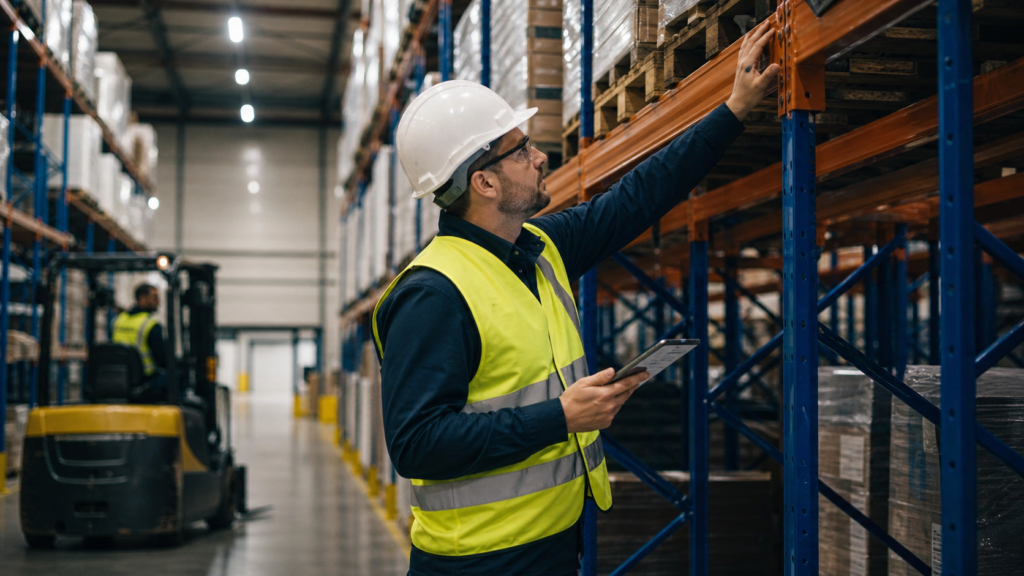
Warehouses depend on strong and reliable storage systems to keep products organized and operations running smoothly. However, pallet racking systems are exposed to daily risks such as forklift impacts, heavy loads, incorrect storage practices, and general wear over time. Without proper monitoring, even small issues can become serious safety problems. This is why racking inspections are an important part of warehouse safety management.
Regular racking inspections help businesses identify damage, maintain safe storage conditions, and reduce risks associated with damaged or overloaded rack systems. A professional inspection provides a detailed assessment of the condition of warehouse racking and highlights areas that may require repair, adjustment, or further attention.
For businesses operating warehouses, distribution centres, and industrial storage facilities, maintaining safe racking is not only about protecting products. It is also about creating a safer workplace for employees who work around heavy storage structures every day.
What Are Racking Inspections?
Racking inspections are structured safety checks carried out to examine the condition, stability, and performance of warehouse storage systems.
During an inspection, trained professionals assess different components of the racking structure, including:
- Upright frames
- Horizontal beams
- Safety pins and connectors
- Bracing components
- Load notices
- Rack protection systems
- General storage conditions
The purpose is to identify any damage, weakness, or unsafe conditions before they create larger problems.
A warehouse racking system may appear stable from a distance, but small issues such as bent beams, damaged uprights, or missing components can affect its ability to safely support stored goods.
Why Are Racking Inspections Important?
Warehouse environments experience constant activity. Forklifts move through aisles, pallets are loaded and removed, and employees work around storage structures throughout the day.
Regular inspections help businesses:
- Identify damage early
- Reduce workplace risks
- Protect employees
- Prevent stock damage
- Maintain efficient warehouse operations
- Support safety compliance
Small problems discovered early are usually easier and less expensive to correct compared with major structural failures.
Common Causes of Racking Damage
Understanding what causes rack damage helps businesses create better prevention strategies.
Forklift Impact
One of the most common causes of warehouse rack damage is accidental contact from forklifts.
Even a minor collision can affect:
- Rack uprights
- Beams
- Protective barriers
- Structural alignment
Repeated impacts can weaken the system over time.
Overloading Storage Systems
Every racking system has specific load limits. Storing products beyond recommended capacity can place excessive pressure on rack components.
Overloading may lead to:
- Bent beams
- Structural stress
- Reduced stability
- Increased safety risks
Incorrect Loading Practices
Poor pallet placement or uneven weight distribution can affect rack performance.
Employees should follow correct loading procedures to ensure weight is distributed safely.
General Wear and Tear
Like any industrial equipment, warehouse racking systems experience natural deterioration over time.
Regular inspections help identify issues caused by:
- Age
- Frequent use
- Environmental conditions
- Repeated handling activities
What Happens During a Professional Racking Inspection?
A professional inspection follows a systematic approach to evaluate warehouse rack safety.
Visual Examination
The inspector reviews the complete racking system and looks for visible signs of damage.
This may include checking:
- Bent components
- Cracks
- Loose connections
- Missing parts
- Incorrect installations
Structural Assessment
Inspectors evaluate whether the rack structure remains stable and suitable for continued use.
They check whether components are properly aligned and functioning as intended.
Safety Review
The inspection may also include reviewing warehouse practices, such as:
- Storage methods
- Load information
- Rack protection
- General working conditions
Inspection Report
After completing the assessment, businesses receive findings that explain any issues identified.
A report may include:
- Damage details
- Risk levels
- Recommended actions
- Repair requirements
This gives warehouse managers a clear understanding of the condition of their storage systems.
How Often Should Racking Inspections Be Completed?
The frequency of inspections depends on warehouse activity, equipment use, and workplace conditions.
Many safety guidelines recommend regular checks, including routine internal observations and periodic professional inspections by qualified inspectors.
Businesses should consider more frequent inspections when:
- Forklift traffic is high
- Warehouses operate continuously
- Damage incidents occur
- Storage conditions change
- New racking is installed
Regular monitoring helps identify problems before they become serious.
Benefits of Regular Racking Inspections
Improved Warehouse Safety
The biggest benefit of racking inspections is creating a safer workplace.
Identifying damaged components early reduces the possibility of accidents and helps protect employees working near storage systems.
Reduced Repair Costs
Ignoring small issues can result in larger repair requirements.
Regular inspections allow businesses to address minor damage before it becomes expensive.
Better Inventory Protection
Stable racking systems help protect stored products from damage caused by structural problems.
This is especially important for warehouses storing valuable or fragile goods.
Improved Operational Efficiency
Safe and well-maintained racking allows warehouse operations to continue smoothly.
Employees can work confidently knowing that storage systems are properly maintained.
Stronger Safety Documentation
Inspection records provide evidence that a business is actively managing warehouse safety.
These records can support internal reviews, insurance requirements, and safety management processes.
Signs That Your Warehouse Needs a Racking Inspection
Businesses should arrange an inspection if they notice:
Visible Rack Damage
Signs such as bent frames, damaged beams, or missing components should be reviewed immediately.
Forklift Accidents
Any significant impact involving warehouse racking should trigger a safety assessment.
Changes in Storage Requirements
When businesses increase inventory levels or change storage layouts, inspections help ensure the system remains suitable.
Unusual Movement or Instability
Any signs of movement, leaning, or instability should be investigated by qualified professionals.
Difference Between Routine Checks and Professional Racking Inspections
Routine checks are usually completed by warehouse staff who monitor visible issues during normal operations.
Professional racking inspections involve trained specialists who perform detailed assessments of the storage system.
Both processes are important.
Routine checks help identify immediate concerns, while professional inspections provide a deeper evaluation of overall rack safety.
Preparing for a Racking Inspection
Businesses can make inspections more effective by preparing properly.
Helpful steps include:
- Keeping aisles clear
- Providing access to all rack areas
- Maintaining updated rack information
- Reviewing previous inspection reports
- Informing employees about inspection schedules
A well-organized warehouse allows inspectors to complete assessments more efficiently.
Choosing the Right Racking Inspection Service
When selecting an inspection provider, businesses should consider several factors.
Qualified Inspectors
Inspectors should have appropriate training and knowledge of warehouse storage systems.
Industry Experience
Experienced inspectors understand common warehouse risks and can identify problems effectively.
Detailed Reporting
A good inspection service should provide clear reports that explain findings and recommended actions.
Independent Assessment
An independent inspection provides an objective evaluation of rack safety conditions.
The Future of Warehouse Safety Inspections
Technology is changing how businesses manage warehouse safety. Digital inspection tools, reporting systems, and data tracking solutions are helping companies maintain better records and identify issues faster.
Modern warehouses are increasingly using technology to support preventive maintenance and improve safety management.
However, professional expertise remains essential because experienced inspectors can evaluate conditions that automated systems may not fully understand.
Conclusion: Why Racking Inspections Should Be a Warehouse Priority
Racking inspections play a vital role in maintaining safe and efficient warehouse operations. They help identify damage, prevent avoidable risks, protect employees, and support better storage management. By investing in regular inspections and proper maintenance, businesses can extend the life of their racking systems while creating a safer working environment. A proactive approach to rack safety is always better than waiting for problems to develop.
FAQs
What are racking inspections?
Racking inspections are safety assessments that check warehouse storage systems for damage, structural issues, and unsafe conditions.
Why are racking inspections important?
They help identify problems early, reduce workplace risks, protect inventory, and maintain safer warehouse operations.
How often should racking inspections be carried out?
Inspection frequency depends on warehouse conditions, usage levels, and safety requirements. Regular checks and professional assessments are recommended.
Who should perform racking inspections?
Professional inspections should be completed by trained and qualified inspectors with experience in warehouse storage systems.
What problems can racking inspections identify?
They can identify damaged beams, bent uprights, loose components, overloading issues, and other safety concerns.
Can damaged racking be repaired?
In many cases, damaged components can be repaired or replaced depending on the severity of the issue.
Are racking inspections required for warehouse safety?
Regular inspections are an important part of responsible warehouse safety management and help businesses maintain secure storage environments.