
Industrial facilities play an important role in producing and processing energy resources that support modern life. However, when safety systems fail, equipment malfunctions, or proper...
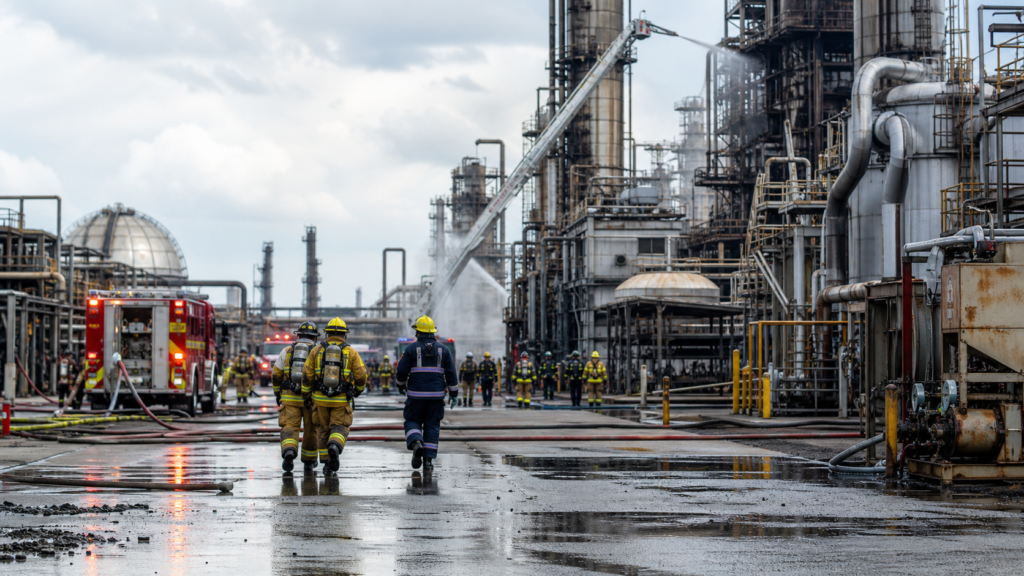
Industrial facilities play an important role in producing and processing energy resources that support modern life. However, when safety systems fail, equipment malfunctions, or proper procedures are ignored, the consequences can be devastating. Refinery explosion accidents are among the most dangerous industrial incidents because they can cause severe injuries, environmental damage, financial losses, and long-term effects for workers and surrounding communities.
Refineries operate with highly flammable materials, complex machinery, and advanced chemical processes. Because of these risks, companies must maintain strict safety standards, provide proper training, and follow industry regulations. When negligence or preventable mistakes contribute to an explosion, affected workers and families may need professional guidance to understand their legal rights.
What Are Refinery Explosion Accidents?
Refinery explosion accidents occur when combustible materials, chemicals, or gases inside an industrial processing facility ignite unexpectedly. These incidents can involve fires, pressure releases, equipment failures, or chemical reactions that create dangerous explosions.
Refineries contain numerous hazards, including pipelines, storage tanks, processing units, and high-pressure systems. Even a small failure in one area can trigger a chain reaction if safety measures are not properly maintained.
Although some incidents may result from unexpected technical problems, many refinery explosions are connected to preventable issues such as poor maintenance, inadequate inspections, equipment defects, or unsafe operating practices.
Common Causes of Refinery Explosion Accidents
Understanding the causes behind refinery explosions is important for improving workplace safety and identifying responsibility after an incident. Several factors can contribute to these dangerous events.
Equipment Failure and Poor Maintenance
Refinery equipment must operate under demanding conditions involving extreme temperatures, pressure, and chemical exposure. Over time, machinery can experience wear, corrosion, or structural problems.
When companies fail to inspect, repair, or replace damaged equipment, small issues can develop into serious failures. Broken valves, leaking pipes, faulty pressure systems, and damaged storage units may increase the risk of fires and explosions.
Regular maintenance and proper monitoring are essential parts of preventing refinery explosion accidents.
Chemical Leaks and Flammable Material Release
Refineries process materials that can become highly dangerous when released into the surrounding environment. Gas leaks, fuel leaks, and chemical spills can create conditions where ignition becomes possible.
If detection systems fail or workers are not properly trained to respond quickly, a minor leak can escalate into a major explosion.
Therefore, companies must use effective safety procedures, monitoring technology, and emergency response plans to reduce these risks.
Human Error and Unsafe Practices
Workers in refinery environments must follow strict safety procedures because even small mistakes can have serious consequences. Human error may involve incorrect equipment operation, failure to follow safety guidelines, or poor communication between teams.
However, workplace accidents are not always caused by individual workers. In many cases, unsafe conditions are connected to inadequate training, poor management decisions, understaffing, or pressure to prioritize production over safety.
Lack of Proper Safety Measures
Refinery operators have a responsibility to create safe working environments. This includes providing protective equipment, conducting regular safety inspections, maintaining emergency systems, and ensuring employees receive proper training.
When companies ignore safety requirements or fail to address known hazards, workers and nearby communities may face unnecessary risks.
The Impact of Refinery Explosion Accidents
The consequences of refinery explosions can extend far beyond the initial incident. These accidents may affect employees, emergency responders, families, and communities.
Serious Worker Injuries
Refinery explosions can cause severe injuries, including burns, fractures, respiratory problems, and other life-changing conditions. Some workers may require extensive medical treatment, rehabilitation, or long-term care.
The physical and emotional effects of these injuries can significantly impact a person’s quality of life.
Loss of Life
In the most tragic cases, refinery explosions result in fatalities. Families who lose loved ones may experience emotional suffering along with financial challenges caused by the loss of income and support.
Environmental Damage
Refinery explosions can release hazardous substances into the environment. Air pollution, chemical contamination, and damage to nearby areas may create long-term concerns for residents and ecosystems.
Financial Consequences
Industrial explosions can create major financial losses for workers, companies, and communities. Medical expenses, property damage, business interruptions, and recovery costs can create significant burdens.
How Companies Can Prevent Refinery Explosion Accidents
Prevention requires ongoing commitment to safety, proper planning, and responsible management. Refineries must continuously evaluate risks and improve their safety systems.
Important prevention measures include:
- Regular equipment inspections and maintenance
- Employee safety training programs
- Emergency response planning
- Proper handling of hazardous materials
- Effective communication between workers and management
- Monitoring systems for leaks and equipment problems
Additionally, companies should create a workplace culture where employees can report hazards without fear of punishment.
The Role of Safety Regulations in Refinery Operations
Government and industry safety standards are designed to reduce workplace risks and protect employees. These regulations often require companies to maintain equipment, train workers, and implement safety procedures.
Compliance with safety requirements helps reduce the likelihood of refinery explosion accidents. However, regulations are only effective when companies actively follow them and prioritize worker protection.
Legal Rights After Refinery Explosion Accidents
Workers and families affected by refinery explosions may have questions about their legal options. Depending on the circumstances, victims may be able to seek compensation for injuries, financial losses, or other damages.
A legal claim may involve investigating whether negligence, unsafe conditions, equipment failures, or violations of safety responsibilities contributed to the incident.
Because refinery cases often involve technical details and multiple parties, professional legal guidance can help victims understand their rights.
How Evidence Is Investigated After a Refinery Explosion
Investigating refinery explosion accidents requires careful analysis of the events leading up to the incident. Investigators may review maintenance records, safety reports, employee statements, equipment history, and company procedures.
Experts may also examine whether proper safety measures were followed and whether known risks were ignored.
Strong evidence can help determine what caused the explosion and whether responsible parties failed to meet their safety obligations.
Compensation Considerations for Victims
Individuals affected by refinery explosions may face medical expenses, lost wages, rehabilitation costs, and emotional challenges.
Depending on the situation, compensation may help address:
- Medical treatment expenses
- Lost income and future earning ability
- Rehabilitation and recovery costs
- Pain and suffering
- Financial support for families after fatal incidents
Each case is different, and available legal options depend on the specific circumstances surrounding the accident.
Choosing Professional Legal Support After a Refinery Explosion
After a serious industrial accident, choosing experienced legal support can help victims better understand the process ahead. A knowledgeable legal professional can review the details of the incident, explain available options, and help protect the rights of affected individuals.
Furthermore, refinery explosion cases often involve large companies, insurance providers, and complex investigations. Having guidance can help victims make informed decisions during a challenging time.
Why Workplace Safety Must Remain a Priority
Refinery explosion accidents demonstrate why workplace safety cannot be treated as optional. Companies that operate dangerous facilities must continuously invest in training, maintenance, and prevention strategies.
A strong safety culture protects workers, reduces risks, and helps prevent devastating incidents. When safety responsibilities are ignored, the consequences can affect individuals, families, and entire communities.
Frequently Asked Questions
What are the main causes of refinery explosion accidents?
Common causes include equipment failure, chemical leaks, poor maintenance, unsafe work practices, inadequate training, and failures in safety systems.
Who can be responsible for a refinery explosion?
Responsibility may depend on the circumstances. Possible responsible parties can include facility operators, equipment manufacturers, contractors, or others involved in maintaining safe operations.
What should workers do after a refinery explosion?
Workers should seek medical attention, report injuries, document available information, and consider obtaining professional advice about their rights.
Can families seek compensation after a fatal refinery accident?
Families may have legal options depending on the circumstances of the incident and applicable laws. Professional guidance can help determine available claims.
How can refinery explosions be prevented?
Prevention involves proper maintenance, employee training, safety inspections, emergency planning, and strict compliance with workplace safety practices.
Conclusion
Refinery explosion accidents are serious industrial events that can create life-changing consequences for workers, families, and communities. These incidents often involve complex factors, including equipment failures, unsafe conditions, poor maintenance, or failures in safety procedures.
Preventing these accidents requires continuous attention to workplace safety, responsible management, and proper risk control. When an explosion occurs because safety responsibilities were ignored, affected individuals may need guidance to understand their legal options and protect their future.
Through proper investigation, accountability, and stronger safety practices, companies can reduce risks and help create safer industrial environments for everyone.