
A durable rock bag provides a practical way to collect, organize, carry, or store rocks and other dense materials when the bag is specifically designed for the...
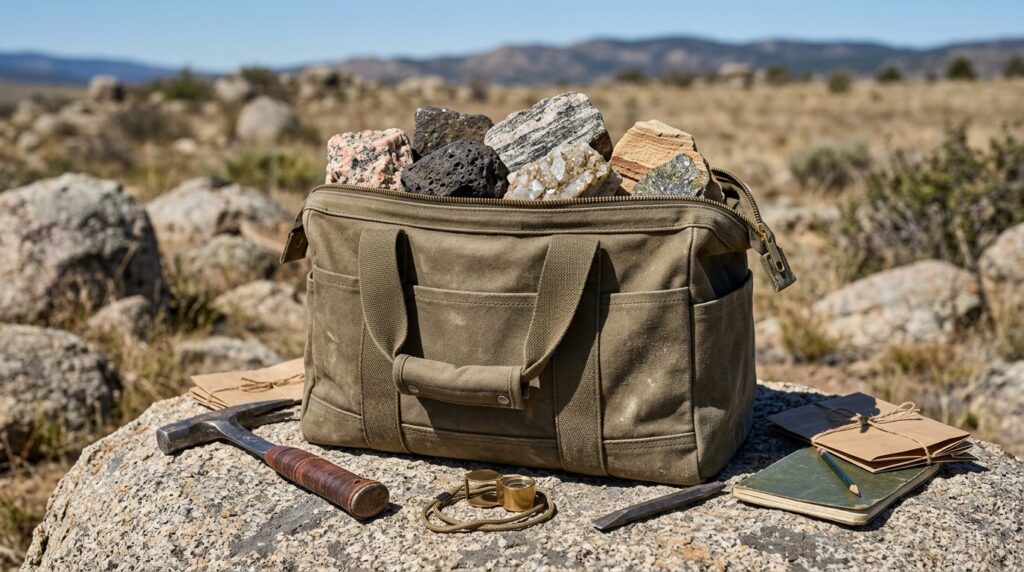
A durable rock bag provides a practical way to collect, organize, carry, or store rocks and other dense materials when the bag is specifically designed for the intended load. The term can describe geological sample bags used during fieldwork, reinforced carrying bags for rock and mineral specimens, small specimen pouches for collectors, and specialized weighted bags used in other industries. Because these products serve very different purposes, buyers need to consider material, load capacity, dimensions, closure type, handles, abrasion resistance, moisture exposure, labeling requirements, and intended use rather than choosing by appearance alone.
What Is a Rock Bag?
A rock bag is a container designed to hold rocks, stones, geological samples, mineral specimens, or other materials in applications where ordinary lightweight bags may be unsuitable.
There is no single standardized product represented by the term.
A geologist may use numerous small sample bags to separate field specimens and maintain identification. A mineral collector may prefer a padded or reinforced carrying bag that protects valuable samples during transportation. Contractors and landscapers may use much heavier sacks or bulk bags specifically rated for stone and aggregate.
There are also products called rock bags in diving, marine, tent, ballast, and equipment applications.
The appropriate design is therefore determined by what the bag needs to contain and what function the rocks themselves perform.
How Is a Rock Bag Different From an Ordinary Bag?
Rocks are unusually demanding cargo.
They can be heavy relative to their size, while sharp edges and abrasive surfaces can rapidly damage thin fabric.
Moisture and soil may create additional challenges.
A suitable product may therefore use reinforced stitching, abrasion resistant materials, stronger handles, secure closures, and construction designed for a specified load.
An everyday shopping bag should not be assumed capable of safely carrying dense stone merely because the stones physically fit inside it.
9 Powerful Benefits of Using a Quality Rock Bag
The advantages depend on the particular product, but purpose appropriate bags can improve organization, transportation, and sample handling.
1. A Rock Bag Makes Heavy Materials Easier to Organize
Loose rocks can quickly become difficult to manage during fieldwork, collecting, or transportation.
Separating them into appropriate bags keeps material contained and makes inventory more systematic.
For geological work, separate specimen bags can also reduce the likelihood of accidentally mixing samples collected from different locations.
Organization becomes particularly important when specimens will later be analyzed or cataloged.
2. Reinforced Materials Can Handle Abrasion Better
Rock edges repeatedly rub against the inner surface as a bag moves.
This makes abrasion resistance an important specification.
Rock Bag Material Selection
Heavy woven synthetic fabrics, canvas, specialized sample materials, and other textiles may be used depending on the application.
No Fabric Is Indestructible
Sharp specimens can eventually puncture or cut even robust material. Users should inspect bags before and during repeated use rather than assuming reinforcement eliminates failure risk.
3. Secure Closures Help Prevent Lost Specimens
A bag’s closure needs to match the contents.
Drawstrings, zippers, ties, hook and loop systems, or fold over designs can all be suitable for different applications.
Small mineral pieces require a closure that prevents them escaping during transport.
Larger rocks may need less containment but substantially stronger construction.
4. Handles Can Improve Short Distance Transport
Purpose designed handles make carrying easier than attempting to hold loose rocks.
Handle attachment points are especially important because they concentrate load into a relatively small section of the bag.
Handles on a Heavy Duty Rock Bag
Look for webbing or other reinforced handle systems appropriate to the intended load.
Respect the Rated Capacity
A strong looking handle is not evidence of unlimited strength. Follow the manufacturer’s stated load rating and lifting instructions.
5. Sample Bags Can Support Identification
Field sampling often depends on maintaining a reliable connection between the physical specimen and its recorded location or identifier.
Some sample bags provide space for labels or written information.
Geological Rock Bag Labeling
The identification approach should fit the project’s sampling protocol.
Preserve Sample Traceability
For professional geological or laboratory work, labeling, documentation, chain of custody, and contamination controls may be more important than the bag’s appearance.
6. Bags Can Separate Valuable Mineral Specimens
Collectors often want to prevent specimens from damaging one another.
Hard minerals, sharp crystals, and delicate formations should not simply be placed together in one large container.
Individual wrapping or protective pouches can provide additional separation.
For valuable or fragile specimens, a rigid padded container may be more suitable than a flexible bag.
7. Reusable Rock Bags Can Reduce Disposable Packaging
A durable reusable bag may replace repeated use of disposable carriers in suitable applications.
Whether reuse is environmentally preferable depends on material, manufacturing, lifespan, cleaning, and how frequently the bag is actually reused.
A reusable product should be selected because it can realistically withstand repeated service.
8. Different Sizes Support Different Applications
Rock bags can range from small specimen pouches to large industrial containers.
Selecting the right dimensions makes handling more practical.
Choosing Rock Bag Size
Avoid choosing the largest available bag merely to maximize capacity.
Volume and Weight Are Different
Rocks are dense. A large bag can become dangerously heavy long before it is physically full, so rated weight is generally more important than volume alone.
9. Proper Bags Can Protect Vehicles and Other Equipment
Loose stones in a vehicle can roll, shift, shed dirt, or contact surrounding surfaces.
A robust container keeps material more controlled.
This does not mean a bag eliminates load securing requirements.
Heavy cargo should be transported according to appropriate vehicle loading and restraint practices.
Common Types of Rock Bag
Understanding product categories prevents buyers from purchasing a bag intended for an entirely different task.
Geological Sample Bags
Geological fieldwork often requires many separate containers.
Sample bags can hold rocks, soil, mineralized material, or other specimens depending on sampling procedures.
Material selection may be influenced by moisture, sample size, contamination concerns, and laboratory requirements.
Rock and Mineral Collecting Bags
Hobby collectors may prioritize portability, internal organization, and specimen protection.
Padded Specimen Bags
Padding can help protect surfaces during transportation.
Delicate Crystals May Need Rigid Protection
Flexible padding cannot prevent every impact. Fragile, valuable, or scientifically important specimens may require individual wrapping and rigid boxes.
Heavy Duty Rock Bags
A heavy duty bag is designed for greater loads and more demanding handling.
Manufacturers may use strong woven fabrics, reinforced seams, and substantial carrying straps.
The phrase heavy duty itself is not a technical load rating.
Always look for documented capacity.
Landscaping and Construction Applications
Stone, gravel, and aggregate can require industrial sacks or bulk handling products.
Bulk Bags for Rocks
Flexible intermediate bulk containers are engineered for specified industrial loads.
Never Lift Unrated Bags With Machinery
A handheld carrying bag should not be suspended from forklifts, cranes, excavators, or other lifting equipment unless it is explicitly designed, certified, and used for that purpose.
Rock Bag Materials
Material choice influences strength, abrasion resistance, moisture behavior, weight, and cost.
Canvas
Heavy canvas can provide useful durability for specimen collecting and general carrying.
It can also be relatively heavy and may retain moisture depending on its construction and treatment.
Nylon
Nylon based textiles can offer useful strength and abrasion resistance.
Performance depends on fabric construction and weight.
Polyester
Polyester fabrics are also common in durable bags.
Woven Polypropylene
Woven polypropylene is widely used in sacks and bulk material handling products.
Compare Construction, Not Material Names Alone
Two bags described as nylon or polypropylene can have dramatically different strengths because fabric weight, weave, seams, coatings, and construction differ.
Rock Bag Capacity and Load Ratings
The maximum safe load should be one of the first specifications checked.
A rock bag filled with dense material can become difficult to lift surprisingly quickly.
Weight Capacity
Use the manufacturer’s rated capacity where one is provided.
Do not estimate strength simply by examining fabric thickness.
Seam Strength
Failures often occur around seams and handles rather than through the center of a fabric panel.
Inspect High Stress Areas
Fraying stitches, damaged webbing, torn fabric, or distorted attachment points can indicate that the bag should no longer carry heavy loads.
Selecting a Rock Bag for Geological Fieldwork
Professional sampling requires more than strength.
The bag must support the sampling methodology.
Sample Identification
Each sample should maintain its correct identifier.
Water resistant tags or other documentation techniques may be required depending on field conditions.
Permanent Marking
Labels should remain legible throughout transport and storage.
Use Redundant Identification Where Appropriate
Some workflows place identifiers both inside and outside a sample container to reduce the consequences of one label becoming unreadable. Follow the specific project’s sampling protocol.
Rock Bag for Mineral Collectors
Collectors often care about protecting individual pieces rather than transporting the greatest possible total weight.
A compartmentalized approach can be useful.
Protecting Crystal Specimens
Crystals with exposed formations can chip when they contact other rocks.
Wrapping them individually provides additional protection.
Avoid Excessive Pressure
Packing too many specimens into one bag can create damaging contact.
Prioritize Specimen Value Over Convenience
If a piece is difficult to replace, protective packaging should reflect its importance.
Rock Bag for Camping and Outdoor Applications
Some outdoor products use rocks as ballast.
For example, weighted bags can help secure certain temporary equipment where conventional anchoring is unavailable and the manufacturer permits such use.
A generic geological bag should not automatically be used for this purpose.
Ballast Requirements
A ballast system should follow the equipment manufacturer’s stated weight and positioning requirements.
Wind Loads Can Be Dangerous
Temporary shelters and outdoor structures can experience significant forces in wind.
Follow Manufacturer Instructions
A bag of rocks does not automatically make a tent, canopy, sign, or other structure safely anchored under all weather conditions.
Rock Bags for Diving and Marine Uses
The term rock bag can also appear in diving, boating, and marine contexts.
Equipment used around water requires specialized considerations.
Materials, drainage, corrosion resistant hardware, and intended underwater use can affect design.
Do not substitute an ordinary carrying sack for safety related diving or marine equipment.
Products used for ballast, anchoring, or underwater activities should be purpose designed for the task.
Rock Bag Size Selection
The right dimensions depend on individual specimen size and manageable weight.
A small bag filled with dense rock can already become heavy.
Small Rock Bags
Small bags are useful for separating individual specimens or sample groups.
Medium Carrying Bags
Medium bags can accommodate field collecting without encouraging excessively large loads.
Large Rock Bags
Larger bags can be appropriate when mechanically handled or specifically engineered for bulk material.
Avoid Overfilling
A bag should remain within its rated capacity even when substantial unused volume remains.
Closure Types
Closure design affects convenience and containment.
Drawstring Closures
Drawstrings are simple and commonly used on sample bags.
Zippers
Zippers can provide secure access for collector bags.
Dust and rock fragments can interfere with some zipper mechanisms.
Tie Closures
Ties can be practical for disposable or long term sample packaging.
Match Closure to Particle Size
Fine material requires a different containment strategy from large specimens.
Water and Moisture Considerations
Not every rock bag is waterproof.
Even coated materials can admit water through seams or closures.
Wet Geological Samples
Professional projects may have specific requirements governing whether samples should dry, retain moisture, or be stored under controlled conditions.
Avoid Unplanned Sample Alteration
Storage conditions can influence some sample characteristics.
Follow Laboratory Protocols
Where specimens will undergo scientific analysis, use the collection and storage methods specified by the laboratory or relevant sampling standard.
Cleaning a Reusable Rock Bag
Dirt and rock dust accumulate over time.
Remove loose debris and follow the manufacturer’s cleaning instructions.
Aggressive washing can damage coatings or labels.
Prevent Cross Contamination
For scientific sampling, a previously used bag may be unsuitable if residues could contaminate another specimen.
Reuse Depends on the Application
A collector’s carrying bag and an analytical sample container serve different purposes.
Scientific Integrity Comes First
Use new or appropriately prepared containers when the sampling protocol requires them.
Safe Lifting and Handling
Rocks create manual handling risks because of their high mass.
A bag can make the material easier to grip but does not make its weight disappear.
Avoid loading a container beyond what can be safely handled.
For particularly heavy loads, divide material among several containers or use appropriate mechanical handling equipment.
Workplace users should follow relevant occupational safety procedures and weight handling policies.
Using Rock Bags for Transport
When transporting stones by road, prevent bags from moving freely inside the vehicle.
Sudden braking or collisions can turn unsecured dense objects into serious hazards.
Vehicle Load Security
Place cargo appropriately and use restraints required for the vehicle and jurisdiction.
Do Not Overload the Vehicle
Vehicle payload limits apply to rocks just as they do to any other cargo.
Include Passenger and Equipment Weight
The vehicle’s allowable payload may account for occupants, equipment, and cargo together. Check the manufacturer’s specifications.
Durability and Construction Quality
A durable rock bag should have construction appropriate to its expected load.
Inspect stitching and areas where handles attach.
Reinforced Seams
Reinforcement can distribute stress across a larger area.
Double Stitching
Multiple stitch lines may strengthen some constructions, but stitch count alone does not determine capacity.
Trust Tested Ratings Over Appearance
A professionally documented load specification is more informative than marketing terms such as ultra strong.
Reusable Versus Disposable Sample Bags
Disposable sampling bags can help avoid contamination or administrative work associated with cleaning.
Reusable carrying bags can be appropriate where contamination is not a concern.
These two products can be used together.
A geologist might place individually labeled sample bags inside a larger reusable field carrying bag.
That approach combines sample separation with convenient transport.
Rock Bag Organization and Labeling
Good organization is essential when many specimens look similar.
A label can contain a sample number, collection location reference, date, or other relevant information according to the project.
Avoid Relying Only on Memory
Field conditions can involve dozens of collection points.
Written records reduce ambiguity.
Digital Records
GPS and digital field applications can complement physical labels.
Maintain a Link to the Physical Sample
Digital records are useful only when each specimen can still be reliably matched to its corresponding data.
How to Choose the Best Rock Bag
Begin by defining the purpose.
Do you need scientific sample containment, mineral protection, ordinary carrying, landscaping material storage, or a specialized ballast product?
Then compare specifications.
Rock Bag Buying Checklist
Consider:
• Intended application
• Rated load capacity
• Bag dimensions
• Fabric or material
• Abrasion resistance
• Seam construction
• Handle design
• Closure type
• Moisture behavior
• Labeling area
• Internal organization
• Cleaning requirements
• Reusability
• Manufacturer warranty
• Relevant certification for specialized applications
For safety critical or mechanically lifted applications, documented engineering requirements should take priority over price.
Rock Bag Price and Cost Factors
Prices vary according to size, material, construction, brand, load rating, customization, and quantity.
Simple geological sample bags can be inexpensive when purchased in bulk.
Reinforced collector or industrial bags can cost considerably more.
Custom printing or labeling areas may increase unit prices.
Total cost should consider failure and replacement rates as well.
A slightly more expensive bag can offer better value if it reliably survives the intended application.
Customized Rock Bags
Organizations may add logos, sample fields, barcodes, or identification information to suitable bags.
Customization can support inventory and field processes.
Printed Sample Information
Predefined fields can encourage consistent documentation.
Barcode and QR Code Systems
Machine readable codes can connect physical samples with databases.
Maintain Human Readable Identification
Do not rely exclusively on a code that becomes useless if damaged or if scanning equipment is unavailable.
Common Rock Bag Buying Mistakes
One common mistake is choosing by size without calculating weight.
Another is assuming waterproof and water resistant mean the same thing.
Buyers can also select bags that are durable enough for ordinary carrying but unsuitable for the sharp edges of geological specimens.
Industrial users should never assume handles intended for manual carrying are suitable lifting points for machinery.
Selecting the correct bag category first prevents many of these problems.
Sustainable Rock Bag Choices
A durable reusable product can reduce the frequency of replacement where repeated use is appropriate.
However, sustainability should not compromise sampling integrity or safety.
Consider durability, recycled content where verified, packaging, repairability, and expected lifespan.
Avoid unsupported environmental claims.
Specific information about material composition is more meaningful than a generic eco friendly label.
Frequently Asked Questions
What is a rock bag used for?
A rock bag can be used for collecting, separating, carrying, or storing rocks and geological specimens. Specialized versions also serve industrial, ballast, and outdoor applications.
What material is best for a rock bag?
The best material depends on use. Heavy canvas and synthetic fabrics can suit collecting, while specialized woven materials may be preferable for industrial loads or sampling.
How much weight can a rock bag carry?
Capacity varies significantly by product. Use the manufacturer’s documented load rating rather than estimating capacity from bag size or material thickness.
Are rock bags waterproof?
Some bags resist moisture, but not all are waterproof. Seams and closures can also admit water, so verify the exact product’s specification before use.
Can I use a rock bag for geological samples?
Yes, provided the bag meets the project’s sample size, labeling, contamination, moisture, and laboratory handling requirements.
Can a rock bag be lifted by a forklift or crane?
Only if the product is specifically designed and appropriately rated for mechanical lifting. Never lift an ordinary carrying bag with machinery.
Conclusion
A rock bag can make collecting, organizing, storing, and transporting dense stone or geological specimens considerably more practical when its design matches the application. Material, seam strength, closure design, dimensions, labeling, and verified load capacity matter more than appearance alone. Scientific sampling requires additional attention to traceability and contamination, while industrial use demands appropriate rated equipment. Choosing a purpose built bag and respecting its limitations can improve both specimen management and safe handling.