
A strong roof protects your home from rain, wind, heat, debris, moisture, pests, and structural damage, which is why roof inspection services are essential for homeowners who...
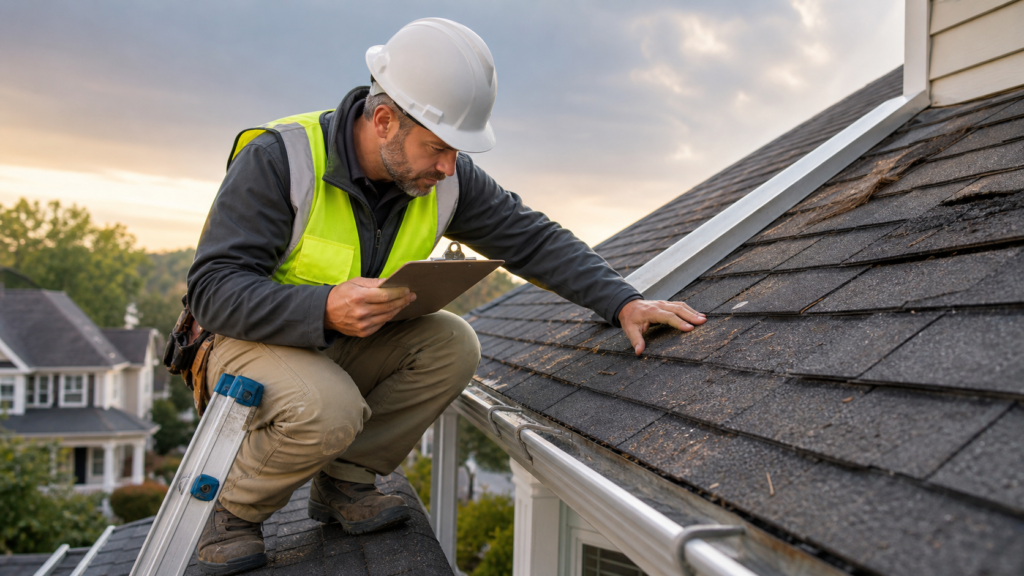
A strong roof protects your home from rain, wind, heat, debris, moisture, pests, and structural damage, which is why roof inspection services are essential for homeowners who want to identify problems before they become expensive repairs. Many roofing issues start small, such as a cracked shingle, loose flashing, clogged gutter, minor leak, or hidden attic stain. However, when these warning signs are ignored, they can lead to water damage, mould growth, insulation problems, wood rot, ceiling stains, and even premature roof replacement.
Professional roof inspections give homeowners clarity. Instead of guessing whether a roof is healthy, an inspection provides a detailed look at the condition of shingles, flashing, gutters, roof penetrations, ventilation, attic areas, sealants, and structural components. This information helps you decide whether simple maintenance, roof repair, storm damage restoration, or full replacement may be needed.
In addition, roof inspection services are valuable after severe weather, before buying or selling a home, during insurance claim preparation, and as part of routine property maintenance. A well-timed inspection can protect your investment, support home safety, and extend the life of your roofing system.
What Are Roof Inspection Services?
Roof inspection services involve a professional evaluation of your roofing system to identify visible and hidden problems. A roofing inspector checks the roof’s exterior, drainage components, roof penetrations, attic conditions, and signs of interior water damage. The goal is to determine whether the roof is performing properly and whether any repairs are needed.
A roof inspection is not just a quick look from the ground. While ground-level observations can reveal obvious concerns, many issues require closer examination. A trained roofing professional may inspect shingles, tiles, metal panels, flashing, vents, skylights, chimneys, gutters, soffits, fascia, sealants, and attic spaces where leaks often leave clues.
The inspection may also include documentation. Photos, written notes, repair recommendations, and condition summaries can help homeowners understand the roof’s current state. This is especially helpful when dealing with storm damage, insurance claims, real estate transactions, or long-term roof maintenance planning.
Most importantly, roof inspection services help homeowners make informed decisions. Without an inspection, small problems may remain hidden until they cause serious damage. With an inspection, homeowners can take action early and avoid unnecessary costs.
Why Roof Inspections Are Important
A roof is constantly exposed to harsh conditions. Sunlight can weaken materials. Wind can lift shingles. Rain can enter small gaps. Hail can bruise roofing surfaces. Debris can clog gutters. Temperature changes can expand and contract materials. Over time, these conditions affect roof performance.
Regular roof inspection services help identify these issues before they worsen. For example, a small flashing crack around a chimney may not seem urgent, but it can allow water to enter the attic during storms. A missing shingle may expose underlayment. A clogged gutter may force water under roof edges. Poor ventilation may trap heat and moisture, shortening roof life.
In addition, many homeowners do not notice roofing problems until there is visible interior damage. By the time water stains appear on a ceiling, moisture may have already affected insulation, decking, drywall, or structural wood. A professional roof inspection can catch warning signs earlier.
Roof inspections also support financial planning. If a roof is nearing the end of its service life, the homeowner can prepare for replacement instead of facing an unexpected emergency. If the roof only needs minor repairs, early action can prevent larger expenses.
When Should You Schedule Roof Inspection Services?
Timing matters. A roof inspection can be useful in several situations, and homeowners should not wait until there is an obvious leak.
After Severe Weather
Storms are one of the most common reasons to schedule roof inspection services. Strong winds, hail, heavy rain, falling branches, and flying debris can damage shingles, flashing, gutters, and roof vents. Some storm damage is easy to see, but other damage may be subtle.
Hail damage, for example, may appear as bruising, granule loss, small dents, or weakened areas on shingles. Wind damage may loosen materials without fully removing them. A professional inspection can identify these concerns before the next storm makes the problem worse.
Before Buying or Selling a Home
A roof inspection is important during real estate transactions. Buyers want to know whether the roof is in good condition before committing to a purchase. Sellers may also benefit by addressing roofing concerns before listing the property.
A professional roof evaluation can provide transparency. If repairs are needed, they can be handled or negotiated before closing. This reduces surprises and helps both parties make informed decisions.
After Noticing Interior Warning Signs
Ceiling stains, peeling paint, musty smells, attic moisture, mould growth, or damp insulation may indicate a roof leak. Even if the source is not obvious, these signs should be investigated quickly.
Roof leak detection often requires checking several areas, including flashing, roof valleys, vents, skylights, chimneys, and attic decking. A professional inspection can help trace the source of the moisture.
As Part of Preventive Maintenance
Even if there are no visible problems, routine roof inspection services are valuable every few years. Preventive inspections help homeowners stay ahead of damage, especially on older roofs or properties in storm-prone areas.
Routine inspections are also helpful after major seasonal changes. Winter, summer heat, and heavy rain periods can all affect roofing materials.
What Roof Inspectors Look For
A thorough roof inspection covers multiple areas because roofing systems work as a connected structure. A problem in one area can affect another.
Shingles and Roofing Materials
Inspectors check shingles, tiles, metal panels, or other roof coverings for cracks, curling, missing sections, punctures, blistering, granule loss, impact damage, and general wear. These materials are the roof’s first defence against weather.
Damaged shingles can allow water to reach the underlayment or roof deck. If left unrepaired, moisture can spread and cause more serious problems.
Flashing and Sealants
Flashing protects vulnerable areas where the roof meets another surface, such as chimneys, walls, skylights, vents, and valleys. Cracked, loose, corroded, or poorly installed flashing is a common source of leaks.
Sealants around roof penetrations can also crack over time. Roof inspection services include checking these areas closely because they are often where water enters first.
Gutters and Drainage
Gutters move water away from the roof and foundation. If gutters are clogged, sagging, damaged, or improperly installed, water may back up under roof edges or overflow near the home’s structure.
Inspectors may look for debris, standing water, loose fasteners, poor drainage, and signs that gutters are pulling away from the fascia. Proper drainage is essential for roof longevity.
Chimneys and Skylights
Chimneys and skylights create multiple entry points for water if not sealed and flashed correctly. Inspectors check for cracked sealant, damaged flashing, loose components, ageing materials, and signs of moisture intrusion.
Skylight seals can weaken over time, especially as materials expand and contract. Chimneys may also develop cracks, damaged caps, or gaps where water can enter.
Attic Conditions
An attic inspection is one of the most important parts of a complete roof evaluation. While exterior roofing materials can hide damage, the attic often reveals water stains, damp insulation, mould, rot, poor ventilation, and structural issues.
Attic ventilation is especially important. Poor ventilation can trap heat and moisture, leading to condensation, mould growth, ice-related issues in colder regions, and shortened shingle life.
Residential Roof Inspection Services
Residential roof inspection services help homeowners protect their property and family. A home’s roof affects comfort, safety, energy efficiency, and property value. When roofing problems are ignored, they can damage insulation, ceilings, walls, flooring, and personal belongings.
A residential roof inspection is useful for both older and newer homes. Newer roofs can have installation issues, storm damage, or defective materials. Older roofs may have age-related wear, brittle shingles, weakened flashing, or drainage concerns.
Homeowners should also consider inspections after nearby construction, fallen branches, or unexplained increases in energy bills. Sometimes roof damage affects ventilation or insulation, which can influence indoor comfort and energy use.
By using roof inspection services regularly, homeowners can plan repairs instead of reacting to emergencies.
Commercial Roof Inspection Services
Commercial roof inspection services are equally important for business owners, property managers, and facility operators. Commercial roofs often have flat or low-slope designs, drainage systems, HVAC equipment, membrane seams, penetrations, and larger surface areas.
These roofs can develop ponding water, membrane punctures, seam separation, flashing damage, clogged drains, and equipment-related wear. Because commercial properties may house inventory, employees, tenants, equipment, or customers, roof leaks can disrupt operations quickly.
Regular inspections help identify issues before they affect business continuity. They also support maintenance records, warranty compliance, insurance documentation, and capital planning.
For commercial properties, roof inspection services should be part of a broader building maintenance strategy.
Roof Inspection and Storm Damage Claims
After severe weather, roof inspection services may help homeowners document damage for insurance purposes. Insurance companies often require evidence before approving repairs or replacement. A professional assessment can provide photos, written observations, and repair estimates that support the claim process.
Storm damage can include missing shingles, hail impact marks, damaged flashing, bent gutters, broken vents, punctures, and water intrusion. Some damage may not cause immediate leaks, but it can weaken the roof and reduce its lifespan.
Homeowners should document storm-related concerns quickly. Waiting too long may make it harder to connect damage to a specific weather event. A timely inspection helps create a clearer record.
However, insurance coverage depends on the policy, roof age, cause of damage, deductible, exclusions, and insurer review. A roofing inspection does not guarantee claim approval, but it can help provide useful documentation.
How Roof Inspections Prevent Costly Repairs
Preventive roof inspections can save money by catching issues early. A minor repair may involve replacing a few shingles, resealing flashing, clearing gutters, or fixing a small leak. If ignored, the same issue can lead to damaged decking, insulation replacement, mould remediation, drywall repair, and larger structural concerns.
For example, a small leak around a vent pipe may only require a new boot or sealant. If left unresolved, water may soak insulation, stain ceilings, and rot the roof deck. The repair cost then increases significantly.
Roof inspection services also help extend roof life. Regular maintenance keeps the system functioning properly and reduces the stress caused by trapped moisture, debris, and damaged materials.
In short, inspections are not an extra expense. They are a practical investment in protecting the home.
DIY Roof Checks Versus Professional Roof Inspections
Homeowners can perform basic visual checks from the ground, but professional roof inspection services offer a more complete and safer evaluation. From the ground, you may notice missing shingles, sagging gutters, visible debris, or damaged areas. However, many problems require closer inspection.
Walking on a roof can be dangerous without proper training, footwear, safety equipment, and experience. It can also cause additional damage if done incorrectly. Attic inspections can also be risky if homeowners step in the wrong area or disturb insulation.
Professional inspectors know where to look and how to identify subtle warning signs. They can spot early sagging, ventilation problems, flashing defects, hidden leaks, and workmanship concerns that an untrained eye may miss.
A DIY check can be useful between professional inspections, but it should not replace a detailed roofing evaluation.
How to Prepare for a Roof Inspection
Preparing for roof inspection services can make the process smoother. Start by noting any concerns you have observed, such as leaks, stains, missing shingles, gutter overflow, unusual noises, or storm damage. Share this information with the inspector.
If attic access is needed, clear the entry area if possible. Remove obstacles around the home that may block ladder placement. Make sure pets are secured and vehicles are moved away from areas where the inspector may need access.
It can also be helpful to gather information about the roof’s age, previous repairs, warranty documents, insurance claims, and recent storm events. These details can help the inspector understand the roof’s history.
After the inspection, review the findings carefully. Ask questions about repair urgency, expected roof lifespan, maintenance needs, and whether replacement may be necessary in the future.
Common Roof Problems Found During Inspections
Roof inspections often uncover issues that homeowners did not notice. Common problems include missing shingles, lifted shingles, cracked flashing, clogged gutters, damaged pipe boots, exposed nails, loose ridge caps, deteriorated sealant, soft decking, moss growth, damaged fascia, poor ventilation, attic stains, and signs of previous improper repairs.
Some problems are minor, while others require immediate attention. For instance, clogged gutters may need cleaning, but a soft roof deck may indicate deeper moisture damage. A professional can help separate urgent repairs from routine maintenance.
Understanding the severity of each issue helps homeowners prioritise spending and avoid unnecessary work.
Choosing the Right Roof Inspection Company
Choosing the right provider matters because roof inspection quality depends on experience, training, honesty, and attention to detail. Look for a roofing company that understands residential or commercial roofing systems, provides clear documentation, explains findings in simple language, and recommends practical solutions.
A reliable inspector should not pressure homeowners into unnecessary work. Instead, they should explain what they found, why it matters, and what options are available. The best roof inspection services help homeowners make informed choices based on evidence.
It is also useful to choose a company familiar with storm damage, roof repairs, roof replacement, insurance documentation, gutters, flashing, ventilation, and attic inspections. This broader knowledge helps ensure the inspection covers the full roofing system.
FAQs
What do roof inspection services include?
Roof inspection services usually include checking shingles or roofing materials, flashing, gutters, vents, skylights, chimneys, drainage, attic conditions, ventilation, signs of leaks, storm damage, and overall roof condition.
How often should I schedule a roof inspection?
Many homeowners schedule a roof inspection every few years, after severe storms, before buying or selling a home, or whenever they notice leaks, missing shingles, ceiling stains, or other warning signs.
Can a roof inspection detect hidden leaks?
Yes, a professional roof inspection can help detect hidden leaks by checking roof penetrations, flashing, attic stains, insulation moisture, decking damage, and other signs of water intrusion.
Do I need a roof inspection after a storm?
Yes, it is wise to schedule a roof inspection after hail, strong winds, heavy rain, or falling debris. Storm damage may not always be visible from the ground but can still weaken the roof.
Are roof inspection services useful for insurance claims?
Roof inspection services can provide documentation such as photos, damage notes, and repair recommendations that may help support an insurance claim. Coverage decisions still depend on the policy and insurer review.
Can I inspect my roof myself?
You can perform a basic visual check from the ground, but a professional inspection is safer and more thorough. Roofing professionals can identify subtle damage, flashing issues, attic moisture, and ventilation concerns that homeowners may miss.
What happens if roof damage is found?
If damage is found, the inspector should explain the issue, show documentation, and recommend next steps. Depending on the severity, you may need maintenance, minor repairs, storm damage restoration, or roof replacement.
Conclusion
Roof inspection services are one of the most practical ways to protect a home or commercial property from unexpected roofing problems. A roof may appear fine from the ground while hidden issues develop around flashing, gutters, skylights, chimneys, vents, shingles, or attic spaces. By scheduling professional inspections, property owners can catch early signs of damage, prevent leaks, support insurance documentation, and plan repairs before costs increase.
A well-maintained roof improves safety, comfort, energy performance, and long-term property value. Whether you are responding to storm damage, preparing for a real estate transaction, investigating a leak, or simply maintaining your home, a detailed roof inspection gives you the information needed to make confident decisions. In the long run, proactive roof care is far less stressful than emergency repairs, and regular inspections help ensure your roofing system continues to protect the property year after year.