
When a roof starts leaking, shingles go missing, flashing cracks, or storm damage appears after heavy wind or rain, roof repair services can help homeowners stop the...
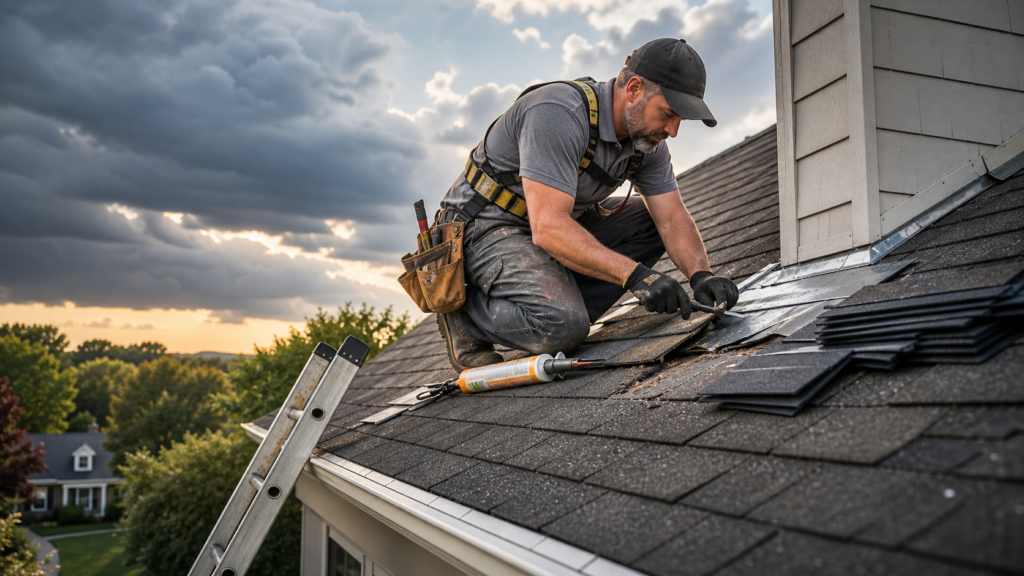
When a roof starts leaking, shingles go missing, flashing cracks, or storm damage appears after heavy wind or rain, roof repair services can help homeowners stop the problem before it becomes a much larger expense. A roof is one of the most important protective systems on any property, and even a small issue can lead to water intrusion, mould growth, damaged insulation, stained ceilings, rotted decking, and structural concerns if it is ignored.
Roof damage is not always obvious from the ground. A ceiling stain may appear in one room, while the actual leak source may be several feet away. Water can travel along rafters, underlayment, decking, and wall cavities before becoming visible inside the home. Because of this, proper roof repair begins with careful inspection, accurate diagnosis, and a repair method that addresses the source rather than only the symptom.
Whether the problem involves asphalt shingles, clay tile, concrete tile, metal roofing, flat roofing, flashing, gutters, skylights, vents, or storm-related damage, timely repair protects the home and helps extend the roof’s service life. This guide explains what professional roof repair includes, when repairs are needed, how to choose the right solution, and why early action is the smartest way to protect your property.
What Are Roof Repair Services?
Roof repair services are professional roofing solutions designed to fix damaged, leaking, weakened, or failing parts of a roofing system. These services may include leak detection, shingle replacement, tile repair, flashing repair, flat roof patching, storm damage restoration, gutter correction, roof vent sealing, skylight repair, underlayment repair, and emergency tarping.
The goal is to restore the roof’s ability to protect the home from water, wind, debris, heat, and changing weather conditions. A proper roof repair does not simply cover a visible hole or seal the nearest crack. Instead, it identifies why the problem happened and repairs the area in a way that prevents continued damage.
For example, if a roof leak appears near a ceiling light, the source may not be directly above the fixture. It could come from a damaged vent boot, cracked flashing, loose shingles, a roof valley, or water entering near a chimney. A professional roofing contractor traces the water path and checks surrounding materials before recommending the repair.
Roof repair services are also used after storms, during real estate inspections, before selling a home, after noticing attic moisture, or when roofing materials begin to show age-related wear. In many cases, early repair can delay the need for a full roof replacement.
Why Timely Roof Repair Matters
Delaying roof repair can turn a small issue into a costly project. A missing shingle may expose the underlayment. A cracked tile may allow moisture underneath the roof covering. Damaged flashing may let water enter around chimneys, vents, walls, or skylights. Over time, these problems can affect more than the roof surface.
Water intrusion can damage roof decking, insulation, drywall, electrical systems, paint, flooring, and personal belongings. It can also create conditions for mould and mildew, which may affect indoor air quality and increase remediation costs.
Timely roof repair services help prevent this chain reaction. When a roofing problem is addressed early, the repair is often more focused and less invasive. Instead of replacing large roof sections or repairing interior damage, the homeowner may only need targeted work on shingles, flashing, sealant, vents, or drainage components.
In addition, timely repairs support property value. A well-maintained roof improves curb appeal and reassures buyers, insurers, and inspectors that the property has been cared for properly. For homeowners planning to stay long-term, routine repairs help maximise the life of the existing roof.
Common Signs You Need Roof Repair
Roof problems often give warning signs before they become emergencies. Recognising these signs early can save money and reduce stress.
Ceiling Stains and Interior Leaks
Water stains on ceilings or upper walls are among the clearest signs of a roof leak. Stains may appear yellow, brown, or dark around edges. In some cases, paint may bubble, drywall may soften, or water may drip during heavy rain.
Even if the stain dries after the weather clears, the problem should not be ignored. Moisture may still be trapped above the ceiling or inside the attic.
Missing, Cracked, or Lifted Shingles
Asphalt shingles can be damaged by wind, heat, age, hail, poor installation, or falling debris. Missing shingles expose the roof system to water. Cracked or curled shingles may no longer shed water effectively. Lifted shingles can allow wind-driven rain to enter underneath.
Shingle roof repair is often possible when damage is limited to a specific area and the underlayment remains in good condition.
Broken or Slipped Roof Tiles
Clay and concrete tile roofs are durable, but individual tiles can crack, slip, or break. This may happen because of impact, foot traffic, ageing fasteners, or weather exposure. Since tiles protect the underlayment beneath them, damaged tiles should be repaired before moisture reaches deeper layers.
Damaged Flashing
Flashing is used around chimneys, vents, skylights, roof valleys, walls, and edges where water needs to be directed away from vulnerable areas. Cracked, rusted, loose, or poorly installed flashing is a common cause of leaks.
Flashing repair is one of the most important roof repair services because many leaks begin at transitions and penetrations rather than in the open roof field.
Granules in Gutters
Asphalt shingles have protective granules that help resist UV damage and weather exposure. If large amounts of granules are collecting in gutters or at downspouts, the shingles may be wearing down. Some granule loss is normal with age, but heavy loss may signal deterioration or storm damage.
Sagging or Soft Roof Areas
A sagging roofline or soft decking may indicate moisture damage, structural weakness, or long-term roof failure. This should be inspected quickly because it may require more than surface repair.
Increased Energy Bills or Poor Ventilation
Roof damage and attic ventilation issues can affect indoor comfort. If heat and moisture become trapped in the attic, the home may become harder to cool or heat efficiently. A roof repair inspection may reveal ventilation problems, damaged vents, or moisture buildup.
Types of Roof Repair Services
Different roof problems require different repair methods. A reliable roofing contractor should match the repair to the material, damage type, roof age, and long-term condition.
Roof Leak Repair
Roof leak repair focuses on locating and stopping water intrusion. The process may involve inspecting the roof surface, attic, flashing, vents, valleys, gutters, and interior damage patterns.
A proper leak repair should identify the actual entry point. Simply sealing a visible area without understanding the water path may lead to repeat leaks.
Storm Damage Roof Repair
Storm damage roof repair may be needed after high winds, hail, heavy rain, falling branches, or flying debris. Storm damage can include missing shingles, lifted materials, cracked tiles, punctures, dented flashing, damaged vents, loose ridge caps, and clogged gutters.
In some cases, temporary tarping may be needed before permanent repairs can be completed. This helps reduce active water intrusion while materials, scheduling, or insurance documentation are handled.
Shingle Roof Repair
Shingle roof repair may include replacing missing shingles, sealing lifted shingles, correcting nail pops, repairing ridge caps, fixing damaged underlayment, and addressing wind or hail damage.
Matching new shingles to older weathered shingles can sometimes be difficult. A professional contractor should explain whether the repair will blend well or remain visible.
Tile Roof Repair
Tile roof repair may involve replacing cracked tiles, repositioning slipped tiles, repairing underlayment, fixing valleys, and addressing flashing issues. Tile roofs require careful handling because walking on tiles improperly can cause more damage.
Flat Roof Repair
Flat and low-slope roofs can develop ponding water, membrane punctures, seam failures, blistering, drainage issues, and flashing problems. Flat roof repair may include patching membranes, resealing seams, improving drainage, and repairing roof penetrations.
Because flat roofs shed water differently from pitched roofs, proper drainage is especially important.
Metal Roof Repair
Metal roof repair may involve loose fasteners, damaged panels, failed sealant, corrosion, flashing issues, or leaks around seams and penetrations. Metal roofs expand and contract with temperature changes, so repair materials must be compatible with that movement.
Flashing and Vent Repair
Flashing and vent repair addresses some of the most common leak sources. Pipe boots, roof vents, chimney flashing, skylight flashing, step flashing, and wall flashing should all be inspected when water intrusion appears.
Roof Repair or Roof Replacement: Which Is Better?
One of the biggest questions homeowners ask is whether a damaged roof should be repaired or replaced. The answer depends on the age of the roof, extent of damage, material condition, leak history, and overall roof performance.
Repair often makes sense when the roof is relatively young, the damage is localised, the underlayment is still sound, and the leak source is clear. For example, replacing a few missing shingles, repairing flashing, or fixing a small storm-damaged area may be enough if the rest of the roof is in good condition.
Replacement may be the better option when the roof is near the end of its expected life, damage is widespread, leaks appear in multiple areas, previous repairs keep failing, or the underlayment and decking are compromised. A roof with repeated leaks may cost more to patch over time than to replace properly.
A trustworthy roofing professional should explain both options clearly. The best recommendation should focus on long-term value, not simply the cheapest short-term fix or the most expensive service.
What Happens During a Roof Repair Inspection?
Before roof repair begins, a professional inspection helps determine what is actually wrong. This step is essential because visible damage does not always reveal the full problem.
The inspector may check shingles, tiles, metal panels, roof valleys, flashing, gutters, vents, skylights, chimneys, underlayment, decking, fascia, soffits, and attic conditions. They may also inspect interior ceilings and walls where stains or moisture appear.
During the inspection, the contractor should look for both damage and causes. For example, a leak may be caused by poor flashing installation, clogged gutters, cracked sealant, wind-lifted shingles, or roof age. If the cause is not corrected, the same problem may return.
After inspection, homeowners should receive a clear explanation of the findings, repair options, estimated cost, and expected timeline. Photos or written documentation can help make the recommendation easier to understand.
Emergency Roof Repair Services
Emergency roof repair services are needed when active leaks, storm damage, falling branches, or structural damage threaten the home. In these cases, the first goal is to stop immediate water intrusion and protect the property.
Temporary solutions may include tarping, emergency sealing, debris removal, or temporary waterproofing. These measures are not usually permanent repairs, but they help reduce further damage until full repair work can be completed.
Homeowners should act quickly during roofing emergencies. Water can spread fast, especially during heavy rain. If safe, move belongings away from the affected area, place containers under drips, document visible damage, and contact a roofing professional.
However, homeowners should not climb onto a wet or storm-damaged roof. Safety is more important than inspection. A trained roofing contractor has the proper equipment and experience to assess the damage safely.
Roof Repair and Insurance Claims
Some roof repairs may be covered by homeowner’s insurance if the damage was caused by a covered event, such as wind, hail, falling debris, or sudden storm damage. However, coverage depends on the policy, roof age, cause of damage, deductible, exclusions, and insurer review.
Roof repair services can support the claim process by documenting damage with photos, notes, inspection findings, and repair estimates. This documentation may help homeowners explain the damage clearly to their insurer.
It is important to understand that insurance usually does not cover normal wear and tear, neglect, or damage caused by lack of maintenance. For this reason, regular roof inspections and timely maintenance can be valuable.
Homeowners should review their policy, report damage promptly, and keep records of inspections, repairs, storm dates, and communication.
How Roof Maintenance Prevents Future Repairs
Roof maintenance is one of the best ways to reduce the need for emergency repairs. A roof that is inspected and maintained regularly is more likely to perform well during storms and seasonal changes.
Maintenance may include cleaning gutters, removing roof debris, trimming overhanging branches, checking flashing, replacing damaged shingles, resealing exposed fasteners, inspecting attic ventilation, and clearing drainage areas.
Gutters are especially important. When gutters clog, water may back up under roof edges or overflow near the foundation. This can create roof leaks, fascia damage, siding stains, and drainage problems.
Regular maintenance also helps identify ageing materials before they fail. A roofing contractor can recommend minor repairs before moisture reaches the roof deck or interior spaces.
Residential and Commercial Roof Repair
Roof repair services are important for both homes and businesses. Residential roof repair focuses on protecting the household, improving comfort, preserving property value, and preventing interior damage. Common residential needs include leak repair, shingle replacement, tile repair, flashing repair, storm damage repair, and gutter-related fixes.
Commercial roof repair may involve flat roofs, low-slope membranes, drainage systems, rooftop equipment, penetrations, seams, and larger roof areas. Businesses need timely repairs because leaks can damage inventory, equipment, tenant spaces, office areas, and customer-facing environments.
Commercial properties may also require documentation for maintenance records, lease obligations, warranties, or insurance claims. Because downtime can be costly, proactive repair planning is essential.
Choosing the Right Roof Repair Contractor
Choosing the right roofing contractor can affect the quality and durability of the repair. Homeowners should look for experience, proper licensing where required, insurance, clear communication, detailed estimates, and familiarity with the specific roof material.
A reliable contractor should inspect the roof before quoting major repair work. A quote without inspection may miss hidden issues and lead to unexpected costs later.
The contractor should also explain the problem in simple terms. Homeowners should understand what failed, why it failed, what repair is recommended, and whether the repair is expected to be temporary or long-lasting.
Avoid contractors who pressure you into unnecessary replacement without explaining the repair option. At the same time, be cautious of patch-only solutions when the roof is clearly failing in multiple areas. Honest guidance should help you make the decision that protects your home and budget.
Common Mistakes Homeowners Should Avoid
One common mistake is ignoring small roof problems. A minor leak may seem manageable, but water damage can grow behind ceilings and walls. Early repair is almost always better than waiting.
Another mistake is using temporary sealants as a permanent solution. Caulk or roof cement may stop water briefly, but it may not solve the underlying problem. The correct repair depends on the roof material and failure point.
Homeowners should also avoid walking on the roof without proper safety precautions. Falls are dangerous, and improper walking can damage shingles or tiles.
Finally, choosing the lowest price without reviewing the scope can lead to poor results. A cheap repair that does not address the source may need to be repeated. Good roof repair services focus on durability, not quick cosmetic fixes.
FAQs
What do roof repair services include?
Roof repair services may include leak detection, shingle replacement, tile repair, flashing repair, vent sealing, storm damage repair, flat roof patching, gutter correction, underlayment repair, and emergency tarping.
How do I know if my roof needs repair?
Common signs include ceiling stains, active leaks, missing shingles, cracked tiles, damaged flashing, granules in gutters, sagging areas, attic moisture, mould, and visible storm damage.
Can a roof leak be repaired without replacing the whole roof?
Yes, many roof leaks can be repaired without full replacement if the damage is localised, the roof is not too old, and the underlayment or decking is still in good condition.
When is roof replacement better than repair?
Replacement may be better when the roof is old, damage is widespread, leaks keep returning, underlayment is failing, decking is damaged, or repairs would only provide a short-term fix.
Are emergency roof repair services available after storms?
Yes, emergency roof repair services may include temporary tarping, leak control, debris removal, and short-term waterproofing until permanent repairs can be completed.
Will insurance cover roof repair?
Insurance may cover roof repair if the damage was caused by a covered event such as wind, hail, or falling debris. Coverage depends on the policy, roof age, cause of damage, deductible, and insurer decision.
How long does roof repair take?
Small repairs may be completed quickly, while larger storm damage, tile repairs, flat roof repairs, or repairs requiring special materials may take longer. The timeline depends on damage severity, weather, material availability, and contractor scheduling.
How can I prevent future roof repairs?
You can reduce future roof repairs by scheduling inspections, cleaning gutters, removing debris, trimming branches, repairing small issues early, checking attic ventilation, and addressing storm damage promptly.
Conclusion
Roof repair services are essential for protecting a home or commercial property from leaks, water damage, structural issues, and premature roof replacement. A small roofing problem can grow quickly when moisture reaches underlayment, decking, insulation, ceilings, or walls. By addressing damage early, property owners can control repair costs, preserve roof performance, and maintain safer indoor conditions.
The best roof repair begins with a careful inspection and a clear understanding of the true source of the problem. Whether the issue involves storm damage, missing shingles, cracked tiles, faulty flashing, flat roof membrane failure, gutters, vents, skylights, or attic moisture, a focused repair can restore protection and extend the life of the roof. For long-term value, homeowners should choose experienced professionals, maintain the roof regularly, document damage when needed, and never ignore early warning signs. A well-repaired roof does more than stop a leak; it protects the entire property from avoidable damage and gives homeowners greater confidence through every season.